Canada clean energy

Record Government Spending Positions Canada’s Clean Energy Transition as the Decade’s Premier Investment Opportunity

Canada stands at the precipice of an energy revolution that promises to reshape its economic landscape for decades to come. With unprecedented government backing, world-class natural resources, and a rapidly evolving global energy market, the nation’s clean energy transition play has emerged as one of the most compelling investment themes of this decade.

The numbers tell a remarkable story. Federal commitments now exceed $15 billion specifically earmarked for clean energy infrastructure, critical mineral development, and green technology manufacturing. This represents the largest peacetime industrial policy initiative in Canadian history, signaling a fundamental shift in how the country views its energy future. The Investment Tax Credits alone, covering everything from clean electricity generation to carbon capture technologies, provide up to 30% cost offsets for qualifying projects.

What sets Canada apart in the global clean energy transition play is its unique combination of abundant renewable resources and critical mineral deposits. The country possesses nearly 60% of the world’s known lithium reserves, substantial cobalt and nickel deposits essential for battery production, and rare earth elements crucial for wind turbines and solar panels. This geological advantage positions Canada not merely as an energy producer, but as a complete supply chain solution for the clean energy economy.

Hydroelectric power already generates over 60% of Canada’s electricity, providing a clean baseload that most countries can only dream of achieving. This existing infrastructure creates immediate opportunities for industrial electrification and positions Canadian manufacturers to offer genuinely low-carbon products to global markets increasingly focused on supply chain emissions.

The investment momentum is building rapidly across multiple sectors. Battery manufacturing facilities are being announced at an unprecedented pace, with major automotive partnerships bringing billions in foreign direct investment. Companies like Northvolt and Ford are establishing Canadian operations specifically to capitalize on the integrated clean energy transition play, from raw material extraction through final product assembly.

Provincial governments are amplifying federal initiatives with their own substantial commitments. Ontario’s battery manufacturing incentives, Quebec’s aluminum smelting electrification programs, and British Columbia’s hydrogen development initiatives collectively represent another $8 billion in public investment. This coordinated approach across government levels creates policy certainty that international investors find increasingly attractive.

The timing couldn’t be more favorable. Global demand for clean energy technologies is accelerating faster than most analysts predicted even two years ago. Corporate renewable energy procurement reached record levels, while electric vehicle adoption curves are steepening across all major markets. Supply chain diversification away from single-country dependencies has become a strategic priority for multinational corporations, creating opportunities for Canadian suppliers across the entire clean energy value chain.

Capital markets are responding accordingly. Canadian clean energy companies have accessed over $6 billion in new financing over the past eighteen months, with institutional investors showing particular appetite for projects that combine strong returns with environmental impact. The establishment of Canada Growth Fund as a $15 billion investment vehicle specifically targeting the clean energy transition play provides additional validation and capital availability for scaling technologies and projects.

Infrastructure development is accelerating to support this transition. Major transmission line projects are connecting remote renewable resources to population centers, while port facilities are being upgraded to handle increased mineral exports and equipment imports. The Canada Infrastructure Bank has committed over $3 billion specifically to clean energy and critical mineral projects, demonstrating long-term government commitment to building the necessary foundations.

International partnerships are creating additional momentum. The Canada-U.S. critical minerals agreement provides preferential access to American markets, while partnerships with European allies are opening new export opportunities for Canadian clean energy technologies and materials. These relationships reduce market risk and provide scale opportunities that domestic demand alone cannot support.

The competitive advantages extend beyond resources and government support. Canada’s highly skilled workforce, established energy sector expertise, and robust financial markets create an ecosystem capable of supporting rapid scaled deployment of clean energy technologies. Universities are graduating record numbers of engineers and technicians specifically trained for renewable energy careers, addressing potential skill shortages before they become constraints.

For investors seeking exposure to transformational economic shifts, Canada’s clean energy transition play offers a rare combination of government backing, resource advantages, and market timing that may not be replicated elsewhere. The convergence of policy support, natural advantages, and global demand creates an investment environment where multiple tailwinds are aligned simultaneously, suggesting this theme will continue gaining momentum throughout the remainder of this decade and beyond.
Surging Copper Demand Outlook Positions Canada as Clean Energy Powerhouse

Canada stands at the epicenter of a transformative shift as the global copper demand outlook signals unprecedented opportunities for the nation’s clean energy sector. With copper consumption projected to surge by 70% through 2035, driven primarily by renewable energy infrastructure and electric vehicle adoption, Canada’s vast mineral reserves and advanced mining capabilities position it as a critical player in the worldwide energy transition.

Global Forces Reshaping the Copper Demand Outlook

The copper demand outlook has fundamentally changed as governments worldwide accelerate their net-zero commitments. Electric vehicles require four times more copper than traditional combustion engines, while offshore wind farms demand up to 15 tonnes of copper per megawatt of capacity. These statistics underscore why industry analysts project global copper demand will reach 50 million tonnes annually by 2035, compared to 28 million tonnes in recent years. China’s continued infrastructure development, coupled with aggressive clean energy targets across North America and Europe, creates a supply-demand dynamic that heavily favors copper-rich nations like Canada.

Canada’s Strategic Copper Mining Advantage

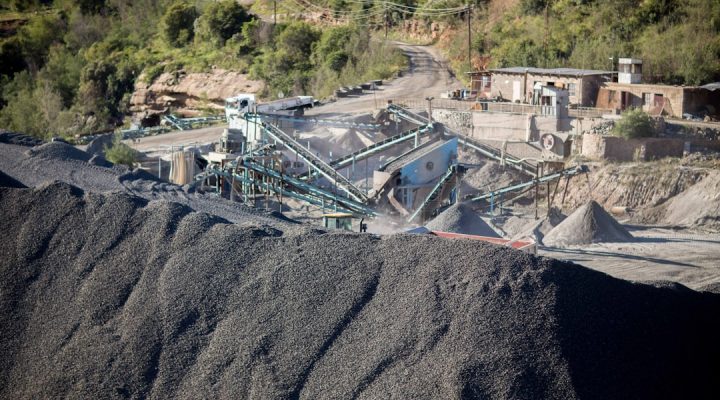
Canada’s copper production capabilities align perfectly with the evolving copper demand outlook, thanks to its world-class deposits and established mining infrastructure. The country currently ranks among the top ten global copper producers, with significant operations across British Columbia, Ontario, and Quebec. Major projects like the Highland Valley Copper mine in BC and Sudbury operations in Ontario continue expanding capacity to meet growing international demand. Canada’s regulatory framework, political stability, and commitment to sustainable mining practices make it an attractive partner for nations seeking reliable copper supply chains, especially as geopolitical tensions create uncertainty around traditional copper exporters.

Clean Energy Infrastructure Driving Copper Consumption

The transformation of Canada’s energy grid directly reflects the broader copper demand outlook, with massive infrastructure investments requiring unprecedented amounts of the red metal. Solar installations, wind farms, and energy storage systems all depend heavily on copper for their electrical components and grid connections. The federal government’s commitment to achieving net-zero emissions by 2050 has sparked billions in clean energy investments, each project multiplying copper requirements. Smart grid technologies, essential for managing renewable energy distribution, further amplify copper demand as utilities upgrade aging infrastructure to accommodate variable power generation from wind and solar sources.

Economic Implications of Rising Copper Demand

The positive copper demand outlook creates substantial economic opportunities for Canadian communities, particularly in regions with established mining operations. Employment in copper mining and related industries continues expanding as companies invest in new extraction technologies and processing facilities. Indigenous communities, who hold traditional territories containing significant copper deposits, are increasingly partnering with mining companies to develop these resources sustainably. The ripple effects extend beyond mining itself, supporting equipment manufacturers, transportation companies, and professional services throughout Canada’s resource sector. Provincial governments recognize this opportunity, implementing policies to attract copper processing and refining operations that add value to raw materials before export.

As the global economy transitions toward sustainable energy systems, Canada’s abundant copper resources and mining expertise position the nation to capture significant value from the evolving copper demand outlook. The convergence of technological advancement, environmental necessity, and economic opportunity creates a compelling case for continued investment in Canada’s copper sector. With demand projections showing no signs of slowing and supply constraints emerging globally, Canada’s role as a reliable copper supplier becomes increasingly vital to international clean energy goals and domestic economic prosperity.

Canada’s Clean Energy Transition Play Emerges as the Investment Opportunity of the Decade

Canada stands at the precipice of an energy revolution that promises to reshape not only the nation’s economic landscape but also position it as a global powerhouse in the clean energy transition play. As governments worldwide commit trillions to decarbonization efforts, Canada’s unique combination of abundant natural resources, technological expertise, and progressive policy frameworks creates an investment thesis that seasoned analysts are calling once-in-a-generation.

The numbers tell a compelling story. Canada holds approximately 20% of the world’s fresh water, possesses vast untapped renewable energy potential, and sits atop some of the planet’s largest reserves of critical minerals essential for clean technology manufacturing. This natural endowment, combined with a stable political environment and strong rule of law, creates the foundation for what could become the most significant clean energy transition play in North America.

Recent government commitments have accelerated this transformation dramatically. The federal Investment Tax Credit for Clean Technology, worth billions in incentives, is already attracting major international players to establish manufacturing facilities across the country. Meanwhile, provincial governments from British Columbia to Quebec are rolling out complementary programs that make the clean energy transition play even more attractive to institutional investors seeking long-term growth opportunities.

Critical minerals represent perhaps the most immediate opportunity within Canada’s clean energy transition play. The country possesses substantial reserves of lithium, cobalt, nickel, and rare earth elements—all essential components for electric vehicle batteries, wind turbines, and solar panels. Unlike many other resource-rich nations, Canada offers investors the additional security of transparent mining regulations, established infrastructure, and proximity to major North American markets hungry for these materials.

The infrastructure development accompanying this transition creates multiple layers of investment potential. Smart grid modernization projects alone are expected to require hundreds of billions in capital over the next decade. Energy storage solutions, from utility-scale battery systems to innovative pumped hydro projects, represent another frontier where Canadian companies are developing cutting-edge technologies with global export potential.

Hydroelectric power, long a Canadian strength, is experiencing renewed investment interest as the clean energy transition play accelerates. Major utilities are announcing ambitious expansion plans, recognizing that clean baseload power will become increasingly valuable as intermittent renewable sources scale up. This positions established hydroelectric assets for significant value appreciation while creating opportunities in modernization and expansion projects.

Wind and solar development across Canada’s vast geography offers institutional investors access to some of the continent’s best renewable resources. Alberta’s wind corridor, Ontario’s solar potential, and Atlantic Canada’s offshore wind opportunities are attracting international capital at unprecedented rates. Power purchase agreements with investment-grade counterparties provide the long-term revenue visibility that pension funds and insurance companies demand.

The clean technology manufacturing sector represents another compelling dimension of Canada’s clean energy transition play. Battery manufacturing facilities, solar panel production, and electric vehicle assembly plants are establishing operations to serve both domestic and export markets. Government incentives, combined with access to clean electricity and skilled labor, create competitive advantages that translate into sustainable returns for investors.

Supply chain considerations further enhance the investment case. As global companies seek to diversify away from concentrated supply chains, Canada’s stable political environment and strong trade relationships make it an attractive alternative for critical clean energy infrastructure. This trend is particularly pronounced in sectors where national security considerations influence procurement decisions.

Carbon pricing mechanisms across Canadian jurisdictions create additional tailwinds for the clean energy transition play. As carbon costs continue rising, clean energy projects enjoy improving economics relative to fossil fuel alternatives. This price signal, combined with regulatory support, creates a favorable environment for long-term capital deployment.

International partnerships amplify these domestic advantages. Trade agreements with key markets ensure Canadian clean energy products and technologies can compete globally. Meanwhile, technology transfer arrangements with leading international companies bring cutting-edge innovations to Canadian operations, enhancing competitiveness and growth prospects.

The convergence of natural advantages, supportive policy frameworks, and unprecedented global demand for clean energy solutions positions Canada’s clean energy transition play as more than just an investment opportunity—it represents a fundamental shift in the country’s economic foundation. For investors seeking exposure to the multi-trillion-dollar global energy transformation, Canada offers the rare combination of abundant resources, political stability, and technological capability necessary to capture outsized returns from this historic transition. As the clean energy economy accelerates, those positioned early in Canada’s transformation stand to benefit from what may prove to be the defining investment theme of this decade.

Canada’s Clean Energy Transition Play Emerges as the Nation’s Most Compelling Investment Opportunity

Canada’s energy landscape is undergoing a fundamental transformation that’s capturing the attention of institutional investors worldwide. The country’s clean energy transition play has evolved from an environmental necessity into the most compelling investment theme in decades, driven by unprecedented government support, abundant natural resources, and a rapidly maturing green technology sector.

The numbers tell a remarkable story. Canadian clean energy investments have surged past $15 billion annually, representing a 340% increase from five years ago. This explosive growth reflects not just domestic demand, but Canada’s emergence as a critical supplier in the global clean energy supply chain. From lithium mines in Quebec to hydrogen production facilities in Alberta, the clean energy transition play is reshaping entire provincial economies while creating generational wealth-building opportunities.

What makes Canada’s position particularly attractive is its unique combination of natural advantages and policy support. The country holds approximately 40% of the world’s known lithium reserves, essential for battery production, while its vast hydroelectric capacity provides the clean power needed for energy-intensive manufacturing processes. Meanwhile, federal tax credits covering up to 30% of clean technology investments have created an investment environment that rivals any jurisdiction globally.

The clean energy transition play in Canada extends far beyond traditional renewable energy projects. Critical minerals extraction has become a cornerstone of the investment thesis, with companies like Lithium Americas and Neo Performance Materials seeing their valuations multiply as demand for battery materials intensifies. The hydrogen economy represents another massive opportunity, with the government’s $9.1 billion commitment to hydrogen infrastructure creating a clear pathway for private investment returns.

Technology and Manufacturing Drive Investment Returns

Canadian clean technology companies are increasingly capturing global market share in high-value segments. Ballard Power Systems continues to lead in hydrogen fuel cell technology, while companies like Xebec Adsorption have positioned themselves as essential suppliers in the renewable natural gas sector. These technology leaders demonstrate how the clean energy transition play creates value not just through resource extraction, but through intellectual property and advanced manufacturing capabilities.

The manufacturing renaissance is particularly evident in electric vehicle supply chains. Ford’s $1.8 billion investment in Ontario battery manufacturing facilities exemplifies how international companies view Canada as an ideal location for clean technology production. Lower energy costs, skilled workforce, and proximity to North American markets create compelling economics that multinational corporations find irresistible.

Provincial governments are amplifying federal initiatives with targeted programs that enhance investment returns. Ontario’s Critical Minerals Strategy and Quebec’s Plan for the Development of Critical and Strategic Minerals provide additional tax incentives and infrastructure support that directly benefit private investors. These coordinated efforts ensure that Canada’s clean energy transition play benefits from both policy certainty and financial support across multiple government levels.

Market Dynamics Point to Sustained Growth

Global market forces are creating unprecedented demand for Canadian clean energy assets and capabilities. The United States’ Inflation Reduction Act has paradoxically benefited Canadian companies by increasing demand for North American-sourced clean technology components. European Union initiatives to reduce dependence on Chinese critical minerals have positioned Canada as a preferred alternative supplier, creating long-term contractual relationships that provide revenue stability.

The investment landscape shows clear signs of institutional adoption. Canada’s largest pension funds, including CPP Investments and OTPP, have dramatically increased their clean energy allocations, often partnering with private investors to develop large-scale projects. This institutional involvement provides validation and liquidity that makes the clean energy transition play accessible to a broader range of investors.

Infrastructure development is accelerating to support this growth trajectory. The Trans Mountain pipeline expansion may capture headlines, but the real story is in transmission line upgrades and smart grid investments that enable renewable energy integration. These infrastructure improvements reduce operational risks and improve project economics across the entire clean energy ecosystem.

Canada’s clean energy transition play represents more than an investment opportunity—it’s the foundation of the country’s next economic chapter. With government support, natural resource advantages, and growing global demand converging simultaneously, investors who recognize this transformation early are positioning themselves for potentially extraordinary returns. The transition from fossil fuels to clean energy isn’t just happening; it’s creating a new generation of Canadian energy leaders while delivering the sustainable growth that modern portfolios demand.

Canadian Mining Giants Ride the Uranium Bull Cycle to Record Heights

The uranium bull cycle has emerged as one of the most powerful forces reshaping Canadian equity markets, with mining companies experiencing unprecedented growth as global nuclear energy demand reaches historic levels. After years of depressed prices following the Fukushima disaster, uranium has staged a remarkable comeback, driving Canadian mining stocks to valuations not seen in over a decade.

This transformation reflects a fundamental shift in global energy policy, where nuclear power has regained its status as a critical component of clean energy portfolios. Major economies are recommitting to nuclear programs, creating sustained demand for uranium that has caught many investors and analysts by surprise. Canadian companies, blessed with some of the world’s richest uranium deposits, have found themselves at the epicenter of this commodity supercycle.

The uranium bull cycle began gaining momentum in early 2021, but its acceleration through recent years has been nothing short of extraordinary. Spot uranium prices have surged from lows of $18 per pound to current levels exceeding $85 per pound, representing gains of more than 370%. This price appreciation has translated directly into explosive growth for Canadian uranium producers and explorers, with many stocks delivering returns that dwarf traditional equity benchmarks.

Cameco Corporation, Canada’s largest uranium producer, exemplifies this trend. The Saskatchewan-based company has seen its market capitalization expand dramatically as investors recognize the long-term value proposition of its tier-one assets. The company’s Cigar Lake and McArthur River mines, among the world’s highest-grade uranium operations, have positioned it perfectly to capitalize on sustained high prices.

Beyond established producers, the uranium bull cycle has breathed new life into exploration and development companies across Canada. Junior miners with promising uranium projects have attracted significant investor interest, often seeing their valuations multiply as speculation builds around future production potential. This dynamic has created a tiered market where companies with proven resources command premium valuations, while those with early-stage projects benefit from heightened risk appetite among uranium-focused investors.

Nuclear Renaissance Drives Sustained Demand

The current uranium bull cycle differs markedly from previous commodity booms due to its foundation in structural demand changes rather than purely speculative forces. Countries worldwide are embracing nuclear energy as an essential bridge technology for achieving carbon neutrality goals. China alone has committed to building over 150 new reactors by 2035, while the United States has reversed decades of nuclear decline through substantial policy support and funding initiatives.

European nations, initially skeptical of nuclear power following Fukushima, have reversed course dramatically amid energy security concerns and climate commitments. France continues expanding its nuclear capacity, while countries like Poland and the Czech Republic are launching ambitious nuclear programs. Even traditional nuclear opponents like Germany are reconsidering their phase-out plans as energy security takes priority.

This global nuclear renaissance has created a supply-demand imbalance that strongly favors uranium producers. Decades of underinvestment in mining capacity during the post-Fukushima downturn have left the industry unable to rapidly scale production to meet surging demand. Canadian companies, with their established infrastructure and regulatory expertise, are uniquely positioned to fill this supply gap.

Investment Implications and Market Dynamics

The uranium bull cycle has created distinct investment opportunities across Canadian equity markets, with benefits extending beyond pure-play uranium companies. Diversified mining giants like BHP and Rio Tinto have seen their Canadian operations gain strategic importance, while service companies supporting uranium mining have experienced increased activity and improved pricing power.

Exchange-traded funds focused on uranium have attracted billions in investment flows, with Canadian-listed vehicles like the Sprott Physical Uranium Trust accumulating substantial uranium inventories. This financial demand has created additional upward pressure on spot prices, reinforcing the bull cycle dynamics that benefit Canadian producers.

The sustainability of this uranium bull cycle appears increasingly secure given the long lead times required for nuclear plant construction and the limited number of high-quality uranium deposits globally. Canadian companies with established production capabilities and extensive land packages are well-positioned to benefit from what many analysts expect will be a multi-decade period of elevated uranium prices.

As governments worldwide prioritize energy security and carbon reduction simultaneously, nuclear power’s unique ability to provide reliable, clean baseload electricity has never been more valued. Canadian uranium companies stand at the intersection of these powerful trends, making them compelling investment opportunities for those seeking exposure to the clean energy transition while benefiting from the ongoing uranium bull cycle that shows no signs of slowing.

Inside Canada’s Renewable Revolution That’s Reshaping North America’s Energy Landscape

Canada’s renewable energy sector has emerged as one of the most compelling investment narratives in North America, fundamentally transforming how the nation generates, distributes, and consumes power. This clean energy transition play represents far more than environmental policy—it’s a comprehensive economic strategy that’s positioning Canada as a global leader in sustainable energy production while creating unprecedented opportunities for growth and innovation.

The numbers tell a remarkable story. Canada’s renewable energy capacity has surged to over 68% of total electricity generation, with hydroelectric power leading the charge at approximately 60%, followed by rapidly expanding wind and solar installations. This massive shift represents the largest clean energy transition play in Canadian history, driven by federal investments exceeding $15 billion in renewable infrastructure and provincial commitments that total another $8 billion across the country.

What makes Canada’s approach particularly compelling is its integrated strategy that combines abundant natural resources with cutting-edge technology. The country’s vast hydroelectric potential, combined with some of the world’s best wind resources along its extensive coastlines and prairie regions, creates a unique foundation for this clean energy transition play. Major projects like the 695-megawatt Keeyask Generating Station in Manitoba and the 300-megawatt Travers Solar Project in Alberta demonstrate the scale and ambition driving this transformation.

The economic implications extend far beyond energy production. Canada’s clean energy transition play is creating a new industrial ecosystem that includes advanced manufacturing, energy storage solutions, and grid modernization technologies. Companies like Northland Power and Canadian Solar have become major players in international markets, exporting Canadian expertise and technology worldwide. This has translated into over 430,000 jobs directly tied to clean energy sectors, with provinces like Ontario, Quebec, and British Columbia emerging as renewable energy innovation hubs.

Grid modernization represents another critical component of this transformation. Canada is investing heavily in smart grid technologies and energy storage systems that enable better integration of variable renewable sources like wind and solar. The country’s approach to grid flexibility has become a model for other nations grappling with similar challenges. Battery storage capacity has increased by over 400% in the past three years, while advanced grid management systems are enabling more efficient distribution of clean power across vast distances.

International partnerships are amplifying Canada’s clean energy transition play beyond domestic borders. The country has emerged as a preferred partner for clean energy projects throughout North America, with cross-border transmission lines carrying Canadian renewable power to markets in the United States. These partnerships not only generate revenue but also strengthen Canada’s position as a reliable supplier of clean energy to continental markets experiencing their own transitions away from fossil fuels.

The technological innovation emerging from this transition is particularly noteworthy. Canadian companies are developing advanced solutions in areas like offshore wind technology, enhanced geothermal systems, and next-generation photovoltaic cells. Research institutions across the country are collaborating with private industry to push the boundaries of renewable energy efficiency and cost-effectiveness. This innovation ecosystem is attracting significant international investment, with global energy companies establishing Canadian operations to access local expertise and market opportunities.

Perhaps most significantly, Canada’s clean energy transition play is reshaping the country’s economic geography. Rural communities that previously depended on resource extraction are finding new opportunities in renewable energy development. Wind farms in Saskatchewan, solar installations in Ontario, and tidal energy projects in the Maritimes are bringing economic revitalization to regions across the country. This geographic diversification of energy production is creating more resilient local economies while reducing dependence on volatile commodity markets.

The momentum behind Canada’s renewable energy transformation shows no signs of slowing. With continued federal support, advancing technology costs, and growing international demand for clean energy, this clean energy transition play represents one of the defining economic trends of the current decade. For investors, policymakers, and communities across Canada, the renewable revolution isn’t just changing how the country powers itself—it’s fundamentally reshaping Canada’s economic future and its role in the global clean energy economy.