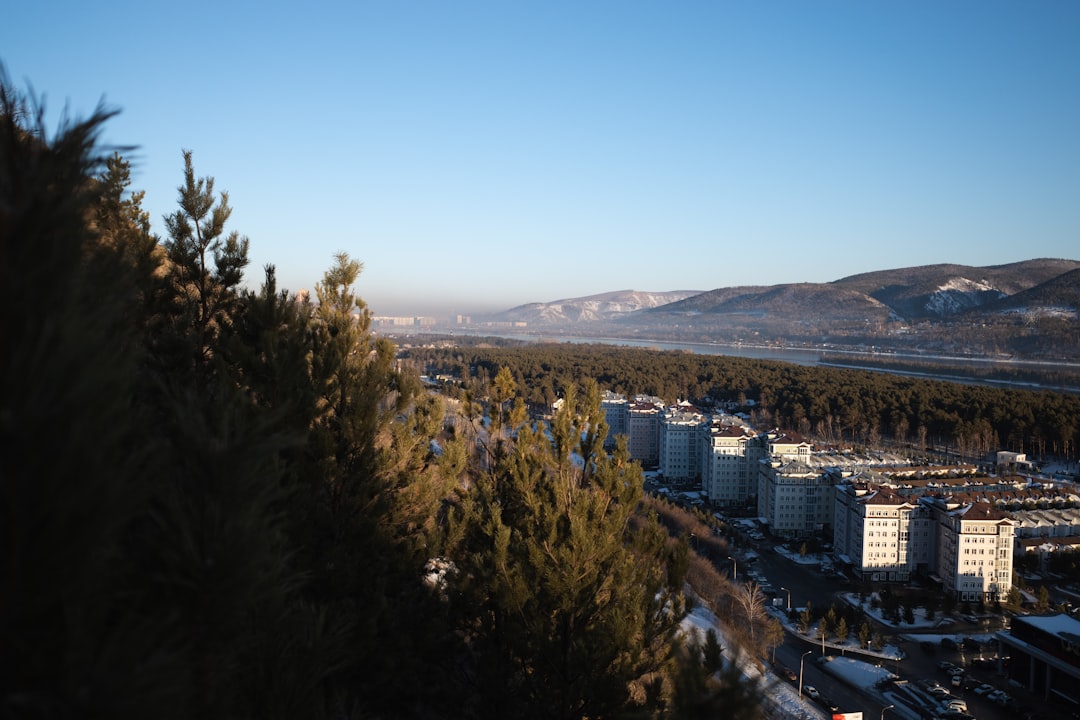
The Arctic’s vast mineral wealth and energy reserves are becoming increasingly accessible as technological breakthroughs revolutionize northern resource development. Remote sensing capabilities, autonomous mining equipment, and cold-weather infrastructure innovations have fundamentally altered the investment calculus for companies eyeing northern territories. What once required prohibitively expensive logistics and carried enormous environmental risks now presents calculated opportunities for sustainable resource extraction.
Advanced drilling technologies specifically designed for permafrost conditions have reduced operational costs by up to 40% compared to traditional methods. These innovations include specialized drilling fluids that remain stable in extreme cold, modular equipment that can be rapidly deployed via ice roads, and automated systems that minimize the need for permanent human presence in harsh environments. The convergence of these technologies has opened previously inaccessible deposits across Alaska, northern Canada, Greenland, and Siberia to commercial viability.
Investment patterns in northern resource development reflect growing confidence in both technological capabilities and regulatory frameworks. Mining companies are allocating larger portions of their exploration budgets to northern projects, with particular emphasis on critical minerals essential for renewable energy infrastructure. Lithium, rare earth elements, and copper deposits in northern regions have attracted billions in committed capital as global demand for these materials continues expanding.
The integration of artificial intelligence and machine learning into northern operations has proven particularly transformative. Predictive maintenance systems prevent costly equipment failures in remote locations, while AI-powered geological analysis accelerates discovery timelines and improves resource estimation accuracy. These digital tools enable companies to maintain operational efficiency despite the logistical challenges inherent in northern resource development projects.
Environmental stewardship has evolved from a regulatory requirement into a competitive advantage within northern resource development. Companies deploying zero-emission mining equipment, implementing comprehensive land rehabilitation programs, and partnering with Indigenous communities are securing preferential access to permits and financing. This shift reflects both regulatory pressure and investor demand for environmentally responsible resource extraction practices.
Infrastructure development continues driving northern resource development forward, with new transportation corridors and power generation facilities reducing operational isolation. The completion of several all-weather roads connecting previously seasonal mining operations has extended operational windows and improved supply chain reliability. Similarly, small modular reactor technology promises to provide reliable, carbon-free power to remote mining operations, further improving project economics.
International cooperation frameworks are facilitating cross-border northern resource development initiatives, particularly in the Arctic Council member nations. Shared research programs, standardized environmental protocols, and coordinated infrastructure planning are reducing individual project risks while maximizing collective benefits. These collaborative approaches have proven especially valuable for managing trans-boundary mineral deposits and coordinating shipping routes through Arctic waterways.
The outlook for northern resource development remains robust as technological capabilities continue advancing and global demand for northern minerals intensifies. Companies that successfully integrate cutting-edge extraction technologies with sustainable operational practices are positioning themselves to capitalize on the Arctic’s resource potential while meeting evolving environmental and social expectations. This technological evolution, combined with strategic investment allocation, suggests northern resource development will play an increasingly significant role in global commodity markets throughout the remainder of the decade.