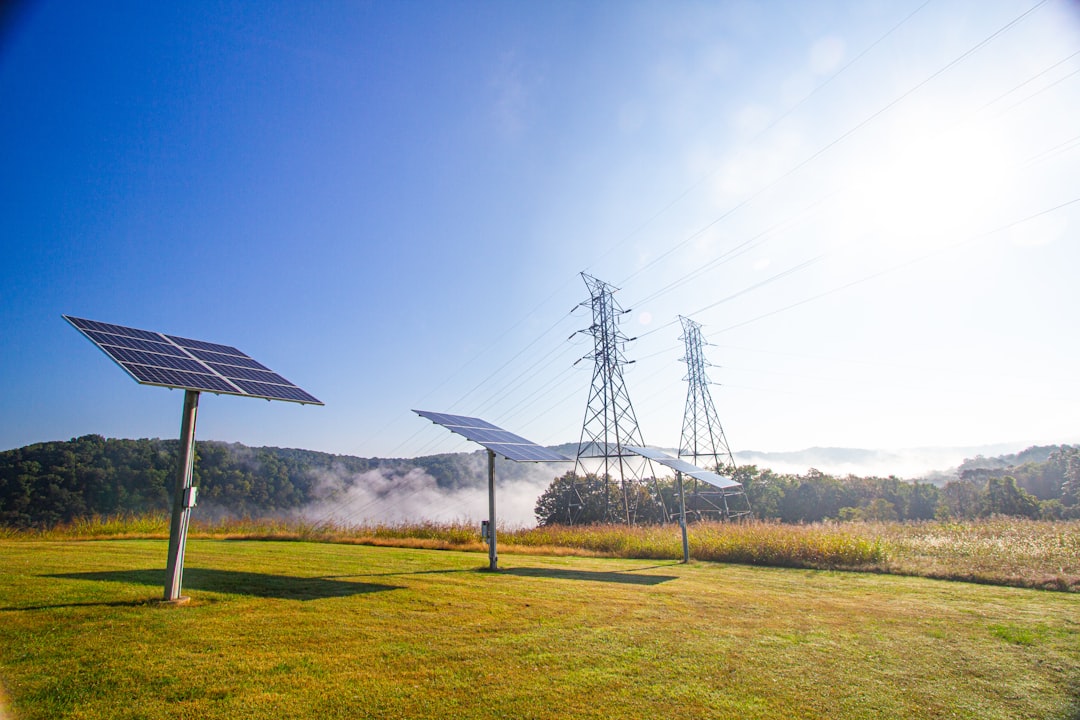
Canada stands at the precipice of an energy revolution that promises to reshape its economic landscape for decades to come. With unprecedented government backing, world-class natural resources, and a rapidly evolving global energy market, the nation’s clean energy transition play has emerged as one of the most compelling investment themes of this decade.
The numbers tell a remarkable story. Federal commitments now exceed $15 billion specifically earmarked for clean energy infrastructure, critical mineral development, and green technology manufacturing. This represents the largest peacetime industrial policy initiative in Canadian history, signaling a fundamental shift in how the country views its energy future. The Investment Tax Credits alone, covering everything from clean electricity generation to carbon capture technologies, provide up to 30% cost offsets for qualifying projects.
What sets Canada apart in the global clean energy transition play is its unique combination of abundant renewable resources and critical mineral deposits. The country possesses nearly 60% of the world’s known lithium reserves, substantial cobalt and nickel deposits essential for battery production, and rare earth elements crucial for wind turbines and solar panels. This geological advantage positions Canada not merely as an energy producer, but as a complete supply chain solution for the clean energy economy.
Hydroelectric power already generates over 60% of Canada’s electricity, providing a clean baseload that most countries can only dream of achieving. This existing infrastructure creates immediate opportunities for industrial electrification and positions Canadian manufacturers to offer genuinely low-carbon products to global markets increasingly focused on supply chain emissions.
The investment momentum is building rapidly across multiple sectors. Battery manufacturing facilities are being announced at an unprecedented pace, with major automotive partnerships bringing billions in foreign direct investment. Companies like Northvolt and Ford are establishing Canadian operations specifically to capitalize on the integrated clean energy transition play, from raw material extraction through final product assembly.
Provincial governments are amplifying federal initiatives with their own substantial commitments. Ontario’s battery manufacturing incentives, Quebec’s aluminum smelting electrification programs, and British Columbia’s hydrogen development initiatives collectively represent another $8 billion in public investment. This coordinated approach across government levels creates policy certainty that international investors find increasingly attractive.
The timing couldn’t be more favorable. Global demand for clean energy technologies is accelerating faster than most analysts predicted even two years ago. Corporate renewable energy procurement reached record levels, while electric vehicle adoption curves are steepening across all major markets. Supply chain diversification away from single-country dependencies has become a strategic priority for multinational corporations, creating opportunities for Canadian suppliers across the entire clean energy value chain.
Capital markets are responding accordingly. Canadian clean energy companies have accessed over $6 billion in new financing over the past eighteen months, with institutional investors showing particular appetite for projects that combine strong returns with environmental impact. The establishment of Canada Growth Fund as a $15 billion investment vehicle specifically targeting the clean energy transition play provides additional validation and capital availability for scaling technologies and projects.
Infrastructure development is accelerating to support this transition. Major transmission line projects are connecting remote renewable resources to population centers, while port facilities are being upgraded to handle increased mineral exports and equipment imports. The Canada Infrastructure Bank has committed over $3 billion specifically to clean energy and critical mineral projects, demonstrating long-term government commitment to building the necessary foundations.
International partnerships are creating additional momentum. The Canada-U.S. critical minerals agreement provides preferential access to American markets, while partnerships with European allies are opening new export opportunities for Canadian clean energy technologies and materials. These relationships reduce market risk and provide scale opportunities that domestic demand alone cannot support.
The competitive advantages extend beyond resources and government support. Canada’s highly skilled workforce, established energy sector expertise, and robust financial markets create an ecosystem capable of supporting rapid scaled deployment of clean energy technologies. Universities are graduating record numbers of engineers and technicians specifically trained for renewable energy careers, addressing potential skill shortages before they become constraints.
For investors seeking exposure to transformational economic shifts, Canada’s clean energy transition play offers a rare combination of government backing, resource advantages, and market timing that may not be replicated elsewhere. The convergence of policy support, natural advantages, and global demand creates an investment environment where multiple tailwinds are aligned simultaneously, suggesting this theme will continue gaining momentum throughout the remainder of this decade and beyond.