Canada renewable energy

Surging Potash Market Signals Transform Canada’s Clean Energy Landscape

Canada’s clean energy revolution has found an unexpected catalyst in the agricultural sector, as the potash market signal continues to drive unprecedented investment in sustainable technologies and renewable energy infrastructure. This powerful market dynamic is reshaping how the country approaches both resource extraction and environmental stewardship, creating a unique pathway toward carbon neutrality.

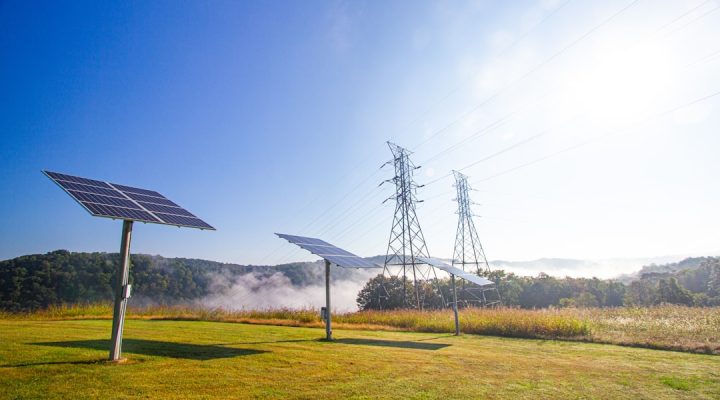
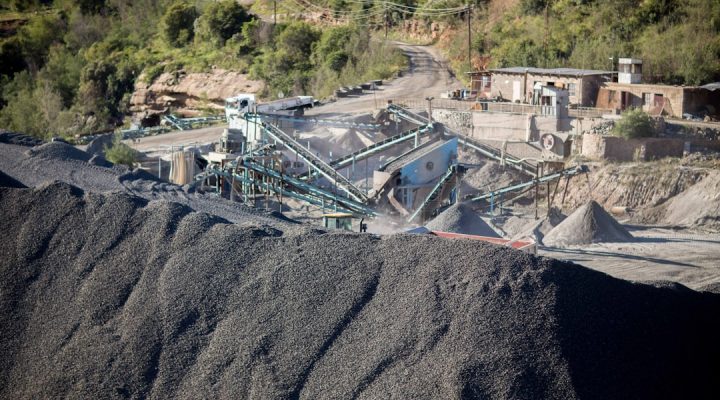
The potash market signal has become increasingly pronounced as global food security concerns intensify, pushing prices to new heights and generating substantial revenue streams for Canadian producers. Saskatchewan, home to the world’s largest potash reserves, has emerged as the epicenter of this transformation. Mining companies are reinvesting their windfall profits into cutting-edge clean energy solutions, including solar arrays, wind farms, and advanced battery storage systems that power their operations while reducing carbon footprints.

Recent developments show that major potash producers are committing billions to electrification initiatives, driven by both regulatory pressure and the compelling economics of renewable energy. The potash market signal has made these investments financially viable, as companies leverage their enhanced cash flows to fund long-term sustainability projects. This trend is particularly evident in mining operations that have integrated carbon capture technologies and renewable energy microgrids into their production processes.

The ripple effects extend far beyond individual mining operations. Communities across Saskatchewan and New Brunswick are experiencing economic revitalization as the potash market signal attracts clean technology companies and renewable energy developers to the region. Local governments are partnering with industry leaders to establish green infrastructure corridors, creating jobs in solar panel manufacturing, wind turbine maintenance, and energy storage systems.

Indigenous communities have become key stakeholders in this transformation, with several First Nations entering into partnership agreements that combine traditional land stewardship with modern clean energy development. The potash market signal has provided the financial foundation for these collaborations, enabling community-owned renewable energy projects that generate long-term revenue while respecting cultural values and environmental priorities.

Canadian pension funds and institutional investors have taken notice of this convergence between resource wealth and clean energy innovation. The potash market signal has triggered a reallocation of capital toward companies that demonstrate clear pathways from traditional resource extraction to sustainable energy production. This investor confidence is accelerating the deployment of next-generation technologies, including green hydrogen production facilities that utilize excess renewable energy from potash operations.

Government policy has evolved to support this market-driven transformation, with federal and provincial programs offering additional incentives for resource companies that integrate clean energy solutions. The potash market signal has created a favorable environment for public-private partnerships, enabling accelerated depreciation schedules for renewable energy investments and streamlined permitting processes for hybrid mining-energy projects.

The international implications are equally significant, as Canada leverages its potash market advantage to become a global leader in clean resource extraction. Export partnerships now frequently include technology transfer agreements, positioning Canadian companies to export their sustainable mining expertise alongside their agricultural products. This dual value proposition strengthens Canada’s competitive position in global markets while advancing climate objectives.

As the potash market signal continues to influence investment decisions and policy frameworks, Canada is establishing itself as a model for resource-rich nations seeking to balance economic growth with environmental responsibility. The transformation demonstrates how market forces, when properly channeled through strategic partnerships and supportive policies, can accelerate the transition to clean energy while maintaining economic prosperity. This market-driven approach to sustainability offers valuable lessons for other jurisdictions grappling with similar challenges, proving that environmental stewardship and resource development can be mutually reinforcing rather than competing priorities.

Resource Royalty Opportunities Power Canada’s Unprecedented Clean Energy Transformation

Canada’s clean energy revolution is gaining unprecedented momentum, driven by an evolving resource royalty opportunity landscape that’s attracting billions in investment capital. As the nation pivots from traditional fossil fuel dependence toward renewable energy sources, a sophisticated new framework is emerging that transforms how resource extraction royalties fund sustainable infrastructure and technological innovation.

The traditional resource royalty opportunity model, historically centered on oil, gas, and mining revenues, is experiencing a fundamental transformation. Provincial governments across Canada are redesigning royalty structures to incentivize clean energy projects while maintaining revenue streams that support public services and infrastructure development. This strategic shift is creating compelling investment opportunities for both institutional and retail investors seeking exposure to Canada’s energy transition.

British Columbia leads this transformation with innovative royalty frameworks that support geothermal energy development and carbon capture technologies. The province’s enhanced resource royalty opportunity programs have attracted over $12 billion in clean energy investments since 2024, demonstrating how policy innovation can accelerate private sector participation in sustainable energy projects. These programs offer preferential royalty rates for projects that meet stringent environmental standards and contribute to provincial emission reduction targets.

Alberta’s approach to resource royalty opportunity restructuring focuses on leveraging existing energy infrastructure for clean technology deployment. The province’s Renewable Energy Royalty Initiative provides reduced royalty rates for solar and wind projects developed on former oil and gas sites, creating a circular economy model that maximizes land use efficiency. This program has facilitated the development of over 3,000 megawatts of renewable capacity, while generating sustainable royalty revenues that support community development and environmental restoration programs.

Critical mineral extraction represents another dimension of Canada’s evolving resource royalty opportunity ecosystem. With the global demand for lithium, cobalt, and rare earth elements surging due to electric vehicle adoption and renewable energy storage requirements, Canadian provinces are implementing specialized royalty frameworks that balance extraction economics with environmental stewardship. These frameworks incorporate sustainability metrics into royalty calculations, rewarding mining operations that demonstrate superior environmental performance and community engagement.

The financial markets have responded enthusiastically to these developments, with resource royalty opportunity investments becoming increasingly sophisticated. Specialized investment vehicles now offer exposure to diversified portfolios of clean energy royalties, providing investors with steady cash flows tied to Canada’s energy transition. These investments typically generate yields ranging from 4% to 8% annually, with potential for capital appreciation as clean energy projects scale and mature.

Indigenous partnerships have become central to successful resource royalty opportunity structures across Canada. Recent agreements between First Nations communities and energy developers have established co-ownership models that share both project risks and royalty revenues. These partnerships not only ensure equitable benefit distribution but also leverage Indigenous knowledge systems that enhance project sustainability and community acceptance.

Technology integration is revolutionizing how resource royalty opportunity investments are managed and monitored. Blockchain-based platforms now provide transparent, real-time tracking of royalty payments and project performance metrics, while artificial intelligence systems optimize resource extraction and energy production to maximize both environmental performance and financial returns. These technological advances are reducing administrative costs and improving investor confidence in clean energy royalty investments.

Federal government policy support continues to strengthen the resource royalty opportunity landscape through targeted tax incentives and regulatory frameworks that prioritize clean energy development. The Clean Technology Investment Tax Credit program provides additional financial incentives for projects that participate in provincial royalty programs, creating compound benefits for investors and developers committed to sustainable energy solutions.

As Canada advances toward its net-zero emissions commitments, the resource royalty opportunity sector represents a critical bridge between traditional resource economics and sustainable energy futures. This transformation is creating wealth for investors while funding the infrastructure and technology necessary for long-term environmental sustainability. The convergence of policy innovation, market demand, and technological advancement positions Canada’s resource royalty opportunity market as a global leader in clean energy finance, offering compelling returns while supporting the nation’s ambitious climate goals.

Smart Investors Are Eyeing Canada’s Clean Energy Transition as the Decade’s Most Promising Investment Opportunity

Canada stands at the precipice of an unprecedented investment opportunity that could reshape portfolios and generate substantial returns for decades to come. The nation’s clean energy transition play has evolved from a speculative venture into a cornerstone investment theme backed by government policy, technological advancement, and an undeniable shift in global energy demand.

The numbers tell a compelling story. Canada’s federal government has committed over $15 billion in clean energy investments through various programs, while provincial governments have added billions more in incentives and infrastructure spending. This massive capital injection has created a fertile environment for both public and private investments, with early movers already capturing significant gains across multiple sectors including renewable energy generation, battery technology, and green infrastructure development.

What makes Canada’s clean energy transition play particularly attractive is the nation’s unique geographical and resource advantages. With the world’s third-largest oil reserves, Canada possesses the infrastructure and expertise to leverage existing energy corridors for renewable projects. The country’s vast landmass offers exceptional wind and solar potential, while its abundant freshwater resources provide hydroelectric opportunities that remain largely untapped in many regions.

The investment landscape has matured considerably, moving beyond speculative green technology stocks to encompass established utilities, infrastructure projects, and industrial companies pivoting their operations. Major pension funds, including the Canada Pension Plan Investment Board, have allocated significant portions of their portfolios to clean energy assets, signaling institutional confidence in long-term returns. These sophisticated investors recognize that the clean energy transition play represents not just environmental necessity, but economic inevitability.

Technology costs have reached inflection points that make renewable projects financially competitive without subsidies in many markets. Solar panel costs have declined by over 80% in the past decade, while wind turbine efficiency has improved dramatically. Battery storage technology, crucial for grid stability and electric vehicle adoption, has seen similar cost reductions and performance improvements. These technological advances have transformed speculative investments into calculable returns with predictable cash flows.

Corporate Canada has embraced the transition with remarkable speed. Major mining companies are electrifying operations and developing critical mineral resources essential for battery production. Traditional energy companies are diversifying into renewable generation and carbon capture technologies. Even sectors seemingly unrelated to energy, such as agriculture and manufacturing, are incorporating clean energy solutions to reduce costs and meet increasingly stringent environmental standards imposed by both regulators and consumers.

The regulatory environment continues to strengthen the investment case. Carbon pricing mechanisms create tangible financial incentives for clean energy adoption, while regulations mandating emissions reductions provide guaranteed demand for clean technologies. Recent federal legislation has streamlined approval processes for major clean energy projects, reducing regulatory risk and timeline uncertainty that previously deterred institutional investors.

International factors further bolster Canada’s clean energy transition play. The United States’ massive infrastructure spending includes provisions favoring North American clean energy sources, creating natural export opportunities. European nations, increasingly focused on energy security, view Canada as a stable supplier of clean energy and critical minerals. These international partnerships provide revenue diversification and reduce dependence on domestic market conditions.

Supply chain resilience has become a critical consideration for global investors following recent disruptions. Canada’s political stability, established rule of law, and existing trade relationships position the country as a reliable alternative to more volatile regions. This stability premium commands higher valuations and attracts patient capital essential for long-term energy infrastructure development.

The investment opportunity extends beyond traditional energy sectors. Clean energy transition requires significant upgrades to electrical grids, transportation infrastructure, and industrial facilities. Companies providing these supporting services often offer more stable returns than direct energy generation, while still benefiting from the broader transition trend. Real estate investment trusts focused on industrial properties suitable for renewable energy installations have generated impressive returns as land values increase near transmission corridors and grid connection points.

Risk factors remain, but they appear manageable compared to potential returns. Commodity price volatility affects input costs for renewable projects, while interest rate changes impact the financing costs for capital-intensive investments. However, government backing, long-term power purchase agreements, and diversified revenue streams across multiple clean energy sectors help mitigate these risks for well-positioned investors.

Canada’s clean energy transition play represents more than an investment theme—it’s a fundamental economic shift that will define the nation’s competitive position for generations. Investors who recognize this transformation and position themselves accordingly stand to benefit from one of the most significant wealth creation opportunities in Canadian history, supported by policy certainty, technological maturity, and inexorable global demand for clean energy solutions.