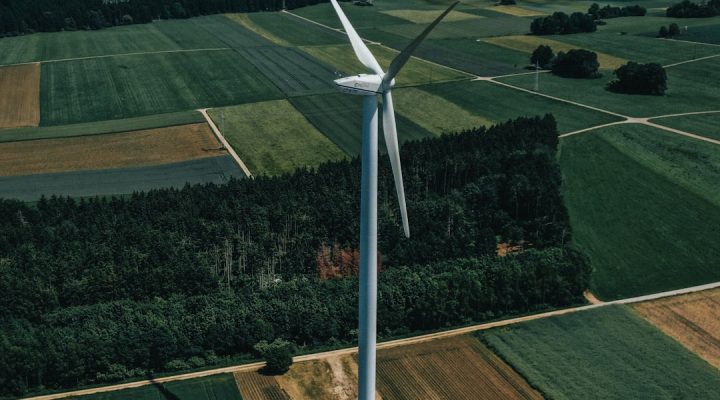
Canada has positioned itself as the world’s most compelling clean energy transition play, leveraging its unique combination of abundant natural resources, cutting-edge technology innovation, and strategic geographic advantages. As global investors increasingly seek opportunities in the evolving energy landscape, Canadian companies are delivering breakthrough solutions that address critical gaps in renewable energy infrastructure and storage technologies.
The nation’s approach to clean energy transformation extends far beyond traditional renewable power generation. Canadian innovators are developing advanced battery technologies using domestically sourced lithium, cobalt, and rare earth elements, creating a vertically integrated supply chain that reduces dependence on foreign materials. This strategic advantage makes Canada an attractive clean energy transition play for institutional investors seeking long-term exposure to the sector’s growth.
Mining companies across the country have successfully pivoted their operations to support clean energy infrastructure. Traditional resource extraction firms now focus on critical minerals essential for solar panels, wind turbines, and energy storage systems. Quebec’s hydroelectric expertise has evolved into sophisticated grid management solutions that optimize renewable energy distribution across North America. These developments showcase how established Canadian industries are reinventing themselves to capture clean energy opportunities.
Technology startups from Vancouver to Halifax are attracting significant venture capital funding for innovative solutions addressing energy transition challenges. Notable breakthroughs include next-generation carbon capture systems that can be retrofitted to existing industrial facilities, advanced geothermal technologies that unlock previously inaccessible energy sources, and artificial intelligence platforms that predict and manage renewable energy output with unprecedented accuracy. These innovations position Canadian tech companies at the forefront of global clean energy markets.
Government policy support has accelerated private sector investment in clean energy infrastructure. Federal tax incentives for clean technology research and development, combined with provincial initiatives supporting renewable energy projects, have created a favorable investment climate. The Canadian government’s commitment to achieving net-zero emissions has provided market certainty that encourages long-term capital allocation to clean energy ventures.
International partnerships are amplifying Canada’s influence in the global clean energy transition play. Strategic alliances with European Union countries seeking energy security have opened new export markets for Canadian renewable energy technologies and resources. Collaboration agreements with Asian manufacturers have established Canadian companies as preferred suppliers of critical minerals and components for clean energy systems worldwide.
The financial performance of Canadian clean energy companies demonstrates the sector’s maturation from speculative investments to profitable enterprises. Revenue growth across the industry has consistently outpaced traditional energy sectors, while cost reductions in renewable energy technologies have improved project economics. Institutional investors are recognizing Canadian clean energy assets as essential portfolio components that provide both growth potential and inflation protection.
Regional specialization has emerged as a key strength of Canada’s clean energy ecosystem. Atlantic provinces excel in offshore wind development, leveraging maritime expertise and favorable wind resources. Western provinces focus on solar energy integration and energy storage solutions, while Ontario’s manufacturing base produces components for renewable energy systems. This geographic diversification reduces risk and creates multiple pathways for investor participation in the clean energy transition.
As global energy markets continue their fundamental transformation, Canada’s comprehensive approach to clean energy innovation positions the nation as an indispensable partner for countries and companies navigating the transition. The combination of natural resource abundance, technological innovation, and supportive policy frameworks creates a sustainable competitive advantage that extends far beyond current market cycles. For investors seeking exposure to long-term clean energy growth, Canadian opportunities represent the most compelling clean energy transition play available in today’s market, offering both immediate returns and strategic positioning for the decade ahead.