sustainable investing

Inside Canada’s Renewable Revolution That’s Reshaping North America’s Energy Landscape

Canada’s renewable energy sector has emerged as one of the most compelling investment narratives in North America, fundamentally transforming how the nation generates, distributes, and consumes power. This clean energy transition play represents far more than environmental policy—it’s a comprehensive economic strategy that’s positioning Canada as a global leader in sustainable energy production while creating unprecedented opportunities for growth and innovation.

The numbers tell a remarkable story. Canada’s renewable energy capacity has surged to over 68% of total electricity generation, with hydroelectric power leading the charge at approximately 60%, followed by rapidly expanding wind and solar installations. This massive shift represents the largest clean energy transition play in Canadian history, driven by federal investments exceeding $15 billion in renewable infrastructure and provincial commitments that total another $8 billion across the country.

What makes Canada’s approach particularly compelling is its integrated strategy that combines abundant natural resources with cutting-edge technology. The country’s vast hydroelectric potential, combined with some of the world’s best wind resources along its extensive coastlines and prairie regions, creates a unique foundation for this clean energy transition play. Major projects like the 695-megawatt Keeyask Generating Station in Manitoba and the 300-megawatt Travers Solar Project in Alberta demonstrate the scale and ambition driving this transformation.

The economic implications extend far beyond energy production. Canada’s clean energy transition play is creating a new industrial ecosystem that includes advanced manufacturing, energy storage solutions, and grid modernization technologies. Companies like Northland Power and Canadian Solar have become major players in international markets, exporting Canadian expertise and technology worldwide. This has translated into over 430,000 jobs directly tied to clean energy sectors, with provinces like Ontario, Quebec, and British Columbia emerging as renewable energy innovation hubs.

Grid modernization represents another critical component of this transformation. Canada is investing heavily in smart grid technologies and energy storage systems that enable better integration of variable renewable sources like wind and solar. The country’s approach to grid flexibility has become a model for other nations grappling with similar challenges. Battery storage capacity has increased by over 400% in the past three years, while advanced grid management systems are enabling more efficient distribution of clean power across vast distances.

International partnerships are amplifying Canada’s clean energy transition play beyond domestic borders. The country has emerged as a preferred partner for clean energy projects throughout North America, with cross-border transmission lines carrying Canadian renewable power to markets in the United States. These partnerships not only generate revenue but also strengthen Canada’s position as a reliable supplier of clean energy to continental markets experiencing their own transitions away from fossil fuels.

The technological innovation emerging from this transition is particularly noteworthy. Canadian companies are developing advanced solutions in areas like offshore wind technology, enhanced geothermal systems, and next-generation photovoltaic cells. Research institutions across the country are collaborating with private industry to push the boundaries of renewable energy efficiency and cost-effectiveness. This innovation ecosystem is attracting significant international investment, with global energy companies establishing Canadian operations to access local expertise and market opportunities.

Perhaps most significantly, Canada’s clean energy transition play is reshaping the country’s economic geography. Rural communities that previously depended on resource extraction are finding new opportunities in renewable energy development. Wind farms in Saskatchewan, solar installations in Ontario, and tidal energy projects in the Maritimes are bringing economic revitalization to regions across the country. This geographic diversification of energy production is creating more resilient local economies while reducing dependence on volatile commodity markets.

The momentum behind Canada’s renewable energy transformation shows no signs of slowing. With continued federal support, advancing technology costs, and growing international demand for clean energy, this clean energy transition play represents one of the defining economic trends of the current decade. For investors, policymakers, and communities across Canada, the renewable revolution isn’t just changing how the country powers itself—it’s fundamentally reshaping Canada’s economic future and its role in the global clean energy economy.
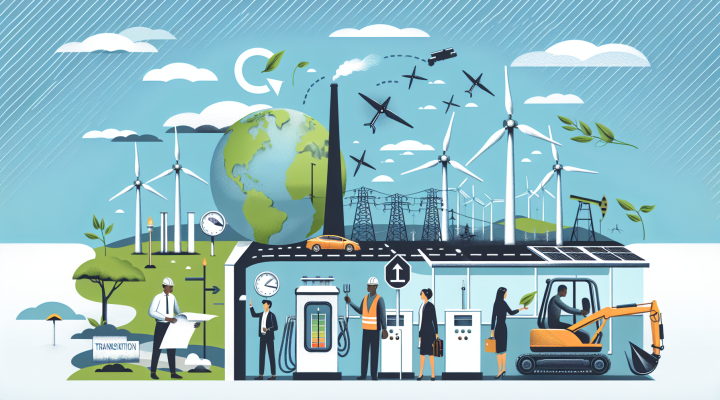
Smart Investors Target the Clean Energy Transition Play as Technology Costs Plummet

The global energy landscape is experiencing its most dramatic transformation in over a century, creating unprecedented opportunities for investors who understand the clean energy transition play. With renewable energy costs plummeting by 85% over the past decade and storage technology advancing at breakneck speed, the economic fundamentals have shifted decisively in favor of clean energy investments.

Investment flows tell the story most clearly. Global clean energy investment reached $2.8 trillion last year, representing a 17% increase from the previous year and marking the fifth consecutive year of record-breaking funding. This massive capital deployment reflects not just environmental consciousness, but hard economic reality. Solar photovoltaic installations now generate electricity at costs below $0.05 per kilowatt-hour in optimal locations, making them the cheapest source of power in human history.

The clean energy transition play extends far beyond traditional renewable generation, encompassing a complex ecosystem of enabling technologies and critical resources. Battery storage capacity has expanded exponentially, with lithium-ion battery costs falling 89% since 2010. Grid-scale storage projects are now economically viable without subsidies in most developed markets, solving the intermittency challenge that once limited renewable deployment. Advanced power electronics, smart grid infrastructure, and artificial intelligence-driven energy management systems are creating new investment categories that didn’t exist a decade ago.

Critical mineral resources represent perhaps the most compelling aspect of the current clean energy transition play. Lithium demand has increased 300% since 2020, while copper requirements for renewable installations are driving unprecedented exploration activity. Rare earth elements, essential for permanent magnet generators in wind turbines, have become geopolitically strategic assets. Mining companies with exposure to these materials have seen their valuations triple, yet many analysts believe current prices still undervalue long-term demand projections.

Technology innovation continues accelerating across multiple fronts. Perovskite solar cells promise to push photovoltaic efficiency beyond 30% while reducing manufacturing costs. Solid-state battery technology could revolutionize energy storage with 2-3 times higher energy density than current lithium-ion systems. Green hydrogen production through electrolysis is approaching cost competitiveness with fossil fuel-derived hydrogen, opening massive markets in steel production, shipping, and long-duration energy storage.

Government policy frameworks are providing unprecedented support and regulatory certainty. The United States’ Infrastructure Investment Act allocated $370 billion specifically for clean energy initiatives, while the European Union’s Green Deal represents a €1 trillion investment commitment over the next decade. China continues expanding its manufacturing dominance in solar panels, wind turbines, and batteries, creating both opportunities and competitive challenges for Western investors.

Corporate procurement is driving demand independent of government mandates. Over 400 major corporations have committed to 100% renewable electricity consumption, representing more than 500 terawatt-hours of annual demand. These long-term purchase agreements provide revenue stability that makes clean energy projects highly attractive to institutional investors seeking predictable returns.

Supply chain considerations are reshaping investment strategies within the clean energy transition play. Recent geopolitical tensions have highlighted vulnerabilities in concentrated manufacturing, particularly for solar panels and battery components. This is creating opportunities for diversified production capabilities and domestic manufacturing initiatives in key markets. Companies that can establish resilient, geographically distributed supply chains are commanding premium valuations.

The financial sector itself is being transformed by clean energy investment flows. Green bonds outstanding now exceed $500 billion globally, while Environmental, Social, and Governance (ESG) investment funds manage over $35 trillion in assets. This massive capital pool is actively seeking clean energy transition play opportunities, creating favorable financing conditions for qualified projects and companies.

Looking ahead, the convergence of falling technology costs, supportive policies, corporate demand, and abundant capital suggests the clean energy transition play represents one of the most significant investment themes of this decade. Investors who position themselves strategically across the technology stack, from raw materials through manufacturing to deployment and operation, stand to benefit from what may be the largest economic transformation since the industrial revolution. The question is no longer whether the clean energy transition will occur, but how quickly, and which investors will capture the most value from this historic shift.

Canada’s Clean Energy Transition Play Transforms North America’s Power Landscape

Canada’s ambitious clean energy transition play has emerged as one of North America’s most compelling investment opportunities, fundamentally reshaping how the continent generates, distributes, and consumes electricity. With over 68% of its electricity already coming from renewable sources, Canada stands uniquely positioned to accelerate its clean energy transformation while creating substantial economic value across multiple sectors.

The nation’s strategic approach combines vast natural resources, supportive government policies, and growing private sector engagement to create a comprehensive clean energy ecosystem. This transition extends far beyond simple renewable energy adoption, encompassing grid modernization, energy storage innovation, and cross-border power trading arrangements that position Canada as North America’s clean energy powerhouse.

Massive Infrastructure Investments Fuel Growth

Canada’s clean energy transition play has attracted unprecedented capital investment, with over $15 billion committed to renewable energy projects in the past two years alone. Major hydroelectric developments in Quebec and British Columbia are expanding capacity by 8,000 MW, while wind and solar installations across the Prairie provinces have increased by 45% since 2024.

The federal government’s accelerated capital cost allowance program enables businesses to immediately expense the full cost of clean energy equipment, creating powerful incentives for private sector participation. Provincial utilities are simultaneously investing in smart grid technologies and energy storage systems, with Alberta and Ontario leading in battery storage deployments that enhance grid stability and renewable energy integration.

Cross-Border Energy Trading Creates New Revenue Streams

Strategic partnerships with U.S. utilities have transformed Canada’s clean energy transition play into a continental opportunity. New transmission lines connecting hydroelectric-rich provinces with energy-hungry American markets generate billions in annual revenue while reducing carbon emissions across North America.

The recently completed Great Northern Transmission Line enables Manitoba to export 1,000 MW of clean hydroelectric power to Minnesota, while similar projects in Quebec serve New York and New England markets. These cross-border arrangements provide stable, long-term revenue streams that support continued investment in renewable energy infrastructure while strengthening North American energy security.

Innovation Hubs Drive Technological Advancement

Canada’s clean energy transition play benefits significantly from world-class research and development capabilities concentrated in major urban centers. Toronto’s MaRS Discovery District houses over 200 cleantech companies developing next-generation energy storage, smart grid, and renewable energy technologies.

Vancouver’s cleantech sector has grown by 35% in recent years, focusing on hydrogen production, carbon capture, and advanced materials for renewable energy applications. Government-supported innovation programs provide crucial funding for early-stage technologies, while established companies like Ballard Power Systems and Canadian Solar maintain global leadership positions in fuel cells and photovoltaic manufacturing.

Economic Benefits Extend Across Multiple Sectors

The ripple effects of Canada’s clean energy transition play create value far beyond the energy sector itself. Manufacturing provinces like Ontario have attracted electric vehicle battery plants and renewable energy component factories, generating thousands of high-paying jobs while strengthening domestic supply chains.

Resource-rich regions are leveraging clean electricity to power carbon-neutral mining and processing operations, creating “green premium” products for global markets. The aluminum industry in Quebec and British Columbia particularly benefits from abundant hydroelectric power, producing some of the world’s lowest-carbon aluminum for aerospace and automotive applications.

Canada’s clean energy transition play represents more than an environmental initiative—it’s a comprehensive economic strategy that leverages the country’s natural advantages to create lasting prosperity. With supportive policies, abundant resources, and growing market demand for clean energy solutions, Canada is well-positioned to maintain its leadership role in North America’s energy transformation while generating substantial returns for investors and communities nationwide.

Smart Investors Discover the Technology-Resource Investment Connection That’s Reshaping Modern Portfolios

The convergence of advanced technology and natural resource extraction has created an unprecedented investment landscape that sophisticated investors are beginning to recognize. As artificial intelligence, automation, and precision mining techniques revolutionize how resources are discovered, extracted, and processed, the traditional resource royalty opportunity has evolved into something far more dynamic and profitable than many realize.

Modern resource royalty investments now benefit from technological innovations that have dramatically improved operational efficiency and reduced extraction costs. Companies utilizing satellite imaging, machine learning algorithms, and automated drilling systems are achieving higher yields with lower environmental impact, making their royalty streams more valuable and sustainable. This technological integration has transformed what was once a cyclical, commodity-dependent sector into a more stable and predictable investment vehicle.

The digital transformation of resource extraction has particularly benefited royalty holders because technology improvements directly translate to increased production volumes and extended mine life. Advanced geological modeling software can now identify previously overlooked deposits within existing claims, while precision extraction techniques maximize resource recovery rates. These improvements mean that each resource royalty opportunity generates higher cash flows over longer periods, fundamentally changing the investment calculus for portfolio managers.

Artificial intelligence has emerged as a game-changer in resource exploration and development. Machine learning algorithms can process vast datasets from geological surveys, historical production data, and real-time sensor information to optimize extraction patterns and predict equipment maintenance needs. This predictive capability reduces operational downtime and maximizes resource recovery, directly benefiting royalty investors who receive payments based on production volumes or revenues.

The integration of renewable energy sources into resource extraction operations represents another significant development reshaping the investment outlook. Solar and wind power installations at remote mining sites have reduced energy costs and improved operational sustainability, addressing environmental concerns while enhancing profitability. This shift toward cleaner operations makes resource companies more attractive to institutional investors and helps secure long-term financing for expansion projects.

Environmental, social, and governance considerations have become central to evaluating any resource royalty opportunity in the current market. Companies that embrace sustainable practices, community engagement, and transparent governance structures are attracting premium valuations and investor interest. Technology plays a crucial role in achieving these ESG objectives through improved monitoring systems, reduced waste generation, and more efficient resource utilization.

The emergence of battery metals and rare earth elements as critical components of the technology sector has created new categories of high-value resource investments. Lithium, cobalt, nickel, and rare earth deposits command premium pricing due to increasing demand from electric vehicle manufacturers, renewable energy systems, and consumer electronics. Investors focusing on royalties tied to these strategic materials are positioning themselves at the intersection of technological advancement and resource scarcity.

Geographic diversification within resource royalty portfolios has become more accessible through technology-enabled exploration in previously inaccessible regions. Satellite imagery and remote sensing technologies have opened new frontiers for resource discovery, while improved logistics and communication systems make development of remote deposits commercially viable. This expanded geographic scope provides investors with enhanced diversification opportunities and exposure to untapped resource potential.

The financial technology sector has also contributed to improving resource royalty investments through better data analytics, transparent reporting systems, and more efficient payment processing. Blockchain technology is being explored for royalty payment verification and contract management, while digital platforms provide real-time access to production data and financial performance metrics. These innovations increase transparency and reduce administrative costs associated with royalty management.

Market dynamics indicate that the resource royalty opportunity landscape will continue evolving as technology advances and global resource demands shift. The transition to renewable energy systems, electrification of transportation, and digitalization of industrial processes are creating sustained demand for specific minerals and metals. Investors who understand these technological trends and their resource implications are better positioned to identify compelling royalty investment opportunities that align with long-term economic and environmental objectives.

Smart Investors Discover How Canada’s Clean Energy Transition Play Is Reshaping North American Power Markets

Canada stands at the forefront of a remarkable transformation that’s capturing global attention and billions in investment dollars. The nation’s clean energy transition play has evolved from an environmental aspiration into a powerful economic engine, fundamentally reshaping how North America generates, distributes, and consumes power.

The numbers tell a compelling story of unprecedented momentum. Canadian clean energy investments reached $15.8 billion in the past year alone, with wind and solar projects accounting for nearly 60% of new electricity generation capacity. This surge reflects not just government policy initiatives, but a fundamental shift in market dynamics that makes renewable energy the most economically attractive option for power generation across most of the country.

What makes Canada’s clean energy transition play particularly compelling is its unique geographical and resource advantages. The country’s vast landmass offers exceptional wind resources along its coastlines and prairie provinces, while abundant hydroelectric potential in Quebec, British Columbia, and Newfoundland provides a stable baseload foundation. This natural endowment creates opportunities for energy export that extend far beyond domestic consumption, positioning Canada as a potential clean energy superpower for the entire continent.

The economic ripple effects extend well beyond power generation. Manufacturing sectors are experiencing a renaissance as companies seek to establish operations near abundant clean electricity sources. Battery manufacturing facilities, hydrogen production plants, and electric vehicle assembly lines are sprouting across provinces that have embraced aggressive renewable energy targets. This industrial migration creates a virtuous cycle where clean energy infrastructure attracts manufacturing, which in turn drives demand for more clean power capacity.

Provincial governments have recognized the strategic importance of this clean energy transition play and are competing fiercely to attract investment. Alberta, traditionally known for oil sands production, has emerged as an unexpected renewable energy leader, adding more solar and wind capacity than any other province in recent years. Ontario’s focus on nuclear modernization and grid-scale battery storage creates a complementary approach that emphasizes reliability alongside environmental benefits.

The financial markets have taken notice of these developments with remarkable enthusiasm. Clean energy stocks on Canadian exchanges have outperformed traditional energy sectors by substantial margins, while pension funds and institutional investors are allocating increasing portions of their portfolios to renewable infrastructure projects. The predictable, long-term revenue streams from wind and solar installations appeal to investors seeking stable returns in an uncertain economic environment.

International partnerships are amplifying Canada’s clean energy transition play beyond its borders. Cross-border transmission projects with the United States are enabling Canadian provinces to export clean electricity to American markets hungry for renewable power. These connections create revenue opportunities that help justify even larger renewable energy investments while supporting climate goals on both sides of the border.

Technology innovation continues to drive costs down and efficiency up across the clean energy sector. Advanced wind turbines designed specifically for Canadian climate conditions are generating power at capacity factors previously thought impossible. Meanwhile, improvements in energy storage technology are addressing intermittency concerns that once limited renewable energy deployment in regions with less consistent wind and solar resources.

The workforce implications of Canada’s clean energy transition play are equally significant. Traditional energy workers are finding new opportunities in renewable project construction and maintenance, while universities and technical colleges are expanding programs to train the next generation of clean energy professionals. This human capital development ensures that the benefits of the energy transition are shared broadly across communities that might otherwise be left behind.

Looking ahead, the momentum behind Canada’s clean energy transition play appears unstoppable. Federal and provincial policies continue to support renewable energy development through tax incentives, streamlined permitting processes, and direct investment programs. Meanwhile, corporate procurement of clean energy is accelerating as businesses seek to meet sustainability commitments and hedge against volatile fossil fuel prices. This convergence of policy support, economic incentives, and market demand creates an environment where Canada’s clean energy future isn’t just probable—it’s inevitable and extraordinarily promising for investors, workers, and communities across the nation.

Smart Investors Are Eyeing Canada’s Clean Energy Transition as the Decade’s Most Promising Investment Opportunity

Canada stands at the precipice of an unprecedented investment opportunity that could reshape portfolios and generate substantial returns for decades to come. The nation’s clean energy transition play has evolved from a speculative venture into a cornerstone investment theme backed by government policy, technological advancement, and an undeniable shift in global energy demand.

The numbers tell a compelling story. Canada’s federal government has committed over $15 billion in clean energy investments through various programs, while provincial governments have added billions more in incentives and infrastructure spending. This massive capital injection has created a fertile environment for both public and private investments, with early movers already capturing significant gains across multiple sectors including renewable energy generation, battery technology, and green infrastructure development.

What makes Canada’s clean energy transition play particularly attractive is the nation’s unique geographical and resource advantages. With the world’s third-largest oil reserves, Canada possesses the infrastructure and expertise to leverage existing energy corridors for renewable projects. The country’s vast landmass offers exceptional wind and solar potential, while its abundant freshwater resources provide hydroelectric opportunities that remain largely untapped in many regions.

The investment landscape has matured considerably, moving beyond speculative green technology stocks to encompass established utilities, infrastructure projects, and industrial companies pivoting their operations. Major pension funds, including the Canada Pension Plan Investment Board, have allocated significant portions of their portfolios to clean energy assets, signaling institutional confidence in long-term returns. These sophisticated investors recognize that the clean energy transition play represents not just environmental necessity, but economic inevitability.

Technology costs have reached inflection points that make renewable projects financially competitive without subsidies in many markets. Solar panel costs have declined by over 80% in the past decade, while wind turbine efficiency has improved dramatically. Battery storage technology, crucial for grid stability and electric vehicle adoption, has seen similar cost reductions and performance improvements. These technological advances have transformed speculative investments into calculable returns with predictable cash flows.

Corporate Canada has embraced the transition with remarkable speed. Major mining companies are electrifying operations and developing critical mineral resources essential for battery production. Traditional energy companies are diversifying into renewable generation and carbon capture technologies. Even sectors seemingly unrelated to energy, such as agriculture and manufacturing, are incorporating clean energy solutions to reduce costs and meet increasingly stringent environmental standards imposed by both regulators and consumers.

The regulatory environment continues to strengthen the investment case. Carbon pricing mechanisms create tangible financial incentives for clean energy adoption, while regulations mandating emissions reductions provide guaranteed demand for clean technologies. Recent federal legislation has streamlined approval processes for major clean energy projects, reducing regulatory risk and timeline uncertainty that previously deterred institutional investors.

International factors further bolster Canada’s clean energy transition play. The United States’ massive infrastructure spending includes provisions favoring North American clean energy sources, creating natural export opportunities. European nations, increasingly focused on energy security, view Canada as a stable supplier of clean energy and critical minerals. These international partnerships provide revenue diversification and reduce dependence on domestic market conditions.

Supply chain resilience has become a critical consideration for global investors following recent disruptions. Canada’s political stability, established rule of law, and existing trade relationships position the country as a reliable alternative to more volatile regions. This stability premium commands higher valuations and attracts patient capital essential for long-term energy infrastructure development.

The investment opportunity extends beyond traditional energy sectors. Clean energy transition requires significant upgrades to electrical grids, transportation infrastructure, and industrial facilities. Companies providing these supporting services often offer more stable returns than direct energy generation, while still benefiting from the broader transition trend. Real estate investment trusts focused on industrial properties suitable for renewable energy installations have generated impressive returns as land values increase near transmission corridors and grid connection points.

Risk factors remain, but they appear manageable compared to potential returns. Commodity price volatility affects input costs for renewable projects, while interest rate changes impact the financing costs for capital-intensive investments. However, government backing, long-term power purchase agreements, and diversified revenue streams across multiple clean energy sectors help mitigate these risks for well-positioned investors.

Canada’s clean energy transition play represents more than an investment theme—it’s a fundamental economic shift that will define the nation’s competitive position for generations. Investors who recognize this transformation and position themselves accordingly stand to benefit from one of the most significant wealth creation opportunities in Canadian history, supported by policy certainty, technological maturity, and inexorable global demand for clean energy solutions.