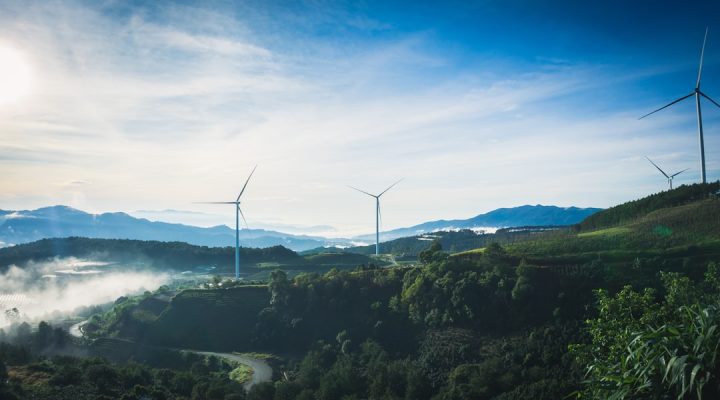
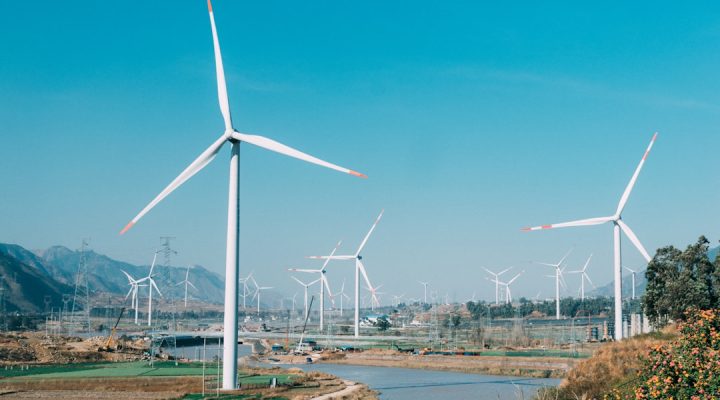
Canada clean energy

Canadian Tech Revolution Unlocks Massive Resource Royalty Opportunity for Forward-Thinking Investors

Canada’s resource sector is experiencing a technological renaissance that’s creating unprecedented investment opportunities. As artificial intelligence, automation, and clean technology converge with traditional mining and energy operations, a compelling resource royalty opportunity has emerged for investors seeking exposure to this transformative period without the operational risks of direct ownership.

The marriage of cutting-edge technology with Canada’s vast natural resource base is reshaping how companies extract, process, and distribute everything from critical minerals to renewable energy. This technological leap forward is not only improving operational efficiency but also generating substantial royalty streams that offer investors a unique way to participate in Canada’s resource boom.

Technology-Driven Efficiency Creates Enhanced Royalty Streams

Modern Canadian resource operations are leveraging breakthrough technologies that dramatically improve extraction rates and reduce operational costs. Advanced AI-powered geological modeling systems can now identify ore deposits with 90% greater accuracy than traditional methods, while autonomous mining equipment operates 24/7 with minimal human intervention. These efficiency gains translate directly into higher production volumes and more robust royalty payments.

The integration of Internet of Things (IoT) sensors throughout mining operations provides real-time data on equipment performance, environmental conditions, and resource quality. This continuous monitoring enables predictive maintenance that reduces downtime by up to 40%, ensuring consistent production flows that support stable royalty income streams. For investors evaluating a resource royalty opportunity, these technological improvements represent a fundamental shift toward more reliable and profitable operations.

Critical Minerals Drive Next-Generation Royalty Investments

Canada’s position as a global leader in critical mineral production has gained significant importance as the world transitions to clean energy technologies. The country produces substantial quantities of lithium, cobalt, rare earth elements, and other materials essential for electric vehicle batteries, solar panels, and wind turbines. This strategic advantage creates compelling royalty opportunities in sectors experiencing unprecedented demand growth.

Recent technological advances in mineral processing have unlocked previously uneconomical deposits, expanding the universe of viable royalty investments. New hydrometallurgical techniques can extract critical minerals from complex ores with 60% higher recovery rates, while environmentally friendly processing methods meet increasingly stringent regulatory requirements. These innovations are opening new revenue streams for royalty holders across multiple commodity sectors.

Clean Energy Integration Reshapes Resource Royalty Landscape

The convergence of renewable energy with traditional resource extraction is creating hybrid business models that offer diversified royalty income streams. Solar and wind installations at remote mining sites reduce energy costs while generating excess power that can be sold to regional grids. This dual-revenue approach strengthens the underlying economics of resource operations and enhances the stability of associated royalty payments.

Carbon capture and storage technologies are being implemented at major Canadian resource facilities, creating new revenue opportunities through carbon credit programs. These environmental initiatives not only improve the sustainability profile of resource operations but also generate additional income streams that can benefit royalty holders. The resource royalty opportunity in this space extends beyond traditional extraction to encompass the full spectrum of clean technology integration.

Digital Transformation Enables Sophisticated Royalty Structures

Blockchain technology and digital asset management systems are revolutionizing how resource royalties are structured, tracked, and distributed. These platforms provide unprecedented transparency in production reporting, automated royalty calculations, and real-time payment processing. Investors can now access detailed operational data and receive royalty payments with greater frequency and accuracy than ever before.

Advanced analytics platforms aggregate production data, commodity pricing, and market intelligence to provide royalty holders with comprehensive insights into their investments. Machine learning algorithms can predict production trends, identify optimization opportunities, and assess market risks, enabling more informed investment decisions. This technological infrastructure supports more sophisticated royalty agreements that can adapt to changing market conditions and operational parameters.

Canada’s resource sector stands at the intersection of technological innovation and abundant natural wealth, creating an exceptional environment for royalty investments. The combination of AI-driven operational efficiency, critical mineral demand, clean energy integration, and digital transparency is generating resource royalty opportunity structures that offer both stability and growth potential. As these technological trends continue to accelerate, investors who position themselves in Canadian resource royalties today may benefit from decades of innovation-driven returns in one of the world’s most resource-rich nations.

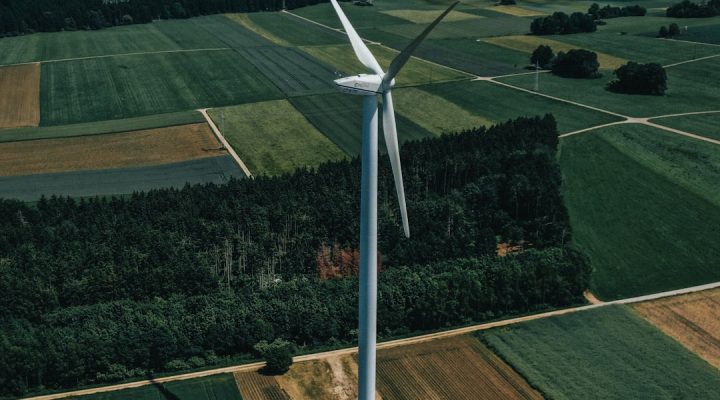
Canada’s Clean Energy Innovation Hub Attracts Global Investment as Resource Giants Transform

Canada has positioned itself as the world’s most compelling clean energy transition play, leveraging its unique combination of abundant natural resources, cutting-edge technology innovation, and strategic geographic advantages. As global investors increasingly seek opportunities in the evolving energy landscape, Canadian companies are delivering breakthrough solutions that address critical gaps in renewable energy infrastructure and storage technologies.

The nation’s approach to clean energy transformation extends far beyond traditional renewable power generation. Canadian innovators are developing advanced battery technologies using domestically sourced lithium, cobalt, and rare earth elements, creating a vertically integrated supply chain that reduces dependence on foreign materials. This strategic advantage makes Canada an attractive clean energy transition play for institutional investors seeking long-term exposure to the sector’s growth.

Mining companies across the country have successfully pivoted their operations to support clean energy infrastructure. Traditional resource extraction firms now focus on critical minerals essential for solar panels, wind turbines, and energy storage systems. Quebec’s hydroelectric expertise has evolved into sophisticated grid management solutions that optimize renewable energy distribution across North America. These developments showcase how established Canadian industries are reinventing themselves to capture clean energy opportunities.

Technology startups from Vancouver to Halifax are attracting significant venture capital funding for innovative solutions addressing energy transition challenges. Notable breakthroughs include next-generation carbon capture systems that can be retrofitted to existing industrial facilities, advanced geothermal technologies that unlock previously inaccessible energy sources, and artificial intelligence platforms that predict and manage renewable energy output with unprecedented accuracy. These innovations position Canadian tech companies at the forefront of global clean energy markets.

Government policy support has accelerated private sector investment in clean energy infrastructure. Federal tax incentives for clean technology research and development, combined with provincial initiatives supporting renewable energy projects, have created a favorable investment climate. The Canadian government’s commitment to achieving net-zero emissions has provided market certainty that encourages long-term capital allocation to clean energy ventures.

International partnerships are amplifying Canada’s influence in the global clean energy transition play. Strategic alliances with European Union countries seeking energy security have opened new export markets for Canadian renewable energy technologies and resources. Collaboration agreements with Asian manufacturers have established Canadian companies as preferred suppliers of critical minerals and components for clean energy systems worldwide.

The financial performance of Canadian clean energy companies demonstrates the sector’s maturation from speculative investments to profitable enterprises. Revenue growth across the industry has consistently outpaced traditional energy sectors, while cost reductions in renewable energy technologies have improved project economics. Institutional investors are recognizing Canadian clean energy assets as essential portfolio components that provide both growth potential and inflation protection.

Regional specialization has emerged as a key strength of Canada’s clean energy ecosystem. Atlantic provinces excel in offshore wind development, leveraging maritime expertise and favorable wind resources. Western provinces focus on solar energy integration and energy storage solutions, while Ontario’s manufacturing base produces components for renewable energy systems. This geographic diversification reduces risk and creates multiple pathways for investor participation in the clean energy transition.

As global energy markets continue their fundamental transformation, Canada’s comprehensive approach to clean energy innovation positions the nation as an indispensable partner for countries and companies navigating the transition. The combination of natural resource abundance, technological innovation, and supportive policy frameworks creates a sustainable competitive advantage that extends far beyond current market cycles. For investors seeking exposure to long-term clean energy growth, Canadian opportunities represent the most compelling clean energy transition play available in today’s market, offering both immediate returns and strategic positioning for the decade ahead.

Canada’s Tech Giants Drive the Global Clean Energy Transition Play

Canada has emerged as a powerhouse in the global clean energy transition play, leveraging its unique combination of abundant natural resources, technological innovation, and forward-thinking policies. From the oil sands of Alberta to the tech hubs of Toronto and Vancouver, Canadian companies are redefining what it means to participate in the energy transformation sweeping across the world.

The clean energy transition play in Canada represents more than just environmental stewardship—it’s become a strategic economic imperative. Canadian firms have invested over $15 billion in clean technology development since 2024, with particular strength in carbon capture, renewable energy storage, and green hydrogen production. This investment surge reflects a broader recognition that the clean energy transition play offers unprecedented opportunities for companies willing to innovate and adapt.

Technology companies across Canada have positioned themselves at the forefront of this transformation. Hydro-Québec’s recent breakthrough in solid-state battery technology has attracted international attention, while Alberta-based carbon capture startups have secured partnerships with major oil producers seeking to reduce their carbon footprint. These developments illustrate how the clean energy transition play is creating new revenue streams for companies across traditional and emerging sectors.

The resource sector, long considered a legacy industry, has become surprisingly central to Canada’s clean energy transition play. Mining companies have pivoted to focus on critical minerals like lithium, cobalt, and rare earth elements essential for renewable energy infrastructure. Meanwhile, forestry companies are exploring carbon credit markets and sustainable biomass energy production, demonstrating that traditional resource extraction can evolve within the clean energy framework.

Government support has accelerated private sector participation in the clean energy transition play. Federal tax incentives for clean technology development, combined with provincial programs supporting green infrastructure projects, have created a favorable environment for innovation. The Canada Growth Fund’s $15 billion commitment to clean energy projects has provided crucial backing for companies looking to scale their clean technology solutions.

International partnerships have further strengthened Canada’s position in the global clean energy transition play. Collaborations with European nations seeking energy security, joint ventures with Asian technology firms, and trade agreements emphasizing clean energy exports have opened new markets for Canadian innovations. These relationships highlight how the clean energy transition play extends far beyond domestic markets, creating global opportunities for Canadian companies.

The financial markets have responded enthusiastically to Canada’s clean energy transition play, with venture capital funding for cleantech startups reaching record levels. Institutional investors are increasingly directing capital toward companies demonstrating clear clean energy strategies, while public markets reward firms that successfully navigate the transition. This capital allocation trend suggests that the clean energy transition play will continue attracting significant investment flows.

Workforce development has become a critical component of sustaining Canada’s clean energy transition play. Universities across the country have launched specialized programs in renewable energy engineering, while companies invest heavily in retraining programs for workers transitioning from traditional energy sectors. This human capital investment ensures that Canada maintains its competitive advantage as the clean energy transition play evolves.

Regional differences add complexity and opportunity to Canada’s clean energy transition play. British Columbia’s hydroelectric abundance, Ontario’s nuclear expertise, Quebec’s clean electricity grid, and the Prairie provinces’ wind resources create distinct regional advantages. Companies that can leverage these geographic strengths while building national scale often achieve the most success in the clean energy transition play.

Looking ahead, Canada’s clean energy transition play appears poised for continued expansion. Emerging technologies like small modular reactors, advanced geothermal systems, and next-generation solar panels are attracting significant research and development investment. The convergence of artificial intelligence with clean energy management systems represents another frontier where Canadian companies are establishing early leadership positions.

As global demand for clean energy solutions intensifies, Canada’s unique combination of natural resources, technological capability, and innovation culture positions the country as a leader in the worldwide clean energy transition play. Companies that recognize and capitalize on this opportunity stand to benefit from what may prove to be the most significant economic transformation in generations.

Inside Canada’s Breakthrough Technologies Driving the Global Clean Energy Transition Play

Canada has emerged as an unexpected powerhouse in the global clean energy transition play, leveraging its vast natural resources, technological expertise, and strategic geographic position to become a critical player in the world’s shift toward sustainable energy systems. While many investors focus on traditional clean energy markets like solar panels and wind turbines, Canada’s unique approach combines cutting-edge technology with abundant natural resources to create a compelling investment narrative that extends far beyond conventional renewable energy plays.

The foundation of Canada’s clean energy transition play rests on three pillars: critical mineral extraction, advanced carbon capture technologies, and next-generation renewable energy systems. The country controls approximately 13% of the world’s lithium reserves, 23% of graphite deposits, and significant cobalt and nickel resources essential for battery production. This positioning has attracted over $15 billion in foreign direct investment since 2024, with major automotive and technology companies establishing supply chain partnerships to secure access to these critical materials.

Canadian companies have pioneered breakthrough carbon capture, utilization, and storage (CCUS) technologies that are reshaping how industries approach decarbonization. Shopify’s direct air capture initiatives, supported by federal tax incentives, have demonstrated commercial viability at scale, while oil sands operators have successfully implemented CCUS systems that capture over 2.3 million tonnes of CO2 annually. This technological leadership has positioned Canada as a global hub for carbon management solutions, attracting international partnerships and licensing agreements worth billions of dollars.

The renewable energy landscape in Canada extends beyond traditional wind and solar installations to include innovative geothermal projects, small modular nuclear reactors (SMRs), and hydrogen production facilities. Ontario’s SMR program has achieved significant milestones, with the first commercial units expected to come online by 2028, while Quebec’s massive hydroelectric capacity is being expanded to support green hydrogen production for export markets. These developments have created a multiplier effect, spurring growth in manufacturing, engineering services, and specialized equipment production.

What distinguishes Canada’s clean energy transition play from other markets is the integration of artificial intelligence and machine learning technologies to optimize energy systems. Toronto-based companies have developed sophisticated grid management systems that can predict and balance renewable energy output with unprecedented accuracy, reducing waste and improving reliability. These AI-powered solutions are now being exported to energy markets across North America and Europe, creating substantial revenue streams and establishing Canada as a technology leader in energy management.

The financial markets have taken notice of these developments, with the TSX Clean Technology Index outperforming broader market indices by 34% over the past eighteen months. Pension funds and institutional investors have allocated increasing portions of their portfolios to Canadian clean energy assets, recognizing the sector’s strong fundamentals and government backing. Federal and provincial governments have committed over $25 billion in support through tax credits, loan guarantees, and direct investments, providing a stable foundation for long-term growth.

Mining companies have transformed their operations to support the clean energy transition play, implementing sustainable extraction methods and establishing processing facilities for battery materials. Teck Resources and First Quantum Minerals have invested heavily in copper and nickel projects specifically designed to meet clean energy demand, while new entrants have secured exploration rights for lithium deposits in Quebec, Ontario, and the Northwest Territories. This mining renaissance has created thousands of high-paying jobs while maintaining strict environmental standards that align with clean energy principles.

International partnerships have accelerated Canada’s clean energy transition play, with agreements spanning technology transfer, resource development, and infrastructure investment. The recent partnership with Germany for hydrogen exports and the expanding relationship with Japan for critical minerals demonstrate how Canadian resources and technology are becoming integral to global clean energy supply chains. These partnerships provide revenue diversification and reduce dependence on traditional commodity markets.

The clean energy transition play in Canada represents more than an investment opportunity; it embodies a fundamental shift toward sustainable economic growth that leverages the country’s natural advantages while embracing technological innovation. As global demand for clean energy solutions continues to accelerate, Canada’s comprehensive approach positions it to capture substantial value across multiple sectors, from resource extraction to advanced manufacturing and technology services. For investors seeking exposure to the clean energy transition, Canadian companies offer a unique combination of resource security, technological leadership, and government support that is difficult to replicate in other markets.

Trillion-Dollar Opportunities Emerge as Clean Energy Transition Play Reshapes Global Investment Landscape

The global clean energy transition play has evolved from a niche investment theme into the defining economic force of our time, commanding trillions in capital allocation and fundamentally reshaping how investors approach technology and resource sectors. As governments worldwide accelerate decarbonization mandates and corporate sustainability commitments reach unprecedented scales, the investment landscape has transformed into a complex web of opportunities spanning from breakthrough battery technologies to critical mineral extraction.

Investment flows into clean energy infrastructure have reached staggering proportions, with global renewable energy investments surpassing $2.8 trillion annually. This massive capital deployment reflects not just environmental imperatives, but a recognition that the clean energy transition play represents one of the most significant wealth creation opportunities since the industrial revolution. Traditional energy companies are pivoting their entire business models, while technology giants are pouring billions into everything from advanced solar manufacturing to grid-scale energy storage solutions.

The technology dimension of this clean energy transition play encompasses breakthrough innovations that are rapidly achieving commercial viability. Next-generation battery chemistries, including solid-state and lithium-metal technologies, are approaching cost parity with traditional energy storage while offering dramatically improved performance metrics. Perovskite solar cells promise to push photovoltaic efficiency beyond 40%, while floating offshore wind platforms are unlocking vast oceanic energy resources previously considered inaccessible.

Artificial intelligence and machine learning algorithms are optimizing energy systems with unprecedented precision, enabling predictive maintenance that reduces downtime by up to 35% and smart grid technologies that can balance supply and demand across continental networks in real-time. These technological advances are creating entirely new investment categories, from specialized semiconductor companies developing power electronics to software platforms managing distributed energy resources across millions of connected devices.

Resource Scarcity Drives Strategic Investment Priorities

The resource dimension of the clean energy transition play has become equally compelling, as the shift toward renewable energy and electric mobility creates unprecedented demand for critical minerals. Lithium demand is projected to increase by over 2,000% through the end of this decade, while rare earth elements essential for wind turbine magnets and electric motor components face supply constraints that are reshaping global trade relationships.

Copper, often called the backbone of electrification, faces a supply deficit that could reach 10 million tons annually as grid infrastructure expansions and electric vehicle adoption accelerate simultaneously. This scarcity premium is driving exploration companies to previously overlooked deposits and spurring innovation in recycling technologies that can recover valuable materials from end-of-life renewable energy equipment.

Mining companies are themselves becoming technology innovators, deploying autonomous vehicles, AI-powered ore sorting, and renewable-powered extraction operations that reduce the carbon intensity of mineral production. These efficiency gains are crucial as environmental, social, and governance standards for resource extraction continue to tighten, creating competitive advantages for operators who can demonstrate sustainable practices throughout their supply chains.

Geopolitical Dynamics Shape Investment Flows

The clean energy transition play is increasingly influenced by geopolitical considerations as nations recognize energy independence and supply chain security as critical strategic imperatives. Domestic content requirements for renewable energy projects, reshoring of battery manufacturing, and strategic mineral reserve policies are creating regional investment clusters that offer both opportunities and risks for global investors.

Countries with abundant renewable energy resources are positioning themselves as future energy exporters through green hydrogen production and energy-intensive manufacturing of clean technology components. This shift is creating new trade relationships and investment patterns that challenge traditional energy geopolitics while opening pathways for emerging economies to leapfrog conventional development models.

The clean energy transition play continues to accelerate as technological breakthroughs reduce costs, policy support strengthens, and private capital recognizes the long-term inevitability of decarbonization. For investors, the key lies not just in identifying promising technologies or resource deposits, but in understanding how these elements interconnect within the broader transformation of global energy systems. Those who can navigate this complexity while maintaining focus on fundamental value creation will find themselves positioned at the center of the most significant economic transition in modern history.

Record Potash Prices Are Reshaping Canada’s Energy Transition Strategy

The dramatic surge in global potash prices throughout the past year has created an unexpected catalyst for Canada’s clean energy transformation. As the world’s largest potash producer, Canada is leveraging this powerful potash market signal to accelerate investments in renewable energy infrastructure while maintaining its agricultural export dominance.

Recent commodity data shows potash prices reaching historic highs, with muriate of potash trading at levels not seen since the 2008 commodity supercycle. This price momentum reflects growing global food security concerns and increased demand for sustainable agricultural practices. The revenue windfall from these elevated prices is now funding innovative clean energy projects across Saskatchewan and New Brunswick, home to Canada’s major potash operations.

Mining giants like Nutrien and Mosaic are responding to this potash market signal by implementing comprehensive electrification programs at their facilities. These companies are investing billions in solar installations, wind power integration, and battery storage systems to reduce the carbon footprint of potash extraction and processing. The transition is particularly significant given that potash mining traditionally relies heavily on natural gas for heating and electricity generation.

The economic logic behind this green transition extends beyond environmental considerations. Energy costs represent approximately 20-25% of total potash production expenses, making renewable energy adoption a strategic imperative as fossil fuel prices remain volatile. Companies reporting third-quarter earnings have highlighted how renewable energy investments are improving profit margins while positioning them favorably with ESG-focused institutional investors.

Government policy is amplifying the impact of this potash market signal through targeted incentive programs. The federal Critical Minerals Strategy, updated earlier this year, specifically identifies potash as essential for both food security and clean energy storage applications. New lithium-potassium battery technologies are creating additional demand streams for Canadian potash producers, further strengthening the economic case for sustainable extraction methods.

Agricultural end-users are also driving demand for sustainably produced potash. Major food companies and agricultural cooperatives are increasingly requiring supply chain transparency and carbon footprint documentation from fertilizer suppliers. This market pressure creates a premium pricing opportunity for potash produced using renewable energy, reinforcing the business case for clean energy investments.

The ripple effects extend beyond mining operations into supporting industries and communities. Clean energy infrastructure developed for potash operations is creating excess renewable capacity that can be fed into provincial electrical grids. Saskatchewan’s provincial utility has reported that mining industry renewable projects could contribute significantly to the province’s goal of achieving net-zero electricity generation by 2030.

Financial markets are taking notice of this transformation. Potash company stock valuations increasingly reflect clean energy adoption rates, with investors pricing in both commodity exposure and ESG credentials. Analysts tracking the sector note that companies demonstrating leadership in renewable energy integration are commanding valuation premiums compared to traditional mining peers.

The convergence of robust potash pricing, clean energy economics, and regulatory support is creating a self-reinforcing cycle of investment and innovation. As this potash market signal continues to strengthen, Canada’s position as both a critical minerals supplier and clean energy leader becomes increasingly entrenched, demonstrating how commodity market dynamics can drive broader economic transformation in unexpected directions.