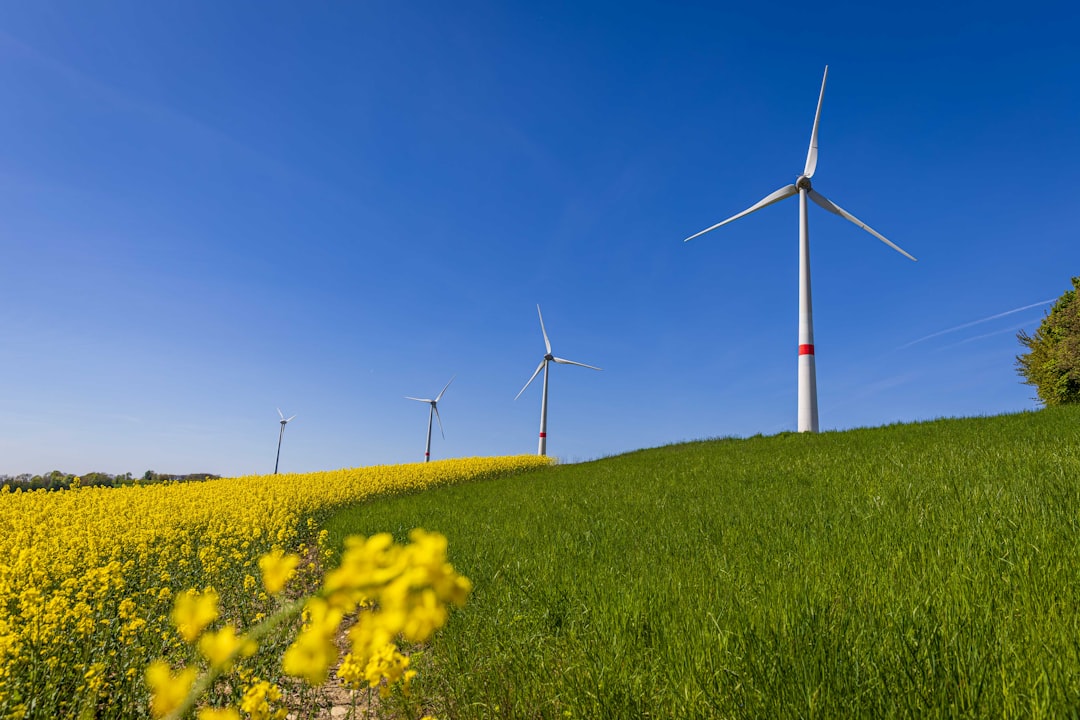
Canada’s renewable energy sector has emerged as one of the most compelling investment narratives in North America, fundamentally transforming how the nation generates, distributes, and consumes power. This clean energy transition play represents far more than environmental policy—it’s a comprehensive economic strategy that’s positioning Canada as a global leader in sustainable energy production while creating unprecedented opportunities for growth and innovation.
The numbers tell a remarkable story. Canada’s renewable energy capacity has surged to over 68% of total electricity generation, with hydroelectric power leading the charge at approximately 60%, followed by rapidly expanding wind and solar installations. This massive shift represents the largest clean energy transition play in Canadian history, driven by federal investments exceeding $15 billion in renewable infrastructure and provincial commitments that total another $8 billion across the country.
What makes Canada’s approach particularly compelling is its integrated strategy that combines abundant natural resources with cutting-edge technology. The country’s vast hydroelectric potential, combined with some of the world’s best wind resources along its extensive coastlines and prairie regions, creates a unique foundation for this clean energy transition play. Major projects like the 695-megawatt Keeyask Generating Station in Manitoba and the 300-megawatt Travers Solar Project in Alberta demonstrate the scale and ambition driving this transformation.
The economic implications extend far beyond energy production. Canada’s clean energy transition play is creating a new industrial ecosystem that includes advanced manufacturing, energy storage solutions, and grid modernization technologies. Companies like Northland Power and Canadian Solar have become major players in international markets, exporting Canadian expertise and technology worldwide. This has translated into over 430,000 jobs directly tied to clean energy sectors, with provinces like Ontario, Quebec, and British Columbia emerging as renewable energy innovation hubs.
Grid modernization represents another critical component of this transformation. Canada is investing heavily in smart grid technologies and energy storage systems that enable better integration of variable renewable sources like wind and solar. The country’s approach to grid flexibility has become a model for other nations grappling with similar challenges. Battery storage capacity has increased by over 400% in the past three years, while advanced grid management systems are enabling more efficient distribution of clean power across vast distances.
International partnerships are amplifying Canada’s clean energy transition play beyond domestic borders. The country has emerged as a preferred partner for clean energy projects throughout North America, with cross-border transmission lines carrying Canadian renewable power to markets in the United States. These partnerships not only generate revenue but also strengthen Canada’s position as a reliable supplier of clean energy to continental markets experiencing their own transitions away from fossil fuels.
The technological innovation emerging from this transition is particularly noteworthy. Canadian companies are developing advanced solutions in areas like offshore wind technology, enhanced geothermal systems, and next-generation photovoltaic cells. Research institutions across the country are collaborating with private industry to push the boundaries of renewable energy efficiency and cost-effectiveness. This innovation ecosystem is attracting significant international investment, with global energy companies establishing Canadian operations to access local expertise and market opportunities.
Perhaps most significantly, Canada’s clean energy transition play is reshaping the country’s economic geography. Rural communities that previously depended on resource extraction are finding new opportunities in renewable energy development. Wind farms in Saskatchewan, solar installations in Ontario, and tidal energy projects in the Maritimes are bringing economic revitalization to regions across the country. This geographic diversification of energy production is creating more resilient local economies while reducing dependence on volatile commodity markets.
The momentum behind Canada’s renewable energy transformation shows no signs of slowing. With continued federal support, advancing technology costs, and growing international demand for clean energy, this clean energy transition play represents one of the defining economic trends of the current decade. For investors, policymakers, and communities across Canada, the renewable revolution isn’t just changing how the country powers itself—it’s fundamentally reshaping Canada’s economic future and its role in the global clean energy economy.