Canada stands at the precipice of an energy revolution that promises to reshape not only the nation’s economic landscape but also position it as a global powerhouse in the clean energy transition play. As governments worldwide commit trillions to decarbonization efforts, Canada’s unique combination of abundant natural resources, technological expertise, and progressive policy frameworks creates an investment thesis that seasoned analysts are calling once-in-a-generation.
The numbers tell a compelling story. Canada holds approximately 20% of the world’s fresh water, possesses vast untapped renewable energy potential, and sits atop some of the planet’s largest reserves of critical minerals essential for clean technology manufacturing. This natural endowment, combined with a stable political environment and strong rule of law, creates the foundation for what could become the most significant clean energy transition play in North America.
Recent government commitments have accelerated this transformation dramatically. The federal Investment Tax Credit for Clean Technology, worth billions in incentives, is already attracting major international players to establish manufacturing facilities across the country. Meanwhile, provincial governments from British Columbia to Quebec are rolling out complementary programs that make the clean energy transition play even more attractive to institutional investors seeking long-term growth opportunities.
Critical minerals represent perhaps the most immediate opportunity within Canada’s clean energy transition play. The country possesses substantial reserves of lithium, cobalt, nickel, and rare earth elements—all essential components for electric vehicle batteries, wind turbines, and solar panels. Unlike many other resource-rich nations, Canada offers investors the additional security of transparent mining regulations, established infrastructure, and proximity to major North American markets hungry for these materials.
The infrastructure development accompanying this transition creates multiple layers of investment potential. Smart grid modernization projects alone are expected to require hundreds of billions in capital over the next decade. Energy storage solutions, from utility-scale battery systems to innovative pumped hydro projects, represent another frontier where Canadian companies are developing cutting-edge technologies with global export potential.
Hydroelectric power, long a Canadian strength, is experiencing renewed investment interest as the clean energy transition play accelerates. Major utilities are announcing ambitious expansion plans, recognizing that clean baseload power will become increasingly valuable as intermittent renewable sources scale up. This positions established hydroelectric assets for significant value appreciation while creating opportunities in modernization and expansion projects.
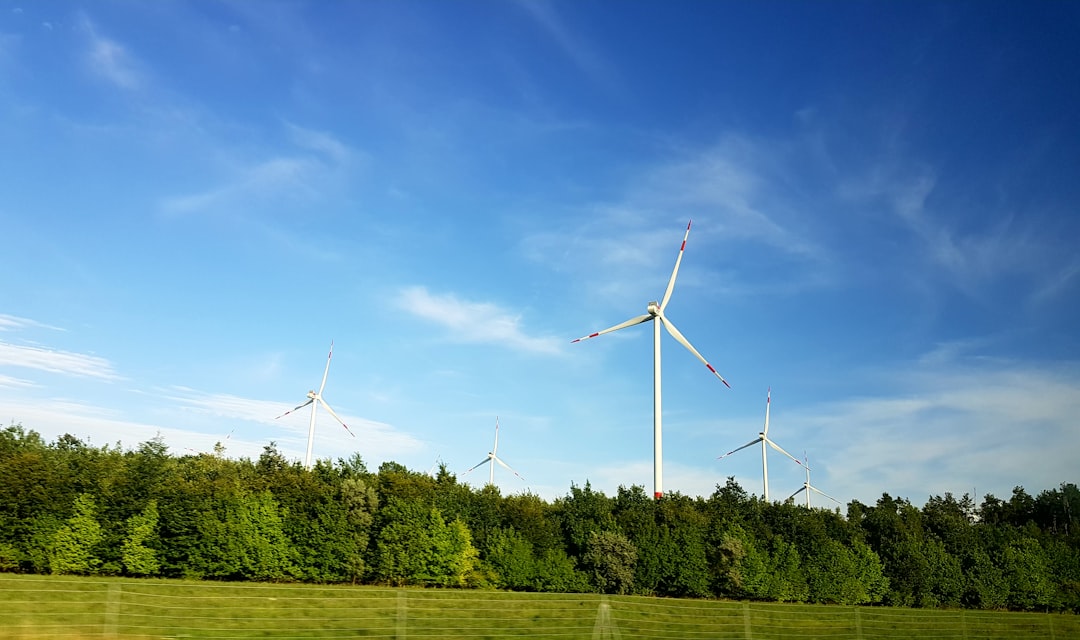
Wind and solar development across Canada’s vast geography offers institutional investors access to some of the continent’s best renewable resources. Alberta’s wind corridor, Ontario’s solar potential, and Atlantic Canada’s offshore wind opportunities are attracting international capital at unprecedented rates. Power purchase agreements with investment-grade counterparties provide the long-term revenue visibility that pension funds and insurance companies demand.
The clean technology manufacturing sector represents another compelling dimension of Canada’s clean energy transition play. Battery manufacturing facilities, solar panel production, and electric vehicle assembly plants are establishing operations to serve both domestic and export markets. Government incentives, combined with access to clean electricity and skilled labor, create competitive advantages that translate into sustainable returns for investors.
Supply chain considerations further enhance the investment case. As global companies seek to diversify away from concentrated supply chains, Canada’s stable political environment and strong trade relationships make it an attractive alternative for critical clean energy infrastructure. This trend is particularly pronounced in sectors where national security considerations influence procurement decisions.
Carbon pricing mechanisms across Canadian jurisdictions create additional tailwinds for the clean energy transition play. As carbon costs continue rising, clean energy projects enjoy improving economics relative to fossil fuel alternatives. This price signal, combined with regulatory support, creates a favorable environment for long-term capital deployment.
International partnerships amplify these domestic advantages. Trade agreements with key markets ensure Canadian clean energy products and technologies can compete globally. Meanwhile, technology transfer arrangements with leading international companies bring cutting-edge innovations to Canadian operations, enhancing competitiveness and growth prospects.
The convergence of natural advantages, supportive policy frameworks, and unprecedented global demand for clean energy solutions positions Canada’s clean energy transition play as more than just an investment opportunity—it represents a fundamental shift in the country’s economic foundation. For investors seeking exposure to the multi-trillion-dollar global energy transformation, Canada offers the rare combination of abundant resources, political stability, and technological capability necessary to capture outsized returns from this historic transition. As the clean energy economy accelerates, those positioned early in Canada’s transformation stand to benefit from what may prove to be the defining investment theme of this decade.