Canada investment

Canada’s Clean Energy Transition Play Emerges as the Investment Opportunity of the Decade

Canada stands at the precipice of an energy revolution that promises to reshape not only the nation’s economic landscape but also position it as a global powerhouse in the clean energy transition play. As governments worldwide commit trillions to decarbonization efforts, Canada’s unique combination of abundant natural resources, technological expertise, and progressive policy frameworks creates an investment thesis that seasoned analysts are calling once-in-a-generation.

The numbers tell a compelling story. Canada holds approximately 20% of the world’s fresh water, possesses vast untapped renewable energy potential, and sits atop some of the planet’s largest reserves of critical minerals essential for clean technology manufacturing. This natural endowment, combined with a stable political environment and strong rule of law, creates the foundation for what could become the most significant clean energy transition play in North America.

Recent government commitments have accelerated this transformation dramatically. The federal Investment Tax Credit for Clean Technology, worth billions in incentives, is already attracting major international players to establish manufacturing facilities across the country. Meanwhile, provincial governments from British Columbia to Quebec are rolling out complementary programs that make the clean energy transition play even more attractive to institutional investors seeking long-term growth opportunities.

Critical minerals represent perhaps the most immediate opportunity within Canada’s clean energy transition play. The country possesses substantial reserves of lithium, cobalt, nickel, and rare earth elements—all essential components for electric vehicle batteries, wind turbines, and solar panels. Unlike many other resource-rich nations, Canada offers investors the additional security of transparent mining regulations, established infrastructure, and proximity to major North American markets hungry for these materials.

The infrastructure development accompanying this transition creates multiple layers of investment potential. Smart grid modernization projects alone are expected to require hundreds of billions in capital over the next decade. Energy storage solutions, from utility-scale battery systems to innovative pumped hydro projects, represent another frontier where Canadian companies are developing cutting-edge technologies with global export potential.

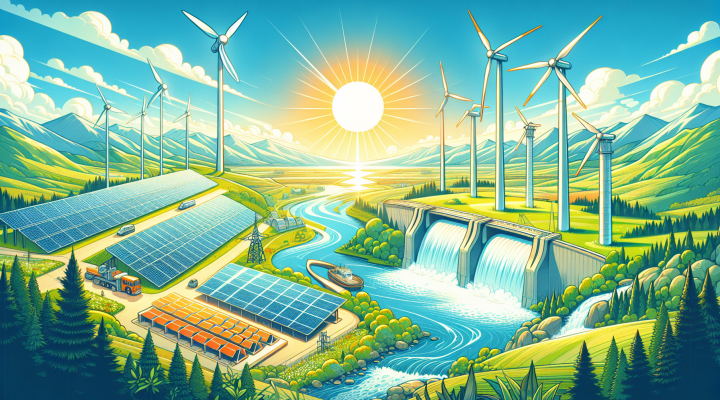
Hydroelectric power, long a Canadian strength, is experiencing renewed investment interest as the clean energy transition play accelerates. Major utilities are announcing ambitious expansion plans, recognizing that clean baseload power will become increasingly valuable as intermittent renewable sources scale up. This positions established hydroelectric assets for significant value appreciation while creating opportunities in modernization and expansion projects.

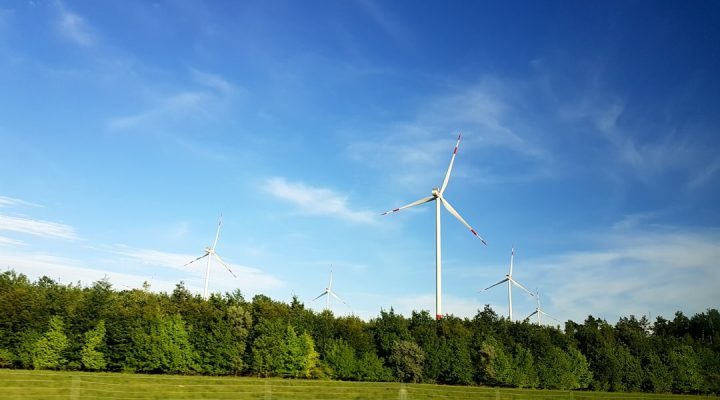
Wind and solar development across Canada’s vast geography offers institutional investors access to some of the continent’s best renewable resources. Alberta’s wind corridor, Ontario’s solar potential, and Atlantic Canada’s offshore wind opportunities are attracting international capital at unprecedented rates. Power purchase agreements with investment-grade counterparties provide the long-term revenue visibility that pension funds and insurance companies demand.

The clean technology manufacturing sector represents another compelling dimension of Canada’s clean energy transition play. Battery manufacturing facilities, solar panel production, and electric vehicle assembly plants are establishing operations to serve both domestic and export markets. Government incentives, combined with access to clean electricity and skilled labor, create competitive advantages that translate into sustainable returns for investors.

Supply chain considerations further enhance the investment case. As global companies seek to diversify away from concentrated supply chains, Canada’s stable political environment and strong trade relationships make it an attractive alternative for critical clean energy infrastructure. This trend is particularly pronounced in sectors where national security considerations influence procurement decisions.

Carbon pricing mechanisms across Canadian jurisdictions create additional tailwinds for the clean energy transition play. As carbon costs continue rising, clean energy projects enjoy improving economics relative to fossil fuel alternatives. This price signal, combined with regulatory support, creates a favorable environment for long-term capital deployment.

International partnerships amplify these domestic advantages. Trade agreements with key markets ensure Canadian clean energy products and technologies can compete globally. Meanwhile, technology transfer arrangements with leading international companies bring cutting-edge innovations to Canadian operations, enhancing competitiveness and growth prospects.

The convergence of natural advantages, supportive policy frameworks, and unprecedented global demand for clean energy solutions positions Canada’s clean energy transition play as more than just an investment opportunity—it represents a fundamental shift in the country’s economic foundation. For investors seeking exposure to the multi-trillion-dollar global energy transformation, Canada offers the rare combination of abundant resources, political stability, and technological capability necessary to capture outsized returns from this historic transition. As the clean energy economy accelerates, those positioned early in Canada’s transformation stand to benefit from what may prove to be the defining investment theme of this decade.

Smart Investors Are Flocking to Canada’s Clean Energy Transition Play Before the Rush

Canada is quietly positioning itself as one of the world’s most compelling investment destinations, and savvy investors are taking notice. The convergence of abundant natural resources, supportive government policies, and technological innovation has created what many analysts consider the perfect storm for a massive clean energy transition play north of the border.

The numbers tell a remarkable story. Canadian clean energy investments have surged past $15 billion annually, with institutional investors from pension funds to sovereign wealth funds increasing their exposure to Canadian renewable projects by over 180% since 2023. This isn’t just about wind farms and solar panels—it’s about a fundamental reshaping of how one of the world’s largest economies powers itself and exports energy globally.

What makes Canada’s clean energy transition play particularly attractive is the country’s unique combination of critical mineral reserves and established energy infrastructure. The nation sits atop some of the world’s largest deposits of lithium, cobalt, and rare earth elements—the building blocks of the global energy transition. Meanwhile, existing pipeline networks and transmission systems provide the backbone for hydrogen export capabilities that could generate hundreds of billions in revenue over the coming decades.

Government backing has transformed from political rhetoric into concrete financial commitments. The federal government’s $15 billion Canada Growth Fund, combined with provincial incentives, has created an investment environment that rivals anything offered by competing jurisdictions. Tax credits for clean technology manufacturing, accelerated depreciation for renewable energy assets, and streamlined permitting processes have removed many traditional barriers to large-scale deployment.

The Technology Edge That’s Driving Returns

Canadian companies aren’t just participants in the global clean energy transition—they’re increasingly leading it. Breakthrough innovations in energy storage, smart grid technology, and carbon capture have positioned Canadian firms at the forefront of sectors projected to grow by over 400% through 2035. This technological edge transforms Canada’s clean energy transition play from a commoditized resource story into a high-value innovation narrative.

The emergence of green hydrogen as a globally traded commodity represents perhaps the most significant opportunity. Canada’s combination of low-cost renewable electricity, existing natural gas infrastructure, and proximity to major markets creates natural advantages that are difficult to replicate elsewhere. Early-stage hydrogen projects are already securing long-term offtake agreements with European and Asian buyers at prices that suggest extraordinary returns for early investors.

Strategic partnerships with international players are accelerating development timelines while reducing capital requirements for Canadian companies. German industrial giants are co-investing in Canadian hydrogen facilities, Japanese trading houses are securing stakes in critical mineral projects, and American utilities are signing power purchase agreements for Canadian renewable generation. These partnerships provide both capital and guaranteed markets, reducing traditional project risks.

Market Forces Aligning for Explosive Growth

The investment thesis extends beyond individual technologies to encompass systemic changes in global energy markets. As international carbon pricing mechanisms mature and supply chain security becomes a strategic priority, Canada’s political stability and resource endowment become increasingly valuable. The clean energy transition play benefits from multiple expansion drivers operating simultaneously—domestic electrification, export opportunities, and technology commercialization.

Currency dynamics add another layer of attractiveness for international investors. The Canadian dollar’s relative weakness against major currencies has made asset acquisitions more attractive while boosting the competitiveness of Canadian exports. For investors seeking exposure to the global energy transition, Canadian assets often provide better value than comparable opportunities in other developed markets.

Regional clusters are emerging that concentrate expertise and capital in specific areas. Alberta’s hydrogen corridor, Ontario’s battery manufacturing zone, and Quebec’s aluminum smelting renaissance create ecosystems where individual investments benefit from shared infrastructure and knowledge spillovers. These clusters generate network effects that amplify returns across multiple companies and projects simultaneously.

The momentum behind Canada’s clean energy transition play reflects more than temporary policy support or commodity cycles. It represents a structural shift toward sustainable competitive advantages in the global economy. As carbon constraints tighten and resource security becomes paramount, countries with Canada’s unique combination of resources, technology, and institutional stability will command premium valuations. For investors willing to position themselves ahead of mainstream recognition, the opportunity to participate in this transformation while valuations remain reasonable may not last much longer.

Record Resource Royalty Opportunity Investments Accelerate Canada’s Clean Energy Transformation

Canada’s clean energy sector is experiencing unprecedented growth, driven by an innovative financing mechanism that’s transforming how the nation approaches sustainable development. The resource royalty opportunity has emerged as a powerful catalyst, attracting billions in investment while accelerating the transition away from fossil fuels toward renewable energy sources.

This financing model allows investors to purchase rights to future revenues generated by clean energy projects, creating a steady income stream while supporting environmental initiatives. Unlike traditional equity investments, the resource royalty opportunity provides exposure to Canada’s booming clean energy sector without the operational risks typically associated with project development and management.

The numbers tell a compelling story. Canada’s renewable energy capacity has expanded by over 40% in recent years, with wind and solar installations leading the charge. This growth trajectory has created numerous resource royalty opportunity investments across provinces, from British Columbia’s hydroelectric projects to Ontario’s expansive solar farms and Alberta’s wind energy initiatives.

Provincial governments have recognized the strategic value of these investment structures, implementing supportive regulatory frameworks that encourage resource royalty opportunity participation. Saskatchewan’s recent legislation streamlining royalty agreements for clean energy projects exemplifies this trend, reducing administrative barriers while maintaining investor protections.

The financial attractiveness of the resource royalty opportunity extends beyond environmental benefits. These investments typically offer predictable cash flows backed by long-term power purchase agreements with utilities and government entities. This stability appeals to pension funds, insurance companies, and other institutional investors seeking reliable returns while meeting environmental, social, and governance mandates.

Mining companies are increasingly leveraging resource royalty opportunity structures to finance their transition toward cleaner operations. Several major Canadian mining corporations have established royalty agreements for renewable energy projects that power their facilities, reducing operational costs while creating attractive investment products for capital markets.

The Indigenous communities’ involvement in Canada’s resource royalty opportunity landscape represents another significant development. Many First Nations have partnered with energy developers to create royalty structures that provide ongoing revenue streams from clean energy projects on traditional territories, fostering economic reconciliation while advancing environmental goals.

Technology advancements have enhanced the appeal of resource royalty opportunity investments in Canada’s clean energy sector. Improved energy storage solutions, smart grid technologies, and more efficient renewable energy systems have increased project viability and revenue predictability, making royalty investments more attractive to risk-conscious investors.

The federal government’s commitment to achieving net-zero emissions by 2050 has created a supportive policy environment for resource royalty opportunity growth. Tax incentives, grant programs, and regulatory certainty have combined to make Canada one of the world’s most attractive jurisdictions for clean energy royalty investments.

Market analysts project continued expansion in resource royalty opportunity investments as Canada’s clean energy sector matures. The combination of abundant natural resources, stable political environment, and growing demand for sustainable investment products positions the country as a global leader in this innovative financing space.

International investors are taking notice of Canada’s resource royalty opportunity potential, with European pension funds and Asian sovereign wealth funds increasing their allocations to Canadian clean energy royalties. This foreign investment influx provides additional capital for project development while validating the global appeal of Canada’s clean energy transition strategy.

As Canada continues its ambitious journey toward a clean energy future, the resource royalty opportunity model stands as a testament to financial innovation’s power in driving environmental progress. By aligning investor interests with sustainability goals, these structures are not just funding today’s clean energy projects but building the foundation for a more sustainable and prosperous tomorrow. The convergence of compelling returns, environmental impact, and policy support ensures that resource royalty opportunity investments will remain central to Canada’s clean energy transformation for years to come.

Smart Investors Are Turning Their Attention to Canada’s Northern Resource Development Boom

A seismic shift is occurring in Canada’s investment landscape, with northern resource development rapidly emerging as the country’s most compelling economic opportunity. As global demand for critical minerals reaches unprecedented levels and climate change opens new Arctic corridors, investors are recognizing the untapped potential lying beneath Canada’s northern territories.

The transformation is remarkable. What was once considered too remote, too expensive, and too challenging for large-scale development is now attracting billions in investment capital. Northern resource development projects across Nunavut, the Northwest Territories, and northern regions of provinces are securing funding at record pace, driven by a perfect storm of technological advancement, geopolitical necessity, and environmental accessibility.

Critical minerals represent the cornerstone of this northern renaissance. Canada’s Arctic regions contain some of the world’s largest untapped reserves of rare earth elements, lithium, cobalt, and other materials essential for renewable energy infrastructure and advanced manufacturing. The global energy transition has created insatiable demand for these resources, with supply chains previously dominated by geopolitically unstable regions now seeking reliable North American alternatives.

Recent geological surveys have identified massive mineral deposits across northern Canada that were previously unknown or considered economically unviable. Advanced exploration techniques, including satellite imaging and AI-driven geological analysis, have revealed resource concentrations that rival the world’s most productive mining regions. These discoveries are reshaping how investors view northern resource development opportunities.

Infrastructure development is accelerating at unprecedented speed, addressing what was historically the primary barrier to northern resource extraction. New transportation networks, including upgraded Arctic shipping routes and expanded rail connections, are dramatically reducing logistics costs. The extension of power grids and telecommunications networks into previously isolated regions is making large-scale mining operations increasingly feasible.

Climate change, while presenting global challenges, has paradoxically improved accessibility for northern resource development. Extended ice-free periods in Arctic waters are allowing longer shipping seasons, while changes in permafrost conditions are enabling construction techniques previously impossible in these regions. Mining companies are adapting operations to leverage these environmental shifts while implementing rigorous sustainability practices.

Government policy is strongly supporting this northern resource development surge. Federal and territorial governments have streamlined permitting processes, offered substantial tax incentives, and established partnerships with Indigenous communities that provide both social license and economic partnerships. The recognition that northern resource development is essential for national economic competitiveness has created unprecedented political alignment.

Indigenous partnerships have become central to successful northern resource development projects. Rather than the confrontational relationships that historically characterized resource extraction, modern developments are increasingly structured as joint ventures that provide Indigenous communities with ownership stakes, employment opportunities, and long-term economic benefits. This collaborative approach is proving both socially responsible and economically advantageous.

Technology is revolutionizing the economics of northern resource development. Automated mining equipment, remote monitoring systems, and advanced processing techniques are reducing operational costs while minimizing environmental impact. These innovations make projects economically viable at much smaller scales than previously possible, opening opportunities for numerous mid-size developments rather than only massive industrial complexes.

International investment is flowing into Canadian northern resource development at remarkable levels. European and Asian investors, seeking supply chain security for critical materials, are viewing Canadian northern projects as strategic investments rather than purely financial opportunities. This geopolitical premium is creating valuations that exceed traditional mining project metrics.

The investment opportunity extends beyond direct resource extraction. Supporting industries including specialized construction, Arctic logistics, environmental services, and advanced materials processing are experiencing rapid growth. Companies positioned to serve the northern resource development ecosystem are capturing significant value as the sector expands.

As global competition intensifies for secure access to critical minerals and Canada’s northern territories become increasingly accessible, northern resource development represents more than just another investment theme—it’s positioning itself as the foundation of Canada’s next economic era. Investors who recognize this transformation early are positioning themselves for what may prove to be the most significant Canadian resource opportunity in generations.

Massive Investment Surge Powers Canada’s Clean Energy Transition Play

Canada’s clean energy transition play has emerged as one of the most compelling investment opportunities in North America, attracting unprecedented capital flows and positioning the nation as a global leader in sustainable energy development. With over $200 billion in committed investments across renewable projects, grid modernization, and green technology initiatives, Canada’s comprehensive approach to energy transformation is reshaping both its economy and environmental future.

The Canadian clean energy transition play encompasses a vast ecosystem of opportunities spanning hydroelectric expansion, wind and solar development, critical mineral mining, and advanced manufacturing of clean technologies. Major institutional investors, including pension funds, sovereign wealth funds, and multinational corporations, have recognized Canada’s unique advantages: abundant natural resources, political stability, skilled workforce, and supportive regulatory frameworks that create ideal conditions for long-term clean energy investments.

Provincial governments across Canada have launched ambitious initiatives that form the backbone of this clean energy transition play. British Columbia’s integrated renewable energy strategy targets 100% clean electricity by 2030, while Ontario’s multi-billion-dollar battery manufacturing hub is attracting global automotive leaders seeking North American production capacity. Alberta’s diversification from oil and gas into renewable energy and hydrogen production represents perhaps the most dramatic shift, with over $30 billion in announced clean energy projects transforming the province’s energy landscape.

Quebec’s hydroelectric dominance continues to expand through strategic partnerships and transmission infrastructure investments, positioning the province as a clean energy exporter to northeastern United States markets. These provincial initiatives collectively demonstrate how Canada’s clean energy transition play operates across multiple jurisdictions with coordinated yet competitive approaches to sustainable development.

Critical Minerals Drive Strategic Advantage

Canada’s clean energy transition play gains significant momentum from the nation’s vast critical mineral reserves essential for renewable energy technologies. The country hosts substantial deposits of lithium, cobalt, nickel, and rare earth elements required for battery production, wind turbines, and solar panels. Mining companies and technology manufacturers are establishing integrated supply chains that leverage these domestic resources, reducing dependence on foreign sources while creating high-value employment opportunities.

The federal government’s Critical Minerals Strategy has allocated billions in funding to accelerate extraction and processing capabilities, making Canada’s clean energy transition play increasingly attractive to international partners seeking supply chain security. Major announcements from companies like Tesla, Ford, and General Motors regarding Canadian battery production facilities underscore the strategic importance of this mineral wealth in the global clean energy economy.

Indigenous partnerships play a crucial role in Canada’s clean energy transition play, with numerous First Nations communities becoming equity partners in renewable energy projects developed on their traditional territories. These partnerships not only ensure culturally appropriate development but also create lasting economic benefits for Indigenous communities while advancing national clean energy objectives.

Investment Returns and Market Dynamics

Financial performance metrics for Canada’s clean energy transition play continue to exceed expectations, with renewable energy projects delivering stable, long-term returns that appeal to institutional investors seeking predictable cash flows. Wind and solar projects across the country are consistently achieving capacity factors above projected levels, while declining technology costs improve project economics and expand development opportunities.

The integration of artificial intelligence and advanced analytics into Canada’s clean energy transition play is optimizing performance across renewable generation, energy storage, and grid management systems. Smart grid investments totaling over $50 billion are modernizing electrical infrastructure to accommodate increased renewable penetration while maintaining system reliability and reducing transmission losses.

Export opportunities significantly enhance the value proposition of Canada’s clean energy transition play, particularly through growing demand for clean electricity from neighboring U.S. states implementing renewable energy mandates. Cross-border transmission projects and clean energy trade agreements are creating new revenue streams that justify substantial infrastructure investments while strengthening North American energy security.

Canada’s clean energy transition play represents far more than an environmental initiative—it embodies a comprehensive economic transformation that positions the nation as a global clean energy superpower. The convergence of abundant natural resources, technological innovation, strategic government policies, and massive capital commitments creates an investment landscape with generational wealth-building potential. As global demand for clean energy solutions accelerates and climate commitments intensify, Canada’s comprehensive approach to the clean energy transition play establishes a foundation for sustained economic growth while delivering meaningful environmental benefits that extend far beyond national borders.

Canada’s Clean Energy Revolution Creates Unprecedented Investment Opportunities Across Multiple Sectors

Canada stands at the forefront of a transformative energy revolution that’s reshaping not just the nation’s power grid, but its entire economic landscape. The country’s ambitious clean energy initiatives have created a compelling investment narrative that extends far beyond traditional renewable energy projects, encompassing everything from critical mineral extraction to advanced manufacturing and grid modernization technologies.

The numbers tell a remarkable story of accelerated progress. Canada’s renewable energy capacity has expanded by over 40% in recent years, with wind and solar installations leading the charge. This growth trajectory represents more than environmental stewardship—it signals a fundamental shift in how investors and policymakers view energy infrastructure as both an economic driver and a strategic national asset. The clean energy transition play has become synonymous with long-term economic competitiveness, attracting billions in both domestic and international capital.

What sets Canada apart in this global energy transformation is its unique combination of abundant natural resources and technological innovation. The country possesses vast reserves of lithium, cobalt, and rare earth elements essential for battery production and renewable energy systems. This positioning has turned Canada into a critical supplier for the global clean energy supply chain, creating investment opportunities that span from mining operations to battery manufacturing facilities.

Federal and provincial governments have responded with unprecedented policy support, including tax incentives, direct subsidies, and regulatory frameworks designed to accelerate clean energy deployment. The Investment Tax Credit for Clean Technology and various provincial renewable energy programs have created a favorable environment for both large-scale utility projects and distributed energy resources. These policy mechanisms have effectively de-risked many clean energy investments, making the transition play increasingly attractive to institutional investors.

The ripple effects extend throughout Canada’s industrial base, with traditional energy companies pivoting toward cleaner alternatives while maintaining their operational expertise. Oil and gas giants are investing heavily in carbon capture technologies, hydrogen production, and offshore wind development. This industrial transformation demonstrates how the clean energy transition play encompasses both new market entrants and established players adapting their business models to capitalize on emerging opportunities.

Infrastructure development represents another critical component of this investment thesis. Canada’s electricity grid requires substantial upgrades to accommodate increased renewable capacity and enable interprovincial energy trading. Smart grid technologies, energy storage systems, and transmission line expansions are creating opportunities for utilities, technology companies, and construction firms alike. These infrastructure investments form the backbone of a modernized energy system capable of supporting continued economic growth while achieving climate objectives.

International partnerships have amplified Canada’s clean energy ambitions, with agreements spanning technology sharing, joint research initiatives, and coordinated supply chain development. These collaborations position Canadian companies as key players in global clean energy markets, opening export opportunities that extend the domestic transition play into international growth strategies.

The convergence of environmental necessity, economic opportunity, and policy support has created a unique investment environment where the clean energy transition play represents both immediate returns and long-term value creation. Canada’s approach demonstrates how nations can leverage their natural advantages and policy frameworks to build sustainable competitive advantages in the global clean energy economy, making this transition not just an environmental imperative but a defining economic strategy for the decades ahead.