resource investment

Breakthrough Technologies Transform Northern Resource Development Into Tomorrow’s Investment Frontier

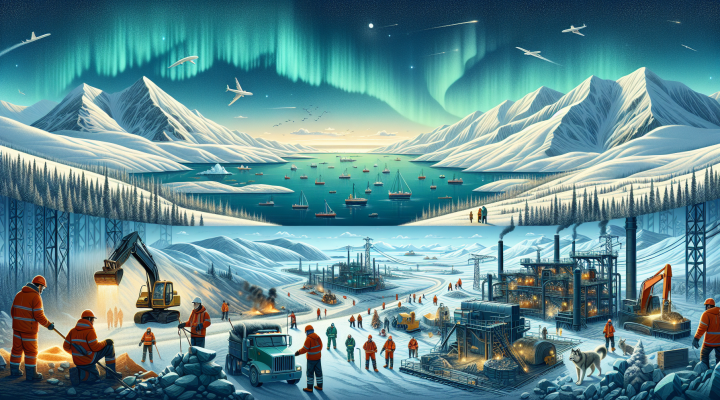
The harsh landscapes of the Arctic and sub-Arctic regions have long concealed some of the world’s most valuable natural resources, but accessing them has traditionally been a formidable challenge. Today, revolutionary technologies and innovative investment approaches are transforming northern resource development into one of the most promising sectors for long-term growth. From autonomous mining operations to AI-powered exploration techniques, the convergence of technological advancement and strategic capital allocation is reshaping how we think about resource extraction in remote northern territories.

Artificial intelligence and machine learning algorithms have become game-changers in northern resource development, enabling companies to process vast amounts of geological data with unprecedented accuracy. These technologies can identify potential mineral deposits and hydrocarbon reserves that were previously overlooked or deemed too risky to pursue. Advanced satellite imaging combined with AI analysis now allows exploration teams to map subsurface formations across thousands of square miles of northern terrain without setting foot on the ground, dramatically reducing initial exploration costs and environmental impact.

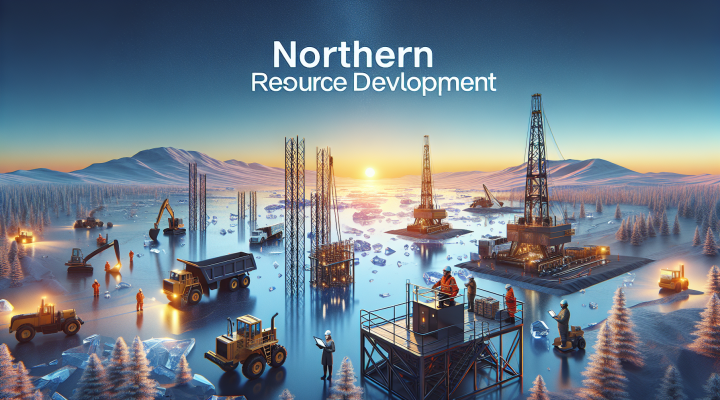
The integration of autonomous systems has revolutionized operational efficiency in harsh northern environments. Self-driving trucks and automated drilling equipment can operate continuously in extreme weather conditions that would halt traditional operations. These systems not only improve safety by reducing human exposure to dangerous conditions but also generate consistent productivity levels throughout the year, addressing one of the historical challenges of seasonal operation constraints in northern resource development projects.

Climate-adaptive infrastructure has emerged as a critical component of successful northern resource development strategies. New materials and construction techniques allow facilities to withstand extreme temperature fluctuations, permafrost instability, and severe weather events. Modular construction approaches enable rapid deployment and reconfiguration of facilities, while advanced insulation and heating systems ensure year-round operation efficiency. This infrastructure resilience directly translates into more predictable cash flows and reduced operational risk for investors.

Investment patterns in northern resource development have shifted toward projects that demonstrate strong environmental stewardship and community engagement. Modern development approaches prioritize minimal environmental footprint through techniques like in-situ processing, which reduces the need for large-scale transportation of raw materials. Additionally, partnerships with indigenous communities have become essential for project success, creating shared value opportunities that benefit local populations while ensuring sustainable resource extraction practices.

The financing landscape for northern resource development has evolved to accommodate the unique challenges and opportunities of these projects. Patient capital from sovereign wealth funds, infrastructure investment funds, and specialized resource investment vehicles provides the long-term financial backing necessary for complex northern developments. Green bonds and sustainability-linked financing instruments are increasingly available for projects that meet strict environmental and social governance criteria, reflecting growing investor demand for responsible resource development.

Energy considerations play a pivotal role in modern northern resource development strategies. Remote locations often lack access to traditional power grids, making energy self-sufficiency crucial for project viability. Hybrid renewable energy systems combining solar, wind, and battery storage with traditional power sources are becoming standard practice. These systems not only reduce operational costs over time but also align with global sustainability goals and regulatory requirements that increasingly favor low-carbon development approaches.

Digital twin technology and real-time monitoring systems enable unprecedented operational optimization in northern resource development projects. These platforms create virtual replicas of entire operations, allowing managers to test scenarios, predict equipment failures, and optimize production schedules without interrupting actual operations. Predictive maintenance algorithms can identify potential equipment issues before they cause costly downtime, particularly crucial in remote locations where replacement parts and technical expertise may be days or weeks away.

The geopolitical significance of northern resource development continues to grow as nations recognize the strategic importance of Arctic and sub-Arctic resources. Countries with northern territories are developing national strategies to promote responsible resource development while maintaining sovereignty over these valuable regions. This political support translates into favorable regulatory frameworks, infrastructure investments, and international cooperation agreements that create more stable operating environments for resource development projects.

Looking ahead, northern resource development represents a compelling intersection of technological innovation, environmental responsibility, and strategic investment opportunity. The sector’s transformation from high-risk, environmentally challenging ventures to technologically sophisticated, sustainably managed operations has opened new possibilities for both resource companies and investors. As technology continues to advance and investment approaches become more sophisticated, northern regions are poised to play an increasingly important role in global resource supply chains while setting new standards for responsible development practices.

Smart Investors Watch Potash Market Signal as Technology Reshapes Resource Investment Strategies

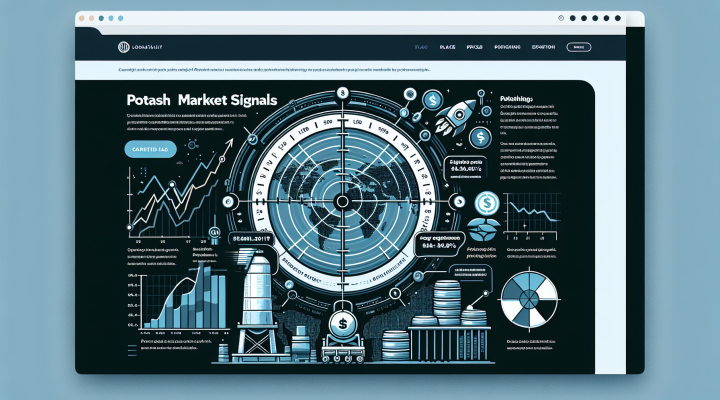
The global fertilizer landscape is experiencing a seismic shift, with sophisticated investors increasingly turning to potash market signals as a reliable indicator for strategic resource investments. This alkali salt, essential for agricultural productivity worldwide, has emerged as a critical barometer for understanding broader commodity trends and technological innovations in the mining sector.

Recent data reveals that potash market signal patterns are becoming increasingly sophisticated, driven by advanced analytics and real-time monitoring systems that provide unprecedented insights into supply chain dynamics. Major producers in Canada, Russia, and Belarus are implementing cutting-edge extraction technologies that not only improve efficiency but also generate valuable market intelligence that savvy investors use to time their resource portfolio adjustments.

The technological revolution in potash mining has created new investment opportunities that extend far beyond traditional commodity plays. Companies developing autonomous mining equipment, precision agriculture technologies, and sustainable extraction methods are attracting significant capital as investors recognize the interconnected nature of agricultural demand and mining innovation. These technology investments are fundamentally changing how market participants interpret potash market signal data.

Global food security concerns continue to amplify the importance of potash market signals in investment decision-making. As populations grow and arable land becomes scarcer, the demand for high-efficiency fertilizers creates a compelling investment thesis that combines traditional resource extraction with modern agricultural technology. This convergence is generating substantial returns for investors who understand how to read the underlying market dynamics.

Environmental sustainability considerations are also reshaping potash market signal interpretation. Investors are increasingly focused on companies that demonstrate responsible mining practices and develop technologies that minimize environmental impact while maximizing resource recovery. This shift toward sustainable practices is creating new metrics for evaluating potash investments beyond simple price movements and production volumes.

The geopolitical landscape adds another layer of complexity to potash market signal analysis. Trade relationships, sanctions, and supply chain disruptions create volatility that experienced investors can leverage through careful monitoring of production data, inventory levels, and international trade flows. These factors make potash market signals particularly valuable for investors seeking to understand global commodity trends.

Emerging markets represent a significant growth driver for potash demand, with developing economies investing heavily in agricultural modernization. This trend creates long-term investment opportunities in both potash production and the technologies that support modern farming practices. Understanding these regional demand patterns is crucial for interpreting potash market signals effectively.

The integration of artificial intelligence and machine learning in potash market signal analysis is revolutionizing how investors approach resource investments. These technologies can process vast amounts of data from multiple sources, including weather patterns, crop yields, fertilizer application rates, and economic indicators, to generate predictive insights that were previously impossible to obtain.

Strategic resource investment requires a nuanced understanding of how potash market signals connect to broader economic trends. The agricultural sector’s increasing reliance on precision farming techniques, sustainable practices, and yield optimization creates multiple investment avenues that go beyond traditional mining stocks. Forward-thinking investors are building diversified portfolios that capture value across the entire agricultural technology ecosystem while using potash market signals as a foundational analytical tool for timing and allocation decisions.

Smart Investors Track Revolutionary Potash Market Signals Driving Technology Transformation

The global fertilizer landscape is experiencing a seismic shift as sophisticated investors decode emerging patterns within the potash industry. These market dynamics are creating unprecedented opportunities for stakeholders who understand how to interpret the critical potash market signal indicators that are reshaping agricultural technology and resource allocation strategies.

Agricultural technology companies are witnessing extraordinary demand for precision farming solutions, driven largely by potash supply chain innovations. The convergence of artificial intelligence, satellite monitoring, and soil analysis technologies has created a new investment paradigm where traditional potash producers are collaborating with tech startups to develop smart application systems. This technological integration represents a fundamental potash market signal that forward-thinking investors cannot afford to ignore.

Resource investment patterns reveal fascinating insights into the industry’s future direction. Major mining operations are allocating substantial capital toward automated extraction technologies and sustainable processing methods. Canadian and Belarusian potash producers are leading this transformation by implementing blockchain-based supply chain tracking and developing carbon-neutral production facilities. These infrastructure investments demonstrate how environmental considerations are becoming integral to potash market valuations.

The geopolitical landscape continues to influence potash market dynamics in unexpected ways. Recent trade agreements and strategic partnerships between potash-rich nations and technology leaders are creating new distribution channels and pricing mechanisms. Countries like Chile and Argentina are leveraging their lithium extraction expertise to optimize potash recovery processes, while simultaneously attracting foreign technology investment. This cross-pollination of mining expertise represents another significant potash market signal indicating industry maturation.

Venture capital funding in agricultural technology has reached record levels, with potash-related innovations capturing substantial investor attention. Startups developing drone-based soil analysis, variable-rate application systems, and predictive crop nutrition modeling are securing multi-million dollar funding rounds. These investments reflect growing confidence in the sector’s ability to deliver both environmental benefits and financial returns through technology-enabled efficiency gains.

Supply chain resilience has emerged as a critical factor driving technological investment in the potash sector. Companies are developing sophisticated inventory management systems and alternative transportation networks to minimize disruption risks. Port automation projects, rail infrastructure upgrades, and digital tracking systems represent billions in committed capital that will fundamentally alter how potash moves from mine to farm.

The integration of renewable energy sources into potash production facilities signals another transformative trend. Solar and wind power installations at mining sites are reducing operational costs while improving environmental sustainability metrics. Energy storage technologies specifically designed for mining operations are attracting significant investment as producers seek to achieve carbon neutrality targets without compromising production efficiency.

Market analysts are tracking sophisticated data patterns that reveal emerging consumption trends across different agricultural segments. Specialty crop producers are driving demand for customized potash blends, while large-scale grain operations are adopting precision application technologies that optimize nutrient delivery timing and placement. These evolving consumption patterns provide valuable insights for investors evaluating technology companies serving the agricultural input sector.

The potash market signal landscape indicates that successful investors must understand both traditional mining economics and emerging technology applications. Companies positioned at the intersection of resource extraction and agricultural innovation are demonstrating superior growth trajectories and attracting premium valuations. As the global food security challenge intensifies, the convergence of potash resources and technological innovation will continue creating compelling investment opportunities for those who recognize and act upon these powerful market indicators.

Arctic Mining Ventures Transform Global Supply Chains Through Advanced Technology Investment

The vast Arctic territories are experiencing an unprecedented transformation as advanced technologies converge with substantial capital investments to unlock previously inaccessible mineral wealth. Northern resource development has evolved from rudimentary extraction methods to sophisticated operations that leverage artificial intelligence, autonomous systems, and sustainable practices to meet growing global demand for critical minerals.

Investment flows into Arctic regions have accelerated dramatically, driven by geopolitical shifts and the urgent need for rare earth elements essential to renewable energy infrastructure. Major mining corporations are deploying billions of dollars in cutting-edge equipment designed to operate in extreme conditions, while smaller exploration companies utilize satellite imaging and machine learning algorithms to identify promising deposits beneath permafrost layers.

The technological revolution in northern resource development extends beyond traditional mining equipment. Autonomous hauling systems now navigate treacherous terrain with precision that surpasses human operators, while remote-controlled drilling platforms can operate continuously despite harsh weather conditions that would halt conventional operations. These innovations have reduced operational costs by up to 35% while significantly improving worker safety in dangerous Arctic environments.

Environmental considerations play an increasingly central role in modern northern resource development strategies. Companies are implementing advanced water treatment systems, utilizing renewable energy sources for remote operations, and developing restoration techniques specifically designed for fragile Arctic ecosystems. These sustainable practices are not merely regulatory compliance measures but strategic investments that enhance long-term project viability and community acceptance.

Strategic Investment Patterns Reshape Arctic Resource Landscape

Global supply chain disruptions have accelerated investment in northern resource development as nations seek to diversify their mineral supply sources. Countries with substantial Arctic territories are implementing favorable regulatory frameworks to attract international investment while maintaining strict environmental standards. This balanced approach has resulted in a surge of public-private partnerships that combine government support with private sector expertise and capital.

The infrastructure requirements for successful northern resource development projects have attracted additional waves of investment. Transportation networks, power generation facilities, and communication systems designed for Arctic conditions represent multi-billion-dollar opportunities that extend far beyond the mining sector itself. These infrastructure investments create economic multiplier effects that benefit entire regional economies and indigenous communities.

Risk assessment methodologies have become increasingly sophisticated as investors recognize both the tremendous opportunities and unique challenges associated with northern resource development. Climate change impacts on permafrost stability, shifting ice conditions, and extreme weather patterns require comprehensive modeling and adaptive management strategies that traditional mining operations rarely encounter.

Technology Integration Drives Operational Excellence

The integration of Internet of Things (IoT) sensors throughout northern resource development operations provides real-time monitoring capabilities that were unimaginable just a few years ago. These sensor networks track equipment performance, environmental conditions, and resource quality simultaneously, enabling predictive maintenance schedules that minimize costly equipment failures in remote locations where replacement parts and technical expertise may be thousands of miles away.

Advanced data analytics platforms process vast amounts of information generated by modern northern resource development operations, identifying optimization opportunities and potential problems before they impact production schedules. Machine learning algorithms continuously improve operational efficiency by analyzing historical performance data and environmental conditions to recommend optimal extraction strategies.

Satellite communication systems and high-speed internet connectivity have transformed remote Arctic mining operations from isolated outposts into fully integrated components of global supply chains. Real-time collaboration between Arctic operations and engineering teams in major urban centers enables rapid problem-solving and continuous process improvement that was previously impossible due to communication limitations.

The convergence of technological innovation and strategic investment in northern resource development represents a fundamental shift in how the global economy accesses critical minerals. As climate change opens new Arctic territories while simultaneously increasing demand for clean energy minerals, the companies and nations that master sustainable northern resource development will play pivotal roles in shaping the world’s energy transition. The substantial investments being made today in Arctic mining technology and infrastructure are laying the foundation for decades of economic growth while establishing new standards for environmentally responsible resource extraction in the world’s most challenging environments.

Smart Investors Watch These Emerging Potash Market Signals Driving Technology Innovation

The global potash landscape is experiencing a profound transformation as technology convergence and resource scarcity create compelling investment opportunities. Recent market dynamics reveal a clear potash market signal that sophisticated investors are leveraging to position themselves ahead of significant industry shifts.

Traditional potash extraction methods are giving way to revolutionary technologies that promise to reshape the entire value chain. Advanced solution mining techniques, coupled with artificial intelligence-driven resource mapping, are enabling companies to access previously untapped deposits with unprecedented efficiency. This technological evolution represents more than incremental improvement—it signals a fundamental reimagining of how potash resources are identified, extracted, and processed.

The intersection of sustainability imperatives and agricultural demand creates a particularly compelling potash market signal for technology-focused investors. As global food security concerns intensify, the need for efficient fertilizer production becomes critical. Companies developing automated extraction systems, precision application technologies, and sustainable processing methods are attracting significant capital allocation from institutional investors seeking exposure to this essential commodity sector.

Resource concentration patterns are shifting dramatically, with emerging markets demonstrating substantial potential for new discoveries. Geological surveys utilizing satellite imaging, machine learning algorithms, and advanced seismic analysis are revealing promising formations in regions previously considered marginal. This geographical diversification reduces traditional supply chain risks while creating opportunities for early-stage investors willing to support exploration and development activities.

Investment flows into potash-related technologies have accelerated markedly, with venture capital firms and private equity groups recognizing the sector’s long-term growth potential. Digital mining platforms, automated processing equipment, and environmental monitoring systems are receiving substantial funding commitments. These capital deployments reflect sophisticated understanding of how technology integration can transform commodity production economics.

The regulatory environment surrounding potash mining and processing continues evolving, with environmental standards driving innovation adoption. Companies demonstrating superior sustainability metrics through technology implementation are securing preferential financing terms and regulatory approvals. This trend creates a clear potash market signal favoring organizations that prioritize technological advancement alongside resource development.

Supply chain resilience has become a paramount concern following recent geopolitical disruptions, prompting agricultural companies to seek diversified sourcing strategies. This shift creates opportunities for technology-enabled producers who can demonstrate reliable production capacity through automated systems and predictive maintenance protocols. Investors are particularly attracted to companies offering transparent supply chain visibility through blockchain integration and real-time monitoring capabilities.

Market consolidation trends indicate that larger players are actively acquiring technology-focused smaller companies to enhance their operational capabilities. This consolidation activity provides multiple exit opportunities for early-stage technology investors while validating the strategic importance of innovation in the potash sector. The acquisition premiums being paid reflect the significant value creation potential that sophisticated technologies bring to traditional mining operations.

Price volatility patterns in the potash market reveal opportunities for technology-enabled producers to maintain profitability during challenging periods. Companies utilizing predictive analytics, automated production optimization, and flexible processing systems demonstrate superior resilience compared to traditional operations. This operational advantage translates into more attractive investment returns and reduced risk profiles.

The convergence of agricultural technology and mining innovation creates unique opportunities for cross-sector investment strategies. Precision agriculture platforms that optimize fertilizer application work synergistically with advanced potash production systems, creating integrated value propositions that appeal to both agricultural and mining investors. This convergence represents a significant potash market signal that forward-thinking investors are actively pursuing.

As the potash industry continues its technology-driven evolution, investors who recognize and act upon emerging market signals will likely capture disproportionate returns. The combination of essential commodity exposure, technological innovation potential, and sustainability alignment creates a compelling investment thesis that extends well beyond traditional resource extraction models. Those positioned at the intersection of technology advancement and resource development are poised to benefit from this fundamental industry transformation.

Smart Investors Eye Northern Resource Development as Technology Transforms Arctic Mining

The Arctic’s vast mineral wealth is no longer locked beneath sheets of ice and permafrost, as breakthrough technologies are revolutionizing northern resource development across Canada, Alaska, Greenland, and northern Scandinavia. Investment capital is flowing into these frontier regions at unprecedented levels, driven by sophisticated extraction methods and the growing global demand for critical minerals essential to the clean energy transition.

Remote sensing technology has emerged as a game-changer for northern resource development, allowing companies to identify mineral deposits with pinpoint accuracy before committing to expensive ground operations. Advanced satellite imaging and drone surveys can now penetrate cloud cover and map geological formations in real-time, dramatically reducing exploration costs in regions where traditional surveying would cost millions. Machine learning algorithms analyze this data to predict ore body locations with accuracy rates exceeding 85%, making previously uneconomical projects suddenly viable.

The logistics challenge that once made northern resource development prohibitively expensive is being solved through innovative transportation solutions. Modular processing facilities can now be airlifted to remote locations and assembled on-site, eliminating the need for costly road construction through pristine wilderness. These mobile units process raw materials at the source, shipping only refined concentrates rather than bulk ore, reducing transportation costs by up to 70% compared to traditional methods.

Climate change, while presenting environmental concerns, has paradoxically opened new opportunities for northern resource development by extending the operational season in many Arctic regions. Ice roads remain passable for longer periods, and previously inaccessible coastal areas now allow seasonal shipping routes that reduce dependency on expensive year-round air transport. Companies are adapting their operational calendars to maximize these extended windows of accessibility.

Energy infrastructure represents both the biggest challenge and opportunity in northern resource development. Solar panel efficiency improvements and battery storage technology now make renewable energy viable even in regions with limited daylight during winter months. Several mining operations have achieved energy independence through hybrid systems combining solar, wind, and advanced battery storage, reducing operational costs while meeting increasingly strict environmental standards.

The geopolitical landscape surrounding northern resource development has shifted dramatically as nations recognize the strategic importance of Arctic mineral reserves. Canada’s updated Arctic framework provides streamlined permitting for projects meeting environmental benchmarks, while maintaining sovereignty over key shipping routes. Similar policy changes across northern nations have created a more predictable regulatory environment that encourages long-term investment planning.

Indigenous partnerships have become central to successful northern resource development, moving beyond traditional consultation models toward genuine revenue-sharing agreements and operational partnerships. These collaborations provide projects with essential local knowledge while ensuring communities benefit directly from resource extraction on their traditional territories. Companies that embrace this partnership approach report significantly smoother regulatory approval processes and lower operational risks.

Automation technology continues to reduce the human footprint required for northern resource development, addressing both cost and safety concerns in harsh environments. Autonomous vehicles handle material transport in conditions too dangerous for human operators, while AI-powered processing systems maintain optimal efficiency despite extreme temperature fluctuations. These systems can operate continuously through Arctic winters, maximizing productivity during periods when human crews would traditionally rotate out.

The investment outlook for northern resource development remains robust as institutional investors recognize the sector’s potential for delivering both financial returns and strategic mineral security. With global supply chains still recovering from recent disruptions, domestic and near-domestic mineral sources command premium valuations. Projects with proven reserves, established partnerships, and modern technology deployments are attracting capital at valuations that seemed impossible just five years ago, positioning the Arctic as the next major frontier for resource investment.