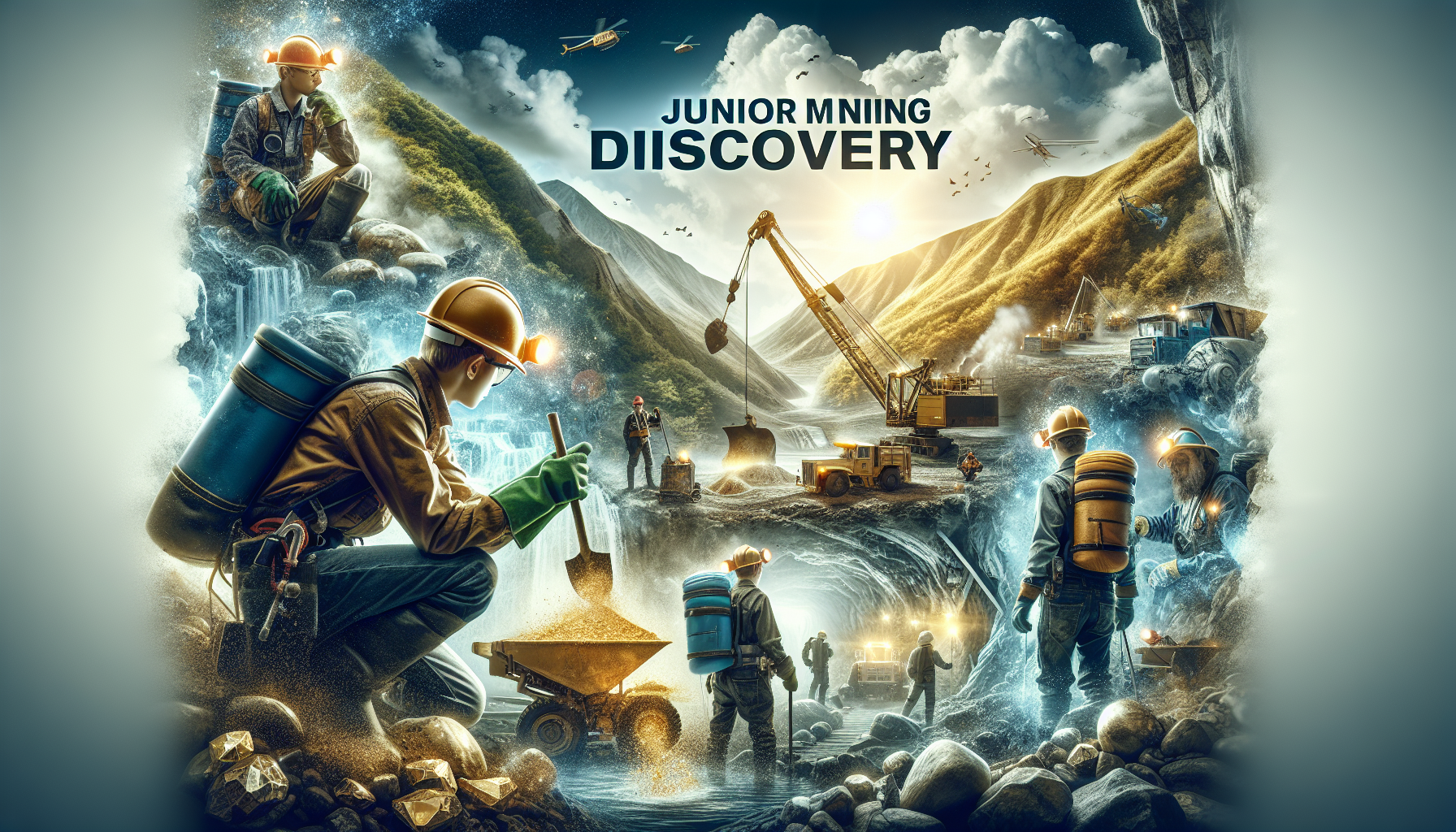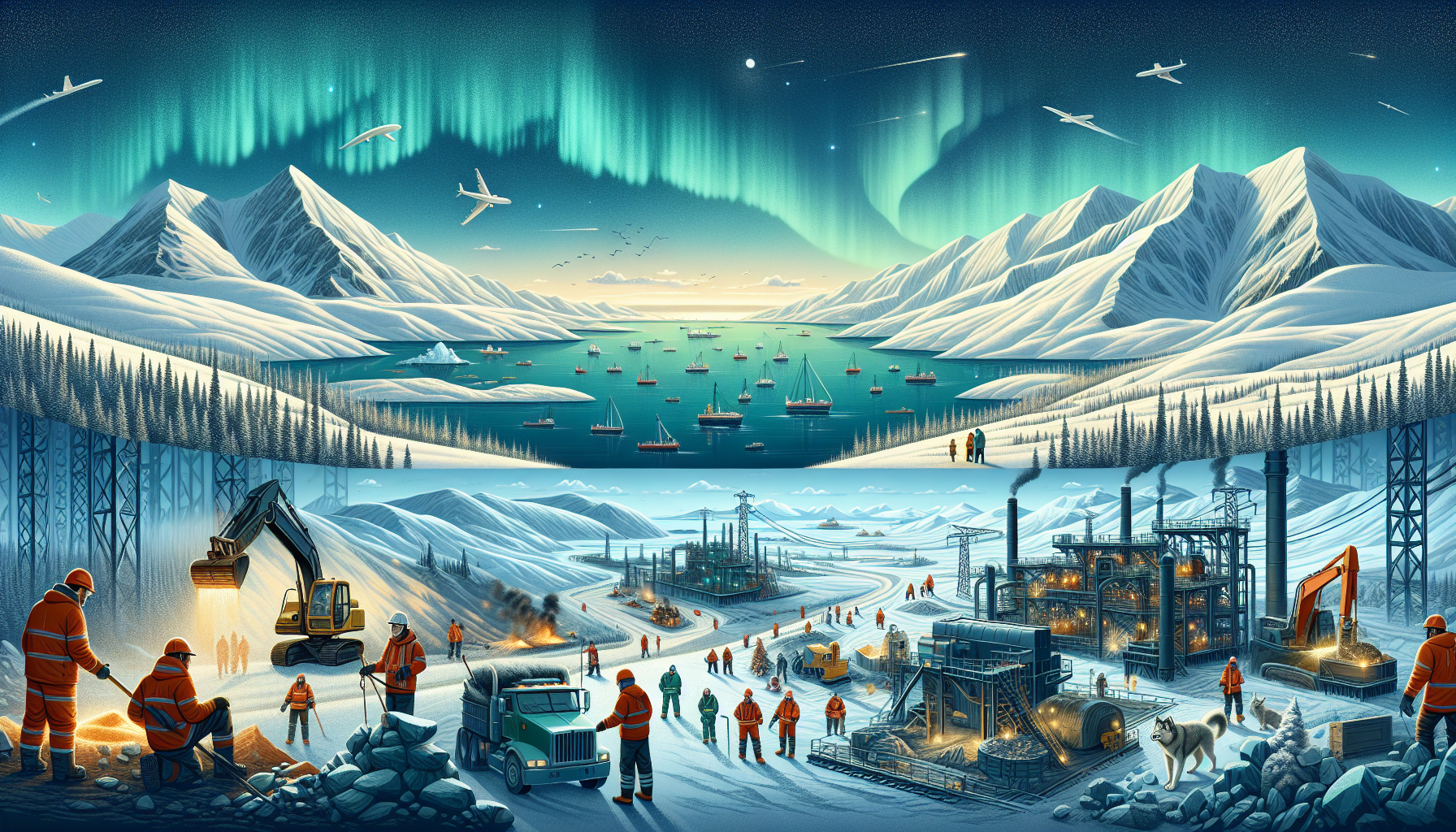
The vast Arctic territories are experiencing an unprecedented transformation as advanced technologies converge with substantial capital investments to unlock previously inaccessible mineral wealth. Northern resource development has evolved from rudimentary extraction methods to sophisticated operations that leverage artificial intelligence, autonomous systems, and sustainable practices to meet growing global demand for critical minerals.
Investment flows into Arctic regions have accelerated dramatically, driven by geopolitical shifts and the urgent need for rare earth elements essential to renewable energy infrastructure. Major mining corporations are deploying billions of dollars in cutting-edge equipment designed to operate in extreme conditions, while smaller exploration companies utilize satellite imaging and machine learning algorithms to identify promising deposits beneath permafrost layers.
The technological revolution in northern resource development extends beyond traditional mining equipment. Autonomous hauling systems now navigate treacherous terrain with precision that surpasses human operators, while remote-controlled drilling platforms can operate continuously despite harsh weather conditions that would halt conventional operations. These innovations have reduced operational costs by up to 35% while significantly improving worker safety in dangerous Arctic environments.
Environmental considerations play an increasingly central role in modern northern resource development strategies. Companies are implementing advanced water treatment systems, utilizing renewable energy sources for remote operations, and developing restoration techniques specifically designed for fragile Arctic ecosystems. These sustainable practices are not merely regulatory compliance measures but strategic investments that enhance long-term project viability and community acceptance.
Strategic Investment Patterns Reshape Arctic Resource Landscape
Global supply chain disruptions have accelerated investment in northern resource development as nations seek to diversify their mineral supply sources. Countries with substantial Arctic territories are implementing favorable regulatory frameworks to attract international investment while maintaining strict environmental standards. This balanced approach has resulted in a surge of public-private partnerships that combine government support with private sector expertise and capital.
The infrastructure requirements for successful northern resource development projects have attracted additional waves of investment. Transportation networks, power generation facilities, and communication systems designed for Arctic conditions represent multi-billion-dollar opportunities that extend far beyond the mining sector itself. These infrastructure investments create economic multiplier effects that benefit entire regional economies and indigenous communities.
Risk assessment methodologies have become increasingly sophisticated as investors recognize both the tremendous opportunities and unique challenges associated with northern resource development. Climate change impacts on permafrost stability, shifting ice conditions, and extreme weather patterns require comprehensive modeling and adaptive management strategies that traditional mining operations rarely encounter.
Technology Integration Drives Operational Excellence
The integration of Internet of Things (IoT) sensors throughout northern resource development operations provides real-time monitoring capabilities that were unimaginable just a few years ago. These sensor networks track equipment performance, environmental conditions, and resource quality simultaneously, enabling predictive maintenance schedules that minimize costly equipment failures in remote locations where replacement parts and technical expertise may be thousands of miles away.
Advanced data analytics platforms process vast amounts of information generated by modern northern resource development operations, identifying optimization opportunities and potential problems before they impact production schedules. Machine learning algorithms continuously improve operational efficiency by analyzing historical performance data and environmental conditions to recommend optimal extraction strategies.
Satellite communication systems and high-speed internet connectivity have transformed remote Arctic mining operations from isolated outposts into fully integrated components of global supply chains. Real-time collaboration between Arctic operations and engineering teams in major urban centers enables rapid problem-solving and continuous process improvement that was previously impossible due to communication limitations.
The convergence of technological innovation and strategic investment in northern resource development represents a fundamental shift in how the global economy accesses critical minerals. As climate change opens new Arctic territories while simultaneously increasing demand for clean energy minerals, the companies and nations that master sustainable northern resource development will play pivotal roles in shaping the world’s energy transition. The substantial investments being made today in Arctic mining technology and infrastructure are laying the foundation for decades of economic growth while establishing new standards for environmentally responsible resource extraction in the world’s most challenging environments.