
resource investment

Why Northern Resource Development Is Becoming the World’s Most Strategic Investment Priority

The Arctic is experiencing an unprecedented transformation as technological breakthroughs and shifting global dynamics converge to unlock vast resource potential previously considered inaccessible. Northern resource development has emerged from the periphery of global economics to become a cornerstone of strategic national planning, corporate investment, and sustainable development initiatives worldwide.

Climate change, while presenting significant environmental challenges, has paradoxically opened new pathways for northern resource development. Reduced ice coverage and extended operational seasons have made previously unreachable deposits of critical minerals, rare earth elements, and energy resources increasingly viable for extraction. Advanced satellite imaging and AI-powered geological mapping have revealed resource concentrations in northern territories that dwarf many traditional mining regions.

The geopolitical implications of northern resource development cannot be overstated. Nations with Arctic territories are positioning themselves as future suppliers of materials essential for renewable energy infrastructure, electric vehicle batteries, and advanced manufacturing. Countries like Canada, Norway, Russia, and the United States are investing billions in infrastructure projects designed to support resource extraction in harsh northern environments.

Technological innovation stands at the heart of modern northern resource development strategies. Autonomous mining equipment capable of operating in extreme temperatures, advanced logistics systems utilizing drone technology for supply chain management, and revolutionary cold-weather processing techniques are transforming how resources are extracted and transported from remote northern locations. These technological advances have reduced operational costs while improving safety standards in environments where traditional methods proved prohibitively expensive or dangerous.

The investment landscape surrounding northern resource development reflects growing confidence in both technological capabilities and market demand. Venture capital firms are directing substantial funding toward companies developing cold-climate extraction technologies, while major multinational corporations are establishing partnerships with northern communities to secure long-term resource access rights. Private equity investments in northern infrastructure projects have increased dramatically as investors recognize the strategic value of controlling supply chains for critical materials.

Environmental sustainability considerations are increasingly integrated into northern resource development planning. Companies are implementing carbon-neutral extraction processes, utilizing renewable energy sources for power generation in remote locations, and developing rehabilitation programs that restore ecosystems following resource extraction. These sustainability measures are not merely regulatory compliance strategies but competitive advantages that attract environmentally conscious investors and consumers.

Indigenous communities play a crucial role in shaping northern resource development policies and practices. Traditional knowledge systems provide valuable insights into sustainable resource management, while community partnerships ensure that development benefits local populations. Progressive resource companies are establishing revenue-sharing agreements and employment programs that create long-term economic opportunities for northern communities while respecting cultural values and environmental stewardship traditions.

The economic multiplier effects of northern resource development extend far beyond extraction activities. Infrastructure investments required to support resource operations create employment opportunities in construction, transportation, and technical services. Northern communities benefit from improved telecommunications, healthcare facilities, and educational resources that accompany major development projects.

Supply chain security concerns are driving renewed interest in northern resource development as nations seek to reduce dependence on volatile international markets. Domestic resource development in northern territories provides strategic advantages during geopolitical tensions and trade disputes. Countries with substantial northern resource potential are positioning these assets as foundations for economic independence and national security.

Market analysts project continued growth in northern resource development investments as demand for critical minerals intensifies. The global transition toward renewable energy systems requires unprecedented quantities of lithium, cobalt, rare earth elements, and other materials abundant in northern territories. Traditional resource-producing regions are experiencing depletion, making northern deposits increasingly valuable for meeting future demand.

As technological capabilities continue advancing and global resource demand intensifies, northern resource development represents more than an economic opportunity—it embodies a fundamental shift in how nations approach energy security, environmental stewardship, and sustainable economic growth. The regions once considered too remote and challenging for meaningful resource extraction are becoming the strategic foundations upon which future prosperity will be built, making northern resource development one of the most compelling investment themes of our time.
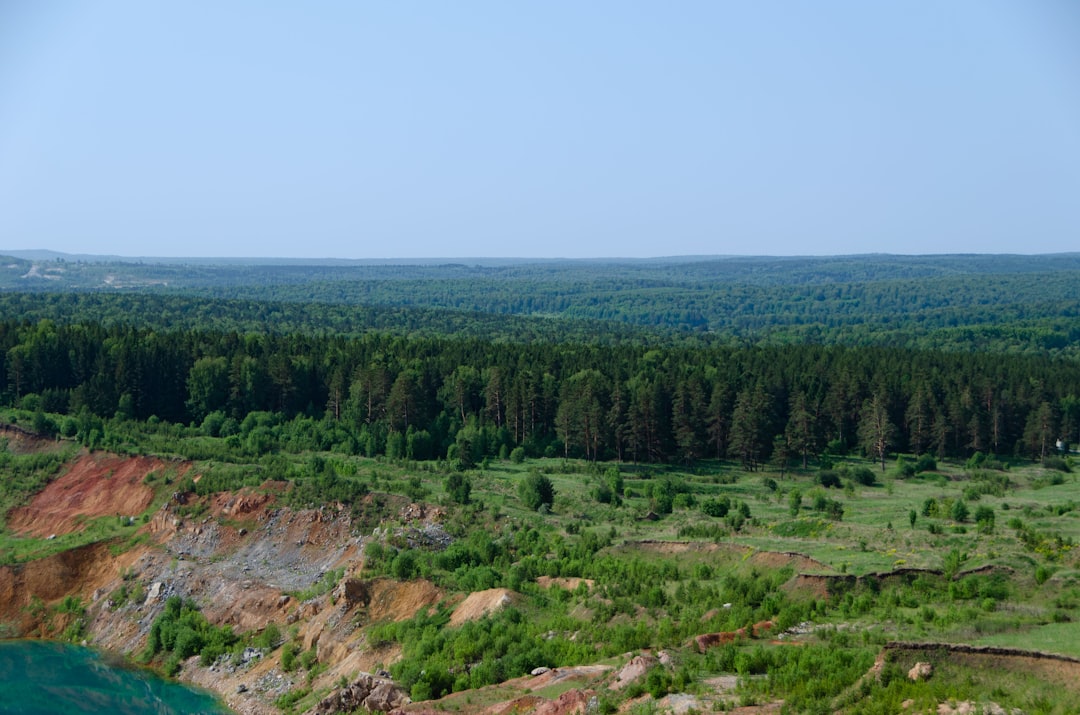
Why Northern Resource Development Is Attracting Billions in Technology Investment Despite Climate Challenges

The Arctic circle holds approximately 13% of the world’s oil reserves and 30% of its natural gas, yet only a fraction has been extracted. As global demand for critical minerals surges and technology advances rapidly, northern resource development has emerged as one of the most compelling investment frontiers, attracting unprecedented capital flows despite environmental and logistical challenges.

What makes this transformation particularly striking is how artificial intelligence, robotics, and sustainable extraction methods are fundamentally reshaping what was once considered economically unfeasible. Major corporations and sovereign wealth funds are now pouring billions into northern territories, betting that technological breakthroughs will unlock vast mineral wealth while addressing environmental concerns.

Advanced Technologies Revolutionizing Arctic Extraction

Modern northern resource development relies heavily on cutting-edge technology to overcome extreme conditions. Autonomous drilling systems now operate in temperatures as low as -40°F, while AI-powered geological surveys can identify resource deposits with 85% greater accuracy than traditional methods. Companies like Rio Tinto and BHP have deployed unmanned aerial vehicles and satellite imaging to map potential sites across northern Canada, Alaska, and Greenland.

Remote-controlled mining equipment reduces human exposure to harsh conditions while increasing operational efficiency. These robotic systems can work continuously through polar nights and extreme weather events, maintaining productivity levels that would be impossible with conventional approaches. The integration of IoT sensors throughout operations provides real-time monitoring of equipment performance and environmental impact.

Critical Minerals Driving Investment Momentum

The global transition to renewable energy has created massive demand for lithium, cobalt, rare earth elements, and copper—many of which are abundant in northern regions. Greenland alone is estimated to contain 25.5 million tons of rare earth oxides, representing a significant portion of global reserves outside China.

Northern resource development projects are particularly attractive because they offer geographic diversification away from politically unstable regions. The James Bay lithium projects in Quebec have attracted over $2.8 billion in committed investment, while Alaska’s Graphite Creek represents the largest known graphite deposit in North America. These projects benefit from stable regulatory environments and established infrastructure compared to alternatives in developing nations.

Environmental Innovation and Sustainable Practices

Contemporary northern resource development emphasizes environmental stewardship through innovative approaches. Carbon-neutral mining operations are becoming standard, with companies utilizing renewable energy sources like wind and hydroelectric power. Agnico Eagle’s Meadowbank mine in Nunavut operates entirely on wind-diesel hybrid power, reducing carbon emissions by 20% annually.

Water recycling systems now recover up to 95% of process water, while advanced tailings management prevents contamination of Arctic ecosystems. Bioremediation techniques using cold-adapted microorganisms help restore disturbed landscapes more effectively than traditional methods. These environmental innovations aren’t just regulatory compliance measures—they’re becoming competitive advantages that attract ESG-focused investors.

Infrastructure Development and Economic Multipliers

Northern resource development creates significant economic multiplier effects through infrastructure investment. New mining projects require ports, roads, power generation, and telecommunications networks that benefit entire regions. The proposed Nunavut to Manitoba transmission line, driven by mining demand, would provide reliable electricity to remote communities for the first time.

Digital infrastructure development is particularly impactful, with 5G networks and fiber optic cables enabling telemedicine, remote education, and e-commerce in previously isolated areas. These investments create sustainable economic foundations that extend far beyond individual mining projects, supporting long-term regional development.

Geopolitical Implications and Strategic Importance

Northern resource development has become increasingly strategic as nations recognize the geopolitical importance of Arctic resources. The United States Critical Materials Strategy specifically identifies northern territories as essential for supply chain security, while Canada’s Critical Minerals Strategy allocates $3.8 billion for northern projects.

China’s belt and road initiative includes significant Arctic components, creating competitive pressure for Western nations to accelerate their own northern resource development programs. This geopolitical dimension ensures continued government support through tax incentives, infrastructure funding, and streamlined permitting processes.

Investment Outlook and Future Opportunities

Market analysts project northern resource development will attract over $45 billion in new investment over the next decade. Battery technology improvements are reducing equipment costs while extending operational capabilities in extreme cold. Advanced materials science is producing infrastructure components that maintain integrity in permafrost conditions, reducing long-term maintenance costs.

Emerging opportunities include deep-sea mining in Arctic waters and the extraction of helium and hydrogen as byproducts of conventional operations. As technology continues advancing, previously marginal deposits become economically viable, expanding the total addressable market significantly.

Northern resource development represents a convergence of technological capability, market demand, and strategic necessity. For investors seeking exposure to critical minerals, technological innovation, and geopolitically stable resources, northern territories offer compelling opportunities. Research specific projects thoroughly, considering both environmental practices and technological approaches, as these factors increasingly determine long-term success in this evolving sector.