sustainable extraction

Breakthrough Technologies Transform Northern Resource Development Into Tomorrow’s Investment Frontier

The harsh landscapes of the Arctic and sub-Arctic regions have long concealed some of the world’s most valuable natural resources, but accessing them has traditionally been a formidable challenge. Today, revolutionary technologies and innovative investment approaches are transforming northern resource development into one of the most promising sectors for long-term growth. From autonomous mining operations to AI-powered exploration techniques, the convergence of technological advancement and strategic capital allocation is reshaping how we think about resource extraction in remote northern territories.

Artificial intelligence and machine learning algorithms have become game-changers in northern resource development, enabling companies to process vast amounts of geological data with unprecedented accuracy. These technologies can identify potential mineral deposits and hydrocarbon reserves that were previously overlooked or deemed too risky to pursue. Advanced satellite imaging combined with AI analysis now allows exploration teams to map subsurface formations across thousands of square miles of northern terrain without setting foot on the ground, dramatically reducing initial exploration costs and environmental impact.

The integration of autonomous systems has revolutionized operational efficiency in harsh northern environments. Self-driving trucks and automated drilling equipment can operate continuously in extreme weather conditions that would halt traditional operations. These systems not only improve safety by reducing human exposure to dangerous conditions but also generate consistent productivity levels throughout the year, addressing one of the historical challenges of seasonal operation constraints in northern resource development projects.

Climate-adaptive infrastructure has emerged as a critical component of successful northern resource development strategies. New materials and construction techniques allow facilities to withstand extreme temperature fluctuations, permafrost instability, and severe weather events. Modular construction approaches enable rapid deployment and reconfiguration of facilities, while advanced insulation and heating systems ensure year-round operation efficiency. This infrastructure resilience directly translates into more predictable cash flows and reduced operational risk for investors.

Investment patterns in northern resource development have shifted toward projects that demonstrate strong environmental stewardship and community engagement. Modern development approaches prioritize minimal environmental footprint through techniques like in-situ processing, which reduces the need for large-scale transportation of raw materials. Additionally, partnerships with indigenous communities have become essential for project success, creating shared value opportunities that benefit local populations while ensuring sustainable resource extraction practices.

The financing landscape for northern resource development has evolved to accommodate the unique challenges and opportunities of these projects. Patient capital from sovereign wealth funds, infrastructure investment funds, and specialized resource investment vehicles provides the long-term financial backing necessary for complex northern developments. Green bonds and sustainability-linked financing instruments are increasingly available for projects that meet strict environmental and social governance criteria, reflecting growing investor demand for responsible resource development.

Energy considerations play a pivotal role in modern northern resource development strategies. Remote locations often lack access to traditional power grids, making energy self-sufficiency crucial for project viability. Hybrid renewable energy systems combining solar, wind, and battery storage with traditional power sources are becoming standard practice. These systems not only reduce operational costs over time but also align with global sustainability goals and regulatory requirements that increasingly favor low-carbon development approaches.

Digital twin technology and real-time monitoring systems enable unprecedented operational optimization in northern resource development projects. These platforms create virtual replicas of entire operations, allowing managers to test scenarios, predict equipment failures, and optimize production schedules without interrupting actual operations. Predictive maintenance algorithms can identify potential equipment issues before they cause costly downtime, particularly crucial in remote locations where replacement parts and technical expertise may be days or weeks away.

The geopolitical significance of northern resource development continues to grow as nations recognize the strategic importance of Arctic and sub-Arctic resources. Countries with northern territories are developing national strategies to promote responsible resource development while maintaining sovereignty over these valuable regions. This political support translates into favorable regulatory frameworks, infrastructure investments, and international cooperation agreements that create more stable operating environments for resource development projects.

Looking ahead, northern resource development represents a compelling intersection of technological innovation, environmental responsibility, and strategic investment opportunity. The sector’s transformation from high-risk, environmentally challenging ventures to technologically sophisticated, sustainably managed operations has opened new possibilities for both resource companies and investors. As technology continues to advance and investment approaches become more sophisticated, northern regions are poised to play an increasingly important role in global resource supply chains while setting new standards for responsible development practices.
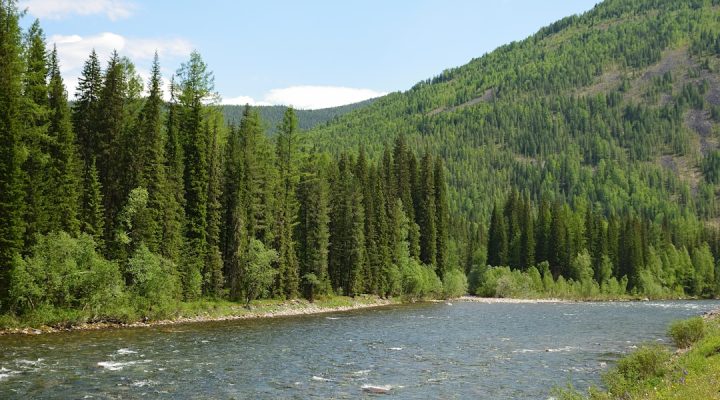
Revolutionary Technologies Transform Northern Resource Development Across Canada’s Arctic Frontier

Canada’s northern territories are experiencing a technological renaissance that’s fundamentally changing how resources are discovered, extracted, and managed across the Arctic frontier. Advanced innovations in artificial intelligence, robotics, and sustainable extraction methods are making previously inaccessible deposits economically viable while minimizing environmental impact. This transformation represents a pivotal moment for northern resource development, combining cutting-edge technology with traditional Indigenous knowledge to create a more sustainable and efficient approach to resource management.

The integration of artificial intelligence and machine learning algorithms has revolutionized exploration techniques in Canada’s northern regions. Mining companies now deploy sophisticated satellite imaging systems combined with AI-powered geological analysis to identify potential mineral deposits with unprecedented accuracy. These systems can process vast amounts of geological data in real-time, reducing exploration timelines from years to months while significantly lowering costs. Remote sensing technologies equipped with hyperspectral imaging capabilities allow geologists to map mineral compositions across thousands of square kilometers without establishing physical presence in harsh Arctic conditions.

Autonomous drilling systems represent another breakthrough in northern resource development technology. These robotic platforms operate continuously in extreme weather conditions that would halt traditional operations, maintaining productivity during Arctic winters when temperatures plummet below -40°C. Advanced drilling algorithms optimize extraction patterns based on real-time geological feedback, maximizing resource recovery while minimizing surface disruption. The precision of these systems has reduced environmental footprints by up to 60% compared to conventional extraction methods, addressing long-standing concerns about industrial impact in pristine northern ecosystems.

Transportation and logistics challenges that historically plagued northern resource development are being solved through innovative technological solutions. Autonomous vehicle convoys now transport materials and equipment across ice roads and tundra terrain, operating around the clock without human drivers. These vehicles communicate through mesh networks that remain functional even when traditional communication infrastructure fails. Additionally, advanced materials and modular construction techniques enable rapid deployment of processing facilities that can be assembled, operated, and completely removed with minimal environmental trace.

The convergence of renewable energy systems with resource extraction operations has created new possibilities for sustainable northern resource development. Solar panel arrays optimized for low-angle Arctic sunlight, combined with advanced battery storage systems, now power remote mining operations throughout the brief summer seasons. Wind turbines designed specifically for Arctic conditions harness the consistent polar winds to generate clean electricity. These renewable energy solutions reduce dependence on expensive diesel fuel transportation while cutting operational carbon emissions by substantial margins.

Digital twin technology has emerged as a game-changing tool for optimizing northern resource development projects. These virtual replicas of physical operations allow engineers to simulate extraction scenarios, predict equipment failures, and optimize production schedules without risking expensive equipment in harsh Arctic conditions. Real-time data from sensors throughout mining operations feeds into these digital models, enabling predictive maintenance that prevents costly breakdowns and extends equipment lifespan in challenging northern environments.

Indigenous communities are increasingly becoming partners and leaders in technological northern resource development initiatives. Traditional ecological knowledge combined with modern scientific methods creates more comprehensive understanding of northern environments and sustainable resource management practices. Collaborative partnerships ensure that technological advancement respects cultural values while providing economic opportunities for northern communities. These partnerships have led to innovative approaches that balance resource extraction with environmental stewardship and cultural preservation.

Blockchain technology is transforming supply chain transparency and resource tracking in northern resource development projects. Immutable digital records track materials from extraction through processing to final delivery, ensuring ethical sourcing and environmental compliance. This transparency builds consumer confidence while enabling companies to command premium prices for responsibly sourced northern resources. Smart contracts automate royalty payments to Indigenous communities and governments, ensuring fair compensation for resource access while reducing administrative overhead.

The future of northern resource development lies in the seamless integration of these advanced technologies with sustainable practices and community partnership. As climate change opens new access routes to previously unreachable deposits, the technological innovations being deployed today will determine whether northern resource development becomes a model for responsible extraction or repeats the environmental mistakes of past industrial projects. The convergence of cutting-edge technology, environmental consciousness, and Indigenous partnership represents a new paradigm that could transform Canada’s northern territories into a global showcase for sustainable resource development in extreme environments.

Smart Technology Transforms Canada’s Northern Resource Development Into a Global Innovation Powerhouse

Canada’s vast northern territories are experiencing a technological revolution that’s reshaping how the nation approaches resource extraction and environmental stewardship. The convergence of artificial intelligence, autonomous systems, and sustainable mining practices has positioned Canadian northern resource development at the forefront of global innovation, creating new opportunities while addressing critical environmental concerns.

The Canadian Arctic contains an estimated 13% of the world’s undiscovered oil reserves and 30% of its undiscovered natural gas, alongside substantial mineral deposits including rare earth elements essential for clean energy technologies. However, the extreme climate, remote locations, and fragile ecosystems have historically made extraction challenging and expensive. Today’s technological breakthroughs are changing that equation dramatically.

Autonomous vehicles and drones now conduct preliminary surveys across thousands of square kilometers of northern terrain, using advanced sensors and satellite imagery to identify promising sites without disturbing sensitive habitats. These systems operate year-round in temperatures that would halt traditional exploration methods, collecting data that feeds into machine learning algorithms capable of predicting resource locations with unprecedented accuracy.

Canadian companies have pioneered modular mining systems specifically designed for northern resource development projects. These portable facilities can be transported to remote sites during winter months when ice roads provide access, then assembled quickly to minimize environmental impact. Advanced water treatment systems ensure that mining operations don’t contaminate local water sources, while real-time monitoring networks track air quality and wildlife movements continuously.

The integration of renewable energy sources has become a defining characteristic of modern northern operations. Solar panels optimized for Arctic conditions, combined with wind turbines designed to withstand extreme weather, now power many remote sites. Energy storage systems using advanced battery technology ensure consistent power supply during the polar night, reducing reliance on diesel generators and dramatically cutting carbon emissions.

Indigenous partnerships have become central to successful northern resource development initiatives. First Nations communities bring traditional ecological knowledge that helps companies understand local ecosystems and seasonal patterns, while modern technology enables remote monitoring that respects traditional hunting and fishing grounds. Revenue-sharing agreements ensure that northern communities benefit directly from resource extraction on their traditional territories.

Blockchain technology has emerged as a powerful tool for ensuring ethical sourcing and supply chain transparency in northern resource development. Digital certificates track materials from extraction through processing, providing buyers with verified proof of sustainable practices and fair labor standards. This transparency has become increasingly valuable as global markets demand responsibly sourced materials.

Canadian universities and research institutions have established northern laboratories that serve as testbeds for next-generation extraction technologies. These facilities develop solutions for unique challenges like permafrost stability, extreme weather equipment reliability, and minimal-impact transportation methods. The research generates intellectual property that Canadian companies license globally, creating additional revenue streams beyond raw material sales.

Climate change paradoxically presents both challenges and opportunities for northern resource development. While thawing permafrost complicates infrastructure development, longer ice-free seasons in Arctic waters extend the window for marine transportation. Advanced climate modeling helps companies adapt their operations to changing conditions while identifying new areas that may become accessible.

The economic impact extends far beyond the extraction sites themselves. Northern resource development projects drive demand for specialized equipment, advanced materials, and technical services, supporting thousands of jobs in southern Canadian manufacturing and technology sectors. Export revenues from northern resources fund continued investment in clean technology development, creating a virtuous cycle of innovation and economic growth.

As global demand for critical minerals accelerates the transition to clean energy, Canada’s northern territories are positioned to become the world’s most technologically advanced and environmentally responsible resource development region. The combination of abundant natural resources, cutting-edge technology, and strong environmental governance creates a competitive advantage that will drive Canadian innovation for decades to come, proving that resource extraction and environmental protection can advance together through smart technology and thoughtful planning.

Why Northern Resource Development Has Become the Investment Focus of This Decade

The Arctic and subarctic regions are experiencing an unprecedented investment surge as technological breakthroughs and climate change converge to unlock previously inaccessible resources. Northern resource development has evolved from a niche frontier venture into a strategic imperative for nations seeking energy security, critical minerals, and economic diversification. This transformation is driven by innovations in extraction technology, environmental monitoring systems, and sustainable development practices that make remote operations both feasible and profitable.

Advanced drilling technologies now enable year-round operations in extreme conditions that once limited activity to brief summer seasons. Autonomous mining equipment reduces operational costs while improving worker safety in harsh environments. Meanwhile, satellite-based monitoring systems provide real-time environmental data, ensuring compliance with increasingly stringent regulatory frameworks. These technological advances have reduced the cost premium of northern operations from 300-400% above temperate zone projects to just 50-100% in many cases.

The geopolitical landscape further accelerates northern resource development as nations reassess supply chain vulnerabilities exposed by recent global disruptions. Canada’s Ring of Fire chromite deposits, Greenland’s rare earth potential, and Alaska’s critical mineral reserves have attracted billions in committed investment. The European Union’s Raw Materials Alliance specifically targets Arctic partnerships to reduce dependence on single-source suppliers, while Asian manufacturers seek direct stakes in northern projects to secure long-term supply agreements.

Climate change paradoxically creates both opportunities and challenges for resource extraction in northern regions. Extended ice-free seasons in Arctic waters facilitate marine transportation and offshore exploration, while thawing permafrost reveals previously frozen mineral deposits. However, these same changes demand new engineering approaches to foundation stability and environmental protection. Companies investing in northern resource development must now budget 15-20% of project costs for climate adaptation measures and enhanced environmental safeguards.

Indigenous communities play an increasingly central role in shaping how northern resource development proceeds. Modern partnership models move beyond traditional consultation toward meaningful equity participation and operational control. The Nunavut Impact Review Board’s recent framework requires Indigenous consent for major projects, while revenue-sharing agreements ensure local communities capture lasting economic benefits. These partnerships often prove advantageous for developers, as Indigenous knowledge enhances project success rates while reducing regulatory delays.

Critical mineral scarcity drives much of the current investment wave in northern resource development. Lithium deposits in northern Quebec, cobalt reserves in the Northwest Territories, and rare earth concentrations in northern Saskatchewan have attracted major mining companies seeking to supply the global energy transition. The U.S. Geological Survey estimates that Arctic regions contain 13% of global oil reserves, 30% of natural gas reserves, and significant concentrations of 15 critical minerals essential for renewable energy infrastructure.

Infrastructure development represents both the largest barrier and greatest opportunity for northern resource development. The Canadian government’s commitment to Arctic transportation corridors includes plans for three new deep-water ports and 2,000 kilometers of all-weather roads connecting resource sites to existing transportation networks. Similarly, Finland’s Arctic Railway project will link northern Sweden’s mining districts to ice-free ports, reducing transportation costs by an estimated 40% for regional producers.

Environmental sustainability concerns shape every aspect of modern northern resource development. Companies now employ artificial intelligence to optimize extraction patterns that minimize ecological disruption, while advanced water treatment systems ensure zero discharge to sensitive Arctic watersheds. Carbon capture technologies are being integrated directly into northern operations, with several projects targeting carbon-negative production by capturing more emissions than their operations generate.

The investment outlook for northern resource development remains strongly positive despite higher upfront costs and longer development timelines. Institutional investors increasingly view northern projects as essential portfolio components for inflation protection and supply chain security. Sovereign wealth funds from resource-importing nations have committed over $50 billion to northern development projects, while private equity firms establish specialized Arctic investment funds targeting mid-tier opportunities.

Technology transfer from other extreme environment industries continues to benefit northern resource development. Offshore oil platform technologies adapt well to Arctic conditions, while space industry innovations in remote sensing and autonomous operations prove valuable for northern mining applications. This cross-pollination accelerates cost reductions and reliability improvements across the sector.

The convergence of technological capability, geopolitical necessity, and capital availability positions northern resource development as one of the most significant investment themes of the coming decade. While challenges remain substantial, the combination of resource scarcity, climate adaptation, and technological innovation creates compelling opportunities for investors, communities, and nations prepared to navigate the complexities of Arctic development responsibly.

Why Northern Resource Development Is Becoming the World’s Most Strategic Investment Priority

The Arctic is experiencing an unprecedented transformation as technological breakthroughs and shifting global dynamics converge to unlock vast resource potential previously considered inaccessible. Northern resource development has emerged from the periphery of global economics to become a cornerstone of strategic national planning, corporate investment, and sustainable development initiatives worldwide.

Climate change, while presenting significant environmental challenges, has paradoxically opened new pathways for northern resource development. Reduced ice coverage and extended operational seasons have made previously unreachable deposits of critical minerals, rare earth elements, and energy resources increasingly viable for extraction. Advanced satellite imaging and AI-powered geological mapping have revealed resource concentrations in northern territories that dwarf many traditional mining regions.

The geopolitical implications of northern resource development cannot be overstated. Nations with Arctic territories are positioning themselves as future suppliers of materials essential for renewable energy infrastructure, electric vehicle batteries, and advanced manufacturing. Countries like Canada, Norway, Russia, and the United States are investing billions in infrastructure projects designed to support resource extraction in harsh northern environments.

Technological innovation stands at the heart of modern northern resource development strategies. Autonomous mining equipment capable of operating in extreme temperatures, advanced logistics systems utilizing drone technology for supply chain management, and revolutionary cold-weather processing techniques are transforming how resources are extracted and transported from remote northern locations. These technological advances have reduced operational costs while improving safety standards in environments where traditional methods proved prohibitively expensive or dangerous.

The investment landscape surrounding northern resource development reflects growing confidence in both technological capabilities and market demand. Venture capital firms are directing substantial funding toward companies developing cold-climate extraction technologies, while major multinational corporations are establishing partnerships with northern communities to secure long-term resource access rights. Private equity investments in northern infrastructure projects have increased dramatically as investors recognize the strategic value of controlling supply chains for critical materials.

Environmental sustainability considerations are increasingly integrated into northern resource development planning. Companies are implementing carbon-neutral extraction processes, utilizing renewable energy sources for power generation in remote locations, and developing rehabilitation programs that restore ecosystems following resource extraction. These sustainability measures are not merely regulatory compliance strategies but competitive advantages that attract environmentally conscious investors and consumers.

Indigenous communities play a crucial role in shaping northern resource development policies and practices. Traditional knowledge systems provide valuable insights into sustainable resource management, while community partnerships ensure that development benefits local populations. Progressive resource companies are establishing revenue-sharing agreements and employment programs that create long-term economic opportunities for northern communities while respecting cultural values and environmental stewardship traditions.

The economic multiplier effects of northern resource development extend far beyond extraction activities. Infrastructure investments required to support resource operations create employment opportunities in construction, transportation, and technical services. Northern communities benefit from improved telecommunications, healthcare facilities, and educational resources that accompany major development projects.

Supply chain security concerns are driving renewed interest in northern resource development as nations seek to reduce dependence on volatile international markets. Domestic resource development in northern territories provides strategic advantages during geopolitical tensions and trade disputes. Countries with substantial northern resource potential are positioning these assets as foundations for economic independence and national security.

Market analysts project continued growth in northern resource development investments as demand for critical minerals intensifies. The global transition toward renewable energy systems requires unprecedented quantities of lithium, cobalt, rare earth elements, and other materials abundant in northern territories. Traditional resource-producing regions are experiencing depletion, making northern deposits increasingly valuable for meeting future demand.

As technological capabilities continue advancing and global resource demand intensifies, northern resource development represents more than an economic opportunity—it embodies a fundamental shift in how nations approach energy security, environmental stewardship, and sustainable economic growth. The regions once considered too remote and challenging for meaningful resource extraction are becoming the strategic foundations upon which future prosperity will be built, making northern resource development one of the most compelling investment themes of our time.

Why Northern Resource Development Is Attracting Billions in Technology Investment Despite Climate Challenges

The Arctic circle holds approximately 13% of the world’s oil reserves and 30% of its natural gas, yet only a fraction has been extracted. As global demand for critical minerals surges and technology advances rapidly, northern resource development has emerged as one of the most compelling investment frontiers, attracting unprecedented capital flows despite environmental and logistical challenges.

What makes this transformation particularly striking is how artificial intelligence, robotics, and sustainable extraction methods are fundamentally reshaping what was once considered economically unfeasible. Major corporations and sovereign wealth funds are now pouring billions into northern territories, betting that technological breakthroughs will unlock vast mineral wealth while addressing environmental concerns.

Advanced Technologies Revolutionizing Arctic Extraction

Modern northern resource development relies heavily on cutting-edge technology to overcome extreme conditions. Autonomous drilling systems now operate in temperatures as low as -40°F, while AI-powered geological surveys can identify resource deposits with 85% greater accuracy than traditional methods. Companies like Rio Tinto and BHP have deployed unmanned aerial vehicles and satellite imaging to map potential sites across northern Canada, Alaska, and Greenland.

Remote-controlled mining equipment reduces human exposure to harsh conditions while increasing operational efficiency. These robotic systems can work continuously through polar nights and extreme weather events, maintaining productivity levels that would be impossible with conventional approaches. The integration of IoT sensors throughout operations provides real-time monitoring of equipment performance and environmental impact.

Critical Minerals Driving Investment Momentum

The global transition to renewable energy has created massive demand for lithium, cobalt, rare earth elements, and copper—many of which are abundant in northern regions. Greenland alone is estimated to contain 25.5 million tons of rare earth oxides, representing a significant portion of global reserves outside China.

Northern resource development projects are particularly attractive because they offer geographic diversification away from politically unstable regions. The James Bay lithium projects in Quebec have attracted over $2.8 billion in committed investment, while Alaska’s Graphite Creek represents the largest known graphite deposit in North America. These projects benefit from stable regulatory environments and established infrastructure compared to alternatives in developing nations.

Environmental Innovation and Sustainable Practices

Contemporary northern resource development emphasizes environmental stewardship through innovative approaches. Carbon-neutral mining operations are becoming standard, with companies utilizing renewable energy sources like wind and hydroelectric power. Agnico Eagle’s Meadowbank mine in Nunavut operates entirely on wind-diesel hybrid power, reducing carbon emissions by 20% annually.

Water recycling systems now recover up to 95% of process water, while advanced tailings management prevents contamination of Arctic ecosystems. Bioremediation techniques using cold-adapted microorganisms help restore disturbed landscapes more effectively than traditional methods. These environmental innovations aren’t just regulatory compliance measures—they’re becoming competitive advantages that attract ESG-focused investors.

Infrastructure Development and Economic Multipliers

Northern resource development creates significant economic multiplier effects through infrastructure investment. New mining projects require ports, roads, power generation, and telecommunications networks that benefit entire regions. The proposed Nunavut to Manitoba transmission line, driven by mining demand, would provide reliable electricity to remote communities for the first time.

Digital infrastructure development is particularly impactful, with 5G networks and fiber optic cables enabling telemedicine, remote education, and e-commerce in previously isolated areas. These investments create sustainable economic foundations that extend far beyond individual mining projects, supporting long-term regional development.

Geopolitical Implications and Strategic Importance

Northern resource development has become increasingly strategic as nations recognize the geopolitical importance of Arctic resources. The United States Critical Materials Strategy specifically identifies northern territories as essential for supply chain security, while Canada’s Critical Minerals Strategy allocates $3.8 billion for northern projects.

China’s belt and road initiative includes significant Arctic components, creating competitive pressure for Western nations to accelerate their own northern resource development programs. This geopolitical dimension ensures continued government support through tax incentives, infrastructure funding, and streamlined permitting processes.

Investment Outlook and Future Opportunities

Market analysts project northern resource development will attract over $45 billion in new investment over the next decade. Battery technology improvements are reducing equipment costs while extending operational capabilities in extreme cold. Advanced materials science is producing infrastructure components that maintain integrity in permafrost conditions, reducing long-term maintenance costs.

Emerging opportunities include deep-sea mining in Arctic waters and the extraction of helium and hydrogen as byproducts of conventional operations. As technology continues advancing, previously marginal deposits become economically viable, expanding the total addressable market significantly.

Northern resource development represents a convergence of technological capability, market demand, and strategic necessity. For investors seeking exposure to critical minerals, technological innovation, and geopolitically stable resources, northern territories offer compelling opportunities. Research specific projects thoroughly, considering both environmental practices and technological approaches, as these factors increasingly determine long-term success in this evolving sector.