Canadian mining technology

Breakthrough Digital Mining Platforms Transform Global Potash Market Signal Analysis

Canadian innovation is reshaping how global investors interpret commodity markets, with breakthrough digital platforms providing unprecedented clarity in potash market signal analysis. Advanced artificial intelligence systems developed by Toronto-based AgriTech Solutions and Vancouver’s Resource Analytics Corp are delivering real-time insights that traditional forecasting methods simply cannot match.

These sophisticated platforms aggregate data from satellite imagery, soil composition databases, weather pattern algorithms, and global supply chain metrics to generate comprehensive potash market signals. The technology represents a quantum leap from conventional analysis methods that relied heavily on historical price data and quarterly production reports. Now, investors can access predictive insights that factor in everything from Brazilian soybean planting intentions to Ukrainian agricultural recovery patterns.

The timing couldn’t be more critical. Global potash demand continues its upward trajectory as food security concerns intensify worldwide. Countries across Asia, Africa, and Latin America are expanding agricultural output to feed growing populations, creating sustained pressure on potash supplies. Canada, controlling approximately 35% of global potash production capacity, sits at the center of this expanding market opportunity.

Resource Analytics Corp’s flagship platform processes over 50,000 data points daily, generating potash market signal reports that major investment firms now consider essential reading. The system’s machine learning algorithms identify patterns invisible to human analysts, such as correlations between specific weather events in key growing regions and subsequent fertilizer demand spikes occurring months later. This predictive capability has proven invaluable for portfolio managers seeking exposure to agricultural commodity cycles.

Advanced Data Integration Drives Market Precision

The technological sophistication of these platforms extends far beyond simple price tracking. AgriTech Solutions has developed proprietary sensors that monitor soil nutrient levels across thousands of agricultural sites globally. This ground-level data feeds directly into their potash market signal algorithms, providing insights into actual fertilizer needs rather than projected demand estimates.

Integration with blockchain-based supply chain networks adds another layer of precision. Smart contracts automatically report potash shipments, inventory levels, and delivery confirmations across major trading routes. This real-time visibility eliminates much of the speculation that historically drove commodity market volatility. Investors can now track potash flows from Canadian mines to end-users in Brazil, India, and Southeast Asia with remarkable accuracy.

The platforms also incorporate geopolitical risk assessments, factoring in trade policy changes, currency fluctuations, and regional stability indicators. When sanctions affected certain potash exporters in previous years, these systems immediately recalibrated market projections and highlighted supply gap opportunities for Canadian producers. Such rapid analytical adaptation provides crucial competitive advantages in fast-moving commodity markets.

Investment Implications and Market Response

Major institutional investors are restructuring their commodity allocation strategies based on insights from these advanced potash market signal platforms. BlackRock and Vanguard have both increased their Canadian potash sector weightings following algorithm-generated buy signals that preceded significant price appreciation periods.

The technology is also democratizing access to sophisticated market analysis. Previously, only major trading houses and investment banks could afford the resources needed for comprehensive commodity forecasting. Now, mid-sized agricultural companies and regional investment funds can access institutional-quality potash market signals through subscription-based platforms.

Canadian potash producers are leveraging these insights for production planning and pricing strategies. Nutrien and Mosaic use the platforms’ demand forecasting capabilities to optimize mine scheduling and inventory management. This improved operational efficiency translates directly into enhanced profitability and more stable revenue streams.

The emergence of AI-powered commodity analysis represents more than just technological advancement—it’s fundamentally changing how global markets function. As these Canadian innovations continue evolving, the potash market signal landscape will become increasingly sophisticated, providing investors with the precise, actionable intelligence needed to navigate complex agricultural commodity cycles. The convergence of technology and natural resources positions Canada at the forefront of the next generation of commodity market analysis, creating substantial opportunities for both domestic companies and international investors seeking exposure to this critical agricultural sector.

Smart Investors Turn to Resource Royalty Opportunities as Technology Transforms Mining Economics

The convergence of advanced technology and natural resource extraction is creating unprecedented investment potential in the royalty sector. As mining operations become increasingly sophisticated and efficient, the resource royalty opportunity landscape is attracting institutional and individual investors seeking exposure to commodity upside without operational risks. This transformation represents one of the most compelling investment themes in today’s evolving resource markets.

Traditional mining investments have long carried significant operational, environmental, and capital allocation risks. Resource royalties offer a fundamentally different approach, providing investors with exposure to commodity price appreciation while avoiding the complexities of mine management, labor disputes, and regulatory compliance. This structural advantage becomes even more pronounced as technological innovations drive down extraction costs and improve resource recovery rates.

Technology-Driven Efficiency Gains Boost Royalty Values

Modern mining operations are leveraging artificial intelligence, autonomous equipment, and advanced data analytics to optimize extraction processes. These technological advances directly benefit royalty holders by increasing the volume and value of extracted resources without requiring additional capital investment from royalty owners. Automated drilling systems can now identify high-grade ore deposits with remarkable precision, while AI-powered logistics optimize transportation and processing workflows.

The implementation of Internet of Things (IoT) sensors throughout mining operations provides real-time monitoring of equipment performance, geological conditions, and safety parameters. This connectivity enables predictive maintenance protocols that minimize downtime and maximize production consistency. For royalty investors, these improvements translate directly into more stable and potentially higher cash flows from their resource royalty opportunity positions.

Machine learning algorithms are revolutionizing geological surveying and resource estimation, leading to more accurate reserve calculations and improved mine planning. Companies utilizing these technologies report extraction efficiency improvements of 15-30% compared to traditional methods, significantly enhancing the underlying value proposition for royalty stakeholders.

Diversified Commodity Exposure Through Strategic Royalty Portfolios

The modern resource royalty opportunity extends beyond traditional precious metals to include critical minerals essential for renewable energy infrastructure. Lithium, cobalt, rare earth elements, and copper royalties have gained substantial investor attention as global electrification trends accelerate. This diversification provides royalty investors with exposure to multiple commodity cycles and reduces concentration risk.

Leading royalty companies are actively expanding their portfolios to include battery metals and technology minerals, recognizing the long-term demand drivers associated with electric vehicle adoption and renewable energy storage solutions. These strategic acquisitions often occur during early-stage development phases, allowing royalty investors to benefit from the full value creation cycle as projects advance toward production.

Geographic diversification within royalty portfolios adds another layer of risk mitigation, with exposure across stable mining jurisdictions in North America, Australia, and select emerging markets. This approach helps insulate investors from region-specific political or regulatory risks while maintaining broad commodity market participation.

Capital Efficiency and Cash Flow Advantages

Resource royalty investments demonstrate superior capital efficiency compared to traditional mining equity investments. Royalty companies typically maintain lean operational structures with minimal capital expenditure requirements, resulting in higher free cash flow conversion rates. This efficiency enables consistent dividend payments and opportunistic portfolio expansion through strategic acquisitions.

The cash flow profile of a well-structured resource royalty opportunity provides predictable income streams with built-in inflation protection through commodity price exposure. Unlike fixed-income investments, royalty payments fluctuate with underlying commodity values, offering natural hedging against currency debasement and inflationary pressures.

Additionally, royalty agreements often include minimum payment provisions and escalation clauses that provide downside protection while maintaining full upside participation. These structural features create asymmetric risk-reward profiles that appeal to income-focused and growth-oriented investors alike.

ESG Considerations and Sustainable Resource Development

Environmental, social, and governance factors increasingly influence resource investment decisions, and royalty structures offer unique advantages in this evolving landscape. Royalty companies can influence operational practices through their agreements while avoiding direct responsibility for environmental compliance and community relations.

Many royalty agreements now include specific provisions requiring adherence to international environmental standards and sustainable mining practices. This approach allows investors to participate in resource development while supporting responsible extraction methods and community engagement initiatives.

The resource royalty opportunity model aligns particularly well with ESG investment mandates, as royalty companies typically maintain smaller environmental footprints and can leverage their financial influence to promote best practices across their portfolio assets. This positioning becomes increasingly valuable as institutional investors integrate sustainability criteria into their allocation decisions.

Technology-enhanced resource royalty investments represent a compelling intersection of traditional commodity exposure and modern operational efficiency. As mining operations continue adopting advanced technologies and sustainable practices, the underlying economics supporting royalty investments strengthen considerably. Investors seeking diversified commodity exposure with superior capital efficiency should carefully evaluate the expanding resource royalty opportunity landscape, which offers unique advantages in today’s evolving investment environment.

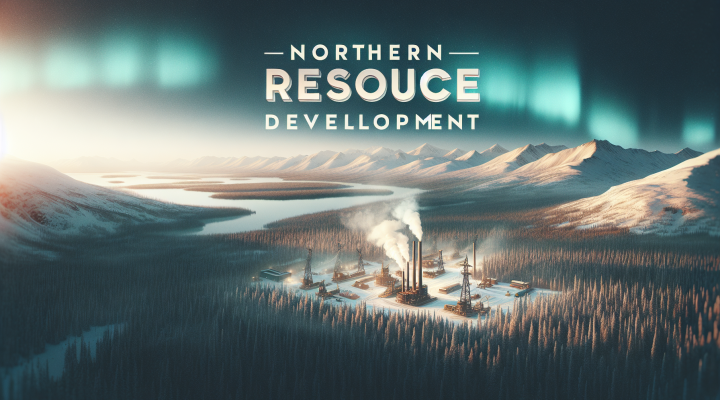
Revolutionary Technologies Transform Northern Resource Development Across Canada’s Remote Frontiers

Canada’s vast northern territories are experiencing an unprecedented transformation as breakthrough technologies revolutionize resource extraction and development practices. From the diamond mines of the Northwest Territories to the oil sands of northern Alberta, innovative solutions are addressing the unique challenges of operating in some of the world’s most demanding environments while setting new standards for sustainability and efficiency.

The landscape of northern resource development has evolved dramatically as companies integrate artificial intelligence, autonomous systems, and advanced materials science into their operations. Mining giants like Rio Tinto and Barrick Gold are deploying AI-powered predictive analytics to optimize extraction processes, reducing waste by up to 30% while maximizing yield from existing sites. These systems analyze geological data in real-time, identifying optimal drilling locations and predicting equipment failures before they occur, significantly reducing costly downtime in remote locations where repairs can take weeks to complete.

Autonomous vehicle technology has become a game-changer for northern resource development projects, where harsh weather conditions and remote locations create substantial logistical challenges. Self-driving haul trucks now operate around the clock in temperatures as low as -40°C, moving millions of tons of materials with precision that human operators cannot match. These vehicles communicate with each other and central control systems, creating coordinated convoys that reduce fuel consumption by 15% while eliminating the safety risks associated with human drivers in dangerous conditions.

Environmental sustainability has moved from an afterthought to a central pillar of modern northern resource development strategies. Companies are implementing closed-loop water systems that recycle 95% of process water, while advanced waste rock processing technologies extract valuable minerals from previously discarded materials. Bioremediation techniques using specially adapted microorganisms are accelerating land restoration in areas where traditional methods would take decades to show results.

The integration of renewable energy sources represents another revolutionary shift in northern resource development. Solar panel arrays designed to function in extreme cold conditions now power remote mining operations during the long summer days, while advanced battery storage systems maintain operations through polar nights. Wind turbines engineered to withstand arctic conditions provide consistent power generation, reducing diesel fuel dependency by up to 60% at some sites. These innovations not only reduce environmental impact but also significantly lower operational costs in regions where fuel transportation can cost ten times more than in southern locations.

Satellite technology and advanced communication networks have transformed how northern resource development projects manage operations and safety protocols. High-resolution satellite imagery updated daily allows operators to monitor environmental conditions, track wildlife movements, and detect potential issues across thousands of square kilometers. Real-time communication systems ensure that workers in the most remote locations maintain constant contact with emergency services and technical support teams, dramatically improving response times during critical situations.

Digital twin technology is revolutionizing project planning and optimization in northern resource development by creating precise virtual replicas of mining operations, processing facilities, and transportation networks. These digital models incorporate real-time sensor data from thousands of monitoring points, allowing operators to test scenarios, optimize processes, and predict outcomes without risking expensive equipment or environmental damage. Companies report that digital twin implementations have reduced project development timelines by 25% while improving safety outcomes across all operational phases.

The convergence of these technological advances is creating unprecedented opportunities for northern resource development while addressing long-standing challenges around environmental stewardship, worker safety, and economic viability. As these innovations continue to mature and integrate with each other, Canada’s northern territories are positioning themselves as global leaders in responsible resource extraction, proving that cutting-edge technology and environmental responsibility can work hand in hand to unlock the vast potential of these remote frontiers.

Canadian Mining Giants Signal Dramatic Shift in Global Copper Markets Through Revolutionary Tech Breakthroughs

Canada’s mining sector is experiencing a technological revolution that promises to fundamentally reshape global copper markets. From AI-powered extraction techniques to breakthrough recycling innovations, Canadian companies are positioning themselves at the forefront of meeting surging global demand for this critical metal. The copper demand outlook has never looked more promising, driven by electrification trends, renewable energy infrastructure, and the ongoing digital transformation across industries.

Major Canadian mining corporations are reporting unprecedented investment levels in research and development, with several breakthrough technologies already showing commercial viability. These innovations come at a crucial time when global copper consumption is projected to reach new heights, creating both opportunities and challenges for traditional mining operations worldwide.

Revolutionary Extraction Technologies Transform Mining Efficiency

Canadian mining companies have unveiled groundbreaking extraction technologies that dramatically increase copper recovery rates while reducing environmental impact. Advanced AI-driven ore processing systems developed by leading Canadian tech firms are now achieving copper extraction rates exceeding 98%, compared to traditional methods that typically recover 85-90% of available copper.

These technological advances directly impact the copper demand outlook by significantly expanding the economically viable copper reserves. Mining operations that were previously considered marginal are now becoming profitable ventures. Companies like Teck Resources and First Quantum Minerals have reported that their new extraction technologies can process lower-grade ores economically, effectively doubling their recoverable copper reserves.

The implementation of robotic mining systems and autonomous vehicles in Canadian copper mines has reduced operational costs by up to 35% while improving worker safety. These efficiency gains are critical as global demand for copper continues to accelerate, particularly in electric vehicle manufacturing and renewable energy infrastructure development.

Sustainable Mining Practices Drive Long-Term Market Confidence

Environmental sustainability has become a cornerstone of Canadian copper mining operations, directly influencing the long-term copper demand outlook. Canadian companies are pioneering closed-loop mining systems that minimize water usage and eliminate toxic waste production, addressing growing environmental concerns from global consumers and governments.

The development of carbon-neutral mining operations is particularly significant for copper demand projections. Major automotive and technology companies are increasingly requiring their copper suppliers to meet strict environmental standards. Canadian mining companies that achieve carbon neutrality are securing premium pricing contracts, often 15-20% above market rates, for their copper output.

Advanced bioleaching techniques developed at Canadian research institutions are revolutionizing how copper is extracted from sulfide ores. These biological processes eliminate the need for high-temperature smelting, reducing energy consumption by up to 60% and virtually eliminating sulfur dioxide emissions. This breakthrough technology is attracting international investment and technology licensing agreements worth billions of dollars.

Strategic Resource Partnerships Reshape Global Supply Chains

Canadian companies are forming strategic partnerships with technology giants and automotive manufacturers, creating integrated supply chains that directly influence the copper demand outlook. These partnerships extend beyond traditional supplier relationships, involving joint investments in mining operations and technology development.

Tesla’s recent partnership with Canadian copper producer Hudbay Minerals exemplifies this trend, with the electric vehicle manufacturer co-investing in advanced extraction technologies in exchange for long-term copper supply agreements. Similar partnerships with major Chinese and European manufacturers are creating stable demand channels that support continued investment in Canadian copper operations.

The development of urban mining capabilities represents another significant innovation in Canadian resource recovery. Companies are perfecting techniques to extract copper from electronic waste and decommissioned infrastructure, creating secondary supply sources that complement traditional mining operations. These urban mining facilities are processing thousands of tons of electronic waste annually, recovering copper at purities exceeding 99.9%.

Market Dynamics and Future Growth Projections

Current market analysis indicates that Canadian copper innovations are arriving at an optimal time in the global economic cycle. The copper demand outlook shows consistent growth across multiple sectors, with electric vehicle production alone expected to increase copper consumption by 300% over the next decade.

Canadian mining companies are uniquely positioned to capitalize on this demand surge due to their technological advantages and stable political environment. International investors are increasingly viewing Canadian copper operations as premium assets, leading to higher valuations and improved access to capital markets.

The integration of quantum computing in ore exploration and processing optimization represents the next frontier in Canadian copper innovation. Early trials suggest that quantum-enhanced geological modeling can identify new copper deposits with 95% accuracy, compared to 60-70% accuracy using conventional methods.

Canadian leadership in copper technology and sustainable mining practices is fundamentally altering global market dynamics. As demand continues to surge across electrification and renewable energy sectors, the combination of technological innovation and responsible resource development positions Canada as a dominant force in shaping the future copper market landscape. The copper demand outlook remains exceptionally strong, with Canadian companies leading the charge toward more efficient, sustainable, and profitable copper production methods that will define the industry for decades to come.

Smart Investors Are Betting Big on Northern Resource Development Technology

The frozen frontiers of the Arctic are experiencing an unprecedented technological revolution. As traditional resource deposits become increasingly difficult to access, northern resource development has emerged as one of the most capital-intensive yet promising sectors for investors seeking long-term growth opportunities. The convergence of advanced extraction technologies, climate adaptation solutions, and strategic geopolitical positioning is creating a perfect storm of investment potential in these previously untouchable regions.

Modern northern resource development projects are fundamentally different from their predecessors. Gone are the days when companies could rely solely on brute force extraction methods in harsh climates. Today’s successful operations integrate artificial intelligence-powered geological surveys, autonomous mining equipment designed for extreme temperatures, and sophisticated logistics networks that can operate year-round despite challenging weather conditions. These technological advances have reduced operational costs by up to 40% while simultaneously increasing safety standards and environmental compliance.

The investment landscape reflects this transformation. Major mining corporations are allocating billions toward northern resource development initiatives, with particular emphasis on rare earth elements, lithium deposits, and untapped oil reserves. Canadian and Scandinavian projects are leading the charge, benefiting from political stability and established regulatory frameworks that provide investor confidence. Meanwhile, breakthrough technologies in ice-road alternatives and modular processing facilities are making previously uneconomical deposits viable for commercial extraction.

Emerging Technologies Reshape Arctic Operations

The backbone of modern northern resource development lies in its technological sophistication. Satellite-guided drilling systems now operate with precision unimaginable just a decade ago, while machine learning algorithms predict equipment failures before they occur, minimizing costly downtime in remote locations. Advanced materials science has produced equipment capable of functioning reliably at temperatures below -50°C, extending operational seasons and improving project economics.

Renewable energy integration represents another crucial advancement. Solar panel arrays designed for low-light conditions and wind turbines engineered for arctic conditions are reducing diesel dependency by up to 60% in some northern resource development projects. This shift not only cuts operational costs but also addresses environmental concerns that have historically plagued resource extraction in sensitive northern ecosystems. Battery storage systems specifically designed for extreme cold ensure continuous power supply during the harshest weather conditions.

Transportation innovations are equally transformative. All-season ice roads constructed with advanced polymers extend access periods, while drone delivery systems handle smaller equipment and supply runs without requiring full convoy deployments. Some operations now utilize underground conveyor systems that remain functional regardless of surface weather conditions, ensuring consistent material flow from extraction point to processing facility.

Investment Outlook and Market Dynamics

The financial metrics supporting northern resource development investment are compelling. Despite higher upfront capital requirements, these projects often deliver superior long-term returns due to the premium quality of untapped northern deposits and reduced competition compared to traditional mining regions. Infrastructure investments made today create lasting competitive advantages, as established operations benefit from economies of scale that make it difficult for new entrants to compete effectively.

Geopolitical factors add another dimension to investment appeal. As global supply chains seek diversification away from politically unstable regions, northern resource development offers access to critical materials within stable democratic nations. This strategic value often translates into favorable government policies, tax incentives, and streamlined permitting processes that enhance project viability.

Risk management strategies have evolved significantly, with sophisticated weather prediction models, redundant supply chains, and comprehensive insurance products specifically designed for arctic operations. These developments have made northern resource development projects more predictable and attractive to institutional investors who previously viewed the sector as too volatile.

The convergence of technological advancement, favorable economics, and strategic positioning makes northern resource development one of the most compelling investment themes in the natural resources sector. As climate change ironically makes northern regions more accessible while simultaneously increasing demand for the critical materials found there, investors who position themselves early in this transformation stand to benefit from both immediate returns and long-term strategic value creation. The Arctic’s resource wealth is no longer locked away by technological limitations—it’s simply waiting for the right investment approach.

Record Junior Mining Discovery Activity Powers Canada’s Resource Renaissance

Canada’s mining landscape is experiencing an unprecedented transformation as junior exploration companies unearth world-class deposits across the nation’s vast mineral-rich territories. These nimble operators, armed with cutting-edge technology and fresh perspectives, are redefining how the country approaches resource extraction while generating billions in economic value through strategic junior mining discovery initiatives.

The impact extends far beyond individual mining sites, creating ripple effects that strengthen local communities, attract international investment, and position Canada as a global leader in critical mineral production. As demand for battery metals and rare earth elements surges worldwide, junior miners have emerged as the unsung heroes driving Canada’s resource sector forward.

Small Companies Delivering Massive Economic Impact

Junior mining discovery has become a cornerstone of Canada’s economic growth strategy, with exploration companies contributing over $3.2 billion annually to the national economy. These smaller firms, typically focused on early-stage exploration rather than production, have proven remarkably effective at identifying high-grade deposits that larger companies might overlook.

Recent success stories include significant lithium discoveries in Quebec’s James Bay region and copper-gold finds in British Columbia’s Golden Triangle. These junior mining discovery projects have attracted major mining corporations seeking to acquire proven assets, often resulting in transactions worth hundreds of millions of dollars. The economic multiplier effect is substantial – every dollar invested in junior exploration typically generates $5-7 in downstream economic activity through job creation, equipment purchases, and community spending.

Technology Revolution Transforms Exploration Success Rates

Modern junior mining discovery relies heavily on advanced geological technologies that dramatically improve success rates compared to traditional methods. Artificial intelligence algorithms now analyze vast datasets to identify promising targets, while drone-based surveys and satellite imagery provide detailed geological mapping at unprecedented scales.

Machine learning models trained on successful deposit characteristics help junior explorers focus resources on the most promising areas, reducing both time and capital requirements. Companies utilizing these technologies report exploration success rates 40% higher than industry averages. This technological edge allows junior firms to compete effectively with major mining corporations while maintaining lean operational structures.

Critical Minerals Drive Strategic Government Support

The Canadian government has recognized junior mining discovery as essential to national security and economic competitiveness, particularly for critical minerals needed in clean energy technologies. Federal and provincial programs now provide enhanced tax incentives, direct funding, and streamlined permitting processes for junior exploration companies focusing on strategic commodities.

Flow-through share programs allow junior miners to transfer tax deductions to investors, making exploration projects more attractive to private capital. Combined with government matching funds for qualifying projects, these initiatives have mobilized over $800 million in additional exploration investment. The focus on critical minerals like lithium, cobalt, and rare earth elements aligns junior mining discovery efforts with global decarbonization trends.

Regional Development and Indigenous Partnerships

Junior mining discovery projects increasingly emphasize collaborative relationships with Indigenous communities, creating shared economic opportunities while respecting traditional territories. Modern exploration agreements typically include revenue-sharing arrangements, employment commitments, and environmental stewardship protocols developed through meaningful consultation processes.

These partnerships have proven mutually beneficial, with Indigenous communities gaining access to high-paying technical jobs and business opportunities while junior miners benefit from traditional ecological knowledge and local support. Several recent junior mining discovery successes in northern Canada exemplify this collaborative approach, generating employment in regions with limited economic alternatives while maintaining cultural and environmental integrity.

The transformation of Canada’s mining sector through junior mining discovery represents more than just economic opportunity – it embodies the nation’s ability to adapt and thrive in an evolving global economy. As these agile exploration companies continue uncovering world-class deposits while embracing technological innovation and community partnership, they strengthen Canada’s position as a reliable supplier of critical minerals essential for the clean energy transition. The sustained success of junior miners ensures continued economic diversification, regional development, and technological leadership that will benefit generations of Canadians.