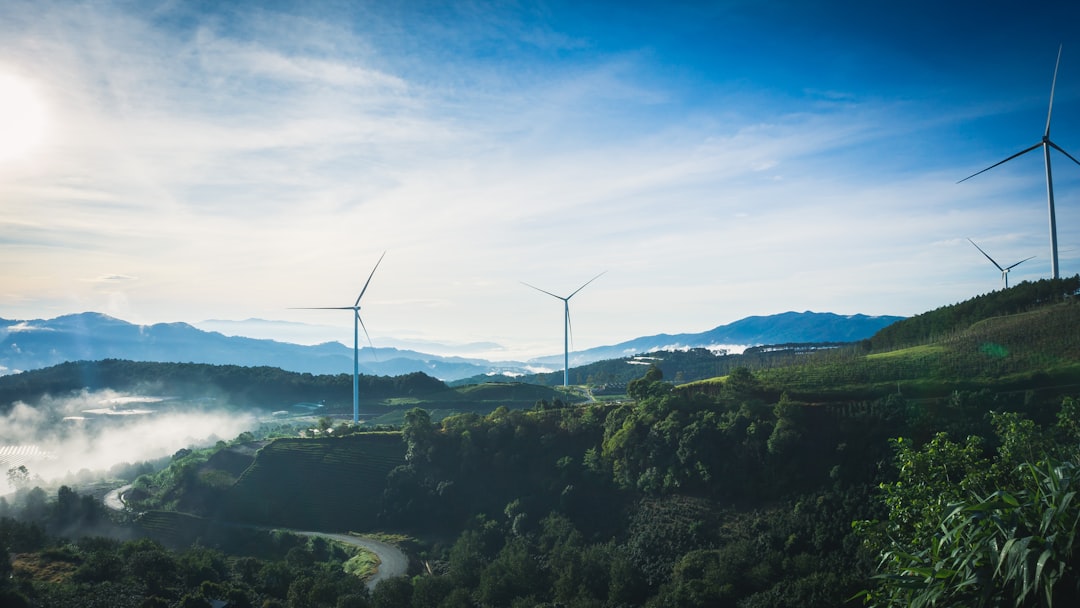
Canada has emerged as an unexpected powerhouse in the global clean energy transition play, leveraging its vast natural resources, technological expertise, and strategic geographic position to become a critical player in the world’s shift toward sustainable energy systems. While many investors focus on traditional clean energy markets like solar panels and wind turbines, Canada’s unique approach combines cutting-edge technology with abundant natural resources to create a compelling investment narrative that extends far beyond conventional renewable energy plays.
The foundation of Canada’s clean energy transition play rests on three pillars: critical mineral extraction, advanced carbon capture technologies, and next-generation renewable energy systems. The country controls approximately 13% of the world’s lithium reserves, 23% of graphite deposits, and significant cobalt and nickel resources essential for battery production. This positioning has attracted over $15 billion in foreign direct investment since 2024, with major automotive and technology companies establishing supply chain partnerships to secure access to these critical materials.
Canadian companies have pioneered breakthrough carbon capture, utilization, and storage (CCUS) technologies that are reshaping how industries approach decarbonization. Shopify’s direct air capture initiatives, supported by federal tax incentives, have demonstrated commercial viability at scale, while oil sands operators have successfully implemented CCUS systems that capture over 2.3 million tonnes of CO2 annually. This technological leadership has positioned Canada as a global hub for carbon management solutions, attracting international partnerships and licensing agreements worth billions of dollars.
The renewable energy landscape in Canada extends beyond traditional wind and solar installations to include innovative geothermal projects, small modular nuclear reactors (SMRs), and hydrogen production facilities. Ontario’s SMR program has achieved significant milestones, with the first commercial units expected to come online by 2028, while Quebec’s massive hydroelectric capacity is being expanded to support green hydrogen production for export markets. These developments have created a multiplier effect, spurring growth in manufacturing, engineering services, and specialized equipment production.
What distinguishes Canada’s clean energy transition play from other markets is the integration of artificial intelligence and machine learning technologies to optimize energy systems. Toronto-based companies have developed sophisticated grid management systems that can predict and balance renewable energy output with unprecedented accuracy, reducing waste and improving reliability. These AI-powered solutions are now being exported to energy markets across North America and Europe, creating substantial revenue streams and establishing Canada as a technology leader in energy management.
The financial markets have taken notice of these developments, with the TSX Clean Technology Index outperforming broader market indices by 34% over the past eighteen months. Pension funds and institutional investors have allocated increasing portions of their portfolios to Canadian clean energy assets, recognizing the sector’s strong fundamentals and government backing. Federal and provincial governments have committed over $25 billion in support through tax credits, loan guarantees, and direct investments, providing a stable foundation for long-term growth.
Mining companies have transformed their operations to support the clean energy transition play, implementing sustainable extraction methods and establishing processing facilities for battery materials. Teck Resources and First Quantum Minerals have invested heavily in copper and nickel projects specifically designed to meet clean energy demand, while new entrants have secured exploration rights for lithium deposits in Quebec, Ontario, and the Northwest Territories. This mining renaissance has created thousands of high-paying jobs while maintaining strict environmental standards that align with clean energy principles.
International partnerships have accelerated Canada’s clean energy transition play, with agreements spanning technology transfer, resource development, and infrastructure investment. The recent partnership with Germany for hydrogen exports and the expanding relationship with Japan for critical minerals demonstrate how Canadian resources and technology are becoming integral to global clean energy supply chains. These partnerships provide revenue diversification and reduce dependence on traditional commodity markets.
The clean energy transition play in Canada represents more than an investment opportunity; it embodies a fundamental shift toward sustainable economic growth that leverages the country’s natural advantages while embracing technological innovation. As global demand for clean energy solutions continues to accelerate, Canada’s comprehensive approach positions it to capture substantial value across multiple sectors, from resource extraction to advanced manufacturing and technology services. For investors seeking exposure to the clean energy transition, Canadian companies offer a unique combination of resource security, technological leadership, and government support that is difficult to replicate in other markets.