Canadian resources

Canadian Mining Giants Position for Historic Copper Surge as Tech Revolution Drives Global Demand

The red metal is experiencing an unprecedented moment as Canada’s mining sector positions itself at the epicenter of a technological revolution. From Vancouver’s boardrooms to Toronto’s trading floors, industry leaders are witnessing a fundamental shift in the copper demand outlook that promises to reshape the global commodities landscape for decades to come.

Artificial intelligence infrastructure alone is consuming copper at rates that would have been unimaginable just five years ago. Every data center expansion, every quantum computing breakthrough, and every advancement in machine learning requires extensive copper wiring and components. Canadian mining companies like Teck Resources and First Quantum Minerals are reporting unprecedented interest from tech giants seeking long-term supply agreements to secure their expansion plans.

The electric vehicle revolution continues to accelerate this demand trajectory. A single electric vehicle contains approximately four times more copper than a traditional internal combustion engine vehicle, and with EV adoption rates climbing exponentially across North America, Europe, and Asia, the copper demand outlook reflects this structural shift. Canadian producers are uniquely positioned to serve this market, given their proximity to major automotive manufacturing hubs in Detroit and their established supply chains with emerging EV manufacturers.

What makes Canada’s position particularly compelling is the convergence of resource abundance with technological innovation. The country’s mining sector isn’t simply extracting more copper—it’s revolutionizing how extraction and processing occur. Advanced automation, AI-driven geological surveys, and sustainable mining practices are enabling Canadian companies to access previously uneconomical deposits while maintaining environmental standards that satisfy increasingly conscious global consumers.

The renewable energy transition represents another massive driver influencing the copper demand outlook. Wind turbines, solar panels, and energy storage systems all require substantial copper inputs. A single offshore wind turbine contains up to 15 tons of copper, and with massive renewable energy projects planned across North America and Europe, mining executives are describing this as a once-in-a-generation opportunity. Canadian companies are securing partnerships with renewable energy developers, ensuring steady demand streams for years to come.

Supply constraints are simultaneously tightening the market dynamics. Major copper-producing regions in South America face ongoing challenges from political instability, environmental regulations, and aging infrastructure. Chile and Peru, traditionally dominant suppliers, are struggling to maintain production levels while dealing with water shortages and permitting delays. This creates an opening for Canadian producers, who operate in a stable political environment with established regulatory frameworks and abundant water resources in key mining regions.

Financial markets are reflecting this optimism about the copper demand outlook. Canadian mining stocks have attracted significant institutional investment, with pension funds and sovereign wealth funds increasing their allocations to copper-focused companies. The Toronto Stock Exchange has become a preferred listing destination for copper miners worldwide, leveraging Canada’s reputation for resource sector expertise and regulatory sophistication.

Technological breakthroughs in copper recycling and urban mining are also emerging from Canadian research institutions. Universities across the country are developing advanced methods to extract copper from electronic waste and industrial byproducts, potentially creating new supply streams while addressing environmental concerns. These innovations could position Canada not just as a primary copper producer, but as a leader in the circular economy for critical metals.

The geopolitical dimensions of copper supply are becoming increasingly important. As global powers seek to secure strategic resource supplies, Canada’s stable democracy and strong trade relationships make it an attractive partner. Recent trade agreements and bilateral discussions have emphasized critical minerals cooperation, with copper featuring prominently in these strategic conversations.

Price volatility has historically characterized copper markets, but current fundamentals suggest a sustained upward trajectory. Unlike previous commodity booms driven by short-term speculation or single-country demand spikes, today’s copper demand outlook reflects multiple, reinforcing trends across different industries and geographies. This diversified demand base provides more stability and predictability for long-term planning and investment decisions.

As global economies navigate the transition toward electrification and digitalization, Canada’s copper mining sector stands uniquely positioned to capitalize on these transformative trends. The combination of substantial reserves, advanced extraction technologies, stable governance, and strategic geographic positioning creates compelling advantages that extend far beyond current market cycles. For investors, policymakers, and industry leaders tracking the copper demand outlook, Canada represents not just a supplier, but a strategic partner in building the infrastructure of tomorrow’s economy.

Canadian Innovation Reshapes Global Copper Market Dynamics and Future Demand

The global copper market stands at an unprecedented crossroads, with Canadian technological innovation and resource development positioning the nation as a critical player in meeting surging worldwide demand. As electrification accelerates and renewable energy infrastructure expands, the copper demand outlook has never been more promising, particularly for countries like Canada that combine abundant reserves with cutting-edge extraction technologies.

Canada’s copper mining sector has undergone a remarkable transformation, leveraging artificial intelligence, autonomous equipment, and precision mining techniques to maximize output while minimizing environmental impact. Major operations in British Columbia, Ontario, and Quebec are implementing revolutionary approaches that could increase production efficiency by up to 35% compared to traditional methods. This technological leap comes at a crucial time when global copper consumption is projected to reach 32 million tonnes annually by the end of this decade.

The integration of machine learning algorithms in Canadian mines has revolutionized ore processing and equipment maintenance schedules. Companies like Teck Resources and First Quantum Minerals have invested heavily in predictive analytics platforms that optimize crushing, grinding, and flotation processes. These innovations directly impact the copper demand outlook by ensuring more reliable supply chains and reducing the price volatility that has historically plagued the market.

Green technology adoption across North America continues to drive unprecedented copper consumption, with electric vehicle manufacturing requiring approximately four times more copper than conventional vehicles. Canadian battery manufacturers and EV component suppliers have established strategic partnerships with domestic mining operations, creating integrated supply chains that reduce dependency on international sources. This vertical integration strengthens Canada’s position in the global copper market while supporting the broader copper demand outlook.

Research and development initiatives at Canadian universities and private institutions have yielded breakthrough technologies in copper recycling and urban mining. The University of British Columbia’s advanced metallurgy program has developed processes that recover 98% of copper from electronic waste, potentially adding millions of tonnes to the available supply pool. These innovations complement traditional mining operations and provide sustainable pathways to meet the evolving copper demand outlook without solely relying on new extraction.

Infrastructure modernization across Canadian cities presents another significant driver for copper consumption. Smart grid implementations, 5G network deployments, and building electrification initiatives require substantial copper installations. Toronto, Vancouver, and Montreal have announced multi-billion dollar infrastructure upgrades that will consume an estimated 150,000 tonnes of copper over the next five years, demonstrating how domestic demand supports the overall copper demand outlook.

Canadian mining companies have also pioneered environmental stewardship practices that align with global sustainability goals. Advanced water treatment systems, renewable energy integration at mine sites, and habitat restoration programs have set new industry standards. These practices ensure long-term operational viability and social license, critical factors that influence the copper demand outlook as investors increasingly prioritize environmental, social, and governance criteria.

The emergence of critical mineral partnerships between Canada and allied nations has strengthened the strategic importance of Canadian copper resources. Recent agreements with the United States, European Union, and Indo-Pacific partners establish Canada as a preferred supplier for defense, technology, and infrastructure applications. These geopolitical considerations add stability to long-term supply arrangements and support a robust copper demand outlook.

Looking ahead, Canadian innovation in copper applications continues expanding market opportunities. Antimicrobial copper surfaces in healthcare facilities, advanced alloys for aerospace applications, and specialized conductors for renewable energy systems represent growing market segments. Research institutions across Canada are developing next-generation copper-based materials that could revolutionize industries from telecommunications to transportation, further strengthening the positive copper demand outlook.

The convergence of Canadian technological expertise, abundant resources, and strategic partnerships creates a compelling foundation for sustained growth in copper markets. As global electrification accelerates and sustainable technologies proliferate, Canada’s integrated approach to mining innovation and responsible resource development positions the nation to capitalize on the exceptional opportunities within the evolving copper demand outlook.

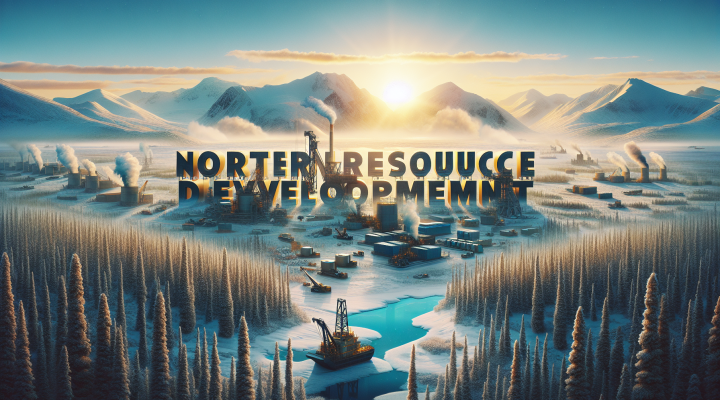
Smart Technology Transforms Northern Resource Development Across Canada’s Remote Frontiers

Canada’s vast northern territories hold an estimated $6.2 trillion in untapped mineral wealth, yet accessing these resources has traditionally been hampered by extreme weather, remote locations, and logistical nightmares. Today, a technological revolution is transforming northern resource development, making previously impossible projects economically viable while setting new standards for environmental responsibility.

The convergence of artificial intelligence, autonomous systems, and advanced materials science is reshaping how companies approach resource extraction in Canada’s Arctic and sub-Arctic regions. Mining giants like Barrick Gold and Teck Resources are deploying AI-powered exploration systems that can analyze geological data 1000 times faster than traditional methods, reducing exploration costs by up to 40% while dramatically improving success rates.

Autonomous vehicles and robotic systems now operate year-round in temperatures that would challenge human workers, maintaining productivity during the harsh winter months when traditional operations would halt. These systems communicate via low-earth orbit satellite networks, enabling real-time monitoring and optimization from control centers thousands of kilometers away. The result is a 60% increase in operational efficiency compared to conventional northern resource development approaches.

Environmental stewardship has become central to modern northern resource development, driven both by regulatory requirements and genuine industry recognition that sustainable practices ensure long-term viability. Companies are implementing closed-loop water systems that recycle 95% of process water, while advanced filtration technologies eliminate traditional tailings ponds. Bio-remediation techniques using cold-adapted microorganisms are accelerating site restoration, with some test sites showing complete ecosystem recovery within five years.

Digital Twin Technology Revolutionizes Operations

Perhaps the most transformative innovation in northern resource development is the widespread adoption of digital twin technology. These sophisticated computer models create virtual replicas of entire mining operations, allowing engineers to simulate thousands of scenarios before making real-world decisions. Cameco Corporation’s digital twin of their northern uranium operations has reduced unplanned downtime by 45% while optimizing energy consumption across their facilities.

The integration of Internet of Things (IoT) sensors throughout northern operations provides unprecedented visibility into equipment performance, environmental conditions, and resource quality. These sensors, designed to withstand temperatures as low as -50°C, transmit continuous data streams that feed machine learning algorithms. The algorithms predict equipment failures weeks in advance, schedule maintenance during optimal weather windows, and automatically adjust extraction parameters to maximize yield.

Blockchain technology is also finding applications in northern resource development, particularly in supply chain transparency and Indigenous community engagement. Smart contracts automatically distribute royalty payments to First Nations partners, while immutable records document environmental compliance and community benefit commitments.

Infrastructure Innovation Enables Remote Access

The challenge of building and maintaining infrastructure in remote northern regions has sparked remarkable innovation. Modular, prefabricated facilities can now be assembled in southern manufacturing centers and transported north for rapid deployment. These structures incorporate advanced insulation materials and energy-efficient systems that reduce heating costs by 70% compared to traditional northern buildings.

Renewable energy integration has become increasingly sophisticated, with hybrid systems combining wind, solar, and energy storage to reduce diesel dependence. Some remote operations now generate 80% of their power from renewable sources, dramatically reducing both costs and environmental impact. Advanced battery systems store excess renewable energy during optimal conditions, ensuring consistent power supply during periods of low wind or sunlight.

Transportation networks are being revolutionized through the development of all-season roads using innovative construction techniques and materials designed for permafrost conditions. These roads maintain structural integrity despite freeze-thaw cycles, enabling year-round access to previously seasonal operations.

The transformation of northern resource development represents more than technological advancement – it embodies a fundamental shift toward sustainable, efficient, and community-focused resource extraction. As these innovations continue to mature and costs decline, Canada’s northern territories are positioned to become global leaders in responsible resource development, generating prosperity while preserving the pristine environments that make these regions so valuable. The marriage of cutting-edge technology with environmental stewardship is creating a new model for northern resource development that other nations are already beginning to emulate.

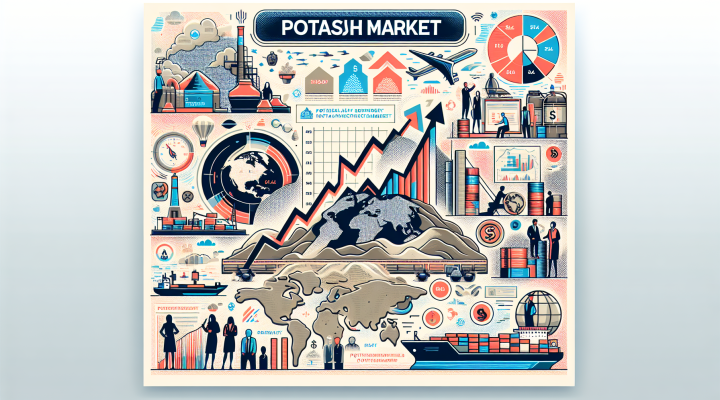
Smart Investors Are Reading This Potash Market Signal as Canada’s Golden Opportunity

A powerful potash market signal is emerging from the agricultural commodity landscape, and seasoned investors are taking notice. Canada, home to the world’s largest potash reserves, sits at the epicenter of what could become the most significant resource investment theme of this decade. The confluence of geopolitical tensions, supply chain disruptions, and surging global food demand has created a perfect storm that’s reshaping the fertilizer industry.

The numbers tell a compelling story. Global potash consumption has reached record highs as farmers worldwide struggle to maintain crop yields amid climate challenges and growing populations. Brazil, India, and Southeast Asian markets are driving unprecedented demand, while traditional supply sources face mounting pressure. This fundamental shift represents more than a temporary market adjustment—it signals a structural transformation that positions Canadian potash producers for extraordinary growth.

What makes this potash market signal particularly intriguing is the supply-side dynamics at play. Eastern European production, which historically provided significant global supply, remains constrained by ongoing geopolitical tensions. Belarus and Russia, once major exporters, have seen their market access severely limited, creating a supply gap that Canadian producers are uniquely positioned to fill. Saskatchewan’s Potash Belt, containing over half of the world’s known reserves, has become the focal point for international buyers seeking reliable, long-term supply partnerships.

The investment implications extend far beyond traditional mining stocks. Canadian companies are experiencing a renaissance in capital allocation, with major producers announcing multi-billion-dollar expansion projects. These investments aren’t just about increasing production capacity—they’re about capturing market share in a fundamentally altered competitive landscape. The potash market signal suggests that companies positioning themselves now could dominate global supply chains for decades to come.

Technology integration is amplifying Canada’s competitive advantage. Modern extraction techniques and processing innovations are reducing production costs while improving efficiency. Smart investors recognize that this isn’t just a commodity play—it’s a technology-enabled resource opportunity. Canadian companies leveraging artificial intelligence, automated mining systems, and sustainable extraction methods are building moats that will be difficult for competitors to breach.

The agricultural megatrend driving this potash market signal shows no signs of slowing. Global population growth, rising protein consumption in developing markets, and the imperative to increase crop yields on existing farmland create sustained demand pressure. Unlike cyclical commodity booms driven by speculation, this demand surge reflects fundamental economic and demographic forces that will persist for generations.

Environmental considerations are adding another layer to the investment thesis. Potash enables more efficient fertilizer application, reducing overall environmental impact compared to alternative nutrients. As sustainable agriculture practices gain traction worldwide, potash demand benefits from both regulatory support and farmer adoption. Canadian producers, with their advanced environmental standards and clean production methods, are particularly well-positioned to serve ESG-conscious global buyers.

Currency dynamics further enhance the opportunity. The Canadian dollar’s relative stability provides a natural hedge for international investors, while domestic producers benefit from cost structures denominated in Canadian dollars but revenues largely earned in US dollars. This creates a favorable operational leverage that amplifies returns when commodity prices rise.

Transportation infrastructure gives Canada another decisive advantage. Established rail networks, port facilities, and logistics systems enable efficient product delivery to key markets. While competitors struggle with infrastructure limitations and transportation bottlenecks, Canadian producers can reliably serve global customers. This operational reliability commands premium pricing and strengthens long-term customer relationships.

The timing of this potash market signal coincides with a broader shift in investment capital toward tangible assets and essential commodities. As traditional growth sectors face headwinds and interest rate environments remain challenging, resource investments offer both inflation protection and exposure to fundamental demand drivers. Potash represents the intersection of multiple investment themes: agricultural security, resource scarcity, and Canadian economic opportunity.

Forward-thinking investors are recognizing that this potash market signal represents more than a commodity cycle—it’s a generational wealth-building opportunity rooted in Canada’s natural resource advantages. With global food security becoming increasingly critical and Canada’s potash reserves representing irreplaceable strategic assets, the investment case extends far beyond traditional cyclical considerations. The question isn’t whether to participate in this theme, but rather how quickly investors can position themselves to capitalize on what may prove to be Canada’s most significant resource opportunity in decades.