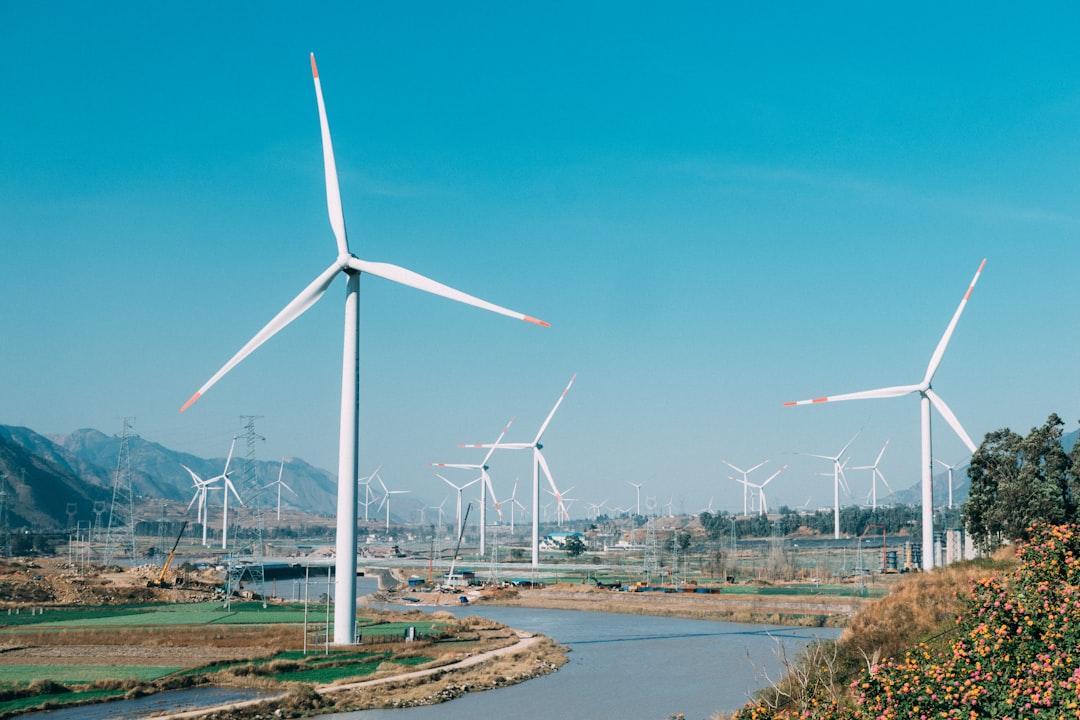
The global clean energy transition play has evolved from a niche investment theme into the defining economic force of our time, commanding trillions in capital allocation and fundamentally reshaping how investors approach technology and resource sectors. As governments worldwide accelerate decarbonization mandates and corporate sustainability commitments reach unprecedented scales, the investment landscape has transformed into a complex web of opportunities spanning from breakthrough battery technologies to critical mineral extraction.
Investment flows into clean energy infrastructure have reached staggering proportions, with global renewable energy investments surpassing $2.8 trillion annually. This massive capital deployment reflects not just environmental imperatives, but a recognition that the clean energy transition play represents one of the most significant wealth creation opportunities since the industrial revolution. Traditional energy companies are pivoting their entire business models, while technology giants are pouring billions into everything from advanced solar manufacturing to grid-scale energy storage solutions.
The technology dimension of this clean energy transition play encompasses breakthrough innovations that are rapidly achieving commercial viability. Next-generation battery chemistries, including solid-state and lithium-metal technologies, are approaching cost parity with traditional energy storage while offering dramatically improved performance metrics. Perovskite solar cells promise to push photovoltaic efficiency beyond 40%, while floating offshore wind platforms are unlocking vast oceanic energy resources previously considered inaccessible.
Artificial intelligence and machine learning algorithms are optimizing energy systems with unprecedented precision, enabling predictive maintenance that reduces downtime by up to 35% and smart grid technologies that can balance supply and demand across continental networks in real-time. These technological advances are creating entirely new investment categories, from specialized semiconductor companies developing power electronics to software platforms managing distributed energy resources across millions of connected devices.
Resource Scarcity Drives Strategic Investment Priorities
The resource dimension of the clean energy transition play has become equally compelling, as the shift toward renewable energy and electric mobility creates unprecedented demand for critical minerals. Lithium demand is projected to increase by over 2,000% through the end of this decade, while rare earth elements essential for wind turbine magnets and electric motor components face supply constraints that are reshaping global trade relationships.
Copper, often called the backbone of electrification, faces a supply deficit that could reach 10 million tons annually as grid infrastructure expansions and electric vehicle adoption accelerate simultaneously. This scarcity premium is driving exploration companies to previously overlooked deposits and spurring innovation in recycling technologies that can recover valuable materials from end-of-life renewable energy equipment.
Mining companies are themselves becoming technology innovators, deploying autonomous vehicles, AI-powered ore sorting, and renewable-powered extraction operations that reduce the carbon intensity of mineral production. These efficiency gains are crucial as environmental, social, and governance standards for resource extraction continue to tighten, creating competitive advantages for operators who can demonstrate sustainable practices throughout their supply chains.
Geopolitical Dynamics Shape Investment Flows
The clean energy transition play is increasingly influenced by geopolitical considerations as nations recognize energy independence and supply chain security as critical strategic imperatives. Domestic content requirements for renewable energy projects, reshoring of battery manufacturing, and strategic mineral reserve policies are creating regional investment clusters that offer both opportunities and risks for global investors.
Countries with abundant renewable energy resources are positioning themselves as future energy exporters through green hydrogen production and energy-intensive manufacturing of clean technology components. This shift is creating new trade relationships and investment patterns that challenge traditional energy geopolitics while opening pathways for emerging economies to leapfrog conventional development models.
The clean energy transition play continues to accelerate as technological breakthroughs reduce costs, policy support strengthens, and private capital recognizes the long-term inevitability of decarbonization. For investors, the key lies not just in identifying promising technologies or resource deposits, but in understanding how these elements interconnect within the broader transformation of global energy systems. Those who can navigate this complexity while maintaining focus on fundamental value creation will find themselves positioned at the center of the most significant economic transition in modern history.