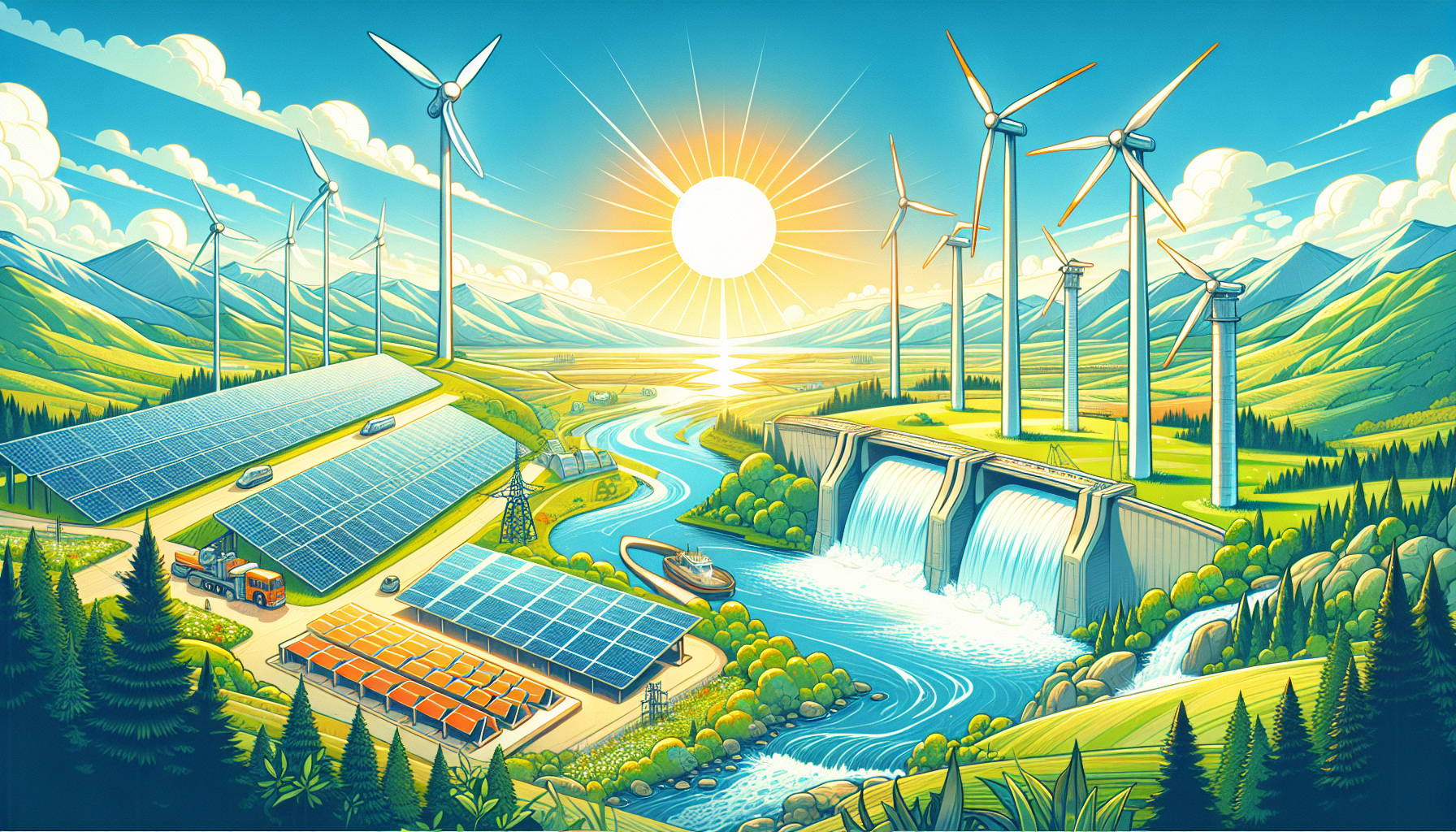
Canada stands at the forefront of a transformative energy revolution that’s reshaping not just the nation’s power grid, but its entire economic landscape. The country’s ambitious clean energy initiatives have created a compelling investment narrative that extends far beyond traditional renewable energy projects, encompassing everything from critical mineral extraction to advanced manufacturing and grid modernization technologies.
The numbers tell a remarkable story of accelerated progress. Canada’s renewable energy capacity has expanded by over 40% in recent years, with wind and solar installations leading the charge. This growth trajectory represents more than environmental stewardship—it signals a fundamental shift in how investors and policymakers view energy infrastructure as both an economic driver and a strategic national asset. The clean energy transition play has become synonymous with long-term economic competitiveness, attracting billions in both domestic and international capital.
What sets Canada apart in this global energy transformation is its unique combination of abundant natural resources and technological innovation. The country possesses vast reserves of lithium, cobalt, and rare earth elements essential for battery production and renewable energy systems. This positioning has turned Canada into a critical supplier for the global clean energy supply chain, creating investment opportunities that span from mining operations to battery manufacturing facilities.
Federal and provincial governments have responded with unprecedented policy support, including tax incentives, direct subsidies, and regulatory frameworks designed to accelerate clean energy deployment. The Investment Tax Credit for Clean Technology and various provincial renewable energy programs have created a favorable environment for both large-scale utility projects and distributed energy resources. These policy mechanisms have effectively de-risked many clean energy investments, making the transition play increasingly attractive to institutional investors.
The ripple effects extend throughout Canada’s industrial base, with traditional energy companies pivoting toward cleaner alternatives while maintaining their operational expertise. Oil and gas giants are investing heavily in carbon capture technologies, hydrogen production, and offshore wind development. This industrial transformation demonstrates how the clean energy transition play encompasses both new market entrants and established players adapting their business models to capitalize on emerging opportunities.
Infrastructure development represents another critical component of this investment thesis. Canada’s electricity grid requires substantial upgrades to accommodate increased renewable capacity and enable interprovincial energy trading. Smart grid technologies, energy storage systems, and transmission line expansions are creating opportunities for utilities, technology companies, and construction firms alike. These infrastructure investments form the backbone of a modernized energy system capable of supporting continued economic growth while achieving climate objectives.
International partnerships have amplified Canada’s clean energy ambitions, with agreements spanning technology sharing, joint research initiatives, and coordinated supply chain development. These collaborations position Canadian companies as key players in global clean energy markets, opening export opportunities that extend the domestic transition play into international growth strategies.
The convergence of environmental necessity, economic opportunity, and policy support has created a unique investment environment where the clean energy transition play represents both immediate returns and long-term value creation. Canada’s approach demonstrates how nations can leverage their natural advantages and policy frameworks to build sustainable competitive advantages in the global clean energy economy, making this transition not just an environmental imperative but a defining economic strategy for the decades ahead.