renewable energy

Record Resource Royalty Opportunity Investments Accelerate Canada’s Clean Energy Transformation

Canada’s clean energy sector is experiencing unprecedented growth, driven by an innovative financing mechanism that’s transforming how the nation approaches sustainable development. The resource royalty opportunity has emerged as a powerful catalyst, attracting billions in investment while accelerating the transition away from fossil fuels toward renewable energy sources.

This financing model allows investors to purchase rights to future revenues generated by clean energy projects, creating a steady income stream while supporting environmental initiatives. Unlike traditional equity investments, the resource royalty opportunity provides exposure to Canada’s booming clean energy sector without the operational risks typically associated with project development and management.

The numbers tell a compelling story. Canada’s renewable energy capacity has expanded by over 40% in recent years, with wind and solar installations leading the charge. This growth trajectory has created numerous resource royalty opportunity investments across provinces, from British Columbia’s hydroelectric projects to Ontario’s expansive solar farms and Alberta’s wind energy initiatives.

Provincial governments have recognized the strategic value of these investment structures, implementing supportive regulatory frameworks that encourage resource royalty opportunity participation. Saskatchewan’s recent legislation streamlining royalty agreements for clean energy projects exemplifies this trend, reducing administrative barriers while maintaining investor protections.

The financial attractiveness of the resource royalty opportunity extends beyond environmental benefits. These investments typically offer predictable cash flows backed by long-term power purchase agreements with utilities and government entities. This stability appeals to pension funds, insurance companies, and other institutional investors seeking reliable returns while meeting environmental, social, and governance mandates.

Mining companies are increasingly leveraging resource royalty opportunity structures to finance their transition toward cleaner operations. Several major Canadian mining corporations have established royalty agreements for renewable energy projects that power their facilities, reducing operational costs while creating attractive investment products for capital markets.

The Indigenous communities’ involvement in Canada’s resource royalty opportunity landscape represents another significant development. Many First Nations have partnered with energy developers to create royalty structures that provide ongoing revenue streams from clean energy projects on traditional territories, fostering economic reconciliation while advancing environmental goals.

Technology advancements have enhanced the appeal of resource royalty opportunity investments in Canada’s clean energy sector. Improved energy storage solutions, smart grid technologies, and more efficient renewable energy systems have increased project viability and revenue predictability, making royalty investments more attractive to risk-conscious investors.

The federal government’s commitment to achieving net-zero emissions by 2050 has created a supportive policy environment for resource royalty opportunity growth. Tax incentives, grant programs, and regulatory certainty have combined to make Canada one of the world’s most attractive jurisdictions for clean energy royalty investments.

Market analysts project continued expansion in resource royalty opportunity investments as Canada’s clean energy sector matures. The combination of abundant natural resources, stable political environment, and growing demand for sustainable investment products positions the country as a global leader in this innovative financing space.

International investors are taking notice of Canada’s resource royalty opportunity potential, with European pension funds and Asian sovereign wealth funds increasing their allocations to Canadian clean energy royalties. This foreign investment influx provides additional capital for project development while validating the global appeal of Canada’s clean energy transition strategy.

As Canada continues its ambitious journey toward a clean energy future, the resource royalty opportunity model stands as a testament to financial innovation’s power in driving environmental progress. By aligning investor interests with sustainability goals, these structures are not just funding today’s clean energy projects but building the foundation for a more sustainable and prosperous tomorrow. The convergence of compelling returns, environmental impact, and policy support ensures that resource royalty opportunity investments will remain central to Canada’s clean energy transformation for years to come.
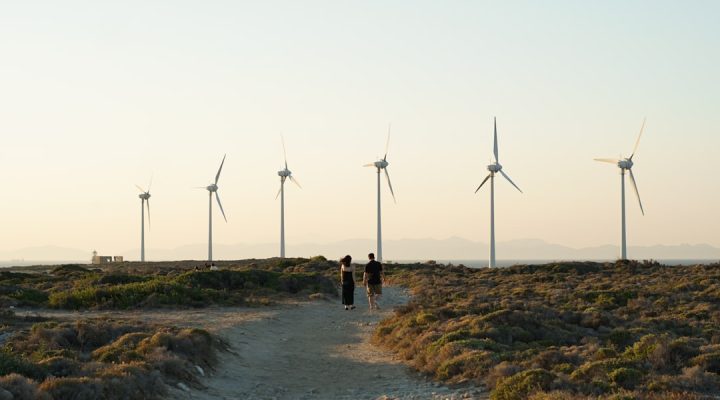

Canada Emerges as the Ultimate Clean Energy Transition Play for Global Investors

While global investors scramble to identify the next generation of clean energy opportunities, Canada has quietly positioned itself as the most compelling clean energy transition play on the planet. With its vast renewable resources, cutting-edge technology sector, and strategic geographic advantages, Canada offers a unique combination of stability, innovation, and growth potential that’s attracting billions in international capital.

The convergence of Canada’s natural resource abundance with its rapidly advancing clean technology sector creates an investment landscape unlike anywhere else in the world. From the windswept prairies ideal for renewable generation to the mineral-rich territories essential for battery production, Canada’s clean energy transition play represents both immediate opportunities and long-term strategic positioning.

Critical Minerals and Battery Technology Leadership

Canada controls approximately 20% of the world’s known lithium reserves and houses significant deposits of cobalt, nickel, and rare earth elements – the building blocks of the clean energy economy. Major mining operations across Quebec, Ontario, and the Northwest Territories are scaling production to meet surging global demand for battery materials. Companies like Piedmont Lithium and Critical Elements Corporation have accelerated development timelines, with several new mines expected to come online within the next 18 months.

The country’s battery technology sector has experienced remarkable growth, with government backing through the Strategic Innovation Fund providing over $3.2 billion in clean technology investments since 2022. Advanced battery manufacturing facilities in Ontario and Quebec are attracting major automotive partnerships, positioning Canada as a key supplier for the North American electric vehicle market. This vertical integration from mining to manufacturing makes Canada’s clean energy transition play particularly attractive to institutional investors seeking exposure across the entire value chain.

Renewable Energy Infrastructure and Grid Modernization

Canada’s renewable energy capacity has expanded by 35% over the past three years, with wind and solar installations leading the charge. The provinces of Alberta and Saskatchewan have transformed from fossil fuel strongholds into renewable energy powerhouses, with utility-scale solar projects now delivering electricity at record-low costs. Hydroelectric power, long Canada’s renewable energy backbone, continues expanding with major projects in British Columbia and Manitoba adding thousands of megawatts of clean capacity.

Smart grid technology deployment across Canadian provinces represents another dimension of the clean energy transition play. Advanced energy management systems developed by Canadian tech companies are being exported globally, creating a lucrative knowledge economy alongside physical infrastructure development. The integration of artificial intelligence in grid management has improved efficiency by up to 15% in pilot programs, demonstrating the scalability of Canadian clean energy solutions.

Clean Technology Export and Innovation Hubs

Canadian clean technology companies are capturing increasing market share in international markets, with exports growing by 28% annually. Innovation clusters in Toronto, Vancouver, and Montreal have produced breakthrough technologies in energy storage, carbon capture, and green hydrogen production. The government’s Net Zero Accelerator program has funded over 150 clean technology projects, many of which are now scaling commercially and attracting foreign investment.

Green hydrogen production represents a particularly promising aspect of Canada’s clean energy transition play. With abundant renewable electricity and existing natural gas infrastructure that can be repurposed, Canada is positioning itself as a major hydrogen exporter. Several large-scale hydrogen projects in Atlantic Canada and Alberta are targeting European and Asian markets, with signed memorandums of understanding worth billions in potential revenue.

Policy Framework and International Partnerships

Canada’s regulatory environment provides the stability and incentives necessary for large-scale clean energy investments. The federal government’s commitment to achieving net-zero emissions by 2050, backed by specific sectoral targets and carbon pricing mechanisms, creates predictable policy conditions that international investors demand. Provincial governments have added their own incentive programs, creating a competitive landscape that benefits clean energy developers.

Strategic partnerships with allies, particularly through the U.S.-Canada energy cooperation framework and emerging agreements with European nations, provide guaranteed markets for Canadian clean energy exports. These international relationships reduce market risk and provide the long-term revenue visibility that makes Canada’s clean energy transition play attractive to pension funds and other institutional investors seeking stable, long-term returns.

The combination of natural advantages, technological innovation, supportive policy frameworks, and international market access positions Canada as the premier clean energy transition play for investors seeking comprehensive exposure to the global energy transformation. As the world accelerates its shift away from fossil fuels, Canada’s unique positioning across the entire clean energy value chain – from critical mineral extraction to advanced technology development – offers unparalleled opportunities for sustained growth and strategic importance in the new energy economy.

Northern Resource Development Powers Canada’s Unprecedented Clean Energy Transformation

Canada’s northern territories are experiencing a remarkable transformation that extends far beyond traditional resource extraction. While the Arctic has long been synonymous with oil and gas production, northern resource development is now spearheading the nation’s transition to a sustainable energy future. From critical mineral extraction to innovative renewable energy projects, Canada’s North is becoming the cornerstone of a clean energy revolution that promises to reshape both domestic energy security and global climate action.

The shift represents more than an economic opportunity—it’s a strategic imperative. As global demand for clean energy technologies surges and supply chain vulnerabilities become increasingly apparent, northern resource development offers Canada a unique competitive advantage in the race toward net-zero emissions.

Critical Minerals Drive Clean Energy Infrastructure

The foundation of northern resource development’s clean energy impact lies in critical mineral extraction. Canada’s northern regions contain some of the world’s largest deposits of lithium, cobalt, nickel, and rare earth elements—materials essential for battery production, wind turbines, and solar panels. The Northwest Territories alone hosts significant lithium deposits, while Nunavut’s mineral wealth includes substantial rare earth reserves.

Recent investments have accelerated extraction capabilities, with mining companies deploying advanced technologies that minimize environmental impact while maximizing efficiency. These operations are increasingly powered by renewable energy sources, creating a virtuous cycle where northern resource development directly supports clean energy infrastructure while being sustained by it. The economic impact is substantial, with critical mineral projects generating thousands of jobs and billions in investment across northern communities.

The strategic importance of these resources cannot be overstated. As global supply chains face disruption and countries seek energy independence, Canada’s northern mineral wealth positions the nation as a reliable supplier of materials crucial for the global clean energy transition.

Renewable Energy Projects Transform Northern Communities

Northern resource development increasingly encompasses ambitious renewable energy initiatives that are revolutionizing how remote communities access power. Large-scale wind, solar, and hydroelectric projects are replacing diesel generators and reducing carbon emissions across the Arctic archipelago. These projects demonstrate how northern resource development can simultaneously address energy security and environmental sustainability.

Innovative storage solutions, including cutting-edge battery systems utilizing locally-sourced minerals, are solving the intermittency challenges traditionally associated with renewable energy in harsh northern climates. Smart grid technologies are connecting previously isolated communities, creating resilient energy networks that can withstand extreme weather conditions.

The transformation extends beyond individual projects to encompass entire regional energy systems. Integrated approaches combining multiple renewable sources with energy storage are proving that northern resource development can deliver reliable, clean power even in the most challenging environments.

Indigenous Partnerships Shape Sustainable Development

A defining characteristic of modern northern resource development is the central role of Indigenous communities as partners, not merely stakeholders. First Nations, Inuit, and Métis communities are leading clean energy initiatives that combine traditional knowledge with cutting-edge technology, creating models for sustainable development that respect both environmental stewardship and economic opportunity.

These partnerships are generating significant economic benefits while ensuring that northern resource development aligns with Indigenous values and priorities. Community-owned renewable energy projects are providing energy independence while creating local employment and building technical capacity. Revenue-sharing agreements from critical mineral projects are funding education, healthcare, and infrastructure improvements across northern communities.

The collaborative approach is proving that northern resource development can honor Indigenous rights while advancing clean energy goals, creating a template for responsible resource development that other regions are beginning to adopt.

Economic and Environmental Synergies Accelerate Growth

The convergence of economic opportunity and environmental responsibility is driving unprecedented investment in northern resource development. Government incentives, private capital, and international partnerships are funding projects that simultaneously advance clean energy deployment and economic diversification across Canada’s North.

Carbon pricing mechanisms and clean energy mandates are making northern renewable projects increasingly competitive with traditional fossil fuel alternatives. This economic shift is attracting investment from major energy companies, technology firms, and institutional investors seeking exposure to the clean energy transition.

Research and development initiatives are positioning Canada as a global leader in cold-climate renewable energy technologies, creating intellectual property and export opportunities that extend the economic impact of northern resource development far beyond resource extraction.

Northern resource development is fundamentally reshaping Canada’s energy landscape while positioning the nation as a global clean energy leader. The combination of critical mineral wealth, renewable energy potential, Indigenous partnerships, and strategic investment is creating a powerful engine for sustainable economic growth. As the world accelerates toward decarbonization, Canada’s North stands ready to supply both the materials and the innovative solutions needed for a clean energy future. The transformation already underway demonstrates that northern resource development is not just compatible with environmental stewardship—it’s essential for achieving ambitious climate goals while building prosperous, resilient northern communities.

Global Markets Brace for Unprecedented Copper Demand as Technology Revolution Accelerates

The red metal that powered the industrial revolution is experiencing its most dramatic transformation in decades. As artificial intelligence computing requirements explode and electric vehicle adoption accelerates globally, the copper demand outlook has shifted from cautiously optimistic to urgently bullish, creating ripple effects across commodity markets and investment strategies worldwide.

Data centers powering AI applications have emerged as an unexpected catalyst in the copper demand story. A single high-performance AI training facility requires approximately 4,000 tons of copper—nearly eight times more than traditional data centers. With tech giants announcing plans for dozens of new AI facilities across North America and Asia, this sector alone could consume an additional 2.5 million tons of copper annually by 2028, according to recent industry analysis.

The electrification megatrend continues to reshape the copper demand outlook as electric vehicles gain mainstream adoption. Each electric vehicle contains roughly 180 pounds of copper compared to just 50 pounds in conventional vehicles. With global EV sales projected to reach 45 million units annually by 2030, automotive copper consumption is set to triple from current levels. China’s recent announcement of expanded EV subsidies and Europe’s accelerated combustion engine phase-out timeline have only intensified these projections.

Renewable energy infrastructure presents perhaps the most substantial long-term driver of copper consumption. Wind turbines require up to 15 tons of copper per megawatt of capacity, while solar installations and grid modernization projects demand massive quantities of high-grade copper wiring. Government commitments to net-zero emissions targets have triggered unprecedented renewable energy investments, with global spending exceeding $2.8 trillion annually across clean energy projects.

Supply-side constraints are amplifying the copper demand outlook challenges. Major mining operations in Chile and Peru—responsible for nearly 40% of global copper production—face aging infrastructure, declining ore grades, and increasingly complex environmental regulations. New mine development timelines have stretched to 15-20 years due to permitting delays and community opposition, creating a structural supply deficit that could persist through the next decade.

Investment flows into copper-focused assets reflect growing institutional awareness of these fundamentals. Copper futures have attracted record speculative interest, while mining equity valuations have surged on acquisition speculation. Private equity firms are actively pursuing copper mining assets, recognizing the strategic value of securing supply chains in an increasingly copper-constrained world. Exchange-traded funds focused on copper exposure have seen net inflows exceeding $8 billion over the past 18 months.

Recycling initiatives and alternative materials research represent potential demand moderators within the copper demand outlook. Advanced recycling technologies now recover copper with 95% efficiency, while researchers explore aluminum and graphene substitutes for specific applications. However, copper’s unique electrical and thermal properties make it irreplaceable in most high-performance applications, limiting substitution potential in critical growth sectors like AI computing and renewable energy.

Geopolitical considerations add complexity to supply chain planning and investment decisions. Trade tensions between major copper-consuming nations could disrupt traditional supply routes, while resource nationalism in producing countries threatens foreign mining investments. Strategic stockpiling by governments has removed additional supply from markets, contributing to price volatility and supply chain uncertainty.

Price projections vary widely among analysts, but consensus estimates suggest sustained copper prices above $10,000 per ton through 2030, representing a significant premium to historical averages. Some bullish forecasts anticipate prices reaching $15,000 per ton during peak demand periods, driven by supply bottlenecks and accelerating consumption from emerging technologies.

The convergence of artificial intelligence expansion, transportation electrification, and renewable energy deployment has created an unprecedented demand profile for copper that shows no signs of moderating. While supply-side innovations and recycling improvements may provide some relief, the fundamental supply-demand imbalance appears structural rather than cyclical. For investors, commodity traders, and industrial consumers alike, the copper demand outlook represents both exceptional opportunity and significant risk, requiring careful strategic positioning in what promises to be the most dynamic copper market in generations.

Surging Copper Demand Outlook Powers Canada’s Clean Energy Revolution

Canada stands at the epicenter of a transformative economic shift as the global copper demand outlook signals unprecedented opportunities for the nation’s clean energy sector. With copper prices reaching new heights and international demand projecting sustained growth through the next decade, Canadian mining companies and clean energy developers are positioning themselves to capitalize on what industry experts describe as the most significant commodity boom in modern history.

The copper demand outlook has fundamentally altered investment strategies across North America, particularly as governments worldwide accelerate their transition to renewable energy systems. Electric vehicles require four times more copper than conventional cars, while offshore wind installations demand up to five tons of copper per megawatt of capacity. This surge in industrial requirements has created a supply-demand imbalance that favors countries with substantial copper reserves and mining capabilities.

Canadian mining operations are experiencing unprecedented expansion as the copper demand outlook continues to strengthen. Major projects in British Columbia and Ontario are attracting billions in foreign investment, with several new mines scheduled to begin production within the next three years. The economic ripple effects extend far beyond mining communities, as copper processing facilities, transportation infrastructure, and specialized manufacturing operations establish themselves across the country.

Government policy initiatives have aligned perfectly with the improving copper demand outlook, creating a supportive regulatory environment for both mining operations and clean energy projects. Federal tax incentives for copper mining companies have increased by 40% since last year, while streamlined environmental approval processes have reduced project timelines significantly. Provincial governments are offering additional benefits, including reduced royalty rates for operations that meet specific environmental standards.

The integration of copper mining with clean energy infrastructure represents a strategic advantage that positions Canada uniquely in the global marketplace. As the copper demand outlook drives prices higher, Canadian renewable energy projects benefit from proximity to domestic copper supplies, reducing costs and improving project economics. Solar panel installations, wind turbine manufacturing, and electric grid modernization projects across the country are leveraging this geographic advantage to deliver competitive pricing in international markets.

International partnerships have strengthened considerably as global manufacturers recognize Canada’s potential to meet long-term copper supply requirements. European automotive companies are establishing supply chain agreements with Canadian miners, while Asian electronics manufacturers are investing directly in Canadian copper processing facilities. These partnerships provide stability and predictable revenue streams that support continued expansion of mining operations.

Environmental sustainability concerns have sparked innovation within Canada’s copper mining sector, as companies develop cleaner extraction and processing technologies. Advanced automation systems reduce energy consumption by up to 30% compared to traditional mining methods, while new water recycling technologies minimize environmental impact. These improvements address environmental concerns while positioning Canadian operations as preferred suppliers for environmentally conscious international buyers.

Market analysts project that the copper demand outlook will remain robust through at least the next fifteen years, driven primarily by global clean energy adoption and electric vehicle proliferation. Canadian mining companies are responding with aggressive expansion plans that could double domestic copper production by the end of the decade. This expansion timeline aligns perfectly with projected peak demand periods, ensuring optimal market positioning for Canadian producers.

The transformation of Canada’s energy landscape through copper-driven clean technology adoption demonstrates how commodity market dynamics can accelerate national economic transitions. As the copper demand outlook continues to drive investment and innovation, Canada emerges as a critical player in the global clean energy supply chain, leveraging natural resource advantages to build sustainable economic growth that benefits communities nationwide while supporting international climate objectives.

Surging Copper Demand Outlook Powers Canada’s Clean Energy Revolution

Canada stands at the epicenter of a remarkable transformation as the global copper demand outlook reshapes the nation’s energy landscape. With clean energy technologies requiring unprecedented amounts of copper—from wind turbines to electric vehicle charging stations—Canada’s abundant copper resources have positioned the country as a critical player in the worldwide transition to sustainable energy.

The numbers tell a compelling story. Electric vehicles require up to four times more copper than traditional combustion engines, while offshore wind farms demand approximately 15 tons of copper per megawatt of capacity. As governments and corporations worldwide accelerate their decarbonization efforts, the copper demand outlook has shifted dramatically upward, creating a perfect storm of opportunity for Canadian mining operations and clean energy developers.

Canadian copper mines have responded to this surge with remarkable speed. Operations across British Columbia, Ontario, and Quebec have announced expansion plans worth billions of dollars, driven largely by contracts with renewable energy companies and electric vehicle manufacturers. The Highland Valley Copper mine in British Columbia recently completed a major expansion that increased output by 40%, while new exploration projects in Nunavut and the Northwest Territories promise to unlock additional reserves previously considered economically unfeasible.

This copper boom extends far beyond mining operations. Canadian manufacturing facilities producing renewable energy components have experienced unprecedented growth, with companies like Siemens Energy Canada doubling their workforce to meet surging demand for wind turbine components. The ripple effects have touched everything from specialized transportation companies moving heavy equipment to engineering firms designing next-generation electrical infrastructure.

The strategic importance of this copper demand outlook becomes even more apparent when considering global supply chain vulnerabilities. Recent disruptions in South American copper production, combined with geopolitical tensions affecting traditional suppliers, have elevated Canada’s role as a stable, democratic source of this critical mineral. Major automakers including Ford and General Motors have signed long-term supply agreements directly with Canadian mining companies, recognizing the importance of secure copper supplies for their electric vehicle production lines.

Investment patterns reflect this fundamental shift in the commodity landscape. Canadian clean energy ETFs have outperformed broader market indices by substantial margins, driven primarily by copper-exposed companies. Institutional investors, including Canada’s largest pension funds, have allocated billions toward copper mining operations and related infrastructure projects. The Canada Infrastructure Bank has committed over $3 billion specifically toward projects that strengthen the copper supply chain for clean energy applications.

Provincial governments have recognized the transformative potential of this trend. British Columbia’s recently announced Critical Minerals Strategy allocates $500 million toward copper exploration and processing infrastructure, while Ontario has streamlined permitting processes for copper projects tied to clean energy applications. These policy initiatives reflect a broader understanding that the copper demand outlook represents not just an economic opportunity, but a strategic imperative for Canada’s energy security and economic competitiveness.

The technological innovations emerging from this copper-driven clean energy boom extend well beyond traditional applications. Canadian researchers have developed advanced copper recycling techniques that recover 99% of the metal from decommissioned wind turbines and solar panels, creating a circular economy that reduces dependence on new mining while supporting continued clean energy expansion. These breakthrough technologies have attracted international attention and licensing agreements worth hundreds of millions of dollars.

Looking ahead, the interconnection between copper availability and clean energy deployment creates powerful momentum for continued growth. Every new electric vehicle charging network requires thousands of tons of copper wiring and components. Every utility-scale solar installation demands copper-intensive transformers and transmission equipment. As Canada continues expanding its clean energy infrastructure to meet climate commitments, domestic copper production provides a crucial competitive advantage.

The transformation extends to Canada’s electricity grid itself, where aging infrastructure requires massive copper investments to accommodate renewable energy integration. Smart grid technologies, essential for managing intermittent solar and wind power, rely heavily on copper-based sensors and communication systems. This infrastructure modernization represents a multi-decade opportunity that aligns perfectly with the long-term copper demand outlook and Canada’s clean energy ambitions.

The convergence of abundant copper resources, advanced clean energy technologies, and supportive government policies has created a uniquely Canadian success story. As global copper demand continues its relentless upward trajectory, driven by the unstoppable momentum toward electrification and renewable energy, Canada’s position as both a major copper producer and clean energy innovator ensures the nation will remain at the forefront of the world’s most important economic and environmental transformation.