sustainable finance

Surprising Potash Market Signal Unveils Canada’s Clean Energy Investment Goldmine

The global energy transition has taken an unexpected turn as a critical potash market signal emerges from Canada’s mining heartland, revealing a previously overlooked pathway to clean energy dominance. While investors have long focused on lithium and cobalt for the green revolution, sophisticated market analysts are now tracking how potash price movements and supply chain dynamics are creating a blueprint for Canada’s renewable energy future.

This potash market signal stems from an intricate web of agricultural demand, mining infrastructure, and energy economics that positions Canada uniquely in the global clean energy race. Saskatchewan’s potash mines, which control nearly 40% of global production capacity, are generating massive cash flows as fertilizer demand surges worldwide. These windfall profits are being strategically redirected into clean energy projects, creating a self-reinforcing cycle of sustainable investment that few market participants fully understand.

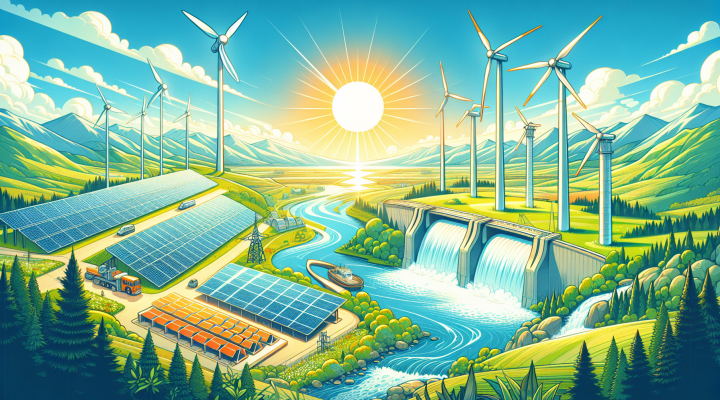
The connection between potash revenues and clean energy development becomes clearer when examining the operational realities of Canadian mining companies. Nutrien, Mosaic, and other major producers are leveraging their substantial cash positions to invest in solar arrays, wind farms, and energy storage systems across their mining operations. This transition is driven not just by environmental considerations, but by hard economic data showing that renewable energy sources can reduce operational costs by 15-25% over traditional fossil fuel alternatives.

What makes this potash market signal particularly compelling is the timing convergence of several macroeconomic factors. Global food security concerns have pushed potash prices to multi-year highs, while simultaneously, the cost of renewable energy technology has reached historical lows. Canadian mining companies are capitalizing on this arbitrage opportunity, using high-margin potash sales to fund low-cost clean energy infrastructure that will provide competitive advantages for decades.

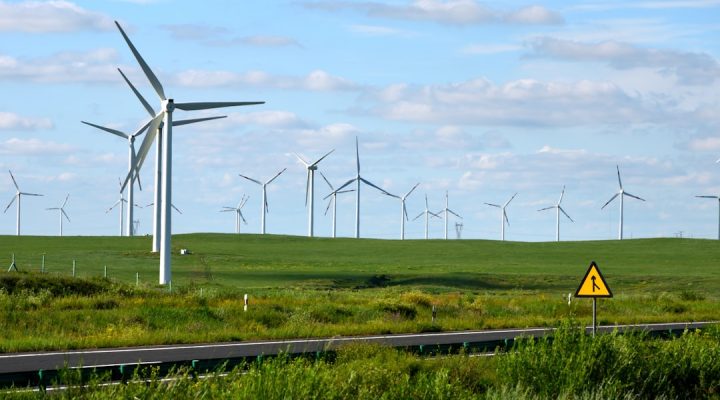
The geographic advantages cannot be overlooked in this emerging trend. Canada’s potash deposits are concentrated in regions with exceptional wind and solar resources, creating natural synergies between mining operations and renewable energy generation. The vast open spaces surrounding Saskatchewan’s mining facilities provide ideal locations for utility-scale renewable projects, while existing electrical infrastructure reduces connection costs significantly compared to greenfield developments.

Financial markets are beginning to recognize this potash market signal as institutional investors increase their exposure to Canadian resource companies with integrated clean energy strategies. Exchange-traded funds focused on sustainable mining have allocated increasing percentages to Canadian potash producers, driving up valuations and providing additional capital for renewable energy expansion. This institutional recognition is creating a feedback loop that accelerates the clean energy transition across the sector.

Government policy alignment is amplifying the impact of this market signal through strategic incentives and regulatory frameworks. Federal and provincial programs offering tax credits, grants, and accelerated depreciation for clean energy investments are making the economic case for renewable energy adoption even more compelling for potash producers. These policy tools are effectively subsidizing Canada’s transition to clean energy leadership while supporting a critical agricultural input industry.

The ripple effects extend far beyond the mining sector as this potash market signal influences broader energy infrastructure development across Canada. Regional electrical grids are being upgraded and expanded to accommodate new renewable energy capacity, while energy storage projects are being developed to manage the intermittency challenges associated with wind and solar power. These infrastructure improvements benefit entire regions, attracting additional clean energy investment from outside the mining sector.

International competitiveness considerations add another layer to this compelling narrative. As global supply chains increasingly prioritize low-carbon inputs, Canadian potash produced using renewable energy sources commands premium pricing in international markets. This green premium is creating additional revenue streams that further justify clean energy investments, establishing a virtuous cycle of sustainable profitability.

The potash market signal represents more than just a sectoral trend; it embodies Canada’s pragmatic approach to energy transition that leverages existing economic strengths to build future competitive advantages. By connecting agricultural commodity profits to clean energy infrastructure, Canada is creating a sustainable pathway to energy independence that doesn’t rely on massive government subsidies or economic disruption. This market-driven approach to clean energy development could serve as a model for other resource-rich nations seeking to balance economic growth with environmental responsibility, positioning Canada as a leader in both global food security and the clean energy transition.

Resource Royalty Opportunities Transform Canada Into Clean Energy Investment Powerhouse

Canada’s energy landscape is experiencing a seismic shift as innovative financing models unlock unprecedented investment potential in renewable resources. At the forefront of this transformation lies a compelling resource royalty opportunity that’s attracting both institutional and individual investors seeking exposure to the nation’s clean energy revolution.

The traditional resource sector that once defined Canada’s economy through oil, gas, and mining is now embracing a new paradigm. Resource royalty structures, historically associated with fossil fuel extraction, are being reimagined to support wind farms, solar installations, hydroelectric projects, and critical mineral mining operations essential for battery technology and renewable infrastructure.

This evolution represents more than just a shift in energy sources—it’s creating an entirely new asset class that combines the predictable cash flow characteristics of traditional royalties with the growth potential of clean technology. Investors who recognize this resource royalty opportunity early are positioning themselves at the intersection of environmental responsibility and financial returns.

The numbers tell a compelling story. Government data indicates that renewable energy capacity additions in Canada have accelerated dramatically, with wind and solar projects leading the charge. These developments require substantial upfront capital, making royalty financing an attractive alternative to traditional debt or equity arrangements. Project developers can access funding while retaining operational control, while investors gain exposure to long-term revenue streams backed by power purchase agreements and government incentives.

Critical mineral extraction represents another dimension of this resource royalty opportunity. Canada possesses significant deposits of lithium, cobalt, nickel, and rare earth elements—materials essential for electric vehicle batteries, wind turbines, and solar panels. As global demand for these materials intensifies, royalty investments in mining operations offer exposure to the clean energy supply chain without the operational risks associated with direct mining ventures.

The federal government’s commitment to achieving net-zero emissions by 2050 has created a policy environment that strongly supports these investments. Tax incentives, accelerated depreciation allowances, and direct subsidies enhance the economics of clean energy projects, making the underlying resource royalty opportunity more attractive to investors. Provincial governments have also introduced complementary programs, creating a multi-layered support system for renewable energy development.

Institutional investors, including pension funds and insurance companies, are increasingly allocating capital to these opportunities. The combination of predictable returns, inflation protection, and environmental, social, and governance (ESG) credentials aligns perfectly with institutional investment mandates. This institutional interest is driving up valuations and creating liquidity in what was once a niche market.

For individual investors, accessing this resource royalty opportunity has become more feasible through specialized investment funds and publicly traded royalty companies. These vehicles provide diversification across multiple projects and commodities while offering professional management and due diligence capabilities that individual investors might lack.

The geographic distribution of these opportunities spans the entire country, from offshore wind projects in the Maritimes to solar installations in Ontario and British Columbia’s abundant hydroelectric resources. This diversification reduces regional risk while capitalizing on Canada’s vast natural resource endowment and renewable energy potential.

Risk considerations remain important for potential investors. While renewable energy projects typically have long-term power purchase agreements that provide revenue stability, factors such as regulatory changes, technology obsolescence, and commodity price volatility can impact returns. However, the diversified nature of most resource royalty opportunity investments helps mitigate these risks.

The secondary market for these investments is also developing rapidly. As more projects reach operational status and demonstrate stable cash flows, trading activity has increased, providing investors with greater flexibility and liquidity than traditional private resource investments.

Looking ahead, the intersection of Canada’s natural resource expertise, supportive policy environment, and growing investor demand for sustainable investments creates a powerful foundation for continued growth in this sector. The resource royalty opportunity represents not just a financial investment, but participation in Canada’s economic transformation toward a cleaner, more sustainable future. As this market matures and evolves, early participants are likely to benefit from both financial returns and the satisfaction of contributing to meaningful environmental progress.

Record Resource Royalty Opportunity Investments Accelerate Canada’s Clean Energy Transformation

Canada’s clean energy sector is experiencing unprecedented growth, driven by an innovative financing mechanism that’s transforming how the nation approaches sustainable development. The resource royalty opportunity has emerged as a powerful catalyst, attracting billions in investment while accelerating the transition away from fossil fuels toward renewable energy sources.

This financing model allows investors to purchase rights to future revenues generated by clean energy projects, creating a steady income stream while supporting environmental initiatives. Unlike traditional equity investments, the resource royalty opportunity provides exposure to Canada’s booming clean energy sector without the operational risks typically associated with project development and management.

The numbers tell a compelling story. Canada’s renewable energy capacity has expanded by over 40% in recent years, with wind and solar installations leading the charge. This growth trajectory has created numerous resource royalty opportunity investments across provinces, from British Columbia’s hydroelectric projects to Ontario’s expansive solar farms and Alberta’s wind energy initiatives.

Provincial governments have recognized the strategic value of these investment structures, implementing supportive regulatory frameworks that encourage resource royalty opportunity participation. Saskatchewan’s recent legislation streamlining royalty agreements for clean energy projects exemplifies this trend, reducing administrative barriers while maintaining investor protections.

The financial attractiveness of the resource royalty opportunity extends beyond environmental benefits. These investments typically offer predictable cash flows backed by long-term power purchase agreements with utilities and government entities. This stability appeals to pension funds, insurance companies, and other institutional investors seeking reliable returns while meeting environmental, social, and governance mandates.

Mining companies are increasingly leveraging resource royalty opportunity structures to finance their transition toward cleaner operations. Several major Canadian mining corporations have established royalty agreements for renewable energy projects that power their facilities, reducing operational costs while creating attractive investment products for capital markets.

The Indigenous communities’ involvement in Canada’s resource royalty opportunity landscape represents another significant development. Many First Nations have partnered with energy developers to create royalty structures that provide ongoing revenue streams from clean energy projects on traditional territories, fostering economic reconciliation while advancing environmental goals.

Technology advancements have enhanced the appeal of resource royalty opportunity investments in Canada’s clean energy sector. Improved energy storage solutions, smart grid technologies, and more efficient renewable energy systems have increased project viability and revenue predictability, making royalty investments more attractive to risk-conscious investors.

The federal government’s commitment to achieving net-zero emissions by 2050 has created a supportive policy environment for resource royalty opportunity growth. Tax incentives, grant programs, and regulatory certainty have combined to make Canada one of the world’s most attractive jurisdictions for clean energy royalty investments.

Market analysts project continued expansion in resource royalty opportunity investments as Canada’s clean energy sector matures. The combination of abundant natural resources, stable political environment, and growing demand for sustainable investment products positions the country as a global leader in this innovative financing space.

International investors are taking notice of Canada’s resource royalty opportunity potential, with European pension funds and Asian sovereign wealth funds increasing their allocations to Canadian clean energy royalties. This foreign investment influx provides additional capital for project development while validating the global appeal of Canada’s clean energy transition strategy.

As Canada continues its ambitious journey toward a clean energy future, the resource royalty opportunity model stands as a testament to financial innovation’s power in driving environmental progress. By aligning investor interests with sustainability goals, these structures are not just funding today’s clean energy projects but building the foundation for a more sustainable and prosperous tomorrow. The convergence of compelling returns, environmental impact, and policy support ensures that resource royalty opportunity investments will remain central to Canada’s clean energy transformation for years to come.

Canada’s Clean Energy Revolution Creates Unprecedented Investment Opportunities Across Multiple Sectors

Canada stands at the forefront of a transformative energy revolution that’s reshaping not just the nation’s power grid, but its entire economic landscape. The country’s ambitious clean energy initiatives have created a compelling investment narrative that extends far beyond traditional renewable energy projects, encompassing everything from critical mineral extraction to advanced manufacturing and grid modernization technologies.

The numbers tell a remarkable story of accelerated progress. Canada’s renewable energy capacity has expanded by over 40% in recent years, with wind and solar installations leading the charge. This growth trajectory represents more than environmental stewardship—it signals a fundamental shift in how investors and policymakers view energy infrastructure as both an economic driver and a strategic national asset. The clean energy transition play has become synonymous with long-term economic competitiveness, attracting billions in both domestic and international capital.

What sets Canada apart in this global energy transformation is its unique combination of abundant natural resources and technological innovation. The country possesses vast reserves of lithium, cobalt, and rare earth elements essential for battery production and renewable energy systems. This positioning has turned Canada into a critical supplier for the global clean energy supply chain, creating investment opportunities that span from mining operations to battery manufacturing facilities.

Federal and provincial governments have responded with unprecedented policy support, including tax incentives, direct subsidies, and regulatory frameworks designed to accelerate clean energy deployment. The Investment Tax Credit for Clean Technology and various provincial renewable energy programs have created a favorable environment for both large-scale utility projects and distributed energy resources. These policy mechanisms have effectively de-risked many clean energy investments, making the transition play increasingly attractive to institutional investors.

The ripple effects extend throughout Canada’s industrial base, with traditional energy companies pivoting toward cleaner alternatives while maintaining their operational expertise. Oil and gas giants are investing heavily in carbon capture technologies, hydrogen production, and offshore wind development. This industrial transformation demonstrates how the clean energy transition play encompasses both new market entrants and established players adapting their business models to capitalize on emerging opportunities.

Infrastructure development represents another critical component of this investment thesis. Canada’s electricity grid requires substantial upgrades to accommodate increased renewable capacity and enable interprovincial energy trading. Smart grid technologies, energy storage systems, and transmission line expansions are creating opportunities for utilities, technology companies, and construction firms alike. These infrastructure investments form the backbone of a modernized energy system capable of supporting continued economic growth while achieving climate objectives.

International partnerships have amplified Canada’s clean energy ambitions, with agreements spanning technology sharing, joint research initiatives, and coordinated supply chain development. These collaborations position Canadian companies as key players in global clean energy markets, opening export opportunities that extend the domestic transition play into international growth strategies.

The convergence of environmental necessity, economic opportunity, and policy support has created a unique investment environment where the clean energy transition play represents both immediate returns and long-term value creation. Canada’s approach demonstrates how nations can leverage their natural advantages and policy frameworks to build sustainable competitive advantages in the global clean energy economy, making this transition not just an environmental imperative but a defining economic strategy for the decades ahead.

Smart Investors Are Betting Big on Canada’s Clean Energy Transition Play Revolution

Canada stands at the precipice of an energy revolution that could reshape the global investment landscape for decades to come. With the federal government committing over $15 billion in clean energy investments and provinces racing to establish themselves as renewable energy powerhouses, the clean energy transition play has emerged as the most compelling investment theme for forward-thinking portfolio managers and institutional investors.

The numbers tell a remarkable story of transformation. Canada’s renewable energy capacity has grown by 68% over the past five years, with wind and solar installations leading the charge. Alberta, once synonymous with oil sands production, now generates more electricity from renewable sources than coal, marking a historic shift that few analysts predicted would happen this quickly. This dramatic pivot represents more than just environmental progress—it signals a fundamental restructuring of Canada’s economic foundation that savvy investors cannot afford to ignore.

What makes Canada’s clean energy transition play particularly attractive is the convergence of abundant natural resources, technological innovation, and supportive policy frameworks. The country possesses some of the world’s most favorable conditions for renewable energy production, from the consistent wind patterns across the Prairie provinces to the vast hydroelectric potential in Quebec and British Columbia. Unlike many other markets where renewable energy development faces geographic constraints, Canada offers virtually unlimited scalability for clean energy projects.

Federal initiatives have created unprecedented momentum behind this transition. The Investment Tax Credit for Clean Technology and the Canada Growth Fund have mobilized private capital at scale, with major pension funds like CPP Investments and OTPP allocating billions to domestic clean energy infrastructure. These institutional commitments have validated the long-term viability of the clean energy transition play while providing the patient capital necessary for large-scale renewable projects to reach commercial viability.

Mining companies have emerged as unexpected beneficiaries of this transformation, positioning themselves as critical suppliers of the lithium, cobalt, and rare earth elements essential for battery technology and renewable energy systems. Canadian mining giants have pivoted their exploration and development strategies to focus on these critical minerals, creating a vertically integrated clean energy supply chain that offers multiple investment entry points within the broader transition theme.

The technology sector has experienced parallel growth, with Canadian cleantech companies attracting record venture capital funding. From advanced battery storage systems developed in Ontario to innovative carbon capture technologies pioneered in Alberta, Canadian innovation is driving solutions that have global commercial applications. This technological leadership positions Canada not just as a clean energy producer, but as an exporter of the knowledge and systems that will power the worldwide energy transition.

Provincial governments have embraced this shift with remarkable enthusiasm, recognizing that the clean energy transition play offers economic diversification opportunities that reduce dependence on traditional resource extraction. British Columbia’s hydrogen strategy, Ontario’s electric vehicle manufacturing initiatives, and Quebec’s battery material processing investments demonstrate coordinated efforts to capture value across the entire clean energy value chain.

International investors have taken notice of these developments, with foreign direct investment in Canadian clean energy projects reaching all-time highs. European pension funds and Asian sovereign wealth funds view Canada as a stable, resource-rich jurisdiction where long-term renewable energy investments can generate predictable returns while meeting increasingly stringent environmental mandates. This international capital influx has created a virtuous cycle of investment, innovation, and capacity building that continues to accelerate.

The infrastructure requirements alone represent a multi-decade investment opportunity worth hundreds of billions of dollars. Upgrading electrical grids to accommodate distributed renewable generation, building electric vehicle charging networks, and establishing hydrogen production and distribution systems will require sustained capital deployment on a scale comparable to the construction of Canada’s original energy infrastructure in the mid-20th century.

Canada’s clean energy transition play has evolved beyond a thematic investment opportunity into a fundamental economic restructuring that will define the country’s competitive position for generations. Investors who recognize this shift early and position themselves across the multiple sectors benefiting from the transition—from renewable energy developers and critical mineral producers to cleantech innovators and infrastructure specialists—stand to benefit from one of the most significant capital reallocation cycles in Canadian history. The question is not whether this transition will continue, but rather which investors will capture the most value from Canada’s inevitable clean energy future.

Why Canada’s Clean Energy Transition Play Is Attracting Billions in Global Investment

Canada has emerged as one of the world’s most compelling destinations for clean energy investment, with international capital flowing into the country at unprecedented rates. The nation’s comprehensive clean energy transition play combines abundant natural resources, forward-thinking policy frameworks, and strategic geographic advantages that position it as a global leader in the renewable energy revolution.

The scale of Canada’s clean energy transformation becomes evident when examining recent investment figures. Over the past two years alone, more than $45 billion in clean energy projects have been announced across the country, spanning everything from massive offshore wind developments to critical mineral mining operations essential for battery production. This surge reflects growing confidence in Canada’s ability to execute on its ambitious climate commitments while generating substantial returns for investors.

What makes Canada’s clean energy transition play particularly attractive is the country’s unique combination of resources and expertise. The nation possesses some of the world’s largest reserves of lithium, cobalt, and rare earth elements – the building blocks of clean energy infrastructure. Simultaneously, Canada’s decades of experience in large-scale resource extraction and project management provide the operational foundation necessary to develop these assets responsibly and efficiently.

Provincial governments across Canada have recognized the economic opportunity inherent in the clean energy shift and are competing to attract investment. Ontario’s recent announcement of a $28 billion electric vehicle and battery manufacturing hub demonstrates how jurisdictions are leveraging their clean energy transition play to secure long-term economic advantages. Quebec has similarly positioned itself as a clean energy powerhouse, offering some of the continent’s lowest electricity rates thanks to its extensive hydroelectric infrastructure.

The federal government’s role in accelerating Canada’s clean energy transition play cannot be understated. Strategic investments through programs like the Canada Growth Fund and the Critical Minerals Strategy have de-risked projects that might otherwise struggle to secure private financing. Tax incentives for clean technology deployment and carbon capture projects have created additional momentum, making Canada increasingly competitive with other jurisdictions vying for clean energy investment.

International partnerships are amplifying Canada’s clean energy ambitions. The recent agreement with Germany to supply clean hydrogen represents a watershed moment, positioning Canada as a key supplier of renewable energy to European markets seeking alternatives to traditional fossil fuel imports. Similar partnerships with Japan and South Korea for critical minerals and clean technology demonstrate how Canada’s clean energy transition play extends far beyond domestic consumption.

The renewable energy sector itself tells a compelling story of rapid growth and technological advancement. Wind capacity has tripled over the past five years, while solar installations have grown exponentially despite Canada’s northern latitude. Energy storage projects are multiplying as battery costs decline and grid integration becomes more sophisticated. These developments create a virtuous cycle where increased clean energy capacity supports electrification efforts across transportation and industrial sectors.

Perhaps most significantly, Canada’s clean energy transition play is generating substantial employment opportunities across skill levels and geographic regions. The Clean Energy Canada research organization estimates that the sector will employ over 800,000 Canadians within the next decade, providing economic diversification for communities traditionally dependent on fossil fuel industries. This human capital development ensures that Canada’s clean energy leadership will be sustainable and deeply rooted in local expertise.

The financial markets have taken notice of these developments, with clean energy stocks on Canadian exchanges significantly outperforming broader market indices. Institutional investors are allocating increasing portions of their portfolios to Canadian clean energy assets, recognizing both the growth potential and the relative stability that comes from investing in a jurisdiction with strong regulatory frameworks and political commitment to the energy transition.

Looking ahead, Canada’s clean energy transition play appears positioned to accelerate further as global demand for clean technologies continues growing and international climate commitments drive policy support. The combination of natural resource advantages, technological capabilities, supportive policies, and growing international partnerships creates a foundation for sustained leadership in the global clean energy economy. For investors, policymakers, and industry participants worldwide, Canada’s approach offers valuable lessons in how nations can successfully navigate the complex transition to a clean energy future while creating significant economic value.