
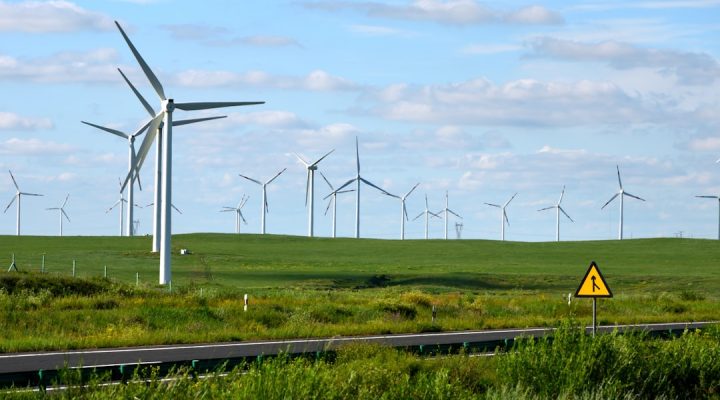
Canada stands at the precipice of an energy revolution that could reshape the global investment landscape for decades to come. With the federal government committing over $15 billion in clean energy investments and provinces racing to establish themselves as renewable energy powerhouses, the clean energy transition play has emerged as the most compelling investment theme for forward-thinking portfolio managers and institutional investors.
The numbers tell a remarkable story of transformation. Canada’s renewable energy capacity has grown by 68% over the past five years, with wind and solar installations leading the charge. Alberta, once synonymous with oil sands production, now generates more electricity from renewable sources than coal, marking a historic shift that few analysts predicted would happen this quickly. This dramatic pivot represents more than just environmental progress—it signals a fundamental restructuring of Canada’s economic foundation that savvy investors cannot afford to ignore.
What makes Canada’s clean energy transition play particularly attractive is the convergence of abundant natural resources, technological innovation, and supportive policy frameworks. The country possesses some of the world’s most favorable conditions for renewable energy production, from the consistent wind patterns across the Prairie provinces to the vast hydroelectric potential in Quebec and British Columbia. Unlike many other markets where renewable energy development faces geographic constraints, Canada offers virtually unlimited scalability for clean energy projects.
Federal initiatives have created unprecedented momentum behind this transition. The Investment Tax Credit for Clean Technology and the Canada Growth Fund have mobilized private capital at scale, with major pension funds like CPP Investments and OTPP allocating billions to domestic clean energy infrastructure. These institutional commitments have validated the long-term viability of the clean energy transition play while providing the patient capital necessary for large-scale renewable projects to reach commercial viability.
Mining companies have emerged as unexpected beneficiaries of this transformation, positioning themselves as critical suppliers of the lithium, cobalt, and rare earth elements essential for battery technology and renewable energy systems. Canadian mining giants have pivoted their exploration and development strategies to focus on these critical minerals, creating a vertically integrated clean energy supply chain that offers multiple investment entry points within the broader transition theme.
The technology sector has experienced parallel growth, with Canadian cleantech companies attracting record venture capital funding. From advanced battery storage systems developed in Ontario to innovative carbon capture technologies pioneered in Alberta, Canadian innovation is driving solutions that have global commercial applications. This technological leadership positions Canada not just as a clean energy producer, but as an exporter of the knowledge and systems that will power the worldwide energy transition.
Provincial governments have embraced this shift with remarkable enthusiasm, recognizing that the clean energy transition play offers economic diversification opportunities that reduce dependence on traditional resource extraction. British Columbia’s hydrogen strategy, Ontario’s electric vehicle manufacturing initiatives, and Quebec’s battery material processing investments demonstrate coordinated efforts to capture value across the entire clean energy value chain.
International investors have taken notice of these developments, with foreign direct investment in Canadian clean energy projects reaching all-time highs. European pension funds and Asian sovereign wealth funds view Canada as a stable, resource-rich jurisdiction where long-term renewable energy investments can generate predictable returns while meeting increasingly stringent environmental mandates. This international capital influx has created a virtuous cycle of investment, innovation, and capacity building that continues to accelerate.
The infrastructure requirements alone represent a multi-decade investment opportunity worth hundreds of billions of dollars. Upgrading electrical grids to accommodate distributed renewable generation, building electric vehicle charging networks, and establishing hydrogen production and distribution systems will require sustained capital deployment on a scale comparable to the construction of Canada’s original energy infrastructure in the mid-20th century.
Canada’s clean energy transition play has evolved beyond a thematic investment opportunity into a fundamental economic restructuring that will define the country’s competitive position for generations. Investors who recognize this shift early and position themselves across the multiple sectors benefiting from the transition—from renewable energy developers and critical mineral producers to cleantech innovators and infrastructure specialists—stand to benefit from one of the most significant capital reallocation cycles in Canadian history. The question is not whether this transition will continue, but rather which investors will capture the most value from Canada’s inevitable clean energy future.