
green investment

Canada’s Clean Energy Transition Play Transforms the Nation’s Power Infrastructure at Record Speed

Canada’s energy landscape is experiencing an unprecedented transformation as the nation positions itself as a global leader in renewable power generation. The country’s strategic clean energy transition play has gained remarkable momentum, driven by ambitious government policies, substantial private investment, and technological breakthroughs that are reshaping how Canadians power their homes and businesses.

The scale of this transition is staggering. Over the past three years, Canada has committed more than $120 billion in combined public and private investments toward renewable energy infrastructure, making it one of the most aggressive clean energy transition plays globally. This massive financial commitment spans wind farms across the Prairies, solar installations in Ontario and Alberta, hydroelectric expansions in Quebec and British Columbia, and emerging technologies like green hydrogen production facilities in Atlantic Canada.

What sets Canada’s clean energy transition play apart is its comprehensive approach that leverages the country’s natural advantages. With the world’s third-largest renewable energy capacity, Canada possesses abundant hydroelectric resources, vast wind corridors, and significant solar potential in southern regions. The federal government’s Clean Electricity Regulations, implemented in phases since 2024, mandate that the electricity grid achieve net-zero emissions by 2035, creating a clear regulatory framework that has attracted international investors and technology companies.

Provincial governments have emerged as key drivers of this transition, each tailoring their strategies to local resources and economic priorities. Alberta, traditionally known for oil and gas, has become Canada’s renewable energy hotspot with over 8,000 megawatts of wind and solar capacity added since 2023. Ontario’s focus on grid modernization and energy storage has created a blueprint for integrating intermittent renewable sources with reliable baseload power. Meanwhile, Quebec continues expanding its hydroelectric dominance while exploring opportunities in battery manufacturing and electric vehicle infrastructure.

Investment Surge Fuels Infrastructure Development

The financial commitment behind Canada’s clean energy transition play extends far beyond government spending. Pension funds, including the Canada Pension Plan Investment Board and Ontario Teachers’ Pension Plan, have allocated billions toward renewable energy projects, recognizing the long-term stability and returns these investments offer. International capital has also flowed into the country, with European and Asian investors viewing Canada as a stable, resource-rich destination for clean energy development.

Major corporations are driving demand through ambitious sustainability commitments. Tech giants establishing data centers in Canada are specifically seeking renewable energy sources, while manufacturing companies are relocating operations to take advantage of clean electricity access. This corporate demand has created a virtuous cycle, where guaranteed long-term power purchase agreements enable developers to secure financing for new projects more easily.

The ripple effects of this clean energy transition play extend throughout Canada’s economy. The renewable energy sector now employs over 350,000 Canadians directly, with thousands more jobs created in supporting industries like energy storage, grid infrastructure, and electric vehicle manufacturing. Indigenous communities have become significant stakeholders in many projects, with over 200 renewable energy initiatives now featuring Indigenous ownership or partnership arrangements.

Technology Innovation Accelerates Progress

Canadian innovation is playing a crucial role in advancing the clean energy transition play through breakthrough technologies developed at universities and research institutions across the country. Breakthroughs in energy storage, smart grid technology, and green hydrogen production are positioning Canada as not just a consumer of clean energy solutions, but an exporter of cutting-edge technologies to global markets.

The integration of artificial intelligence and machine learning into grid management has dramatically improved the efficiency of renewable energy systems. Canadian companies are developing predictive algorithms that optimize energy distribution based on weather patterns, consumption forecasts, and grid stability requirements. These technological advances are making renewable energy more reliable and cost-effective than traditional fossil fuel alternatives in many applications.

Energy storage capacity has expanded exponentially, with utility-scale battery installations providing grid stability and enabling higher penetration of wind and solar power. The development of pumped hydro storage facilities and emerging technologies like compressed air energy storage are further enhancing Canada’s ability to store and distribute renewable energy when and where it’s needed most.

Canada’s clean energy transition play represents more than an environmental imperative—it’s become an economic powerhouse driving innovation, job creation, and international competitiveness. As the country continues building toward its 2035 net-zero electricity target, the combination of natural resources, technological expertise, and sustained investment is creating a blueprint that other nations are studying and adapting. The transformation from an energy exporter dependent on fossil fuels to a clean energy superpower demonstrates how strategic planning, sustained commitment, and collaborative partnerships can accelerate the transition to a sustainable energy future.

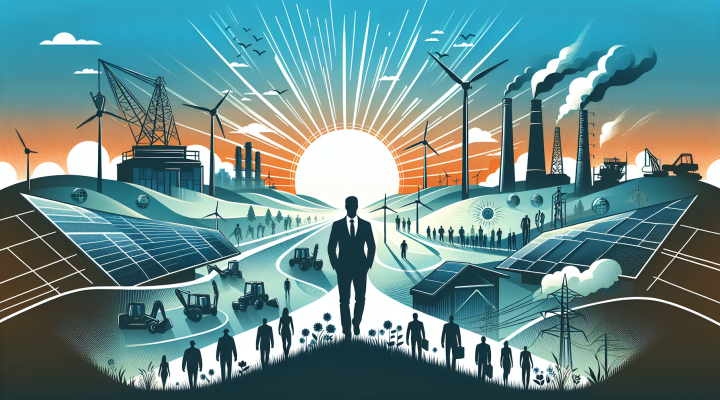
Record Investment Momentum Propels Canada’s Clean Energy Transition Play Toward Global Leadership

Canada’s ambitious clean energy transition play has evolved from a policy aspiration into a multi-billion dollar economic engine, fundamentally reshaping the nation’s energy landscape and positioning it as a global leader in sustainable power generation. With unprecedented investment flowing into renewable infrastructure, advanced battery storage, and green hydrogen production, Canada is demonstrating how strategic government support combined with private sector innovation can accelerate the shift away from fossil fuels.

The numbers tell a compelling story of transformation. Federal and provincial governments have committed over $15 billion in direct funding and tax incentives to support clean energy projects, while private investment has exceeded $40 billion across wind, solar, hydroelectric, and emerging technologies. This massive capital deployment represents more than just financial commitment—it signals a fundamental reimagining of Canada’s energy future, with the clean energy transition play becoming central to both economic growth and climate objectives.

Wind energy developments across the Prairie provinces exemplify the scale of change underway. Alberta alone has attracted $8 billion in wind farm investments over the past three years, with projects generating enough clean electricity to power nearly two million homes. These installations demonstrate how Canada’s vast geographical advantages—abundant wind resources, extensive transmission networks, and stable regulatory frameworks—create ideal conditions for large-scale renewable deployment.

Solar power adoption has accelerated dramatically, particularly in Ontario and Quebec, where feed-in tariffs and net metering programs have sparked both utility-scale installations and distributed rooftop systems. Manufacturing partnerships with international solar panel producers have established domestic production capabilities, reducing costs while creating thousands of skilled jobs. This vertical integration approach strengthens Canada’s clean energy transition play by building complete supply chains rather than simply importing finished technologies.

Battery storage technology represents perhaps the most critical component of Canada’s renewable energy strategy. Massive lithium-ion installations now provide grid stabilization services, storing excess wind and solar generation for use during peak demand periods. Quebec’s announcement of a $2.8 billion battery manufacturing facility, supported by partnerships with leading automakers, positions the province as a North American hub for energy storage production, directly supporting both grid-scale applications and the electric vehicle transition.

Green hydrogen production has emerged as Canada’s potential ace card in global clean energy markets. With abundant renewable electricity and existing natural gas infrastructure that can be repurposed, several provinces are developing hydrogen export strategies targeting European and Asian markets. British Columbia’s coastal hydrogen facilities could begin shipping to Japan within two years, while Atlantic Canada’s offshore wind-to-hydrogen projects promise to transform the region’s energy export profile.

Indigenous partnerships have become fundamental to successful project development, with many First Nations communities becoming equity partners in wind and solar installations on their traditional territories. These collaborations ensure that Canada’s clean energy transition play delivers economic benefits to Indigenous communities while respecting land rights and traditional knowledge. Revenue-sharing agreements from renewable projects now provide sustainable funding for education, infrastructure, and cultural preservation initiatives.

Grid modernization investments totaling $12 billion are enabling higher renewable energy penetration through smart grid technologies, improved transmission capacity, and real-time demand management systems. These upgrades address the intermittency challenges associated with wind and solar power, allowing utilities to integrate larger percentages of variable renewable generation while maintaining reliable service.

International recognition of Canada’s progress has attracted global energy companies seeking stable, long-term investment opportunities. European utilities have partnered with Canadian developers on offshore wind projects, while Asian technology firms are establishing North American headquarters to serve the growing clean energy market. This foreign investment brings advanced technologies and operational expertise that accelerate project timelines and improve performance outcomes.

The economic multiplier effects extend far beyond energy production, with clean technology manufacturing, specialized construction services, and advanced materials research creating new industrial clusters. Universities have expanded engineering and technology programs to meet workforce demands, while apprenticeship programs ensure skilled trades workers can transition from traditional energy sectors into renewable energy careers.

Canada’s clean energy transition play represents more than an environmental initiative—it embodies a comprehensive economic strategy that leverages natural resources, technological innovation, and strategic partnerships to build sustainable prosperity. As global demand for clean energy solutions continues accelerating, Canada’s early investments in renewable infrastructure, storage technology, and green hydrogen production position the nation to capture significant economic value while achieving ambitious climate goals. The foundation has been laid; the momentum is building; and the transformation is becoming irreversible.

Smart Investors Discover How Canada’s Clean Energy Transition Play Reshapes North America’s Power Market

Canada’s energy landscape is experiencing a fundamental transformation as the nation positions itself as a continental leader in renewable power generation and clean technology deployment. This clean energy transition play represents one of the most significant economic shifts in Canadian history, with billions of dollars in private and public investment flowing into wind, solar, hydroelectric, and energy storage projects across all provinces.

The scope of Canada’s clean energy transition play extends far beyond simple renewable energy installations. Federal and provincial governments have committed over $120 billion in combined funding through various programs, including the Canada Infrastructure Bank’s clean power initiatives and provincial crown corporation investments. These commitments are driving unprecedented growth in clean electricity generation capacity, with wind power alone adding more than 15,000 megawatts of new capacity since the initiative’s acceleration.

Geographic advantages play a crucial role in Canada’s clean energy success story. The country’s vast landmass offers exceptional wind resources across the prairies and Atlantic provinces, while Quebec and British Columbia leverage their abundant hydroelectric potential to serve as clean energy exporters to neighboring U.S. states. This natural resource abundance, combined with sophisticated grid infrastructure investments, positions Canada’s clean energy transition play as a model for other developed nations seeking energy independence.

Investment patterns reveal the financial community’s confidence in Canada’s renewable energy sector. Major pension funds, including the Canada Pension Plan Investment Board and Ontario Teachers’ Pension Plan, have allocated substantial portions of their portfolios to clean energy infrastructure projects. International investors are equally enthusiastic, with European and Asian energy companies establishing significant operations in Canadian markets to capitalize on the growing clean energy transition play opportunities.

Technological innovation drives much of the sector’s rapid advancement. Canadian companies are developing cutting-edge solutions in energy storage, smart grid management, and renewable energy integration that position the nation as a clean technology exporter. These innovations are particularly valuable for managing the intermittency challenges associated with wind and solar power, ensuring reliable electricity supply even as renewable sources become dominant in the energy mix.

Regional specialization has emerged as provinces focus on their comparative advantages within the broader clean energy transition play framework. Alberta leverages its energy sector expertise to become a major wind power producer while developing hydrogen production capabilities. Ontario combines nuclear power with renewable sources to maintain baseload capacity, while the Maritime provinces capitalize on offshore wind potential in the Atlantic Ocean.

Grid modernization represents a critical component of Canada’s clean energy infrastructure development. Smart grid technologies enable better integration of distributed renewable energy sources while improving overall system efficiency and reliability. These upgrades are essential for supporting the increasing penetration of variable renewable energy sources and maintaining grid stability as traditional fossil fuel power plants are retired.

Employment creation throughout the clean energy sector demonstrates the economic benefits of the transition. Tens of thousands of new jobs have been created in manufacturing, installation, maintenance, and operation of renewable energy facilities. These positions often offer competitive wages and are distributed across rural and urban communities, providing economic diversification opportunities for regions previously dependent on traditional energy industries.

Export potential represents a significant long-term opportunity for Canada’s clean energy sector. Cross-border transmission projects with the United States are expanding, allowing Canadian provinces to export clean electricity to American markets seeking to reduce their carbon footprints. These export revenues provide additional economic justification for continued investment in renewable energy capacity expansion.

Canada’s clean energy transition play stands as a testament to the nation’s commitment to sustainable economic development while addressing climate change concerns. The combination of abundant natural resources, supportive government policies, substantial private investment, and technological innovation creates a foundation for sustained growth in the clean energy sector. As global demand for clean electricity continues rising, Canada’s early leadership in renewable energy development positions the country to capture significant economic benefits while contributing to international climate objectives through clean energy exports and technology sharing.