Archives for April 23, 2026

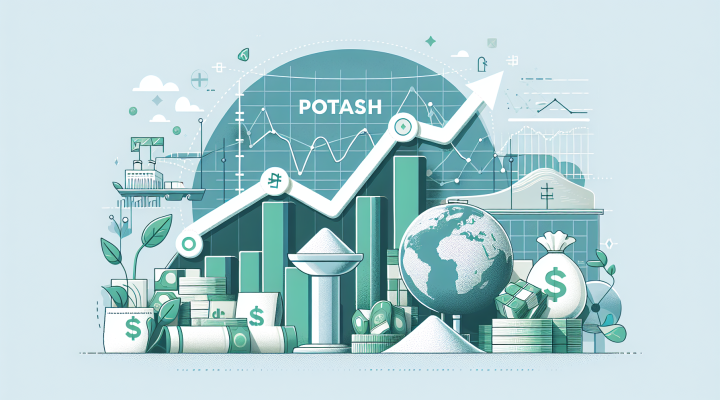
Rising Potash Market Signal Points to Canada’s Clean Energy Revolution

Canada’s clean energy transformation is gaining momentum from an unexpected source: the evolving potash market signal that’s reshaping how investors and policymakers view the nation’s sustainable future. As global demand for clean technologies accelerates, the intricate relationship between potash mining revenues and renewable energy investments is creating a powerful feedback loop that positions Canada at the forefront of the green economy revolution.

The potash market signal has become increasingly sophisticated, reflecting not just traditional agricultural demand but also the growing recognition of Canada’s mineral wealth as a foundation for clean energy infrastructure. Saskatchewan’s potash reserves, among the world’s largest, are generating revenues that provincial and federal governments are strategically channeling into renewable energy projects, energy storage solutions, and clean technology research and development initiatives.

What makes this potash market signal particularly compelling is its timing with global supply chain restructuring. As countries seek to reduce dependence on volatile international markets, Canada’s stable potash production is attracting long-term contracts that provide predictable revenue streams. These stable cash flows are enabling Canadian provinces to make substantial commitments to clean energy projects without relying solely on federal funding or international financing mechanisms.

The interconnection between potash revenues and clean energy investment represents a unique Canadian advantage in the global energy transition. Unlike jurisdictions that must choose between traditional resource extraction and clean energy development, Canada is leveraging its potash market signal to fund both sectors simultaneously. This dual approach is attracting international investors who see Canada as a reliable partner for long-term clean energy collaborations.

Recent developments in battery technology have amplified the potash market signal’s importance to Canada’s clean energy future. Potassium-based battery systems are emerging as viable alternatives to lithium-ion technologies, particularly for large-scale energy storage applications. Canadian researchers, funded partly by potash industry partnerships, are pioneering innovations that could position the country as a leader in next-generation energy storage solutions.

The potash market signal is also influencing Canada’s approach to international climate commitments. With stable revenues from potash exports providing fiscal flexibility, Canadian governments are making more ambitious clean energy targets and backing them with concrete investment plans. This credibility is enhancing Canada’s position in international climate negotiations and attracting additional foreign investment in Canadian clean energy projects.

Infrastructure development represents another dimension where the potash market signal is driving clean energy progress. The transportation networks, power systems, and port facilities built to support potash exports are being upgraded with clean energy components. Solar panels on mining facilities, electric vehicle fleets for transportation, and wind-powered processing plants are becoming standard features of modern Canadian potash operations.

Regional economic diversification is accelerating as communities historically dependent on potash mining embrace clean energy opportunities funded by industry revenues. The potash market signal is encouraging local governments to invest in renewable energy manufacturing, clean technology incubators, and workforce retraining programs that prepare residents for careers in the emerging green economy.

International partnerships are multiplying as foreign nations recognize Canada’s unique position leveraging its potash market signal for clean energy development. Trade agreements increasingly include provisions for clean technology collaboration, with Canadian potash revenues serving as collateral for international clean energy project financing arrangements.

The potash market signal continues evolving as global markets adapt to changing agricultural practices, climate challenges, and energy transition requirements. Canada’s ability to interpret and respond to these signals while maintaining its commitment to clean energy development will determine whether the country can sustain its competitive advantages in both traditional resource sectors and emerging clean technologies. The convergence of these market forces suggests that Canada’s clean energy future may be more closely tied to its natural resource heritage than many observers previously recognized.

Smart Investors Build Agricultural Commodity Portfolios Through Tax-Advantaged Accounts

The agricultural commodity outlook presents compelling opportunities for Canadian investors seeking diversification beyond traditional stocks and bonds. With global food security concerns, climate-related supply disruptions, and shifting consumer preferences driving commodity prices, strategic allocation through Tax-Free Savings Accounts (TFSA) and Registered Retirement Savings Plans (RRSP) can maximize both returns and tax efficiency.

Understanding Agricultural Commodity Investment Fundamentals

Agricultural commodities encompass essential crops like wheat, corn, soybeans, and livestock products that form the backbone of global food systems. The current agricultural commodity outlook reflects several key drivers: population growth requiring increased food production, extreme weather patterns affecting crop yields, and evolving dietary preferences in emerging markets. Canadian investors can access these markets through commodity ETFs, agricultural REITs, and shares in agribusiness companies. Unlike direct commodity ownership, these investment vehicles fit seamlessly within registered accounts, offering exposure to price movements without storage or delivery concerns. The sector’s inherent volatility, while challenging, creates opportunities for patient investors who understand seasonal patterns and long-term supply-demand dynamics.

TFSA Strategies for Commodity Growth Potential

Tax-Free Savings Accounts offer unique advantages for agricultural commodity investments, particularly given the sector’s potential for significant price appreciation. Since all gains within a TFSA remain tax-free, investors can capitalize on commodity price swings without triggering capital gains taxes. This makes TFSAs ideal for growth-oriented agricultural investments, such as emerging market agricultural ETFs or innovative agtech companies developing sustainable farming solutions. The annual contribution room allows for systematic building of commodity positions over time. Consider allocating 5-15% of TFSA holdings to agricultural commodities, balancing between broad-based agricultural ETFs for stability and targeted investments in specific crops or regions showing strong fundamentals. The agricultural commodity outlook suggests particular strength in sustainable agriculture and alternative protein sources, sectors that could deliver substantial tax-free returns within TFSA structures.

RRSP Allocation for Long-Term Agricultural Trends

RRSPs complement agricultural commodity strategies through their extended investment horizons and immediate tax deduction benefits. The retirement timeline aligns well with long-term agricultural trends, including technological advancement in farming, increasing protein demand from growing middle classes, and the transition to more sustainable agricultural practices. Within RRSPs, investors can hold income-generating agricultural investments like dividend-paying agribusiness stocks or agricultural REITs, where the tax-deferral benefit maximizes compounding over decades. The agricultural commodity outlook supports themes of food security and sustainable farming, trends likely to strengthen over the 20-30 year RRSP investment horizon. Dollar-cost averaging into broad agricultural indices within RRSPs helps smooth volatility while capturing long-term sector growth. Conservative investors might emphasize established agricultural companies with strong dividend histories, while those comfortable with higher risk could allocate to innovative agtech firms developing solutions for modern farming challenges.

Risk Management and Portfolio Integration

Successful agricultural commodity investing requires understanding unique sector risks and implementing appropriate safeguards within tax-advantaged accounts. Weather dependency, geopolitical factors affecting trade, and currency fluctuations can create significant volatility that demands careful position sizing. The agricultural commodity outlook indicates increasing importance of climate adaptation and sustainable practices, suggesting focus on companies and regions leading these transitions. Diversification across different crops, geographic regions, and value chain segments helps mitigate concentration risk. Within both TFSA and RRSP portfolios, agricultural commodities should complement rather than dominate overall allocation, typically representing 10-20% of total holdings depending on risk tolerance. Regular rebalancing ensures commodity positions don’t grow disproportionately large during favorable periods. Consider pairing agricultural investments with defensive sectors that perform well during commodity downturns, creating more stable overall portfolio performance while maintaining upside exposure to agricultural trends.

The intersection of agricultural commodity investing with Canadian tax-advantaged accounts creates powerful wealth-building opportunities for informed investors. By understanding how TFSA and RRSP structures complement different agricultural investment approaches, Canadians can build diversified portfolios that capitalize on global food system evolution while optimizing tax efficiency. The current agricultural commodity outlook supports strategic allocation to this essential sector, particularly for investors committed to long-term growth and portfolio diversification.

Smart Canadians Are Transforming Their Retirement Savings Through Advanced RRSP Optimization Strategies

While most Canadians understand the basic concept of Registered Retirement Savings Plans, only a fraction truly harness the full potential of these powerful tax-deferred vehicles. The difference between simply contributing to an RRSP and implementing sophisticated RRSP optimization strategies can translate to hundreds of thousands of dollars over a lifetime. The most successful Canadian investors treat their RRSPs not just as savings accounts, but as strategic wealth-building instruments that require careful planning and ongoing refinement.

The foundation of effective RRSP optimization begins with contribution timing and income smoothing. Rather than making contributions randomly throughout the year, strategic investors leverage the tax implications by timing contributions during high-income periods. For professionals experiencing variable income streams—such as consultants, commission-based salespeople, or business owners—this timing strategy becomes even more critical. By maximizing contributions during peak earning years and potentially reducing contributions during lower-income periods, you can optimize the immediate tax benefits while ensuring your overall retirement savings trajectory remains strong.

Asset allocation within your RRSP represents another crucial optimization opportunity that many Canadians overlook. Since RRSPs provide tax-sheltered growth, they’re ideally suited for holding investments that would otherwise generate significant taxable income. Foreign dividend-paying stocks, Real Estate Investment Trusts (REITs), bonds, and other income-generating securities perform exceptionally well within the tax-sheltered environment of an RRSP. Meanwhile, Canadian eligible dividend stocks and capital gains-focused investments might be better held in taxable accounts where you can benefit from preferential tax treatment. This strategic asset location—placing the right investments in the right account types—can significantly enhance your after-tax returns over time.

Maximizing Contribution Room and Catch-Up Strategies

Understanding and maximizing your RRSP contribution room requires a nuanced approach that goes beyond simply contributing 18% of your previous year’s income. Many Canadians accumulate unused contribution room over the years, creating opportunities for strategic catch-up contributions. If you receive a substantial bonus, inheritance, or experience a particularly strong financial year, utilizing accumulated contribution room can provide immediate tax relief while supercharging your retirement savings. However, this strategy requires careful cash flow planning to ensure you don’t compromise your current financial stability.

The interplay between RRSPs and other registered accounts like Tax-Free Savings Accounts (TFSAs) presents sophisticated optimization opportunities. While conventional wisdom suggests maximizing RRSP contributions first due to the immediate tax deduction, this isn’t always optimal. Young professionals in lower tax brackets might benefit more from TFSA contributions, saving their RRSP contribution room for higher-earning years when the tax deduction provides greater value. Similarly, individuals expecting to be in similar or higher tax brackets in retirement might prioritize TFSA growth over RRSP tax deferral.

Spousal RRSP strategies add another layer of optimization for couples. By contributing to a spousal RRSP, higher-income earners can effectively income-split in retirement, potentially reducing the couple’s overall tax burden. This strategy works particularly well when there’s a significant income disparity between spouses or when one partner has substantially more pension income expected in retirement. The three-year attribution rule requires careful planning, but the long-term benefits of income equalization can be substantial.

Advanced Withdrawal and Conversion Strategies

Sophisticated RRSP optimization extends well into the withdrawal phase. The transition from RRSPs to Registered Retirement Income Funds (RRIFs) at age 71 presents opportunities for tax-efficient income planning. Strategic early withdrawals, particularly during lower-income years before age 65, can help smooth lifetime tax obligations. Some retirees benefit from beginning RRSP withdrawals as early as their late 50s or early 60s, especially if they’re in temporarily lower tax brackets due to career transitions or early retirement.

The Home Buyers’ Plan (HBP) and Lifelong Learning Plan (LLP) provide unique opportunities for strategic RRSP utilization beyond retirement savings. These programs allow temporary access to RRSP funds without immediate tax consequences, effectively providing interest-free loans for major life investments. However, optimal use of these programs requires careful consideration of opportunity costs and repayment strategies to avoid derailing long-term retirement planning.

Mastering RRSP optimization transforms your approach to retirement planning from reactive to proactive. The most successful Canadian investors continuously evaluate their RRSP strategies, adjusting contribution timing, asset allocation, and withdrawal planning based on changing circumstances and tax legislation. By viewing RRSP optimization as an ongoing process rather than a set-and-forget strategy, you position yourself to maximize both the immediate tax benefits and long-term wealth accumulation potential of these remarkable retirement savings vehicles. The compound effect of optimized strategies, applied consistently over decades, creates the foundation for true financial independence in retirement.

Record Copper Demand Projections Fuel Canadian Mining and Tech Innovation Surge

The global copper market stands at a pivotal moment as electrification accelerates worldwide, with Canada emerging as a critical player in both supply and technological innovation. The copper demand outlook has reached unprecedented levels, driven by the renewable energy transition, electric vehicle adoption, and expanding data infrastructure needs. Canadian companies are positioning themselves at the forefront of this transformation, leveraging advanced mining technologies and strategic resource development to meet surging global requirements.

Current market analysis reveals that copper demand is experiencing its most robust growth trajectory in decades. Electric vehicles alone require four times more copper than traditional combustion engines, while renewable energy installations consume massive quantities of the red metal for transmission lines, transformers, and energy storage systems. This fundamental shift in energy consumption patterns has created a structural deficit that industry experts predict will persist well into the next decade, making the copper demand outlook increasingly bullish for resource-rich nations like Canada.

Canadian mining companies have responded to these market dynamics by investing heavily in cutting-edge extraction and processing technologies. Advanced AI-powered ore sorting systems now enable more efficient separation of copper-bearing materials, while autonomous mining equipment reduces operational costs and enhances safety protocols. These technological innovations are particularly crucial as easily accessible copper deposits become depleted, forcing the industry to develop more challenging resources that require sophisticated approaches.

The integration of environmental, social, and governance principles into Canadian copper operations has become a significant differentiator in the global marketplace. Progressive mining companies are implementing carbon-neutral extraction processes, partnering with Indigenous communities, and utilizing renewable energy sources to power their operations. This sustainable approach aligns perfectly with the environmental objectives driving the copper demand outlook, as downstream consumers increasingly prioritize responsibly sourced materials for their clean energy projects.

Investment patterns in Canadian copper assets reflect growing confidence in the sector’s long-term prospects. Major mining corporations are acquiring exploration properties across British Columbia, Ontario, and Quebec, while venture capital flows into innovative mining technology startups have reached record levels. The combination of abundant mineral resources and technological expertise positions Canada to capture a disproportionate share of the value creation occurring throughout the copper supply chain.

Regional development initiatives are amplifying Canada’s competitive advantages in the evolving copper market landscape. Government-backed research programs focus on breakthrough extraction methods, including bioleaching and in-situ recovery techniques that minimize environmental impact while maximizing resource recovery. These innovations are particularly relevant as the copper demand outlook necessitates the development of lower-grade deposits that would have been economically unfeasible using conventional mining methods.

Supply chain considerations have become increasingly important as global copper markets navigate geopolitical uncertainties and transportation challenges. Canadian producers benefit from stable political environments, well-established infrastructure networks, and proximity to major North American consumption centers. These logistical advantages become more valuable as international buyers seek reliable, long-term supply relationships to support their expansion plans in electric vehicles, renewable energy, and digital infrastructure.

The sophisticated interplay between technological advancement and resource development continues to reshape Canada’s copper industry landscape. Machine learning algorithms now optimize blasting patterns and ore processing parameters in real-time, while advanced metallurgical techniques extract higher copper concentrations from increasingly complex mineral compositions. These innovations directly address the quality and quantity challenges inherent in the current copper demand outlook, enabling Canadian producers to maintain competitive production costs despite rising operational complexity.

As global markets grapple with the structural shifts driving unprecedented copper consumption, Canada’s unique combination of abundant resources, technological innovation, and sustainable practices positions the nation as a cornerstone of future supply security. The copper demand outlook suggests that this strategic positioning will generate substantial economic benefits for Canadian companies, investors, and communities over the coming decades, cementing the country’s role as a critical enabler of the global energy transition.

Smart Investors Track Canadian Dollar Movements to Maximize Portfolio Returns

Currency fluctuations can make or break investment returns, yet many Canadian investors overlook the profound impact of their home currency on portfolio performance. The Canadian dollar outlook serves as a critical compass for navigating domestic and international investment opportunities, influencing everything from resource stocks to foreign equity returns.

When the loonie strengthens against major currencies like the US dollar, your international investments lose value in Canadian dollar terms, even if they’re performing well in their local markets. Conversely, a weakening Canadian dollar can boost returns from foreign holdings, creating unexpected portfolio gains. This currency translation effect can add or subtract several percentage points from annual returns, making the Canadian dollar outlook an essential consideration for any serious investor.

The resource-heavy nature of Canada’s economy creates unique dynamics that directly affect currency movements and portfolio positioning. Oil prices remain a dominant driver, with crude price increases typically supporting the Canadian dollar through improved trade balances and increased foreign investment in energy sectors. Mining companies listed on Canadian exchanges often benefit from a weaker loonie, as their commodity revenues are priced in US dollars while their operational costs remain in Canadian currency. This creates a natural hedge that savvy investors can exploit by adjusting their resource sector allocations based on anticipated currency trends.

Interest Rate Differentials Shape Investment Flows

The Bank of Canada’s monetary policy decisions create ripple effects throughout Canadian portfolios, particularly when interest rate differentials emerge between Canada and other major economies. When Canadian rates rise relative to US rates, capital flows typically favor Canadian assets, strengthening the dollar and benefiting domestic bond holders while potentially hurting export-focused companies. Portfolio managers often adjust their duration exposure and sector weightings based on these anticipated policy shifts.

Technology and growth stocks within Canadian portfolios face particular sensitivity to currency movements, as many derive significant revenue from US markets. A strengthening Canadian dollar can compress margins for these companies, making their products less competitive internationally. Shopify, Constellation Software, and other tech leaders have demonstrated how currency headwinds can impact quarterly results, regardless of underlying business fundamentals.

Real estate investment trusts (REITs) and utilities, traditionally viewed as defensive holdings, also respond to Canadian dollar outlook changes through their impact on foreign investment appetite. International buyers often reduce Canadian real estate exposure when the dollar appears overvalued, affecting both direct property investments and REIT valuations. Utility companies with significant US operations face translation risks that can materially impact reported earnings and dividend sustainability.

Strategic Portfolio Positioning Based on Currency Trends

Professional portfolio managers increasingly incorporate currency forecasting into their asset allocation models, recognizing that the Canadian dollar outlook can override sector-specific fundamentals. During periods of expected dollar weakness, increasing exposure to large-cap resource companies and international equity funds can provide natural currency hedging while maintaining equity market participation.

Fixed income investors must pay particular attention to currency trends when considering foreign bond exposure. Unhedged international bond funds can deliver strong returns during periods of Canadian dollar weakness, but these gains can quickly reverse when the loonie strengthens. Many sophisticated investors use currency-hedged versions of international funds to isolate the underlying bond performance from exchange rate volatility.

The emergence of currency-hedged ETFs has democratized sophisticated portfolio management techniques, allowing individual investors to separate investment decisions from currency exposure. These tools become particularly valuable when the Canadian dollar outlook suggests prolonged periods of volatility or when fundamental analysis points to attractive opportunities in markets where currency exposure creates unwanted risk.

Understanding and actively monitoring the Canadian dollar outlook transforms portfolio management from a passive exercise into a dynamic strategy for enhancing returns and managing risk. Whether adjusting sector allocations, selecting between hedged and unhedged international funds, or timing rebalancing activities, currency awareness elevates investment decision-making. The most successful Canadian portfolios integrate currency analysis as a core component of their investment process, recognizing that in an interconnected global economy, exchange rates often determine whether good investment decisions translate into superior portfolio performance.

Oil Sands Production Surge Drives Record Gains Across Canadian Energy Markets

Canadian energy markets are experiencing a remarkable transformation as the latest oil sands production update reveals unprecedented output levels that are sending shockwaves through equity markets. The surge in production capacity, coupled with operational efficiency improvements, has positioned Canadian oil sands companies at the forefront of a bullish energy sector rally that continues to capture investor attention across North America.

The most recent oil sands production update indicates that major operators have achieved production levels that exceed previous forecasts by significant margins. Suncor Energy, Canadian Natural Resources, and Imperial Oil have all reported substantial increases in their daily barrel output, with some facilities operating at near-maximum capacity. These gains reflect years of technological advancement and operational optimization that have finally materialized into tangible financial results for shareholders.

Market analysts are particularly impressed by the consistency of these production improvements. Unlike previous cycles where oil sands operations faced frequent disruptions and maintenance-related downtime, the current operational environment demonstrates remarkable stability. This reliability factor has become a crucial differentiator for Canadian energy equities, as investors increasingly value predictable cash flow generation over volatile production schedules that characterized earlier periods.

The financial implications of the latest oil sands production update extend far beyond individual company performance metrics. Canadian pension funds and institutional investors have significantly increased their exposure to domestic energy equities, recognizing the sector’s enhanced profitability profile. The combination of higher production volumes and improved cost structures has created a compelling investment narrative that resonates with both growth-oriented and income-focused investment strategies.

Environmental considerations continue to play a significant role in shaping market perceptions of oil sands operations. However, recent technological innovations have substantially reduced the carbon intensity of production processes, addressing many longstanding environmental concerns. Companies reporting in the current oil sands production update have highlighted their progress in implementing carbon capture technologies and renewable energy integration, factors that are increasingly important to ESG-conscious investors.

The ripple effects of increased oil sands production are visible throughout the broader Canadian economy. Transportation companies, equipment manufacturers, and service providers have all benefited from the heightened activity levels in Alberta’s oil sands region. This multiplier effect has contributed to stronger-than-expected performance across multiple sectors within the Canadian equity markets, creating opportunities for diversified investment portfolios.

International market dynamics have also favored Canadian oil sands producers in recent months. Global supply chain disruptions and geopolitical tensions have highlighted the strategic value of North American energy production capacity. The stable regulatory environment and established infrastructure networks supporting Canadian oil sands operations have become increasingly attractive to international energy companies seeking reliable production partnerships.

Technology integration represents another crucial element driving the positive momentum reflected in the current oil sands production update. Artificial intelligence applications, advanced drilling techniques, and enhanced recovery methods have collectively contributed to production efficiency gains that seemed unattainable just a few years ago. These technological advances have not only increased output but have also reduced operational costs, creating a dual benefit for equity valuations.

Currency considerations add another layer of complexity to the investment equation. The strengthening Canadian dollar, partially supported by robust energy sector performance, has created both opportunities and challenges for oil sands producers. While higher production levels generate increased revenue, currency appreciation can impact the competitiveness of Canadian exports in global markets.

Looking ahead, the sustainability of current production levels remains a key focus for market participants. The latest oil sands production update suggests that operators have successfully navigated the transition from growth-focused strategies to optimization-centered approaches. This strategic shift has resulted in more stable cash flow profiles and improved capital allocation efficiency, factors that continue to support positive equity market sentiment for Canadian energy companies positioned at the heart of this remarkable production renaissance.