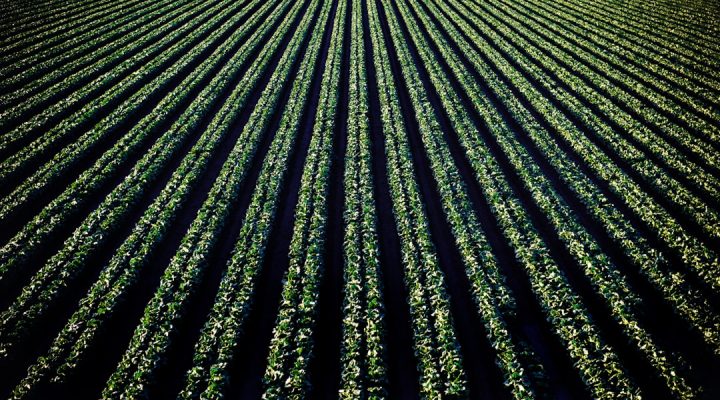
agricultural commodities

Data Shows Agricultural Commodity Outlook Demands Strategic TFSA and RRSP Allocation

The current agricultural commodity outlook presents both compelling opportunities and significant risks that Canadian investors can strategically navigate through tax-advantaged accounts. With global food security concerns intensifying and climate patterns shifting agricultural production zones, understanding how to position agricultural investments within TFSAs and RRSPs has become increasingly critical for long-term wealth building.

Agricultural commodities have demonstrated remarkable resilience amid global economic uncertainty, with wheat futures maintaining elevated levels and corn prices reflecting supply chain disruptions across key growing regions. The agricultural commodity outlook for the coming years suggests continued volatility driven by weather patterns, geopolitical tensions, and evolving consumer preferences toward sustainable farming practices. These market dynamics create unique opportunities for Canadian investors willing to embrace strategic positioning through registered accounts.

TFSA strategies for agricultural commodity exposure offer tax-free growth potential that becomes particularly valuable during commodity bull cycles. Consider allocating agricultural ETFs or commodity-focused mutual funds within your TFSA to capture upside without triggering capital gains taxation. The current agricultural commodity outlook favors diversified exposure across grains, livestock, and specialty crops rather than concentrated positions in single commodities. Agricultural REITs provide another avenue for TFSA inclusion, offering exposure to farmland appreciation and rental income streams from productive agricultural properties.

RRSP Agricultural Investment Approaches

RRSP allocation strategies for agricultural commodities should emphasize income-generating assets that benefit from tax deferral advantages. Agricultural infrastructure investments, including grain storage facilities and processing operations, generate steady cash flows suitable for RRSP growth. The agricultural commodity outlook supports infrastructure investments as global food demand continues expanding while transportation and storage capabilities remain constrained in many regions.

Currency hedging considerations become crucial when evaluating agricultural commodity investments within registered accounts. Many agricultural commodities trade in US dollars, creating additional complexity for Canadian investors. The current agricultural commodity outlook suggests that currency fluctuations could significantly impact returns, making hedged agricultural ETFs attractive for conservative RRSP allocations while unhedged options might suit more aggressive TFSA strategies.

Risk Management and Timing Strategies

Dollar-cost averaging into agricultural positions through both TFSAs and RRSPs helps smooth volatility inherent in commodity markets. The agricultural commodity outlook indicates seasonal patterns will continue influencing prices, with harvest periods typically creating buying opportunities for patient investors. Spreading purchases across multiple quarters allows investors to benefit from seasonal price variations while building meaningful exposure over time.

Geographic diversification within agricultural investments proves essential given regional weather risks and varying agricultural policies across countries. The agricultural commodity outlook shows increasing importance of water-efficient crops and sustainable farming practices, suggesting that ESG-focused agricultural investments may outperform traditional commodity exposure over longer time horizons suitable for registered account investing.

Portfolio weighting for agricultural commodities within registered accounts should typically range between 5-15% of total holdings, depending on risk tolerance and investment timeline. Younger investors with longer time horizons can justify higher allocations through their TFSAs, while those nearing retirement might prefer smaller, income-focused agricultural positions within RRSPs. The evolving agricultural commodity outlook rewards patient investors who maintain disciplined allocation strategies through complete market cycles, positioning registered accounts to capture long-term trends while minimizing tax implications on commodity gains.
Canadian Investors Navigate Agricultural Commodity Volatility With Strategic Portfolio Diversification

Agricultural commodities have emerged as a critical component of diversified investment portfolios, particularly for Canadian investors seeking protection against inflation and currency fluctuations. The current agricultural commodity outlook presents both opportunities and challenges that require careful financial planning and strategic positioning.

Understanding the agricultural commodity outlook begins with recognizing Canada’s unique position as a global agricultural powerhouse. With vast farmland resources and established export relationships, Canadian investors have natural exposure to commodity price movements through domestic economic performance. However, direct commodity investing requires a nuanced approach that considers seasonal patterns, weather dependencies, and global demand shifts.

The agricultural commodity outlook for major crops like wheat, canola, and soybeans shows considerable price volatility influenced by climate patterns, geopolitical tensions, and changing dietary preferences worldwide. Canadian investors can capitalize on this volatility through several financial vehicles, including commodity-focused exchange-traded funds, agricultural stocks, and farmland investment trusts. These instruments provide exposure without the complexities of direct commodity ownership.

Currency hedging represents another crucial consideration when evaluating the agricultural commodity outlook from a Canadian perspective. Since many agricultural commodities trade in US dollars, fluctuations in the CAD-USD exchange rate can significantly impact returns. Investors should consider currency-hedged options or natural hedges through Canadian agricultural companies that benefit from weak Canadian dollar periods.

The agricultural commodity outlook also intersects with environmental, social, and governance investing trends. Sustainable farming practices, water management technologies, and precision agriculture represent growing investment themes. Canadian investors increasingly seek exposure to companies developing innovative solutions for agricultural challenges while maintaining strong ESG credentials.

Tax implications play a vital role in agricultural commodity investing strategies for Canadians. Commodity investments held in taxable accounts may generate different tax treatment compared to traditional equity investments. Understanding the distinction between capital gains and income treatment helps optimize after-tax returns while staying compliant with Canada Revenue Agency requirements.

Risk management becomes paramount when incorporating agricultural commodities into Canadian investment portfolios. The agricultural commodity outlook suggests continued volatility driven by climate change impacts, supply chain disruptions, and evolving trade relationships. Proper position sizing, typically limiting commodity exposure to 5-10% of total portfolio value, helps manage downside risk while capturing upside potential.

Geographic diversification within agricultural commodity investments offers additional risk mitigation benefits. While Canadian agricultural assets provide natural home bias advantages, global commodity exposure through international agricultural companies and emerging market farmland investments can enhance portfolio resilience against regional weather patterns or policy changes.

The agricultural commodity outlook increasingly reflects technological disruption across farming operations. Precision agriculture, biotechnology advances, and automated farming equipment create investment opportunities in companies supporting agricultural productivity improvements. Canadian investors can access these themes through technology-focused agricultural funds or individual company selections.

Inflation protection represents a primary motivation for many Canadians considering agricultural commodity investments. Historical data demonstrates strong correlation between commodity prices and inflation rates during certain economic cycles. However, this relationship varies across different commodities and time periods, requiring careful analysis rather than blanket assumptions about inflation hedging effectiveness.

Professional guidance becomes valuable when navigating the complexities of agricultural commodity investing within comprehensive financial plans. Fee-only financial advisors can help Canadian investors evaluate how agricultural commodity exposure aligns with their risk tolerance, time horizon, and broader financial objectives while maintaining appropriate diversification across asset classes.

The evolving agricultural commodity outlook presents compelling opportunities for Canadian investors willing to embrace volatility in pursuit of portfolio diversification and inflation protection. Success requires disciplined approach to risk management, thorough understanding of tax implications, and strategic positioning that complements rather than dominates overall investment strategy. As global food demand continues growing alongside population expansion, agricultural commodities remain relevant considerations for forward-thinking Canadian investment portfolios.

Agricultural Commodity Outlook Reveals Five Money-Saving Strategies Every Canadian Should Know

Rising food costs continue to squeeze Canadian household budgets, making it more crucial than ever to understand how agricultural markets affect your daily expenses. The current agricultural commodity outlook reveals significant price volatility across key sectors, from grain production to livestock, directly impacting what you pay at the grocery store. For Canadian families already grappling with inflation, these commodity fluctuations represent both challenges and opportunities for strategic financial planning.

Understanding the agricultural commodity outlook isn’t just for farmers and investors—it’s essential knowledge for anyone looking to protect their purchasing power. When wheat futures climb due to drought conditions in the Prairies, or when canola prices surge because of international trade disruptions, these market movements translate directly into higher costs for bread, cooking oil, and countless processed foods that form the backbone of Canadian diets.

The connection between commodity markets and personal finance runs deeper than most Canadians realize. A comprehensive agricultural commodity outlook considers factors like weather patterns, global supply chains, currency fluctuations, and geopolitical tensions—all of which ultimately determine whether your grocery bill increases or decreases month over month. By staying informed about these trends, you can make proactive decisions that shield your budget from unexpected price spikes.

One of the most effective strategies for managing food inflation involves timing your bulk purchases around commodity price cycles. When the agricultural commodity outlook indicates upcoming price increases for staples like beef, pork, or frozen vegetables, stocking up during current lower-price periods can generate substantial savings. This approach requires freezer space and upfront capital, but the return on investment often exceeds traditional savings account interest rates.

Diversifying your protein sources based on the agricultural commodity outlook represents another powerful cost-management technique. When beef prices soar due to feed cost increases or supply constraints, shifting temporarily toward chicken, fish, or plant-based alternatives can maintain your nutrition goals while reducing expenses. Many Canadian families have discovered that following commodity price signals helps them explore new recipes and cooking techniques they might never have tried otherwise.

Building a Commodity-Aware Shopping Strategy

Creating a shopping strategy that responds to the agricultural commodity outlook requires developing new habits around meal planning and grocery purchasing. Start by identifying which staples your household consumes regularly, then track the underlying commodity prices that drive their retail costs. Wheat affects bread and pasta prices, corn influences everything from cereal to meat production costs, and soybean fluctuations impact cooking oil and processed food expenses.

Seasonal purchasing patterns offer another layer of savings opportunity within the broader agricultural commodity outlook framework. Canadian produce follows predictable seasonal cycles, with items like apples, potatoes, and root vegetables reaching peak affordability during harvest periods. Preserving, freezing, or properly storing these seasonal abundance periods can provide months of savings while supporting local agricultural producers.

The agricultural commodity outlook also highlights the value of establishing relationships with local farmers and producers. Community-supported agriculture programs, farmers’ markets, and direct-from-farm purchasing often provide better pricing than retail channels, especially when commodity markets are experiencing volatility. These relationships also offer insights into local growing conditions and harvest expectations that can inform your longer-term food purchasing decisions.

Technology Tools for Tracking Agricultural Markets

Modern technology makes monitoring the agricultural commodity outlook more accessible than ever for ordinary consumers. Several smartphone apps and websites provide real-time commodity price data, weather forecasts affecting growing regions, and market analysis that was once available only to professional traders. Integrating these tools into your weekly meal planning routine can identify optimal purchasing windows for different food categories.

Setting up price alerts for key commodities relevant to your household’s consumption patterns creates an early warning system for potential grocery bill increases. When corn futures spike unexpectedly, you’ll have advance notice that meat prices might increase in the coming weeks, allowing you to adjust your protein purchasing accordingly. This proactive approach transforms the agricultural commodity outlook from abstract market data into actionable financial intelligence.

The agricultural commodity outlook also influences investment decisions for Canadians looking to hedge against food inflation. Exchange-traded funds focused on agricultural commodities, stocks of major food processing companies, or even farmland investment trusts can provide portfolio diversification while potentially benefiting from the same trends driving up grocery costs.

Understanding the agricultural commodity outlook empowers Canadian consumers to make informed decisions that protect their financial well-being while potentially improving their nutrition and supporting local food systems. By viewing commodity markets as a financial planning tool rather than distant economic forces, households can transform market volatility from a budget threat into a strategic advantage. The key lies in staying informed, remaining flexible in your consumption patterns, and viewing food purchasing through the lens of long-term financial optimization rather than simple convenience.

Record Harvests Meet Tax-Sheltered Growth in Today’s Agricultural Commodity Markets

The agricultural commodity outlook has reached a fascinating inflection point where abundant harvests, evolving climate patterns, and geopolitical tensions create both opportunities and challenges for Canadian investors. With global food security concerns persisting alongside technological advances in farming, understanding how to position agricultural investments within tax-advantaged accounts has never been more critical.

Current market dynamics paint a complex picture for agricultural commodities. While grain inventories have recovered from recent supply shocks, persistent weather volatility continues to influence pricing. The agricultural commodity outlook suggests that wheat, corn, and soybean futures remain sensitive to weather patterns across major growing regions, from the Canadian Prairies to South American agricultural zones. For investors seeking exposure through their Tax-Free Savings Account (TFSA) or Registered Retirement Savings Plan (RRSP), this volatility presents both risk and opportunity.

The strategic advantage of holding agricultural commodity investments within registered accounts becomes apparent when considering the tax implications of commodity-based returns. Agricultural commodity ETFs, which track baskets of futures contracts, generate complex tax outcomes that benefit significantly from the tax-sheltered environment of TFSAs and RRSPs. Unlike dividend-paying stocks, commodity investments often produce capital gains and derivative-based income that would otherwise face unfavorable tax treatment in non-registered accounts.

TFSA strategies for agricultural commodity exposure should prioritize growth potential over income generation. The agricultural commodity outlook indicates particular strength in specialty crop segments, including canola and pulse crops where Canadian producers maintain competitive advantages. Agricultural real estate investment trusts (REITs) focused on farmland ownership offer another compelling TFSA option, combining commodity exposure with real estate appreciation potential. These investments benefit from the TFSA’s tax-free growth characteristics while providing portfolio diversification.

RRSP positioning requires a different approach, emphasizing long-term secular trends within the agricultural commodity outlook. Global population growth, rising protein consumption in developing economies, and climate adaptation needs create decades-long investment themes suitable for retirement timeline investments. Broad-based agricultural commodity funds work well within RRSPs, as do shares of agricultural technology companies and fertilizer producers that benefit from increased farming efficiency demands.

Risk management becomes crucial when incorporating agricultural commodity investments into registered accounts. The agricultural commodity outlook reveals significant seasonal price patterns, with planting and harvest seasons driving predictable volatility cycles. Successful TFSA and RRSP strategies often employ dollar-cost averaging approaches, spreading purchases across multiple quarters to smooth out price fluctuations. This approach proves particularly effective for commodity investments, where timing individual purchases can be challenging even for experienced investors.

Currency considerations add another layer of complexity to Canadian agricultural commodity investing. Many agricultural commodities trade in US dollars, creating currency exposure that can either enhance or detract from returns for Canadian investors. The agricultural commodity outlook must account for potential Canadian dollar strength or weakness, particularly given Canada’s position as a major agricultural exporter. Some investors choose currency-hedged agricultural commodity ETFs within their registered accounts to isolate pure commodity exposure from foreign exchange fluctuations.

Portfolio allocation guidelines suggest limiting agricultural commodity exposure to 5-15% of total registered account holdings, depending on risk tolerance and investment timeline. The agricultural commodity outlook supports this moderate allocation approach, as commodities historically exhibit low correlation with traditional stock and bond investments while providing inflation protection benefits. Within this allocation, diversification across different agricultural subsectors—grains, livestock, soft commodities, and agricultural technology—helps manage sector-specific risks.

The intersection of environmental, social, and governance (ESG) considerations with agricultural commodity investing continues evolving. The agricultural commodity outlook increasingly reflects sustainable farming practices, water conservation technologies, and carbon sequestration initiatives. ESG-focused agricultural investments may find natural homes within younger investors’ TFSAs, aligning long-term growth potential with environmental stewardship values.

Looking ahead, the agricultural commodity outlook suggests continued structural changes that favor strategic, long-term positioning within registered accounts. Climate adaptation technologies, precision agriculture advances, and alternative protein development create investment opportunities that extend well beyond traditional commodity futures. Canadian investors who thoughtfully integrate these themes into their TFSA and RRSP strategies position themselves to benefit from both the essential nature of agricultural production and the innovative solutions emerging to meet global food security challenges.

Canadian Portfolio Performance Hinges on Agricultural Commodity Market Trends

When Canadian investors scan their portfolios, they often overlook one of the most influential market forces shaping their returns: agricultural commodities. The agricultural commodity outlook serves as a critical barometer for multiple sectors, from food processing giants to transportation companies, making it an essential component of any well-informed investment strategy.

Canada’s position as a global agricultural powerhouse means that commodity price movements ripple through the entire economy. With the country ranking among the world’s top exporters of wheat, canola, and pulse crops, shifts in agricultural markets directly impact everything from individual stock prices to currency valuations. Understanding these dynamics becomes particularly crucial as climate patterns, global trade relationships, and technological innovations continue reshaping agricultural production worldwide.

The interconnected nature of modern markets means that agricultural commodity trends extend far beyond farming operations. Transportation companies benefit from increased grain shipments during bumper harvest years, while fertilizer manufacturers see demand fluctuations based on planting intentions and crop prices. Even technology firms specializing in precision agriculture equipment experience revenue changes tied to farmer profitability, which ultimately stems from commodity pricing cycles.

Portfolio Diversification Through Agricultural Exposure

Incorporating agricultural commodity outlook analysis into investment decisions provides natural portfolio diversification that often moves independently of traditional stock and bond markets. During periods of economic uncertainty, food demand remains relatively stable, offering defensive characteristics that can help stabilize returns. However, this stability comes with its own volatility patterns driven by weather events, disease outbreaks, and geopolitical tensions affecting major producing regions.

Canadian mutual funds and exchange-traded funds with agricultural exposure have demonstrated varying performance patterns based on their commodity focus. Those concentrated on grain production often show different risk-return profiles compared to livestock-focused investments, highlighting the importance of understanding specific agricultural subsectors when evaluating the broader agricultural commodity outlook.

Currency implications add another layer of complexity for Canadian investors. When global agricultural prices rise, increased export revenues typically strengthen the Canadian dollar, which can impact the returns of foreign investments when converted back to domestic currency. This relationship creates both opportunities and challenges, depending on an investor’s overall portfolio composition and geographic exposure.

Market Timing and Agricultural Cycles

Seasonal patterns in agricultural markets create predictable cycles that informed investors can leverage for portfolio optimization. Spring planting seasons often bring volatility as weather patterns emerge, while harvest periods typically see price adjustments based on actual yields versus earlier projections. These cyclical movements, combined with longer-term trends in global food demand and production technology, create multiple time horizons for agricultural commodity outlook analysis.

Research institutions and government agencies regularly publish comprehensive agricultural forecasts that provide valuable insights for investment planning. The Canadian government’s crop production estimates, combined with international organizations’ global supply and demand projections, offer data-driven foundations for understanding potential market movements.

Climate change considerations increasingly influence long-term agricultural commodity outlook assessments. Shifting precipitation patterns, temperature variations, and extreme weather frequency all impact production capabilities across different regions. These environmental factors create both risks and opportunities, as some areas may become more productive while others face challenges, potentially reshaping global agricultural trade flows.

Modern agricultural commodity outlook analysis requires integrating traditional farming fundamentals with emerging factors like sustainable farming practices, alternative protein development, and changing consumer preferences. Canadian investors who understand these evolving dynamics position themselves to capitalize on agricultural market movements while building more resilient, diversified portfolios that can weather various economic conditions.

Smart Canadians Leverage Agricultural Commodity Trends for Personal Wealth Building

While most Canadians focus on traditional investment vehicles like stocks and bonds, a growing number of savvy investors are discovering how the agricultural commodity outlook can serve as a powerful tool for building personal wealth. From prairie wheat to Maritime potatoes, commodity trends offer unique opportunities for Canadian households to diversify their financial portfolios and hedge against economic uncertainty.

Understanding agricultural markets isn’t just for farmers and traders anymore. As global food security concerns intensify and climate patterns shift, commodity price movements create ripple effects throughout the Canadian economy, influencing everything from grocery bills to investment returns. By grasping these connections, everyday Canadians can make more informed financial decisions that protect and grow their wealth.

Understanding How Commodity Cycles Impact Your Investment Portfolio

The agricultural commodity outlook directly influences several investment sectors available to Canadian investors. When canola prices surge due to drought conditions in Saskatchewan, related ETFs and mutual funds often experience corresponding gains. Similarly, fertilizer company stocks typically rise when crop prices increase, as farmers invest more heavily in soil enhancement.

Canadian investors can capitalize on these trends through commodity-focused ETFs, agricultural REITs, and shares in companies like Nutrien or Canadian National Railway, which transport grain across the country. The key lies in understanding seasonal patterns: spring planting seasons often drive up seed and fertilizer demand, while harvest periods can create price volatility based on yield expectations.

Diversification remains crucial when incorporating commodity exposure into personal portfolios. Financial advisors recommend allocating no more than 5-10% of investment capital to direct commodity plays, using them as portfolio hedges rather than primary growth vehicles.

Inflation Protection Through Strategic Commodity Exposure

One of the most compelling reasons Canadians should monitor the agricultural commodity outlook involves inflation protection. Food represents approximately 16% of the average Canadian household budget, making grocery price fluctuations a significant personal finance factor. When commodity prices rise, food costs typically follow, eroding purchasing power.

However, investors who hold positions in agricultural assets often see their investment values increase alongside rising food costs, providing a natural hedge. This strategy proved particularly effective during recent inflationary periods when grain prices surged while traditional bond investments struggled with rising interest rates.

Tax-Free Savings Accounts (TFSAs) and Registered Retirement Savings Plans (RRSPs) can house commodity-focused investments, allowing Canadians to grow inflation-protected wealth while maintaining tax advantages. Consider broad-based agricultural ETFs that track multiple commodity types rather than betting on single crops, as this approach reduces concentration risk while maintaining inflation hedge benefits.

Seasonal Budgeting Strategies Based on Agricultural Trends

Smart Canadian households can use agricultural commodity outlook data to optimize their personal budgeting and spending patterns. Understanding that beef prices typically peak before summer barbecue season allows families to stock freezers during winter months when prices often dip. Similarly, knowing that grain harvests occur in fall can help predict when bread and cereal prices might stabilize or decline.

This seasonal approach extends beyond food purchases. Energy costs often correlate with agricultural patterns, as farming operations compete for fuel during planting and harvest seasons. Home heating oil and gasoline prices may fluctuate based on agricultural demand, creating opportunities for strategic purchasing of energy-related expenses.

Creating a seasonal budget calendar that incorporates expected commodity price movements can help Canadian families save hundreds of dollars annually while maintaining their preferred consumption patterns. This proactive approach transforms market knowledge into practical household savings.

Building Long-Term Wealth Through Agricultural Real Estate

The agricultural commodity outlook significantly influences farmland values, creating opportunities for Canadian investors to build generational wealth through agricultural real estate investment. As global food demand continues growing and arable land remains finite, productive farmland has historically provided both steady income through lease arrangements and long-term appreciation.

Several Canadian investment firms now offer farmland investment opportunities to non-farming investors, allowing participation in agricultural real estate without direct farming operations. These investments typically provide annual returns through crop lease payments while building equity as land values appreciate alongside commodity price trends.

Provincial programs in Alberta, Saskatchewan, and Manitoba sometimes offer tax incentives for agricultural land investments, particularly when investors lease to beginning farmers. This approach supports rural communities while providing investors with tax-efficient wealth building opportunities tied to long-term agricultural commodity outlook trends.

The intersection of agricultural markets and personal finance offers Canadian investors unprecedented opportunities to build resilient, diversified wealth. By understanding how commodity cycles influence everything from grocery bills to investment returns, informed Canadians can make strategic financial decisions that protect against inflation while capturing growth opportunities. Whether through direct commodity investments, seasonal budgeting strategies, or agricultural real estate, the agricultural commodity outlook provides valuable insights for anyone seeking to strengthen their financial future in an increasingly uncertain economic environment.