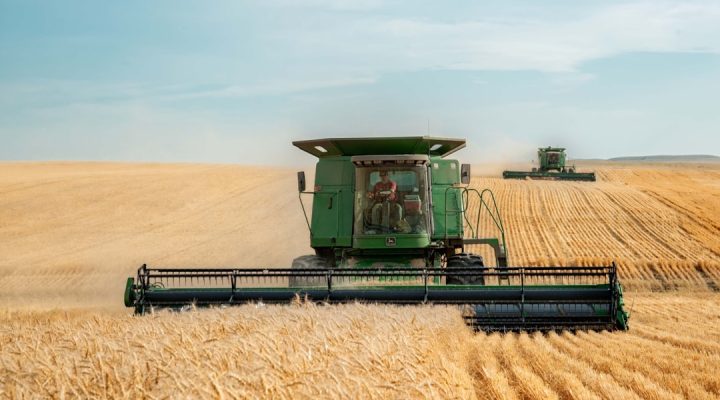
The agricultural commodity outlook has captured significant attention from Canadian investors seeking portfolio diversification and inflation protection within their registered accounts. As global food security concerns intensify and climate-related supply disruptions become more frequent, positioning commodity exposure through Tax-Free Savings Accounts (TFSA) and Registered Retirement Savings Plans (RRSP) requires careful strategic consideration.
Understanding the fundamental drivers behind today’s agricultural commodity outlook reveals why these assets deserve consideration in tax-sheltered accounts. Population growth, changing dietary preferences in emerging markets, and increasingly unpredictable weather patterns are creating structural supply-demand imbalances across major crop categories. Wheat, corn, soybeans, and other staple commodities are experiencing heightened volatility, presenting both opportunities and risks for Canadian investors.
When evaluating agricultural commodities for TFSA inclusion, investors should prioritize growth-oriented exposure that can capitalize on long-term price appreciation without triggering tax consequences. The TFSA’s tax-free growth characteristic makes it ideal for commodity investments expected to generate substantial capital gains. Exchange-traded funds focused on agricultural futures, farmland REITs, and agriculture-focused equity positions can provide diversified exposure while maintaining the flexibility to rebalance without tax implications.
The agricultural commodity outlook suggests that inflationary pressures will continue supporting higher food prices, making TFSA positioning particularly attractive for younger investors with longer time horizons. Since TFSA contributions are made with after-tax dollars, any gains from commodity appreciation compound tax-free, maximizing the long-term wealth-building potential of these volatile but potentially rewarding investments.
RRSP strategies for agricultural commodity exposure should focus on income-generating opportunities and tax deferral optimization. The current agricultural commodity outlook indicates that dividend-paying agriculture companies, commodity-linked bonds, and income-focused agricultural funds align well with RRSP objectives. These investments can provide steady cash flow while deferring taxation until retirement when marginal tax rates may be lower.
Risk management becomes crucial when incorporating agricultural commodities into registered accounts, given their inherent volatility. The agricultural commodity outlook reveals that weather-related supply shocks, geopolitical tensions affecting major producing regions, and currency fluctuations can create significant short-term price swings. Diversifying across multiple commodity types, geographic regions, and investment vehicles helps mitigate concentration risk while maintaining exposure to the sector’s long-term growth potential.
Currency considerations play a vital role in agricultural commodity investment strategy within Canadian registered accounts. Since most commodities are priced in US dollars, Canadian investors face additional currency risk that can either enhance or diminish returns. The current agricultural commodity outlook suggests that a weaker Canadian dollar could amplify gains for domestic investors, while currency hedging strategies might be appropriate for more conservative portfolios.
Timing considerations for agricultural commodity investments in registered accounts should account for seasonal patterns and market cycles. The agricultural commodity outlook typically shows predictable seasonal trends based on planting and harvest cycles, creating potential opportunities for tactical allocation adjustments within contribution room limits. However, attempting to time short-term movements may be less suitable for long-term registered account strategies.
Direct commodity exposure through futures contracts generally isn’t suitable for most TFSA and RRSP investors due to complexity, margin requirements, and potential for significant losses. Instead, the agricultural commodity outlook can be accessed through more appropriate vehicles like commodity ETFs, agriculture-focused mutual funds, and shares of companies operating throughout the agricultural value chain, from equipment manufacturers to food processors.
The evolving agricultural commodity outlook reflects broader structural changes in global food systems, making strategic exposure within tax-advantaged accounts increasingly relevant for Canadian investors. By carefully balancing growth potential, income generation, and risk management while optimizing for each account type’s unique tax characteristics, investors can position themselves to benefit from agriculture’s essential role in the global economy while preserving valuable contribution room for maximum long-term wealth accumulation.