Archives for April 4, 2026

Smart Investors Turn to Canadian Dividend Aristocrats for Reliable Portfolio Growth

When market volatility strikes and economic uncertainty looms, seasoned investors know where to find refuge: Canadian dividend aristocrat stocks. These exceptional companies represent the cream of the crop on the Toronto Stock Exchange, distinguished by their remarkable ability to increase dividend payments consistently year after year. For Canadian investors seeking both income stability and long-term capital appreciation, understanding why these elite stocks deserve a prominent place in your portfolio has never been more critical.

A Canadian dividend aristocrat earns its prestigious designation through an unwavering commitment to shareholder returns, typically requiring at least five consecutive years of dividend increases. This stringent criterion immediately separates the wheat from the chaff, identifying companies with robust business models, disciplined management teams, and sustainable competitive advantages. Unlike their American counterparts that require 25 years of increases, the Canadian market’s shorter timeframe reflects the unique characteristics of the TSX while still maintaining high standards for financial excellence.

The power of dividend growth becomes apparent when you examine the mathematics of compound returns. A Canadian dividend aristocrat that increases its payout by just 5% annually will double its dividend in approximately 14 years. This growth trajectory not only provides rising income streams but also typically drives stock price appreciation as investors recognize the underlying business strength. Research consistently demonstrates that dividend-growing stocks outperform non-dividend-paying equities over extended periods, making these aristocrats particularly attractive for retirement planning and wealth accumulation strategies.

Geographic diversification within Canada presents another compelling advantage for dividend aristocrat investing. These companies span multiple sectors including telecommunications, utilities, banking, real estate, and consumer staples. Giants like Shopify, Canadian National Railway, and Fortis have demonstrated their ability to navigate economic cycles while maintaining their dividend growth streaks. This sectoral diversity helps insulate portfolios from industry-specific downturns while capturing growth across Canada’s varied economic landscape.

Tax efficiency represents a often-overlooked benefit for Canadian investors. Eligible dividends from Canadian corporations receive preferential tax treatment through the dividend tax credit system, making dividend income more tax-efficient than regular employment income or interest payments. When combined with the growth potential of a Canadian dividend aristocrat, this tax advantage can significantly enhance after-tax returns over time, particularly for investors in higher tax brackets.

The defensive characteristics of dividend aristocrats shine during market turbulence. Companies committed to regular dividend increases typically maintain conservative debt levels, generate consistent cash flows, and operate in stable industries. This financial discipline creates a natural buffer against economic downturns, often resulting in smaller price declines during bear markets. The psychological benefit cannot be understated either – receiving growing dividend payments provides tangible returns even when share prices fluctuate.

Modern portfolio theory supports the inclusion of dividend-focused investments through improved risk-adjusted returns. A Canadian dividend aristocrat strategy tends to exhibit lower volatility than growth-focused approaches while delivering competitive total returns. This favorable risk-return profile makes these stocks particularly suitable for investors approaching retirement or those seeking to reduce portfolio volatility without sacrificing growth potential.

Building a Canadian dividend aristocrat position requires patience and discipline, but the rewards justify the approach. Start by researching companies with strong dividend growth histories, sustainable payout ratios below 70%, and solid competitive positions in their respective industries. Consider dollar-cost averaging to build positions over time, allowing you to benefit from market volatility rather than being victimized by it. The combination of growing income, potential capital appreciation, tax efficiency, and reduced volatility creates a compelling investment proposition that belongs in every serious Canadian investor’s portfolio. These aristocratic companies don’t just pay dividends – they build wealth systematically, one increased payment at a time.


Canadian Innovation Powers the Global Clean Energy Transition Play

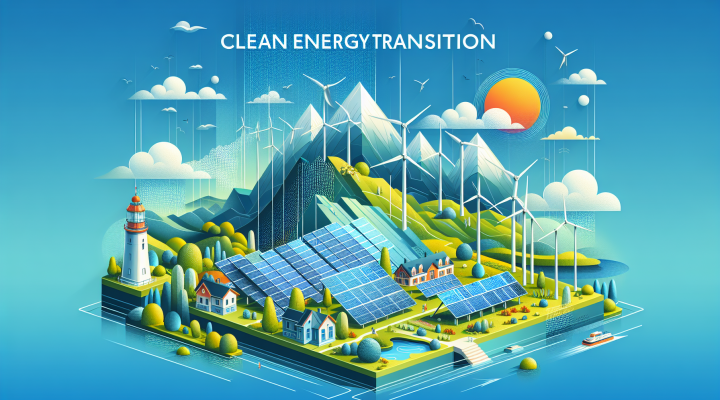
Canada has emerged as an unexpected powerhouse in the global clean energy transition play, leveraging its unique combination of abundant natural resources, cutting-edge technology, and strategic geographical advantages. While many investors focus on traditional clean energy markets, Canada’s innovative approach to renewable energy development is creating compelling opportunities that extend far beyond conventional solar and wind investments.

The country’s clean energy transition play encompasses everything from revolutionary battery technologies to next-generation hydroelectric systems, positioning Canada at the forefront of a market expected to reach $2.8 trillion by 2030. This transformation isn’t just about replacing fossil fuels—it’s about reimagining how energy systems can be designed, deployed, and optimized for maximum efficiency and minimal environmental impact.

Advanced Battery Technologies Driving Market Leadership

Canadian companies are revolutionizing energy storage through breakthrough battery technologies that address critical challenges in the clean energy transition play. Firms like Electrovaya and E3 Metals are developing lithium-ion alternatives and direct lithium extraction methods that significantly reduce environmental impact while increasing energy density. These innovations are particularly crucial as grid-scale energy storage becomes essential for renewable energy integration.

The development of solid-state batteries and advanced cathode materials in Canadian research facilities has attracted over $3.2 billion in foreign investment since 2024. This technological edge positions Canada as a key supplier for electric vehicle manufacturers and grid storage projects worldwide, creating a sustainable competitive advantage in the rapidly expanding clean energy sector.

Next-Generation Hydroelectric and Renewable Integration

Canada’s hydroelectric infrastructure serves as the backbone of its clean energy transition play, but recent innovations are transforming traditional hydropower into a smart, adaptive energy system. Advanced turbine technologies developed by Canadian engineering firms are increasing efficiency by up to 25% while reducing environmental impact on local ecosystems.

The integration of artificial intelligence and machine learning into hydroelectric operations has enabled predictive maintenance and optimized energy distribution across provincial grids. Companies like Andritz Hydro Canada are pioneering modular hydroelectric systems that can be deployed in remote locations, extending clean energy access to previously underserved communities while supporting mining and industrial operations in northern regions.

Critical Mineral Resources Fueling Global Demand

The clean energy transition play heavily depends on critical minerals, and Canada possesses some of the world’s largest reserves of lithium, cobalt, nickel, and rare earth elements. Recent discoveries in Quebec’s James Bay region and Ontario’s Ring of Fire have revealed mineral deposits sufficient to supply North American clean energy manufacturing for decades.

Canadian mining companies are implementing sustainable extraction practices that align with environmental, social, and governance (ESG) principles, making their operations attractive to international partners. The development of these resources with minimal environmental impact has become a cornerstone of Canada’s clean energy strategy, ensuring supply chain security for domestic and international clean energy projects.

Smart Grid Infrastructure and Energy Management Systems

The evolution of Canada’s electrical grid represents a sophisticated approach to the clean energy transition play, incorporating advanced analytics, distributed energy resources, and cross-border energy trading capabilities. Provincial utilities are implementing smart grid technologies that enable real-time energy optimization and seamless integration of renewable sources.

Companies like Hydro-Québec and BC Hydro are developing energy management systems that can balance supply and demand across vast geographical areas while maintaining grid stability. These systems incorporate weather forecasting, demand prediction, and automated load balancing, creating a resilient energy infrastructure that can adapt to changing consumption patterns and renewable energy variability.

Canada’s comprehensive approach to the clean energy transition play combines technological innovation with abundant natural resources, creating a sustainable foundation for long-term growth. The country’s commitment to research and development, coupled with strategic international partnerships, positions it as an essential player in the global transition to clean energy. As governments and corporations worldwide accelerate their decarbonization efforts, Canada’s integrated clean energy ecosystem offers both stability and growth potential that extends well beyond traditional energy investments, making it an increasingly attractive destination for forward-thinking investors and partners seeking exposure to the transformative clean energy sector.

Smart Investors Eye These Gold Royalty Companies Leading TSX Performance This Week

The Toronto Stock Exchange has become a hunting ground for savvy investors seeking exposure to gold’s upward trajectory, and nowhere is this more evident than in the gold royalty sector. As precious metals continue their impressive run, discerning investors are turning their attention to companies that offer leveraged exposure to gold prices without the operational headaches of traditional mining investments.

A gold royalty stock represents ownership in companies that finance mining operations in exchange for a percentage of future production or revenue streams. This business model has proven particularly attractive during periods of commodity price volatility, as royalty companies benefit from rising gold prices while avoiding many of the operational risks that plague traditional miners. The TSX, home to some of the world’s most established precious metals companies, offers several compelling opportunities in this space.

Franco-Nevada Corporation stands as the undisputed leader in the gold royalty space, commanding attention from institutional and retail investors alike. The company’s diversified portfolio spans multiple commodities and geographic regions, with gold representing the largest component of its revenue stream. Recent quarterly results have demonstrated the power of the royalty model, with margins expanding significantly as gold prices have climbed. The company’s asset-light business model allows it to generate substantial cash flows while maintaining minimal capital expenditure requirements, making it an attractive gold royalty stock for income-focused investors.

Royal Gold has emerged as another standout performer, leveraging its strategic partnerships with major mining operations across North America and beyond. The company’s recent acquisition activity has strengthened its portfolio of producing assets, while its pipeline of development-stage royalties positions it well for future growth. What sets Royal Gold apart is its disciplined approach to capital allocation, consistently returning value to shareholders through dividends while reinvesting in accretive opportunities.

Wheaton Precious Metals, technically a streaming company but often grouped with royalty players, has captured significant investor interest through its unique business model. The company purchases precious metals from mining operations at predetermined prices, typically well below market rates, creating substantial margins as commodity prices rise. Recent streaming agreements with tier-one mining operations have enhanced the quality of Wheaton’s asset base, while its strong balance sheet provides flexibility for future growth initiatives.

Market dynamics are particularly favorable for the gold royalty stock sector as mining companies increasingly seek alternative financing solutions. Traditional debt and equity markets have become more expensive and restrictive, creating opportunities for royalty companies to strike attractive deals with miners seeking capital for expansion or development projects. This trend has accelerated as environmental, social, and governance considerations have made traditional financing more challenging for mining operations.

The operational advantages of royalty companies become even more pronounced during periods of cost inflation in the mining sector. While traditional miners face rising expenses for labor, energy, and equipment, royalty companies are largely insulated from these pressures. Their revenue streams are tied directly to commodity prices and production volumes, creating a natural hedge against the cost inflation that erodes margins for traditional mining operations.

Investors considering exposure to gold through royalty companies should understand the unique risk-reward profile these investments offer. Unlike traditional miners, royalty companies have limited control over production decisions at their underlying assets. However, this limitation is offset by significantly lower operational risk and capital intensity. The diversified nature of most royalty portfolios also provides protection against individual mine performance issues that might devastate a single-asset mining company.

Recent trading patterns suggest institutional investors are increasingly viewing gold royalty companies as portfolio diversifiers rather than purely commodity plays. The sector’s ability to generate consistent cash flows while providing leverage to gold price movements has attracted attention from pension funds and endowments seeking alternatives to traditional fixed-income investments in a low-yield environment.

The convergence of favorable commodity pricing, attractive deal flow, and growing institutional recognition positions the gold royalty stock sector for continued outperformance. As mining companies navigate an increasingly complex operational environment, the capital provided by royalty companies becomes ever more valuable, creating a sustainable competitive advantage for established players in this space. For investors seeking exposure to gold’s potential upside while minimizing operational risk, the current environment presents compelling opportunities among TSX-listed royalty companies.

Smart Investors Discover How Canada’s Clean Energy Transition Play Reshapes North America’s Power Market

Canada’s energy landscape is experiencing a fundamental transformation as the nation positions itself as a continental leader in renewable power generation and clean technology deployment. This clean energy transition play represents one of the most significant economic shifts in Canadian history, with billions of dollars in private and public investment flowing into wind, solar, hydroelectric, and energy storage projects across all provinces.

The scope of Canada’s clean energy transition play extends far beyond simple renewable energy installations. Federal and provincial governments have committed over $120 billion in combined funding through various programs, including the Canada Infrastructure Bank’s clean power initiatives and provincial crown corporation investments. These commitments are driving unprecedented growth in clean electricity generation capacity, with wind power alone adding more than 15,000 megawatts of new capacity since the initiative’s acceleration.

Geographic advantages play a crucial role in Canada’s clean energy success story. The country’s vast landmass offers exceptional wind resources across the prairies and Atlantic provinces, while Quebec and British Columbia leverage their abundant hydroelectric potential to serve as clean energy exporters to neighboring U.S. states. This natural resource abundance, combined with sophisticated grid infrastructure investments, positions Canada’s clean energy transition play as a model for other developed nations seeking energy independence.

Investment patterns reveal the financial community’s confidence in Canada’s renewable energy sector. Major pension funds, including the Canada Pension Plan Investment Board and Ontario Teachers’ Pension Plan, have allocated substantial portions of their portfolios to clean energy infrastructure projects. International investors are equally enthusiastic, with European and Asian energy companies establishing significant operations in Canadian markets to capitalize on the growing clean energy transition play opportunities.

Technological innovation drives much of the sector’s rapid advancement. Canadian companies are developing cutting-edge solutions in energy storage, smart grid management, and renewable energy integration that position the nation as a clean technology exporter. These innovations are particularly valuable for managing the intermittency challenges associated with wind and solar power, ensuring reliable electricity supply even as renewable sources become dominant in the energy mix.

Regional specialization has emerged as provinces focus on their comparative advantages within the broader clean energy transition play framework. Alberta leverages its energy sector expertise to become a major wind power producer while developing hydrogen production capabilities. Ontario combines nuclear power with renewable sources to maintain baseload capacity, while the Maritime provinces capitalize on offshore wind potential in the Atlantic Ocean.

Grid modernization represents a critical component of Canada’s clean energy infrastructure development. Smart grid technologies enable better integration of distributed renewable energy sources while improving overall system efficiency and reliability. These upgrades are essential for supporting the increasing penetration of variable renewable energy sources and maintaining grid stability as traditional fossil fuel power plants are retired.

Employment creation throughout the clean energy sector demonstrates the economic benefits of the transition. Tens of thousands of new jobs have been created in manufacturing, installation, maintenance, and operation of renewable energy facilities. These positions often offer competitive wages and are distributed across rural and urban communities, providing economic diversification opportunities for regions previously dependent on traditional energy industries.

Export potential represents a significant long-term opportunity for Canada’s clean energy sector. Cross-border transmission projects with the United States are expanding, allowing Canadian provinces to export clean electricity to American markets seeking to reduce their carbon footprints. These export revenues provide additional economic justification for continued investment in renewable energy capacity expansion.

Canada’s clean energy transition play stands as a testament to the nation’s commitment to sustainable economic development while addressing climate change concerns. The combination of abundant natural resources, supportive government policies, substantial private investment, and technological innovation creates a foundation for sustained growth in the clean energy sector. As global demand for clean electricity continues rising, Canada’s early leadership in renewable energy development positions the country to capture significant economic benefits while contributing to international climate objectives through clean energy exports and technology sharing.

Smart Investors Are Discovering Why Resource Royalty Opportunities Represent Canada’s Most Compelling Investment Theme

Canada’s investment landscape is experiencing a profound shift as sophisticated investors increasingly recognize the compelling fundamentals behind resource royalty opportunities. This asset class, once dominated by institutional players and industry insiders, is emerging as one of the most attractive investment themes for those seeking exposure to Canada’s vast natural resource wealth while minimizing operational risks.

The resource royalty opportunity in Canada stems from a unique combination of geological abundance, political stability, and innovative financing structures that allow investors to participate in resource extraction profits without the headaches of direct ownership. Unlike traditional mining or energy investments, royalty holders receive a percentage of production revenue or profits from specific projects, creating a more predictable income stream that often outperforms during commodity upturns while providing downside protection during market volatility.

What makes the Canadian resource royalty opportunity particularly compelling is the country’s extraordinary mineral endowment. Canada ranks among the world’s top producers of gold, copper, nickel, uranium, and potash, while also holding the third-largest proven oil reserves globally. This diversification across multiple commodities creates natural hedging within royalty portfolios, reducing concentration risk while maximizing exposure to the global resource supercycle driven by electrification and energy transition demands.

The structural advantages of resource royalty investments become even more apparent when examining cash flow characteristics. Royalty holders typically receive payments based on gross revenue rather than net profits, meaning they benefit from production increases and commodity price appreciation while avoiding the impact of rising operational costs, capital expenditure overruns, or management inefficiencies that plague direct resource investments. This asymmetric risk-return profile has attracted institutional investors who recognize the superior risk-adjusted returns available through well-structured royalty agreements.

Recent market dynamics have further enhanced the resource royalty opportunity landscape in Canada. The country’s mining sector has witnessed unprecedented consolidation activity, with major producers acquiring development-stage projects and bringing them into production. Royalty holders on these assets benefit from increased operational expertise and capital investment without diluting their ownership stakes, often resulting in accelerated development timelines and enhanced production profiles.

Government policy frameworks also support the resource royalty opportunity thesis in Canada. Provincial governments have implemented competitive royalty regimes and streamlined permitting processes to attract investment, while federal initiatives supporting critical mineral development have created additional tailwinds for royalty holders with exposure to battery metals and rare earth elements. The recent focus on supply chain security has particularly benefited Canadian resource projects, as governments and corporations seek to diversify away from geopolitically sensitive regions.

The financial performance of Canadian royalty companies provides compelling evidence of the sector’s investment merit. Leading royalty firms have consistently delivered superior returns to broader market indices while demonstrating remarkable resilience during economic downturns. Their ability to maintain dividend payments and generate positive cash flows even during commodity bear markets highlights the defensive characteristics that make resource royalty opportunities particularly attractive in uncertain economic environments.

Technology adoption across Canada’s resource sector has created additional value for royalty holders. Advanced extraction techniques, automation, and data analytics have improved production efficiency and reduced operational risks at many royalty-backed projects. These technological improvements translate directly into enhanced cash flows for royalty holders, who benefit from increased production without bearing the implementation costs or execution risks associated with these innovations.

The growing importance of environmental, social, and governance considerations in resource investing has also favored the resource royalty opportunity model. Royalty companies can selectively partner with operators who maintain high ESG standards while avoiding direct exposure to environmental liabilities or social conflicts that may impact traditional resource investments. This alignment with sustainable investing principles has broadened the investor base interested in resource royalty opportunities.

Market liquidity for Canadian resource royalty investments has improved significantly, with several publicly traded royalty companies offering investors easy access to diversified portfolios of high-quality assets. These vehicles provide professional management, rigorous due diligence capabilities, and the scale necessary to negotiate favorable royalty terms with resource developers.

As global commodity demand continues rising driven by infrastructure development, energy transition requirements, and emerging market growth, Canada’s resource royalty opportunity represents an ideal way to capitalize on these long-term trends. The combination of geological advantages, political stability, innovative financial structures, and superior risk-adjusted returns positions resource royalty investments as a cornerstone theme for investors seeking meaningful exposure to the next phase of the global resource cycle.

Inside Canada’s Clean Energy Transition Play That’s Reshaping North America’s Power Grid

Canada’s energy landscape is undergoing a revolutionary transformation that extends far beyond simple policy mandates. The nation’s clean energy transition play has emerged as one of the most compelling investment narratives in North America, driven by a perfect storm of technological advancement, regulatory support, and unprecedented capital deployment. This strategic pivot isn’t just reshaping how Canadians power their homes and businesses—it’s positioning the country as a global leader in sustainable energy infrastructure.

The numbers tell a remarkable story. Canada’s clean energy sector has attracted over $15 billion in new investments since 2024, with renewable capacity additions outpacing fossil fuel retirements by a margin of three to one. This isn’t merely about meeting climate commitments; it represents a fundamental economic restructuring that’s creating new industries, jobs, and export opportunities across the country.

What makes Canada’s clean energy transition play particularly compelling is its comprehensive approach. Unlike other jurisdictions that focus primarily on solar and wind, Canada is leveraging its vast natural resources and technical expertise across multiple energy vectors. Hydroelectric power continues to serve as the backbone, providing approximately 60% of the nation’s electricity generation, while new investments in wind, solar, and emerging technologies like green hydrogen are rapidly scaling up.

The federal government’s Clean Electricity Regulations, combined with provincial initiatives, have created a regulatory framework that provides long-term certainty for investors while maintaining grid reliability. This policy environment has attracted major international players, with companies like NextEra Energy, Brookfield Renewable Partners, and European utilities making substantial commitments to Canadian projects.

Perhaps most notably, Canada’s clean energy transition play is distinguished by its integration with the broader North American grid. The country’s strategic position as an energy exporter means that its renewable energy buildout directly impacts energy markets across the continent. Quebec’s surplus hydroelectric capacity, for instance, is increasingly being contracted to northeastern U.S. states seeking to meet their own clean energy mandates.

Technology Innovation Drives Market Leadership

The technological dimension of Canada’s clean energy transition play extends well beyond traditional renewable generation. The country has become a testing ground for grid-scale energy storage solutions, with projects in Alberta and Ontario demonstrating how battery systems can stabilize renewable-heavy grids while providing lucrative grid services revenue streams.

Smart grid investments are transforming how electricity is distributed and consumed. Canadian utilities are deploying advanced metering infrastructure, demand response systems, and distributed energy resource management platforms that optimize renewable energy integration while reducing overall system costs. These technological advances are creating new revenue models and investment opportunities throughout the energy value chain.

The hydrogen economy represents perhaps the most ambitious aspect of Canada’s clean energy transition play. With abundant renewable electricity and existing natural gas infrastructure, Canada is positioning itself as a major green hydrogen producer and exporter. Projects in Atlantic Canada are already securing long-term supply agreements with European buyers, while western provinces are developing hydrogen hubs that could serve Asian markets.

Mining operations across Canada are also embracing the clean energy transition play, both as consumers of renewable electricity and as suppliers of critical minerals needed for clean energy technologies. This creates a powerful feedback loop where clean energy adoption drives demand for Canadian minerals, which in turn supports further renewable energy deployment.

Investment Opportunities Across the Value Chain

For investors, Canada’s clean energy transition play offers exposure across multiple segments and risk profiles. Established utilities like Fortis and Canadian Utilities are modernizing their generation portfolios while maintaining stable dividend yields. Pure-play renewable developers such as Northland Power and Boralex are capitalizing on the development pipeline, while technology companies are benefiting from increased demand for clean energy solutions.

The infrastructure requirements alone represent a multi-decade investment opportunity. Transmission line upgrades, grid interconnections, and distributed energy resources all require substantial capital deployment. This infrastructure build-out is supported by both public and private funding sources, creating multiple layers of investment opportunity.

Canada’s clean energy transition play represents more than an environmental imperative—it’s an economic transformation that’s creating lasting competitive advantages. As global energy markets continue to evolve, Canada’s early and comprehensive commitment to clean energy infrastructure positions the nation to capture disproportionate value from the worldwide transition to sustainable power systems. The combination of abundant natural resources, supportive policy frameworks, and technological innovation creates an investment thesis that extends well beyond typical clean energy narratives, offering investors exposure to a fundamental reshaping of North American energy markets.