Archives for November 4, 2018

Malls Across Canada Are Using Facial Recognition Technology To Track Shoppers And It Sounds Like An Episode Of Black Mirror

Cadillac Fairview hasn’t disclosed which malls have the technology and which do not…

The rapidly evolving world of technology has made it so that practically anything can be possible if you give people enough time and money to create it. If you’ve watched an episode or two of Black Mirror though, you’ll know that this reality isn’t necessarily a positive one considering technology seems to never offer solutions without at least a few drawbacks nowadays.

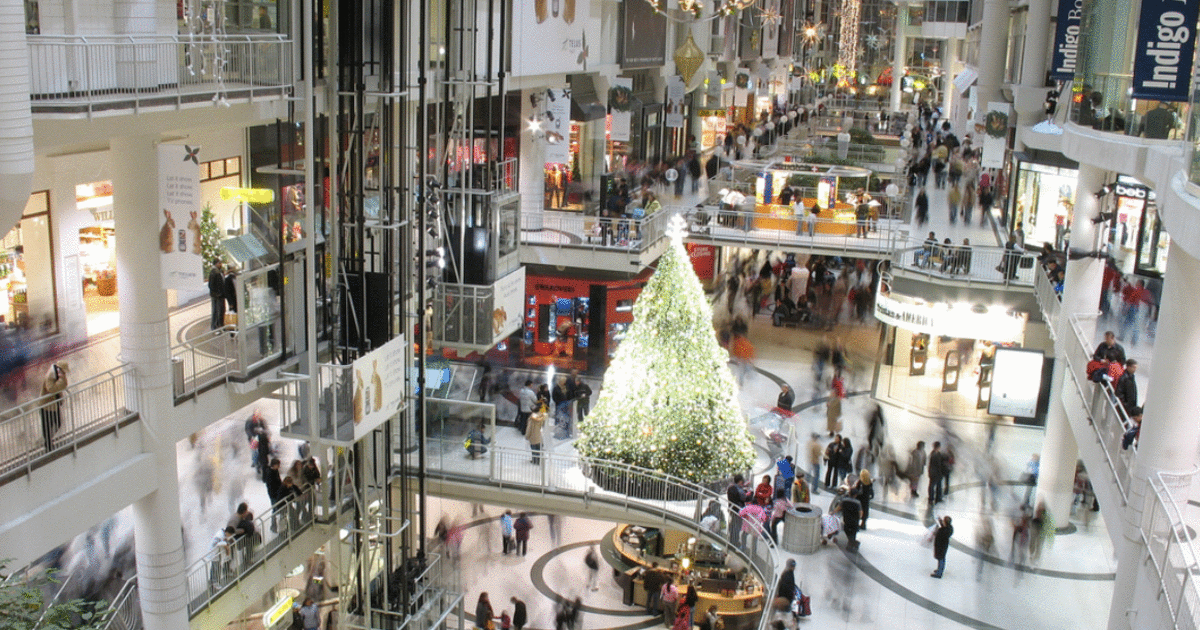
The latest addition to the list of Black Mirror-esc technology that you probably had no idea existed, let alone was being used on you is actually found in shopping malls. That’s right, when you finally get around to starting your Christmas shopping this year, remember that there is the potential of a pair of digital eyes on you watching to see what choices you make.
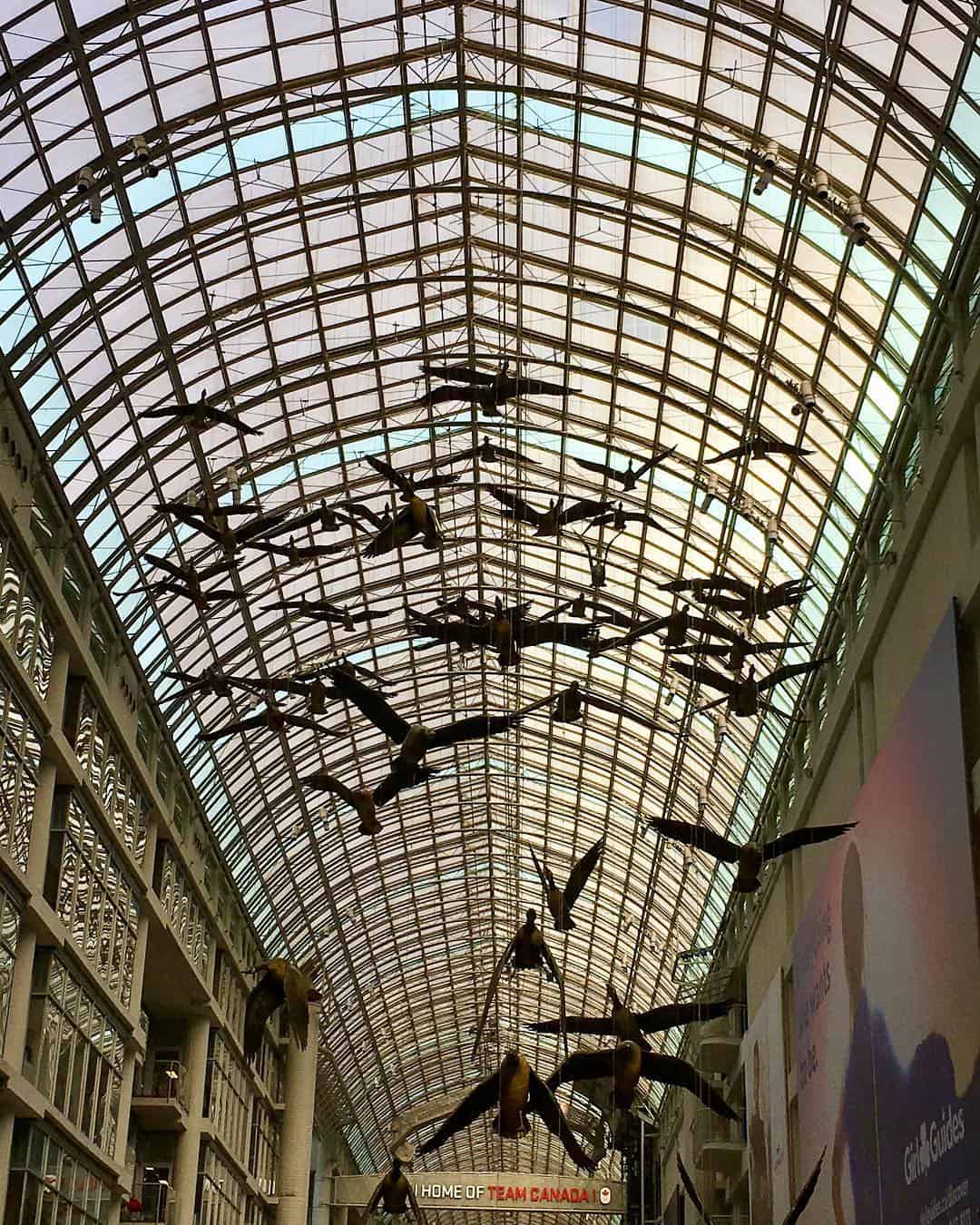
If you’ve been to a shopping mall as of late, specifically the Cadillac Fairview kind, you’ll probably have noticed that physical maps of the malls have now been switched out with large digital interactive interfaces. At the surface, it seems like a new and easy way to help shoppers get to where they want to go, and just another element of the much needed face lift many of the CF malls in Canada have received in the past few years.

Surprisingly though, there is a camera that is hidden on the interface that is only the size of a tiny circle that isn’t a regular seucirty camera, but one with facial recognition technology.
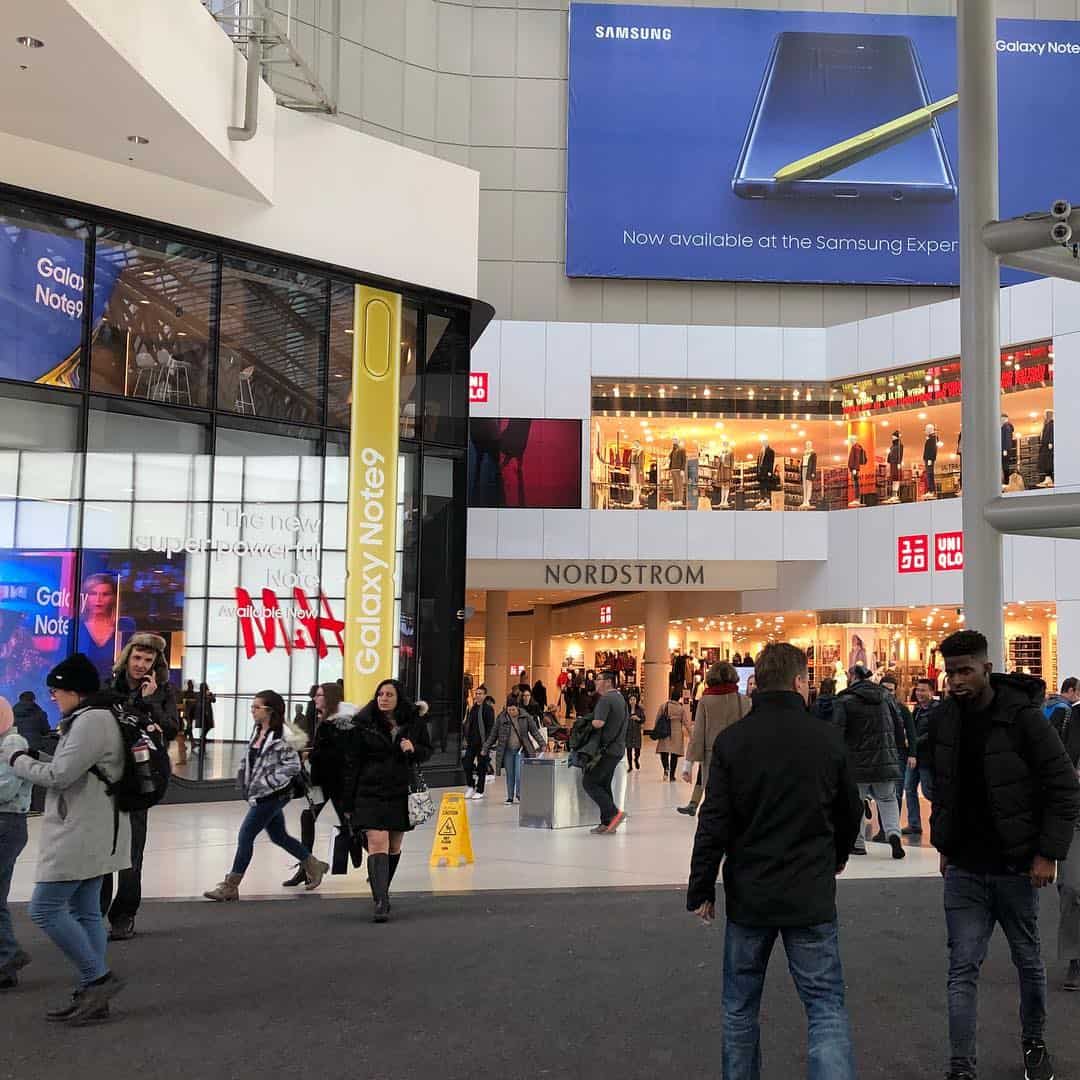
While shoppers continue travelling through the mall after visiting the map, technology installed throughout the mall is able to gather data related to their visit. Compiling information ranging from the shops that the person visited, how long they spent in them, their age, gender and in some cases even, their mood throughout their shopping experience.

This isn’t the first time facial recognition in Cadillac Fairview malls has been talked about considering the company landed itself in hot water after a Calgary shopper posted about the technology earlier in the year. As a result of negative feedback, Cadillac Fairview claimed they would stop using the technology in the two Calgary malls they own, but they refuse to admit whether the technology is still being used in the other 21 CF malls found in Canada.

The idea of malls tracking our every move to compile data that will help their own performance is definitely a creepy thought, but when you think of how algorithms and data collection works with online shopping on the Internet, it isn’t all that different.

The main issue is that malls are leaving their customers in the dark on whether or not this kind of technology is present in their local mall. Especially considering that the basic CCTV security camera disclaimer that “these premises are video recorded” is general enough to apply to new technology, it makes it easier for malls to slide this kind of tech under the radar.

While we can’t say we’re surprised that technology has now weasled it’s way into the physical shopping experience, it’s definitely a creepy thought to think your decision on whether or not to buy a new sweater is being monitored. Since Cadillac Fairview has not elaborated on the other 21 stores they own in other Canadian cities, it’s unclear which malls in specific could be using the technology, but it’s safe to say you should assume you’re being watched the next time you go shopping.
Proposal for face recognition technology ‘will make everyone a potential suspect’

The limits of such technology should be perfected first, AD has warned.

AD calls for serious public consultation before its introduction

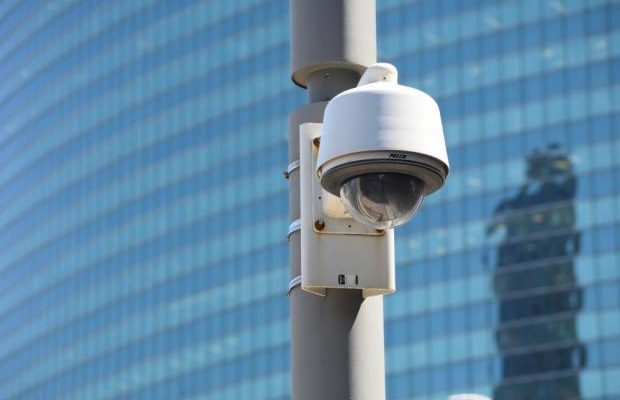
The government’s intention to install face recognition technology around Malta in a partnership between state owned company Safe City Malta and the Chinese company Huawei, is worrying, according to Alternattiva Demokratika.

An imbalance will be created between the sense of safety and privacy of people, more so when technology of this type is used to monitor people indiscriminately and without serious control, Daniel Desira AD spokesperson on the Digital Society said.

The application of this technology should be the subject of a serious public consultation exercise to determine what limits should be placed on its use. This technology can be beneficial in situations of serious crimes and in specific places, and if its use is strictly regulated.

If used indiscriminately and to monitor people in normal day-to-day situations it can also be used as a tool for control and repression.

Facial recognition is reported to still be highly inaccurate, AD warned.

The government has announced that this technology will be piloted in Paceville and subsequently in Marsa, without any consultation whatsoever and without saying how the use of this invasive technology will be controlled.

“Invasive technology of this kind treats everyone as if they were some potential terrorist or criminal. It can be abused to control normal activities in a democracy, such as participation in public protests.”

AD chairman Carmel Cacopardo said it is not fair to have an indiscriminate invasion of privacy on a large scale on people who are just getting on with their lives and are not involved in any criminal acts.

Moreover, as already pointed out by some experts, this measure goes diametrically against Maltese law on data protection.

“The government is apparently borrowing ideas from China, a country known for the lack of respect for human rights. The very fact that the Malta government is proposing technologies used by the Chinese regime to control its citizens, as if it is a normal thing to do, is disturbing. We have also seen the Leader of the Opposition rushing to agree with the use of this technology, without mentioning any limits or controls, something which is not surprising given his party’s rush to the right of the political spectrum. We should not turn people into walking identity cards, left, right and centre.”

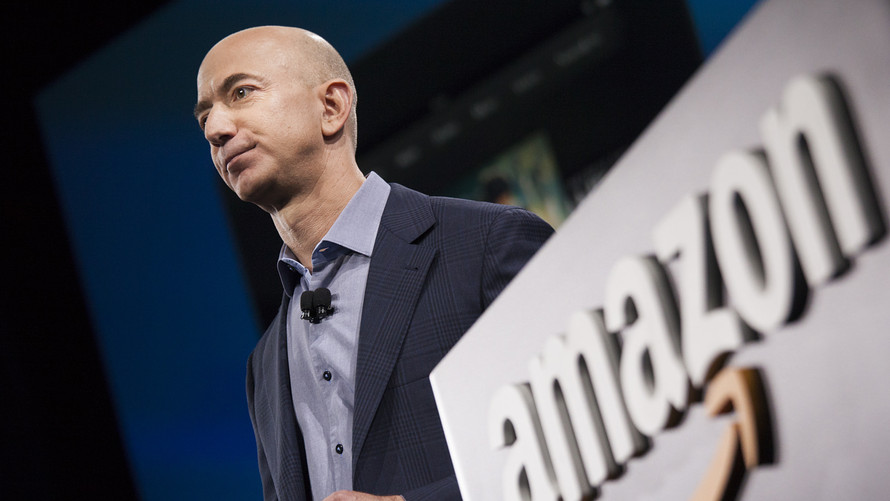
Amazon discussions lead to speculation that northern Virginia is HQ2 frontrunner

Amazon’s Jeff Bezos sys he will ultimately make his decision using “intuition”

Sources say detailed talks have focused on Crystal City

Amazon.com Inc. has held “advanced discussions” about opening its second headquarters in Arlington, Va., according to The Washington Post.

Guesses about where the new headquarters, or HQ2, would land have included Boston, Newark, N.J. and New York City, which reportedly offered to rename a polluted waterway in honor of the tech giant.

However, the talks about Arlington have been “more detailed” than those about other locations, the Washington Post reports, which has led to speculation that it is the frontrunner.

Sources tell the paper that the top real estate developer in Crystal City, JBG Smith Properties JBGS, +0.00% , has taken some properties off of the market in preparation for an announcement.

JBG Smith was upgraded to hold from sell at Stifel earlier this month, with analysts citing potential moves from Amazon AMZN, +0.00% and Apple Inc. AAPL, -6.63% into Northern Virginia.

Analysts say Apple might be putting 20,000 employees at the Center of Innovative Technology near Dulles Airport. And Amazon Web Services could be looking for 200,000 square feet of office space in the area.

“Although we have no direct knowledge, we are beginning to think the Crystal City sub market may ultimately be the location of the Amazon core retail and logistics enterprise,” the note said. “[W]e noticed recently that of the top 25 cyber security companies headquartered in the Washington D.C. area, 25 are in Northern Virginia.”

Stifel raised its price target for JBG Smith shares to $37 from $34.

Amazon’s Chief Executive Jeff Bezos told a conference crowd this week that the decision will ultimately come down to “intuition” after all of the data has been considered.

Jeff Bezos also owns The Washington Post.

Discussions about HQ2 have been kept quiet, but among the D.C. area’s assets are access to Reagan National Airport and other transportation hubs and available office space.

Northern Virginia is also the top choice among betting sites, the Washington Post wrote. Sources say a decision will be coming in November.

Amazon shares have gained nearly 50% in the past year while the S&P 500 index SPX, -0.63% is up 5.2% for the period.

The ‘smart money’ is staying neutral on Apple

Momentum money flows are negative, but the smart money is shrugging off Apple’s decision to no longer disclose iPhone unit sales

For years, on the evening Apple reports earnings, my routine has been to carefully analyze the earnings report, listen to the conference call and ask for the data to be entered into our algorithms. The purpose always is the same — to come up with a new buy zone, a “buy now” rating and other signals that are appropriate especially for a trade-around position.

The most important metric I look at is the unit sales of iPhones, given that the iPhone contributes the vast majority of Apple’s AAPL, -6.63% profits. For practical stock analysis purposes, Apple is an iPhone company. Yes, I know it has other products. In the conference call, Apple shocked by saying that it will no longer release unit sales. What does this mean? Let’s explore with the help of a chart.

The chart

Please click here for the chart of money flows in 11 popular tech stocks based on my proprietary algorithms. Please note the following:

• Momentum, or momo, money flows were positive and smart money flows were neutral going into Apple’s earnings. The momo crowd is driven mostly by share-price momentum.

• After the earnings, momo money flows became negative and became extremely negative when Apple announced it wouldn’t release unit sales numbers going forward. Those money flows have remained negative.

• As the chart shows, “smart money” flows in Apple have remained neutral even after Apple’s shocking announcement. Isn’t the smart money concerned about Apple hiding its unit sales numbers? I will explore this later in this column. The smart money represents sophisticated investors who act based on deep analysis and better information.

• Momo money flows have been like a yo-yo in Amazon AMZN, +0.00% and Netflix NFLX, -2.61%

• As the chart shows, momo money flows among semiconductor stocks are extremely positive in AMD AMD, +0.05% have turned positive in NVIDIA NVDA, -1.46% and remain negative in Intel INTC, -2.30%

• Momo money flows are extremely negative in Alibaba BABA, -2.42% and Facebook FB, -0.92% and negative in Alphabet GOOG, -1.14% GOOGL, -1.33%

• In contrast to momo crowd, smart-money flows are mild positive in Facebook and Alibaba.

• Smart-money flows are neutral in Microsoft MSFT, +0.23% and Tesla TSLA, +0.62% but momo money flows are positive.

Why is Apple hiding?

At The Arora Report, we have been projecting for a while that iPhone unit sales would start declining. Apple announced that iPhone unit sales were flat in the last quarter. The fact that Apple has decided not to disclose iPhone unit sales going forward indicates that Apple expects iPhone unit sales to decline. This eventuality has been obvious to the smart money for a long time, and that is why smart money flows have not changed. This is one of the reasons that smart money wasn’t buying going into the earnings. Our “Buy Now” rating on Apple has also been “NO.”

Before sending me hate mail and accusing me of trying to drive Apple price lower, please be aware that The Arora Report has a long position in Apple from $18.73. At that time, I talked about a scenario of a $143 target ($1,000 pre-split of 7:1), and everybody complained that my analysis was flawed. Along the way, we have made money on a number of trade-around positions in Apple. We aren’t selling our long-term Apple position at this time.

I was the first years ago to predict that ultimately Apple will become focused on its service business and as a result get a higher price-earnings ratio. Apple stock’s next milestone is $250, as I wrote in August. Apple’s earnings report shows that it is making great progress in services.

6 reasons for a rally

At the very bottom of the correction, before the start of the rally, I gave six reasons for the rally to start. I also stated that tech stocks were likely to be the big beneficiaries of a market rally. I also warned that the rally would be suspect because weak hands weren’t washed out during the correction. Entering into this seasonally strong period, I would have been more confident of the rally’s sustainability had that happened.

The market ran up on a Trump tweet about a conversation with China’s president about trade. China is not likely to have an incentive to enter a trade deal before Tuesday’s midterm election. Once investors realize this, their enthusiasm to buy stocks may dampen in the very short term, causing more volatility.

How stocks rank

The chart also shows relative ranks of the 11 popular tech stocks. These ranks are based on the six screens of the ZYX Change Method. Please click here to learn about the six screens.

Risk-adjusted ranks are more useful for medium and long-term positions. Non-risk-adjusted ranks are more useful for short-term or trade-around positions.

ETFs

Money flows in broad-based ETFs such as the SPDR S&P 500 ETF SPY, -0.59% Invesco QQQ ETF QQQ, -1.56% that tracks the Nasdaq-100 index NDX, -1.47% and the iShares Russell 2000 ETF IWM, +0.33% that tracks the Russell 2000 index RUT, +0.19% have been mildly positive. Cumulative money flows in the 30 constituents of Dow Jones Industrial Average DJIA, -0.43% have also been positive.

What to do now

The Arora Report provides its subscribers the precise level of hedges and cash to hold. At this time, it is important to hold a fair amount of cash. Our plan is to selectively buy stocks, especially special situations. You won’t be able to take advantage of the new buying opportunities if you are not holding enough cash. Positive seasonal factors are ahead, and many investors are expecting a year-end rally. Please see “How one investor sidestepped this week’s stock-market decline.”

In due course, we will issue a new buy zone on Apple and deploy a trade-around position. In this strategy, a shorter-term position is bought to surround a long-term core position. This approach can often double the returns.

GE in crisis mode as its stock suffers worst 8-day run since March 2009

Fitch follows Moody’s and S&P Global in cutting GE’s credit rating 2 notches, to just 3 notches above ‘junk’

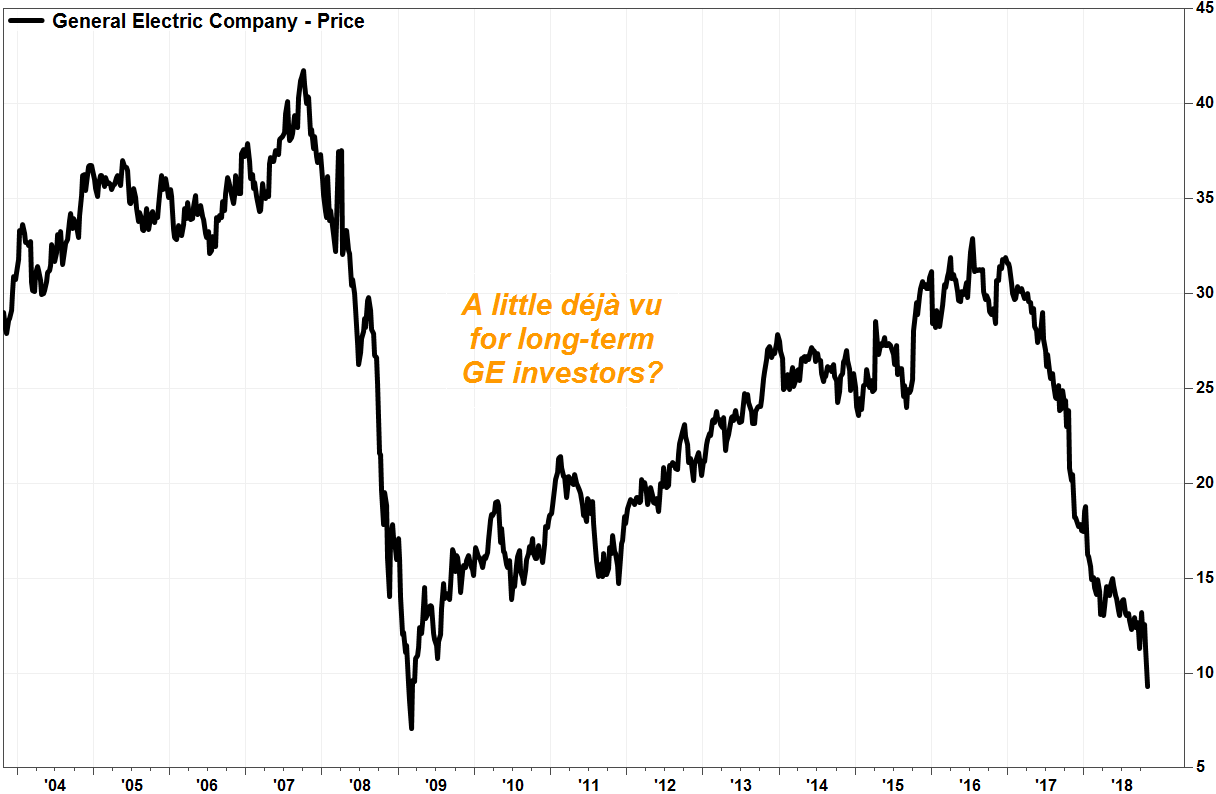
Long-term investors in General Electric Co. may be feeling a bit of déjà vu, as the stock’s plunge and credit rating downgrades may feel similar to what happened at the depths of the financial crisis.

GE’s stock GE, -3.03% dropped 2.8% in afternoon trade Friday, putting it on track to suffer an eighth straight decline, and to close at the lowest level since March 11, 2009. The stock has plummeted 27% during its losing streak, the worst eight-session stretch since it tumbled 29% during the eight-day run ending March 4, 2009.

Friday’s decline as Fitch Ratings cut GE’s credit rating by two notches to BBB+ from A, leaving it just 3 notches above “junk” status. That follows similar two-notch moves by Moody’s Investors Service on Tuesday and by S&P Global Ratings on Oct. 2.

The current selloff comes as the industrial conglomerate has been forced to slash its dividend to next to nothing to preserve cash amid struggles at GE Power and massive losses in its legacy insurance business. The company cut the quarterly dividend in half to 12 cents a share in November 2017, then to a penny a share earlier this week.

Back on Feb. 27, 2009, GE had slashed its dividend by 68% to 10 cents a share from 31 cents to preserve cash, in light of “tough” market conditions.

Then on March 12, Standard & Poor’s cut GE’s credit rating, only one notch, but from triple-A to AA+, citing the struggles of GE Capital, which prompted GE to issue a statement defending itself. Moody’s moved 11 days later, cutting the rating two notches to Aa2 from Aaa, citing “deteriorating” asset-quality trends.

If there’s a silver lining, the big 8-day losses and credit downgrades in 2009. The stock bottomed on March 5, 2009, when it closed at $6.66 on March 5, 2009, or 84% below its Oct. 2, 2007, closing high of $42.12. In GE’s current crisis, the stock has lost “only” 72% since its July 19, 2016, peak of $32.93.

The stock has now slid 53% over the past 12 months, while the Dow Jones Industrial Average DJIA, -0.43% has gained 7.4%.

Warren Buffett’s Berkshire Hathaway repurchased $928 million of stock during the third quarter

Warren Buffett may see some appealing places to invest his millions

The move implies that Buffett sees attractive places to invest his money

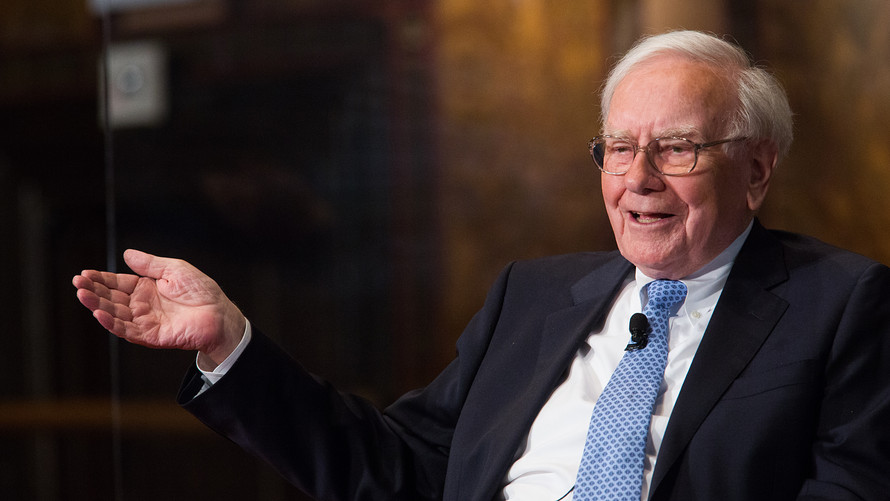
Berkshire Hathaway Inc. repurchased $928 million of its stock in the third quarter, a rare move that indicates Chairman Warren Buffett sees a dearth of appealing investment options for his company’s large cash pile.

Berkshire BRK.A, +0.01% BRK.B, +0.34% hasn’t made a major acquisition since it bought Precision Castparts Corp. for $32 billion in 2016. Mr. Buffett is a value investor who is best known for striking deals when prices are low. More than nine years into a bull market, he has struggled to find large investments that are attractively priced.

Meanwhile, Berkshire’s many businesses, such as Duracell, Geico and BNSF Railway, have continued to generate cash.

Though Berkshire’s buybacks were small relative to its balance sheet, they represent a shift in the company’s willingness to return cash to investors. Berkshire hasn’t repurchased shares since 2012, when it bought back about $1.3 billion in stock, mostly from one longtime shareholder.