
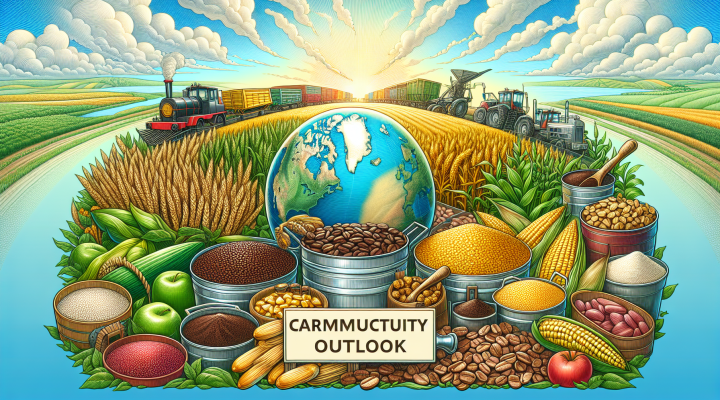
agricultural outlook

Smart Investors Turn to Agricultural Commodity Outlook for Maximizing Portfolio Returns

The agricultural commodity markets have emerged as one of the most compelling investment opportunities for sophisticated investors seeking portfolio diversification and robust returns. With global food demand surging and supply chains facing unprecedented challenges, understanding the agricultural commodity outlook has become essential for maximizing investment performance. Successful investors are leveraging market intelligence, weather patterns, and geopolitical factors to capture significant value in this dynamic sector.

Weather volatility continues to drive agricultural commodity pricing across major growing regions. La Niña and El Niño patterns create substantial supply disruptions that savvy investors monitor closely through sophisticated forecasting models. The agricultural commodity outlook heavily depends on these climatic factors, as drought conditions in Argentina can spike soybean prices while excessive rainfall in the Midwest affects corn yields. Investors who track meteorological data and seasonal patterns often position themselves ahead of major price movements, capitalizing on supply shortfalls before they manifest in spot markets.

Geopolitical tensions have fundamentally altered global grain trade flows, creating arbitrage opportunities for informed investors. The ongoing disruptions to Black Sea grain exports have redirected agricultural commodity flows to alternative suppliers, benefiting producers in Brazil, Canada, and Australia. Understanding these shifting trade patterns allows investors to identify undervalued commodities before markets fully price in supply reallocations. The agricultural commodity outlook remains heavily influenced by policy decisions, trade agreements, and sanctions that reshape global food distribution networks.

Technology adoption across farming operations is revolutionizing production efficiency and creating new investment themes within agricultural commodities. Precision agriculture, genetic modification, and sustainable farming practices are altering yield expectations for major crops. Investors who understand these technological trends can better assess long-term supply projections and identify commodities positioned for structural demand growth. The integration of artificial intelligence and satellite monitoring into farming operations provides data-driven insights that enhance agricultural commodity outlook accuracy.

Currency fluctuations significantly impact agricultural commodity returns, particularly for dollar-denominated crops traded globally. A strengthening dollar typically pressures commodity prices by making exports less competitive for producing nations, while currency weakness can boost returns for international investors. Successful commodity investors hedge currency exposure strategically or deliberately seek exposure to currencies of major agricultural exporters. The interplay between monetary policy, exchange rates, and commodity prices requires sophisticated analysis to maximize returns effectively.

Demand patterns from emerging markets continue reshaping agricultural commodity fundamentals as rising incomes drive protein consumption and dietary changes. Growing middle classes in Asia and Africa are increasing demand for soybeans, corn, and wheat used in livestock feed and food processing. The agricultural commodity outlook increasingly depends on demographic trends, urbanization rates, and income growth in developing economies. Investors who anticipate these demand shifts often capture substantial returns by positioning in commodities before consumption patterns fully materialize.

Supply chain disruptions and logistics bottlenecks create temporary pricing inefficiencies that skilled investors can exploit through careful timing and market positioning. Transportation costs, port capacity, and shipping availability directly impact commodity pricing and regional price differentials. Understanding logistics constraints allows investors to identify markets where physical delivery challenges create temporary pricing dislocations. The agricultural commodity outlook must account for infrastructure limitations that can amplify price volatility during peak harvest periods.

Environmental regulations and sustainability mandates are creating new demand drivers for specific agricultural commodities while potentially constraining production methods. Carbon credit programs, renewable fuel standards, and organic certification requirements alter both supply costs and demand patterns across agricultural markets. Forward-thinking investors incorporate these regulatory trends into their agricultural commodity outlook to identify crops benefiting from policy support or facing production constraints.

Maximizing returns in agricultural commodities requires combining fundamental analysis with sophisticated risk management and position sizing. The most successful investors maintain diversified exposure across multiple commodities, growing regions, and contract maturities while actively managing concentration risk. By integrating weather monitoring, geopolitical analysis, technological trends, and macroeconomic factors into a comprehensive agricultural commodity outlook, investors can position themselves to capture the substantial opportunities emerging in global food markets while effectively managing the inherent volatility of commodity investing.
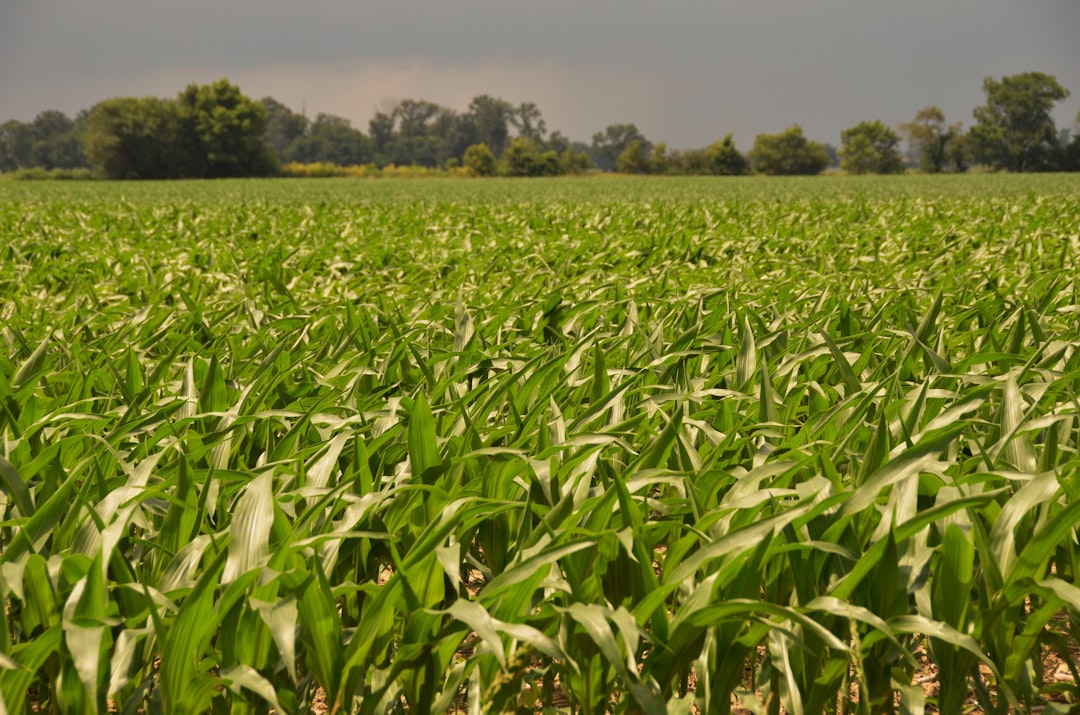
Why Smart Money is Betting Big on Agricultural Commodities This Season

The agricultural commodity markets are experiencing unprecedented volatility, creating both exceptional opportunities and significant risks for investors. While traditional equity markets face uncertainty, savvy investors are turning their attention to the agricultural commodity outlook as a pathway to portfolio diversification and potentially substantial returns. Understanding how to navigate this complex landscape can mean the difference between capitalizing on market movements and watching opportunities slip away.

Understanding Current Market Dynamics in Agricultural Trading

The global agricultural commodity outlook reveals a market shaped by climate variability, geopolitical tensions, and evolving consumer demands. Supply chain disruptions continue to create price volatility across major crops including wheat, corn, soybeans, and rice. Weather patterns have become increasingly unpredictable, with drought conditions in key producing regions driving prices higher while unexpected bumper crops in other areas create sudden oversupply scenarios. Smart investors recognize that these fluctuations, while challenging, present opportunities for those who understand market timing and risk management principles.

Strategic Positioning Based on Seasonal Commodity Patterns

Successful agricultural commodity investing requires deep understanding of seasonal patterns and planting cycles. The agricultural commodity outlook typically shows distinct seasonal trends: spring planting concerns can drive prices higher, summer weather reports create volatility, and harvest results determine autumn price movements. Winter months often present planning opportunities for the following year’s cycle. Experienced traders track planting intentions reports, monitor weather forecasts in key growing regions, and analyze historical yield data to position themselves advantageously. This systematic approach helps maximize returns while minimizing exposure during high-risk periods.

Diversification Strategies Across Multiple Crop Categories

Building a robust agricultural commodity portfolio requires strategic diversification across different crop types and geographic regions. The current agricultural commodity outlook suggests that protein sources like livestock and dairy products offer different risk profiles compared to grain commodities. Soft commodities such as coffee, sugar, and cotton respond to distinct market drivers including currency fluctuations and industrial demand. By spreading investments across these categories, investors can reduce single-commodity risk while maintaining exposure to the sector’s overall growth potential. Consider allocating positions across grains, livestock, soft commodities, and emerging agricultural technologies.

Risk Management Techniques for Volatile Agricultural Markets

Agricultural commodities are inherently volatile, making risk management essential for maximizing long-term returns. The agricultural commodity outlook often shifts rapidly due to weather events, policy changes, and global economic factors. Successful investors employ stop-loss orders, position sizing rules, and hedging strategies to protect capital during adverse market movements. Dollar-cost averaging can help smooth out price volatility over time, while maintaining adequate cash reserves allows investors to capitalize on sudden opportunities. Professional traders also use technical analysis tools to identify trend changes and optimize entry and exit points.

Leveraging Technology and Data Analytics for Better Decisions

Modern agricultural commodity investing increasingly relies on sophisticated data analytics and technology platforms. Satellite imagery provides real-time crop condition monitoring, while weather modeling systems offer predictive insights into yield potential. The agricultural commodity outlook benefits from machine learning algorithms that process vast amounts of market data, identifying patterns and correlations that human analysts might miss. Mobile trading platforms enable rapid response to market developments, while social media sentiment analysis can provide early warning signals about supply disruptions or demand shifts. Investors who embrace these technological tools often achieve superior risk-adjusted returns.

Long-term Investment Themes in Agricultural Markets

The agricultural commodity outlook extends beyond short-term trading opportunities to encompass long-term structural trends. Global population growth continues driving food demand higher, while arable land remains limited. Climate change adaptation requires new crop varieties and farming techniques, creating investment opportunities in agricultural innovation. Sustainable farming practices and organic production methods command premium prices in many markets. Additionally, the shift toward plant-based proteins and alternative food sources represents emerging investment themes. Understanding these long-term drivers helps investors position portfolios for sustained growth while participating in shorter-term market cycles.

Maximizing returns in agricultural commodities requires combining market knowledge, strategic positioning, and disciplined risk management. The agricultural commodity outlook presents compelling opportunities for investors willing to study market fundamentals and maintain patient, systematic approaches. Start by researching specific commodities that align with your risk tolerance and investment timeline, then consider consulting with agricultural commodity specialists to develop a comprehensive strategy tailored to your portfolio objectives.