

agricultural investment

Emerging TSX Breakout Candidate Companies Drive Economic Growth Across Key Sectors

Canada’s capital markets are witnessing a remarkable transformation as emerging companies position themselves for significant growth trajectories. The identification of a strong TSX breakout candidate has become increasingly crucial for investors and economic analysts tracking the nation’s financial health. These rapidly ascending companies are not merely generating impressive returns for shareholders—they’re fundamentally reshaping how Canada competes on the global economic stage.

The current market environment has created fertile ground for breakthrough performances among mid-cap and emerging large-cap companies listed on the Toronto Stock Exchange. Several sectors are producing compelling TSX breakout candidate opportunities, with technology, clean energy, and resource extraction leading the charge. These companies typically exhibit strong revenue growth, expanding market share, and innovative business models that position them to capture disproportionate value in their respective industries.

Technology firms represent perhaps the most dynamic segment of potential breakout performers. Canadian software companies specializing in artificial intelligence, cybersecurity, and cloud infrastructure are experiencing unprecedented demand from both domestic and international markets. These organizations are creating high-value jobs, attracting foreign investment, and establishing Canada as a legitimate competitor to Silicon Valley in specific technological niches.

The clean energy transition has spawned another category of promising TSX breakout candidate companies that are simultaneously driving economic growth and environmental progress. Battery technology manufacturers, renewable energy developers, and energy storage solution providers are scaling rapidly as global demand for sustainable alternatives intensifies. These companies are benefiting from substantial government incentives, private capital flows, and strategic partnerships with established multinational corporations.

Resource and mining companies continue to represent significant breakout potential, particularly those focused on critical minerals essential for the global energy transition. Lithium, cobalt, and rare earth element producers are experiencing robust demand growth, while traditional oil and gas companies are diversifying into carbon capture technologies and renewable energy projects. This evolution is creating hybrid business models that appeal to both value-oriented and ESG-focused investors.

Economic Impact Beyond Market Performance

The influence of a successful TSX breakout candidate extends far beyond stock price appreciation and investor returns. These companies are becoming significant contributors to employment growth, particularly in high-skilled technical positions that command premium wages. The multiplier effect of their expansion creates opportunities throughout their supply chains and geographic regions, supporting everything from specialized manufacturing to professional services.

Regional economic development has become increasingly tied to the success of these emerging market leaders. Cities like Toronto, Vancouver, Calgary, and Montreal are experiencing technology-driven economic diversification as breakout companies establish headquarters, research facilities, and operational centers. This geographic distribution of economic activity is reducing Canada’s historical dependence on resource extraction while maintaining the country’s natural resource advantages.

International competitiveness represents another crucial dimension of how breakout companies are shaping the broader economy. Canadian firms that achieve significant scale and market recognition become attractive acquisition targets for global corporations, often resulting in substantial premiums for Canadian shareholders and increased foreign direct investment. Alternatively, these companies may pursue aggressive international expansion strategies that establish Canadian brands in global markets.

Investment Capital and Innovation Ecosystem

The emergence of credible TSX breakout candidate opportunities has attracted increased attention from institutional investors, including pension funds, sovereign wealth funds, and international asset managers. This capital influx is creating more liquid markets, reducing financing costs for growing companies, and enabling more ambitious expansion plans. The virtuous cycle of investment success is encouraging entrepreneurship and risk-taking across multiple sectors.

Innovation ecosystems are strengthening as successful companies reinvest profits into research and development, acquire smaller innovative firms, and establish corporate venture capital arms. These activities are accelerating technological advancement, creating intellectual property assets, and fostering collaboration between academic institutions and private enterprise.

The transformation occurring within Canada’s public equity markets reflects a broader economic evolution toward higher-value industries and innovative business models. As TSX breakout candidate companies continue to mature and achieve sustainable growth trajectories, they are establishing Canada as an increasingly attractive destination for global capital and talent. This dynamic is positioning the Canadian economy for sustained competitiveness in an rapidly evolving global marketplace, while creating substantial wealth for domestic investors and contributing to long-term economic prosperity across multiple sectors and regions.
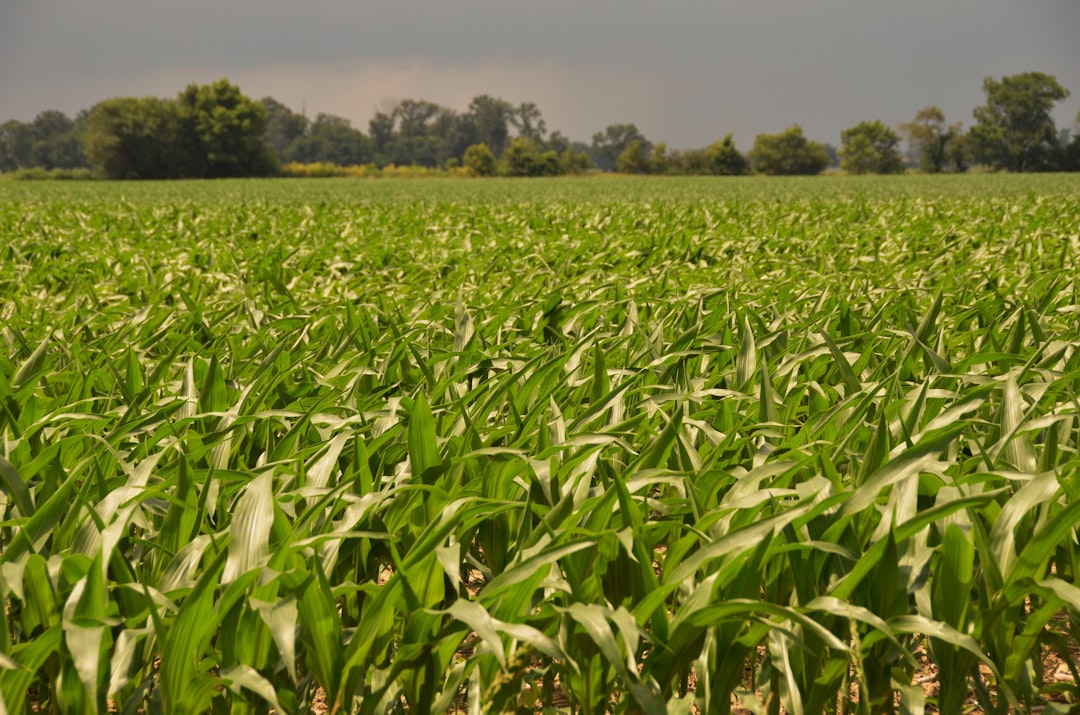
Why Smart Money is Betting Big on Agricultural Commodities This Season

The agricultural commodity markets are experiencing unprecedented volatility, creating both exceptional opportunities and significant risks for investors. While traditional equity markets face uncertainty, savvy investors are turning their attention to the agricultural commodity outlook as a pathway to portfolio diversification and potentially substantial returns. Understanding how to navigate this complex landscape can mean the difference between capitalizing on market movements and watching opportunities slip away.

Understanding Current Market Dynamics in Agricultural Trading

The global agricultural commodity outlook reveals a market shaped by climate variability, geopolitical tensions, and evolving consumer demands. Supply chain disruptions continue to create price volatility across major crops including wheat, corn, soybeans, and rice. Weather patterns have become increasingly unpredictable, with drought conditions in key producing regions driving prices higher while unexpected bumper crops in other areas create sudden oversupply scenarios. Smart investors recognize that these fluctuations, while challenging, present opportunities for those who understand market timing and risk management principles.

Strategic Positioning Based on Seasonal Commodity Patterns

Successful agricultural commodity investing requires deep understanding of seasonal patterns and planting cycles. The agricultural commodity outlook typically shows distinct seasonal trends: spring planting concerns can drive prices higher, summer weather reports create volatility, and harvest results determine autumn price movements. Winter months often present planning opportunities for the following year’s cycle. Experienced traders track planting intentions reports, monitor weather forecasts in key growing regions, and analyze historical yield data to position themselves advantageously. This systematic approach helps maximize returns while minimizing exposure during high-risk periods.

Diversification Strategies Across Multiple Crop Categories

Building a robust agricultural commodity portfolio requires strategic diversification across different crop types and geographic regions. The current agricultural commodity outlook suggests that protein sources like livestock and dairy products offer different risk profiles compared to grain commodities. Soft commodities such as coffee, sugar, and cotton respond to distinct market drivers including currency fluctuations and industrial demand. By spreading investments across these categories, investors can reduce single-commodity risk while maintaining exposure to the sector’s overall growth potential. Consider allocating positions across grains, livestock, soft commodities, and emerging agricultural technologies.

Risk Management Techniques for Volatile Agricultural Markets

Agricultural commodities are inherently volatile, making risk management essential for maximizing long-term returns. The agricultural commodity outlook often shifts rapidly due to weather events, policy changes, and global economic factors. Successful investors employ stop-loss orders, position sizing rules, and hedging strategies to protect capital during adverse market movements. Dollar-cost averaging can help smooth out price volatility over time, while maintaining adequate cash reserves allows investors to capitalize on sudden opportunities. Professional traders also use technical analysis tools to identify trend changes and optimize entry and exit points.

Leveraging Technology and Data Analytics for Better Decisions

Modern agricultural commodity investing increasingly relies on sophisticated data analytics and technology platforms. Satellite imagery provides real-time crop condition monitoring, while weather modeling systems offer predictive insights into yield potential. The agricultural commodity outlook benefits from machine learning algorithms that process vast amounts of market data, identifying patterns and correlations that human analysts might miss. Mobile trading platforms enable rapid response to market developments, while social media sentiment analysis can provide early warning signals about supply disruptions or demand shifts. Investors who embrace these technological tools often achieve superior risk-adjusted returns.

Long-term Investment Themes in Agricultural Markets

The agricultural commodity outlook extends beyond short-term trading opportunities to encompass long-term structural trends. Global population growth continues driving food demand higher, while arable land remains limited. Climate change adaptation requires new crop varieties and farming techniques, creating investment opportunities in agricultural innovation. Sustainable farming practices and organic production methods command premium prices in many markets. Additionally, the shift toward plant-based proteins and alternative food sources represents emerging investment themes. Understanding these long-term drivers helps investors position portfolios for sustained growth while participating in shorter-term market cycles.

Maximizing returns in agricultural commodities requires combining market knowledge, strategic positioning, and disciplined risk management. The agricultural commodity outlook presents compelling opportunities for investors willing to study market fundamentals and maintain patient, systematic approaches. Start by researching specific commodities that align with your risk tolerance and investment timeline, then consider consulting with agricultural commodity specialists to develop a comprehensive strategy tailored to your portfolio objectives.