Archives for April 8, 2026

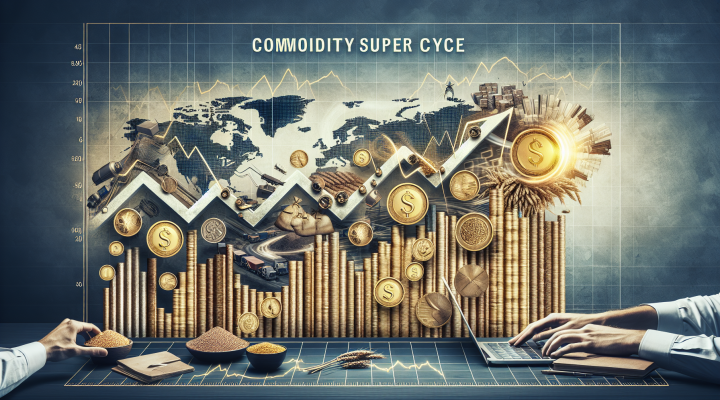
Inside the Commodity Super Cycle Transforming Canada’s Investment Landscape

Canadian investors are witnessing something extraordinary unfold across commodity markets, as a powerful commodity super cycle gains momentum and transforms the nation’s investment opportunities. From copper mines in British Columbia to lithium deposits in Quebec, resource-rich Canada finds itself at the epicenter of a global shift that’s capturing the attention of institutional investors and retail traders alike.

The current commodity super cycle represents more than just temporary price spikes in raw materials. This multi-year phenomenon is driven by fundamental structural changes in global demand, particularly the accelerating transition to renewable energy and the massive infrastructure investments required for electric vehicle adoption. Unlike previous cycles focused primarily on traditional energy sources, this super cycle is powered by critical minerals essential for clean technology, positioning Canada as a strategic supplier to the world.

Canadian mining companies have experienced remarkable valuations as investors recognize the long-term implications of this commodity super cycle. Lithium producers have seen their market capitalizations multiply as battery manufacturers secure supply contracts extending well into the next decade. Copper mining operations, essential for electrical infrastructure and EV manufacturing, are attracting unprecedented investment flows from both domestic and international sources.

The geographic advantage Canada possesses cannot be overstated. With vast untapped mineral reserves spread across politically stable provinces, the country offers international investors a reliable alternative to resource extraction in regions plagued by regulatory uncertainty or geopolitical tensions. This stability premium has become increasingly valuable as global supply chains seek diversification and security of supply.

Energy sector transformation adds another dimension to Canada’s commodity super cycle story. While traditional oil and gas operations continue generating substantial cash flows, forward-thinking energy companies are pivoting toward hydrogen production, carbon capture technologies, and renewable energy development. This diversification strategy allows Canadian energy firms to participate in multiple aspects of the global energy transition while maintaining their core competencies.

Investment flows into Canadian commodity-focused exchange-traded funds have reached levels not seen since the previous super cycle more than a decade ago. Portfolio managers are allocating increasing percentages to resource stocks, viewing them as essential hedges against inflation while providing exposure to secular growth trends in clean technology adoption. The combination of yield generation through dividends and capital appreciation potential creates compelling risk-adjusted returns for long-term investors.

Infrastructure development across Canada reflects the optimism surrounding this commodity super cycle. New transportation corridors, processing facilities, and port expansions are being planned to handle increased production volumes. Government support through favorable mining policies and streamlined permitting processes demonstrates recognition of the economic opportunity this cycle presents for Canadian employment and export revenues.

The sophisticated nature of today’s commodity super cycle distinguishes it from previous boom periods. Advanced extraction technologies, environmental stewardship practices, and digital optimization tools enable Canadian producers to operate more efficiently while meeting stringent sustainability standards demanded by end-users. This technological integration creates sustainable competitive advantages that should persist even as commodity prices eventually moderate.

As global demand for critical minerals continues expanding and supply constraints become increasingly apparent, Canada’s position within this commodity super cycle strengthens further. Investors who recognize the structural nature of these trends and the unique advantages Canadian resource companies possess are positioning themselves to benefit from what many analysts believe could be the most significant commodities boom in generations.


Smart Investors Are Eyeing These Cannabis Stocks as Recovery Momentum Builds on the TSX

The Canadian cannabis market has weathered significant turbulence since legalization, but emerging signs point to a cannabis sector recovery that could reshape investment opportunities on the Toronto Stock Exchange. After years of volatility, oversupply issues, and regulatory challenges, several TSX-listed cannabis companies are demonstrating renewed strength through improved fundamentals, strategic positioning, and evolving market dynamics.

Market analysts are increasingly optimistic about the trajectory of select cannabis stocks, particularly those that have successfully navigated the sector’s growing pains while building sustainable business models. The cannabis sector recovery isn’t happening uniformly across all players, but rather concentrating among companies that have demonstrated operational excellence, strong cash management, and strategic market positioning.

Canopy Growth Corporation continues to command attention as one of the largest cannabis companies in the world. Despite facing significant challenges in previous years, the company has been restructuring operations and focusing on core markets. Recent quarterly results have shown improved gross margins and reduced operating losses, suggesting management’s cost-cutting initiatives are gaining traction. The company’s extensive retail footprint and brand portfolio position it well to capitalize on any broader market recovery.

Aurora Cannabis represents another compelling watch for investors monitoring the cannabis sector recovery. The company has undergone substantial transformation, including facility consolidations and workforce reductions aimed at achieving sustainable profitability. Aurora’s focus on premium products and international medical cannabis markets has helped differentiate its strategy from competitors. Recent partnerships and distribution agreements suggest the company is building momentum in key growth areas.

Tilray Brands stands out for its diversified approach beyond traditional cannabis products. The company’s expansion into beverage alcohol, wellness products, and international markets provides multiple revenue streams that could accelerate during a sector-wide recovery. Tilray’s European operations and medical cannabis focus offer exposure to markets with potentially faster regulatory development and less competitive pressure than the Canadian recreational market.

HEXO Corp has emerged from restructuring with a leaner operational structure and renewed focus on profitability. The company’s emphasis on value-oriented products and efficient production methods aligns well with current consumer preferences in the Canadian market. HEXO’s recent product launches and retail partnerships indicate management is executing on strategies designed to capture market share during the recovery phase.

The broader cannabis sector recovery is being driven by several fundamental factors that extend beyond individual company performance. Regulatory clarity continues improving as governments refine licensing procedures and taxation frameworks. Consumer acceptance has grown significantly, with cannabis products becoming more mainstream and socially accepted. Additionally, the elimination of weaker competitors through consolidation has created opportunities for surviving companies to gain market share and improve pricing dynamics.

International expansion opportunities are also supporting recovery prospects for Canadian cannabis companies. Many TSX-listed firms have established footholds in emerging markets where medical cannabis legalization is advancing. These international operations could provide significant growth catalysts as global cannabis markets mature and regulatory frameworks develop.

Financial metrics across leading cannabis companies show encouraging trends that support the recovery narrative. Inventory levels have normalized after years of oversupply concerns, while production costs have decreased through operational improvements and economies of scale. Several companies are approaching or achieving positive EBITDA, marking a crucial milestone in the sector’s maturation.

Investment considerations for the cannabis sector recovery require careful evaluation of each company’s specific strengths and market position. Successful cannabis stocks during the recovery phase will likely be those with strong balance sheets, diversified product portfolios, established distribution networks, and proven management teams capable of navigating regulatory complexities.

The cannabis sector’s path forward appears increasingly promising as market fundamentals strengthen and leading companies demonstrate operational improvements. While volatility remains inherent in this evolving industry, the convergence of improved financials, regulatory stability, and growing consumer acceptance suggests the current recovery phase could mark a significant turning point for well-positioned TSX cannabis stocks.

Canada Emerges as the Ultimate Clean Energy Transition Play for Global Investors

While global investors scramble to identify the next generation of clean energy opportunities, Canada has quietly positioned itself as the most compelling clean energy transition play on the planet. With its vast renewable resources, cutting-edge technology sector, and strategic geographic advantages, Canada offers a unique combination of stability, innovation, and growth potential that’s attracting billions in international capital.

The convergence of Canada’s natural resource abundance with its rapidly advancing clean technology sector creates an investment landscape unlike anywhere else in the world. From the windswept prairies ideal for renewable generation to the mineral-rich territories essential for battery production, Canada’s clean energy transition play represents both immediate opportunities and long-term strategic positioning.

Critical Minerals and Battery Technology Leadership

Canada controls approximately 20% of the world’s known lithium reserves and houses significant deposits of cobalt, nickel, and rare earth elements – the building blocks of the clean energy economy. Major mining operations across Quebec, Ontario, and the Northwest Territories are scaling production to meet surging global demand for battery materials. Companies like Piedmont Lithium and Critical Elements Corporation have accelerated development timelines, with several new mines expected to come online within the next 18 months.

The country’s battery technology sector has experienced remarkable growth, with government backing through the Strategic Innovation Fund providing over $3.2 billion in clean technology investments since 2022. Advanced battery manufacturing facilities in Ontario and Quebec are attracting major automotive partnerships, positioning Canada as a key supplier for the North American electric vehicle market. This vertical integration from mining to manufacturing makes Canada’s clean energy transition play particularly attractive to institutional investors seeking exposure across the entire value chain.

Renewable Energy Infrastructure and Grid Modernization

Canada’s renewable energy capacity has expanded by 35% over the past three years, with wind and solar installations leading the charge. The provinces of Alberta and Saskatchewan have transformed from fossil fuel strongholds into renewable energy powerhouses, with utility-scale solar projects now delivering electricity at record-low costs. Hydroelectric power, long Canada’s renewable energy backbone, continues expanding with major projects in British Columbia and Manitoba adding thousands of megawatts of clean capacity.

Smart grid technology deployment across Canadian provinces represents another dimension of the clean energy transition play. Advanced energy management systems developed by Canadian tech companies are being exported globally, creating a lucrative knowledge economy alongside physical infrastructure development. The integration of artificial intelligence in grid management has improved efficiency by up to 15% in pilot programs, demonstrating the scalability of Canadian clean energy solutions.

Clean Technology Export and Innovation Hubs

Canadian clean technology companies are capturing increasing market share in international markets, with exports growing by 28% annually. Innovation clusters in Toronto, Vancouver, and Montreal have produced breakthrough technologies in energy storage, carbon capture, and green hydrogen production. The government’s Net Zero Accelerator program has funded over 150 clean technology projects, many of which are now scaling commercially and attracting foreign investment.

Green hydrogen production represents a particularly promising aspect of Canada’s clean energy transition play. With abundant renewable electricity and existing natural gas infrastructure that can be repurposed, Canada is positioning itself as a major hydrogen exporter. Several large-scale hydrogen projects in Atlantic Canada and Alberta are targeting European and Asian markets, with signed memorandums of understanding worth billions in potential revenue.

Policy Framework and International Partnerships

Canada’s regulatory environment provides the stability and incentives necessary for large-scale clean energy investments. The federal government’s commitment to achieving net-zero emissions by 2050, backed by specific sectoral targets and carbon pricing mechanisms, creates predictable policy conditions that international investors demand. Provincial governments have added their own incentive programs, creating a competitive landscape that benefits clean energy developers.

Strategic partnerships with allies, particularly through the U.S.-Canada energy cooperation framework and emerging agreements with European nations, provide guaranteed markets for Canadian clean energy exports. These international relationships reduce market risk and provide the long-term revenue visibility that makes Canada’s clean energy transition play attractive to pension funds and other institutional investors seeking stable, long-term returns.

The combination of natural advantages, technological innovation, supportive policy frameworks, and international market access positions Canada as the premier clean energy transition play for investors seeking comprehensive exposure to the global energy transformation. As the world accelerates its shift away from fossil fuels, Canada’s unique positioning across the entire clean energy value chain – from critical mineral extraction to advanced technology development – offers unparalleled opportunities for sustained growth and strategic importance in the new energy economy.

Record TSX Tech IPO Activity Reshapes Canadian Capital Markets

Canadian capital markets are experiencing a seismic shift as a wave of technology companies flood the Toronto Stock Exchange with initial public offerings, fundamentally altering the investment landscape. The TSX tech IPO boom has injected unprecedented energy into Canadian equities, drawing comparisons to the dot-com era while showcasing distinctly modern characteristics that suggest sustainable growth rather than speculative excess.

This transformation represents more than just numerical growth in listings. The surge in technology offerings has elevated the TSX’s profile among global institutional investors who previously viewed Canadian markets as resource-heavy and innovation-light. Major pension funds, sovereign wealth funds, and international asset managers are now allocating significant capital to Canadian tech ventures, recognizing the exchange’s emergence as a legitimate alternative to NASDAQ for growth-oriented investments.

The quality and scale of recent TSX tech IPO activity distinguish this cycle from previous periods. Companies going public are demonstrating substantial revenue streams, established customer bases, and clear paths to profitability—a marked contrast to the revenue-light, story-driven offerings that characterized earlier tech booms. Artificial intelligence platforms, fintech solutions, cybersecurity firms, and enterprise software companies are leading the charge, with several debuts exceeding billion-dollar valuations.

Market dynamics have shifted dramatically as these technology offerings gain traction. Traditional resource-based indices are being rebalanced to accommodate the growing tech sector weighting, while institutional investment strategies are evolving to capture the enhanced growth potential. The ripple effects extend beyond individual stock performance, influencing currency flows, sector rotation patterns, and even monetary policy considerations as the Bank of Canada monitors this structural economic shift.

Foreign investment patterns reveal the international appeal of Canadian tech equities. European investors, seeking alternatives to volatile American markets, have discovered attractive valuations and favorable regulatory environments north of the border. Asian investment funds, particularly those focused on cleantech and enterprise solutions, are establishing significant positions in newly public Canadian companies, creating cross-border partnerships that extend well beyond simple equity stakes.

Innovation Sectors Driving Market Transformation

The breadth of innovation represented in recent TSX tech IPO listings reflects Canada’s maturing technology ecosystem. Quantum computing companies, leveraging decades of university research, are attracting global attention with commercial applications in cryptography and drug discovery. Clean technology firms are capitalizing on increasing environmental regulations and carbon pricing mechanisms, offering investors exposure to the energy transition while benefiting from government incentives and international climate commitments.

Artificial intelligence and machine learning companies represent another significant segment, with several major debuts showcasing applications in healthcare diagnostics, autonomous systems, and predictive analytics. These companies benefit from Canada’s strong AI research infrastructure, established talent pipeline, and supportive regulatory environment for emerging technologies. Their public market success is attracting additional private investment to the sector, creating a virtuous cycle of innovation and capital formation.

Financial technology continues to evolve beyond simple payment processing, with sophisticated offerings in regulatory compliance, risk management, and alternative lending attracting both retail and institutional investor interest. The integration of blockchain technologies, digital asset management, and traditional banking services has created hybrid business models that appeal to investors seeking exposure to financial innovation without the volatility associated with pure cryptocurrency plays.

Market Structure and Investor Response

The institutional response to increased TSX tech IPO activity has been overwhelmingly positive, with oversubscription rates averaging significantly higher than historical norms. Canadian pension funds, traditionally conservative in their domestic equity allocations, have increased their technology sector weightings substantially, recognizing both the growth potential and the diversification benefits these investments provide to traditionally resource-heavy portfolios.

Retail investor participation has also surged, driven by improved access through digital trading platforms and growing awareness of domestic innovation success stories. The democratization of IPO access through online brokerages has enabled individual investors to participate in offerings previously reserved for institutional clients, broadening the investor base and improving market liquidity for newly public companies.

The regulatory environment has adapted to accommodate this increased activity while maintaining investor protection standards. Enhanced disclosure requirements, streamlined approval processes, and improved market-making mechanisms have contributed to more efficient price discovery and reduced volatility in the immediate post-IPO period. These improvements have enhanced confidence among both issuers and investors, encouraging additional companies to consider public offerings.

Looking ahead, the momentum behind Canadian technology IPOs appears sustainable, supported by strong fundamentals, favorable market conditions, and an increasingly sophisticated ecosystem of supporting services. Investment banks have expanded their Canadian technology coverage, venture capital firms are preparing portfolio companies for public markets, and institutional investors are allocating permanent capital to the sector. This convergence of factors suggests that the current TSX tech IPO wave represents not a temporary phenomenon but a structural shift toward a more diversified, innovation-driven Canadian equity market that will continue attracting global investment attention for years to come.

Smart Investors Recognize the Commodity Super Cycle Reshaping Canadian Portfolios

The financial landscape is witnessing a seismic shift as the commodity super cycle gains unprecedented momentum, fundamentally altering investment strategies across Canada. This prolonged period of above-trend price increases for raw materials represents more than a temporary market fluctuation—it signals a structural transformation that astute Canadian investors cannot afford to ignore.

Understanding the commodity super cycle requires recognizing its distinct characteristics. Unlike typical commodity price swings that last months or quarters, a super cycle extends across decades, driven by fundamental supply-demand imbalances and structural economic changes. Historical analysis reveals that previous super cycles, such as those experienced in the 1970s and early 2000s, generated extraordinary returns for investors positioned in resource-heavy portfolios.

Canada’s unique position in this commodity super cycle cannot be overstated. The nation’s abundant natural resources, from oil sands and mining operations to agricultural lands and forestry assets, position Canadian investors at the epicenter of this transformation. The country’s resource sector comprises approximately 17% of nominal GDP, making exposure to commodity price movements virtually unavoidable for domestic portfolios.

Current market dynamics suggest this commodity super cycle is being fueled by several converging factors. Global infrastructure development, particularly in emerging economies, continues driving demand for base metals like copper, aluminum, and steel. Simultaneously, the energy transition paradoxically increases demand for specific commodities essential for renewable energy infrastructure, including lithium, cobalt, and rare earth elements.

Demographic trends further amplify these pressures. Urbanization across developing nations requires massive commodity inputs for construction and infrastructure development. Meanwhile, supply constraints persist due to underinvestment in new mining projects over the past decade, creating the perfect storm for sustained price appreciation that characterizes a true commodity super cycle.

For Canadian investors, this presents both opportunities and challenges. Direct exposure through resource companies offers the most leveraged play on rising commodity prices, but requires careful selection and risk management. Companies with low-cost production, strong balance sheets, and exposure to the most favorable commodity segments typically outperform during these extended cycles.

Diversification remains crucial even within commodity-focused strategies. While energy and mining stocks offer obvious exposure to the commodity super cycle, agricultural investments, real estate in resource-rich regions, and even infrastructure plays can provide complementary returns. Canadian REITs with exposure to industrial and resource-related properties often benefit significantly during these periods.

Timing considerations prove critical for maximizing returns from the commodity super cycle. Unlike growth stocks that can sustain elevated valuations for extended periods, commodity investments tend to be more cyclical even within super cycles. Dollar-cost averaging into resource-heavy ETFs or systematically building positions during temporary pullbacks can help smooth volatility while maintaining upside exposure.

Risk management becomes paramount when capitalizing on the commodity super cycle. Commodity investments can experience extreme volatility, and concentration risk poses significant threats to portfolio stability. Maintaining appropriate position sizing and rebalancing regularly helps capture the upside while protecting against potential reversals.

The current commodity super cycle represents a generational opportunity for Canadian investors willing to embrace the inherent volatility and complexity of resource investments. With careful planning, diversified exposure, and disciplined execution, this extended period of commodity strength could significantly enhance long-term portfolio returns while leveraging Canada’s natural resource advantages in an increasingly resource-constrained world.

Smart Investors Track Canadian Dollar Outlook to Maximize Portfolio Returns

Currency movements can make or break investment returns, yet many Canadian investors overlook how the loonie’s trajectory directly impacts their portfolio performance. Whether you’re holding domestic stocks, international assets, or considering new investments, the Canadian dollar outlook serves as a critical compass for navigating market opportunities and protecting your wealth.

The Canadian dollar’s performance ripples through every corner of your investment portfolio in ways that aren’t immediately obvious. When the loonie strengthens against major currencies like the US dollar, your foreign investments lose value when converted back to Canadian dollars, even if those assets performed well in their local currency. Conversely, a weakening Canadian dollar can boost the value of your international holdings, creating unexpected gains that savvy investors learn to anticipate.

Understanding the Canadian dollar outlook becomes particularly crucial when you consider Canada’s resource-heavy economy. The loonie often moves in tandem with commodity prices, especially oil, given Canada’s position as a major energy exporter. When global oil demand surges and prices climb, the Canadian dollar typically strengthens as international investors flood into Canadian energy assets. This commodity-currency relationship means that shifts in global economic growth, environmental policies, and geopolitical tensions in oil-producing regions can significantly impact your portfolio’s currency exposure.

Interest rate differentials between Canada and other major economies create another layer of complexity that affects the Canadian dollar outlook. When the Bank of Canada raises rates relative to the Federal Reserve or European Central Bank, higher-yielding Canadian assets become more attractive to international investors, typically strengthening the loonie. This dynamic influences not just currency values but also the relative performance of Canadian versus foreign bonds, dividend-paying stocks, and real estate investment trusts in your portfolio.

Portfolio diversification takes on new meaning when viewed through the lens of currency exposure. Many Canadian investors unknowingly concentrate their currency risk by holding predominantly domestic assets, leaving themselves vulnerable to prolonged periods of Canadian dollar weakness. Monitoring the Canadian dollar outlook helps identify optimal times to rebalance between domestic and international investments, potentially capturing currency-driven gains while reducing overall portfolio volatility.

The technology and healthcare sectors illustrate how currency movements affect different industries differently. Canadian tech companies that generate significant US dollar revenues often see their stock prices benefit when the loonie weakens, as their foreign earnings translate into more Canadian dollars. Healthcare companies importing equipment and materials face the opposite dynamic. Understanding these sector-specific currency sensitivities allows investors to position their portfolios advantageously based on anticipated currency trends.

Inflation considerations add another dimension to currency analysis that directly impacts portfolio strategy. A declining Canadian dollar outlook often signals imported inflation risks, which can erode purchasing power while potentially benefiting companies with pricing power or those holding real assets like commodities and real estate. Conversely, a strengthening loonie can help contain inflation but may pressure export-dependent Canadian companies.

Active currency hedging represents one tactical approach to managing exchange rate risk, but timing and cost considerations make this strategy complex for individual investors. Exchange-traded funds offering currency-hedged exposure to international markets provide a more accessible alternative, allowing investors to capture foreign market returns while minimizing currency volatility based on their assessment of the Canadian dollar outlook.

The interconnected nature of global financial markets means that Canadian dollar movements reflect broader economic themes including trade relationships, monetary policy divergence, and risk sentiment. Investors who incorporate currency analysis into their decision-making process gain valuable insights into potential portfolio adjustments, whether that involves increasing international exposure during periods of expected loonie strength or emphasizing domestic dividend-growth stocks when currency headwinds seem likely. Rather than viewing currency fluctuations as random noise, sophisticated investors recognize that monitoring the Canadian dollar outlook provides a strategic advantage in building resilient, well-positioned portfolios capable of thriving across different economic environments.