
Archives for April 8, 2026

Northern Resource Development Powers Canada’s Unprecedented Clean Energy Transformation

Canada’s northern territories are experiencing a remarkable transformation that extends far beyond traditional resource extraction. While the Arctic has long been synonymous with oil and gas production, northern resource development is now spearheading the nation’s transition to a sustainable energy future. From critical mineral extraction to innovative renewable energy projects, Canada’s North is becoming the cornerstone of a clean energy revolution that promises to reshape both domestic energy security and global climate action.

The shift represents more than an economic opportunity—it’s a strategic imperative. As global demand for clean energy technologies surges and supply chain vulnerabilities become increasingly apparent, northern resource development offers Canada a unique competitive advantage in the race toward net-zero emissions.

Critical Minerals Drive Clean Energy Infrastructure

The foundation of northern resource development’s clean energy impact lies in critical mineral extraction. Canada’s northern regions contain some of the world’s largest deposits of lithium, cobalt, nickel, and rare earth elements—materials essential for battery production, wind turbines, and solar panels. The Northwest Territories alone hosts significant lithium deposits, while Nunavut’s mineral wealth includes substantial rare earth reserves.

Recent investments have accelerated extraction capabilities, with mining companies deploying advanced technologies that minimize environmental impact while maximizing efficiency. These operations are increasingly powered by renewable energy sources, creating a virtuous cycle where northern resource development directly supports clean energy infrastructure while being sustained by it. The economic impact is substantial, with critical mineral projects generating thousands of jobs and billions in investment across northern communities.

The strategic importance of these resources cannot be overstated. As global supply chains face disruption and countries seek energy independence, Canada’s northern mineral wealth positions the nation as a reliable supplier of materials crucial for the global clean energy transition.

Renewable Energy Projects Transform Northern Communities

Northern resource development increasingly encompasses ambitious renewable energy initiatives that are revolutionizing how remote communities access power. Large-scale wind, solar, and hydroelectric projects are replacing diesel generators and reducing carbon emissions across the Arctic archipelago. These projects demonstrate how northern resource development can simultaneously address energy security and environmental sustainability.

Innovative storage solutions, including cutting-edge battery systems utilizing locally-sourced minerals, are solving the intermittency challenges traditionally associated with renewable energy in harsh northern climates. Smart grid technologies are connecting previously isolated communities, creating resilient energy networks that can withstand extreme weather conditions.

The transformation extends beyond individual projects to encompass entire regional energy systems. Integrated approaches combining multiple renewable sources with energy storage are proving that northern resource development can deliver reliable, clean power even in the most challenging environments.

Indigenous Partnerships Shape Sustainable Development

A defining characteristic of modern northern resource development is the central role of Indigenous communities as partners, not merely stakeholders. First Nations, Inuit, and Métis communities are leading clean energy initiatives that combine traditional knowledge with cutting-edge technology, creating models for sustainable development that respect both environmental stewardship and economic opportunity.

These partnerships are generating significant economic benefits while ensuring that northern resource development aligns with Indigenous values and priorities. Community-owned renewable energy projects are providing energy independence while creating local employment and building technical capacity. Revenue-sharing agreements from critical mineral projects are funding education, healthcare, and infrastructure improvements across northern communities.

The collaborative approach is proving that northern resource development can honor Indigenous rights while advancing clean energy goals, creating a template for responsible resource development that other regions are beginning to adopt.

Economic and Environmental Synergies Accelerate Growth

The convergence of economic opportunity and environmental responsibility is driving unprecedented investment in northern resource development. Government incentives, private capital, and international partnerships are funding projects that simultaneously advance clean energy deployment and economic diversification across Canada’s North.

Carbon pricing mechanisms and clean energy mandates are making northern renewable projects increasingly competitive with traditional fossil fuel alternatives. This economic shift is attracting investment from major energy companies, technology firms, and institutional investors seeking exposure to the clean energy transition.

Research and development initiatives are positioning Canada as a global leader in cold-climate renewable energy technologies, creating intellectual property and export opportunities that extend the economic impact of northern resource development far beyond resource extraction.

Northern resource development is fundamentally reshaping Canada’s energy landscape while positioning the nation as a global clean energy leader. The combination of critical mineral wealth, renewable energy potential, Indigenous partnerships, and strategic investment is creating a powerful engine for sustainable economic growth. As the world accelerates toward decarbonization, Canada’s North stands ready to supply both the materials and the innovative solutions needed for a clean energy future. The transformation already underway demonstrates that northern resource development is not just compatible with environmental stewardship—it’s essential for achieving ambitious climate goals while building prosperous, resilient northern communities.

Canadian Cannabis Stocks Surge as Sector Recovery Gains Unprecedented Momentum

Canadian cannabis stocks are experiencing their most significant upward trajectory in years, as a comprehensive cannabis sector recovery transforms market sentiment and drives substantial equity gains across the Toronto Stock Exchange. After enduring a prolonged downturn marked by regulatory challenges and limited institutional support, major cannabis companies are now posting impressive quarterly results while attracting renewed investor confidence.

The cannabis sector recovery has emerged as a defining force in Canadian equity markets, with leading companies reporting unprecedented growth in both domestic and international operations. This resurgence reflects fundamental shifts in regulatory frameworks, banking relationships, and consumer acceptance that are reshaping the industry landscape.

Regulatory Reforms Catalyze Market Expansion

Canadian cannabis companies are benefiting from streamlined regulatory processes that have reduced compliance costs and accelerated product development timelines. Provincial governments have expanded retail licensing programs, creating new distribution channels that directly impact revenue growth for publicly traded cannabis firms. These regulatory improvements have eliminated many operational bottlenecks that previously constrained sector performance.

Federal tax policy adjustments have also enhanced profitability margins for cannabis producers, allowing companies to reinvest in research and development initiatives. The elimination of certain excise tax complications has simplified financial reporting and improved cash flow management across the industry, contributing significantly to the ongoing cannabis sector recovery.

Banking Partnerships Transform Financial Landscape

Major Canadian banks have established comprehensive banking relationships with licensed cannabis operators, ending years of financial service limitations that hindered sector growth. These partnerships provide cannabis companies with access to traditional lending products, merchant services, and institutional investment opportunities that were previously unavailable.

The availability of conventional banking services has attracted institutional investors who previously avoided cannabis equities due to operational complexities. Pension funds and investment firms are now actively evaluating cannabis sector opportunities, bringing substantial capital inflows that support stock price appreciation and market stability.

International Expansion Drives Revenue Growth

Canadian cannabis companies are leveraging their regulatory expertise and operational experience to capture international market opportunities, particularly in European and Latin American jurisdictions that have implemented medical cannabis programs. These expansion initiatives are generating new revenue streams while diversifying geographic risk exposure for publicly traded cannabis firms.

Export agreements with international partners have created predictable revenue channels that support long-term growth projections. Companies with established international operations are reporting quarterly revenue increases that significantly exceed domestic market performance, highlighting the global potential driving the cannabis sector recovery.

Institutional Investment Reshapes Market Dynamics

Institutional investors are allocating significant capital to cannabis sector opportunities, fundamentally altering market dynamics and trading volumes for Canadian cannabis equities. Large-scale investment funds are establishing dedicated cannabis investment portfolios, creating sustained buying pressure that supports stock price stability and growth.

Analyst coverage from major investment banks has expanded substantially, providing market research and price targets that enhance sector visibility among retail and institutional investors. This increased analytical attention has improved market efficiency and reduced volatility that previously characterized cannabis stock trading.

The cannabis sector recovery represents more than a temporary market adjustment – it signals a fundamental transformation in how Canadian equity markets value cannabis companies and their growth potential. As regulatory frameworks continue evolving and international opportunities expand, cannabis stocks are positioned to maintain their momentum while contributing meaningfully to broader Canadian equity market performance. Investors who recognize these structural improvements early are positioning themselves to benefit from what appears to be a sustained period of cannabis sector outperformance in Canadian markets.

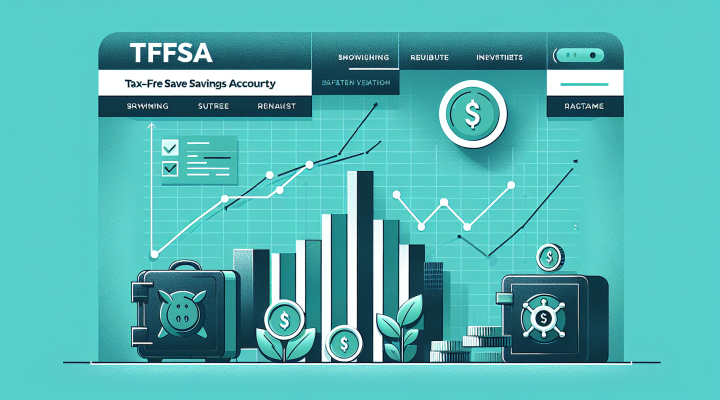
Smart Investors Are Tripling Their Returns Through Strategic TFSA Portfolio Management

The Tax-Free Savings Account remains one of Canada’s most powerful wealth-building tools, yet most investors barely scratch the surface of its potential. While the average TFSA holder earns modest returns through basic savings accounts or conservative GICs, sophisticated investors are leveraging strategic approaches to generate substantially higher tax-free returns. The key lies in understanding how to construct and manage a TFSA investment strategy that balances growth potential with risk management.

The foundation of any successful TFSA investment strategy begins with maximizing your contribution room. With contribution limits having accumulated since the program’s inception in 2009, eligible Canadians now have access to substantial tax-sheltered space. This room should be treated as premium real estate for your highest-growth potential investments, since every dollar of gain will never be subject to taxation. Unlike RRSPs, where withdrawals trigger immediate tax consequences, TFSA withdrawals can be recontributed in future years, creating unique strategic opportunities.

Asset allocation within your TFSA requires a different mindset than traditional taxable investing. Since dividend income and capital gains are completely tax-free, you can prioritize pure growth potential without worrying about tax efficiency. This makes TFSAs ideal vehicles for growth stocks, emerging market funds, and other higher-volatility investments that might generate substantial taxable income in regular accounts. Many successful investors concentrate their most aggressive growth positions within their TFSA while holding more conservative, income-generating assets in taxable accounts where dividend tax credits can be utilized.

International diversification takes on special significance in a TFSA investment strategy. Foreign withholding taxes on international dividends cannot be recovered in TFSAs like they can in RRSPs, making it crucial to structure international exposure thoughtfully. Canadian-listed international funds often provide better tax treatment than direct foreign holdings, while currency-hedged options can reduce volatility in your tax-free account. The goal is maximizing after-tax, after-fee returns rather than simply chasing the highest gross yields.

Timing your TFSA contributions and withdrawals can significantly amplify your returns over time. Contributing early in the year maximizes the compounding period, while strategic withdrawals during market peaks followed by recontributions during downturns can effectively increase your investment capacity. This rebalancing approach requires discipline and market timing skill, but it allows you to potentially “reset” your contribution room at higher account values. Some investors systematically withdraw gains in December and recontribute in January, effectively locking in tax-free profits while maintaining their investment exposure.

The power of compounding becomes extraordinary when amplified by tax-free growth. A well-executed TFSA investment strategy generating 8% annual returns can accumulate substantial wealth over decades without any tax drag. This makes TFSAs particularly valuable for younger investors with long time horizons, but even investors approaching retirement can benefit significantly from aggressive TFSA growth strategies, especially given the accounts’ flexibility for estate planning and spousal transfers.

Risk management within your TFSA requires balancing growth potential against the precious nature of your contribution room. Unlike losses in taxable accounts, which can offset future gains, TFSA losses permanently reduce your tax-sheltered investment capacity. This argues for avoiding speculative individual stocks or extremely volatile investments unless they represent a small portion of a well-diversified TFSA portfolio. The optimal approach typically involves high-growth but broadly diversified investments that can weather market volatility while delivering superior long-term returns.

Professional portfolio management or robo-advisors can add significant value to a TFSA investment strategy, particularly for investors lacking the time or expertise to actively manage their accounts. The tax-free nature of TFSA gains means that paying reasonable management fees can be worthwhile if they generate superior risk-adjusted returns. Many discount brokerages now offer sophisticated TFSA management tools and commission-free ETF trading, making professional-grade portfolio construction accessible to individual investors.

The most successful TFSA investors treat their accounts as long-term wealth accumulation vehicles rather than short-term savings tools. By combining strategic asset allocation, tax-efficient international diversification, disciplined contribution timing, and appropriate risk management, your TFSA can become a powerful engine for tax-free wealth creation. The key is starting early, contributing consistently, and maintaining a growth-oriented TFSA investment strategy that takes full advantage of this remarkable tax shelter’s unique benefits.

Smart Investors Target These TSX Tech IPO Opportunities Showing Strong Buy Signals

The Toronto Stock Exchange has become a hotbed for technology companies going public, with several promising TSX tech IPO candidates generating significant buzz among institutional and retail investors alike. Recent market dynamics have created an environment where tech companies with strong fundamentals are finding receptive audiences, leading to some compelling investment opportunities for those who know what signals to watch.

Unlike the speculative frenzy that characterized earlier tech public offerings, today’s TSX tech IPO landscape is marked by companies with proven revenue streams, clear paths to profitability, and robust business models. This shift represents a maturation of both the market and the companies choosing to go public, creating opportunities for investors who can identify the key buy signals that separate winners from potential disappointments.

Key Financial Metrics That Signal Strong TSX Tech IPO Potential

When evaluating any TSX tech IPO opportunity, seasoned investors focus on several critical financial indicators that historically correlate with post-IPO success. Revenue growth consistency stands as perhaps the most important factor, with companies showing steady quarter-over-quarter increases demonstrating their ability to scale in competitive markets. The most attractive candidates typically exhibit annual recurring revenue growth rates exceeding 25%, coupled with expanding gross margins that indicate operational efficiency improvements.

Customer acquisition cost relative to lifetime value provides another crucial lens for analysis. TSX tech IPO companies with CAC-to-LTV ratios better than 1:3 generally demonstrate sustainable unit economics, suggesting their business models can support continued growth without burning excessive cash. Additionally, companies showing improvements in this ratio over time signal management teams capable of optimizing their go-to-market strategies.

Market positioning within addressable markets also plays a pivotal role in determining long-term success potential. The strongest TSX tech IPO candidates typically operate in markets with total addressable market sizes exceeding $10 billion, while maintaining competitive moats through proprietary technology, network effects, or significant switching costs for customers.

Technical Analysis and Timing Considerations

Beyond fundamental analysis, technical indicators provide valuable insights into optimal entry points for TSX tech IPO investments. Volume patterns during the first few weeks of trading often reveal institutional sentiment, with sustained above-average volume coupled with price stability indicating strong backing from sophisticated investors.

Price action relative to initial public offering prices serves as another key indicator. Companies that maintain trading ranges above their IPO prices after initial volatility subsides typically demonstrate strong underlying demand and appropriate initial pricing. Conversely, stocks that consistently trade below IPO prices may indicate overvaluation or fundamental concerns that weren’t apparent during the initial offering process.

Relative strength compared to broader tech indices also provides context for individual TSX tech IPO performance. Companies that outperform during market downturns while participating fully in rallies demonstrate the kind of resilient business models that tend to create long-term shareholder value.

The current environment presents unique opportunities for investors willing to conduct thorough due diligence on TSX tech IPO candidates. With public markets increasingly focused on sustainable business models rather than growth-at-any-cost strategies, companies that demonstrate strong unit economics, expanding addressable markets, and competent management teams are finding receptive investor audiences. Success in this space requires combining fundamental analysis of business metrics with technical analysis of market sentiment, creating a comprehensive framework for identifying the most promising opportunities in Canada’s evolving technology landscape.