

Archives for April 6, 2026

Surging Copper Demand Outlook Powers Canada’s Clean Energy Revolution

Canada stands at the epicenter of a remarkable transformation as the global copper demand outlook reshapes the nation’s energy landscape. With clean energy technologies requiring unprecedented amounts of copper—from wind turbines to electric vehicle charging stations—Canada’s abundant copper resources have positioned the country as a critical player in the worldwide transition to sustainable energy.

The numbers tell a compelling story. Electric vehicles require up to four times more copper than traditional combustion engines, while offshore wind farms demand approximately 15 tons of copper per megawatt of capacity. As governments and corporations worldwide accelerate their decarbonization efforts, the copper demand outlook has shifted dramatically upward, creating a perfect storm of opportunity for Canadian mining operations and clean energy developers.

Canadian copper mines have responded to this surge with remarkable speed. Operations across British Columbia, Ontario, and Quebec have announced expansion plans worth billions of dollars, driven largely by contracts with renewable energy companies and electric vehicle manufacturers. The Highland Valley Copper mine in British Columbia recently completed a major expansion that increased output by 40%, while new exploration projects in Nunavut and the Northwest Territories promise to unlock additional reserves previously considered economically unfeasible.

This copper boom extends far beyond mining operations. Canadian manufacturing facilities producing renewable energy components have experienced unprecedented growth, with companies like Siemens Energy Canada doubling their workforce to meet surging demand for wind turbine components. The ripple effects have touched everything from specialized transportation companies moving heavy equipment to engineering firms designing next-generation electrical infrastructure.

The strategic importance of this copper demand outlook becomes even more apparent when considering global supply chain vulnerabilities. Recent disruptions in South American copper production, combined with geopolitical tensions affecting traditional suppliers, have elevated Canada’s role as a stable, democratic source of this critical mineral. Major automakers including Ford and General Motors have signed long-term supply agreements directly with Canadian mining companies, recognizing the importance of secure copper supplies for their electric vehicle production lines.

Investment patterns reflect this fundamental shift in the commodity landscape. Canadian clean energy ETFs have outperformed broader market indices by substantial margins, driven primarily by copper-exposed companies. Institutional investors, including Canada’s largest pension funds, have allocated billions toward copper mining operations and related infrastructure projects. The Canada Infrastructure Bank has committed over $3 billion specifically toward projects that strengthen the copper supply chain for clean energy applications.

Provincial governments have recognized the transformative potential of this trend. British Columbia’s recently announced Critical Minerals Strategy allocates $500 million toward copper exploration and processing infrastructure, while Ontario has streamlined permitting processes for copper projects tied to clean energy applications. These policy initiatives reflect a broader understanding that the copper demand outlook represents not just an economic opportunity, but a strategic imperative for Canada’s energy security and economic competitiveness.

The technological innovations emerging from this copper-driven clean energy boom extend well beyond traditional applications. Canadian researchers have developed advanced copper recycling techniques that recover 99% of the metal from decommissioned wind turbines and solar panels, creating a circular economy that reduces dependence on new mining while supporting continued clean energy expansion. These breakthrough technologies have attracted international attention and licensing agreements worth hundreds of millions of dollars.

Looking ahead, the interconnection between copper availability and clean energy deployment creates powerful momentum for continued growth. Every new electric vehicle charging network requires thousands of tons of copper wiring and components. Every utility-scale solar installation demands copper-intensive transformers and transmission equipment. As Canada continues expanding its clean energy infrastructure to meet climate commitments, domestic copper production provides a crucial competitive advantage.

The transformation extends to Canada’s electricity grid itself, where aging infrastructure requires massive copper investments to accommodate renewable energy integration. Smart grid technologies, essential for managing intermittent solar and wind power, rely heavily on copper-based sensors and communication systems. This infrastructure modernization represents a multi-decade opportunity that aligns perfectly with the long-term copper demand outlook and Canada’s clean energy ambitions.

The convergence of abundant copper resources, advanced clean energy technologies, and supportive government policies has created a uniquely Canadian success story. As global copper demand continues its relentless upward trajectory, driven by the unstoppable momentum toward electrification and renewable energy, Canada’s position as both a major copper producer and clean energy innovator ensures the nation will remain at the forefront of the world’s most important economic and environmental transformation.

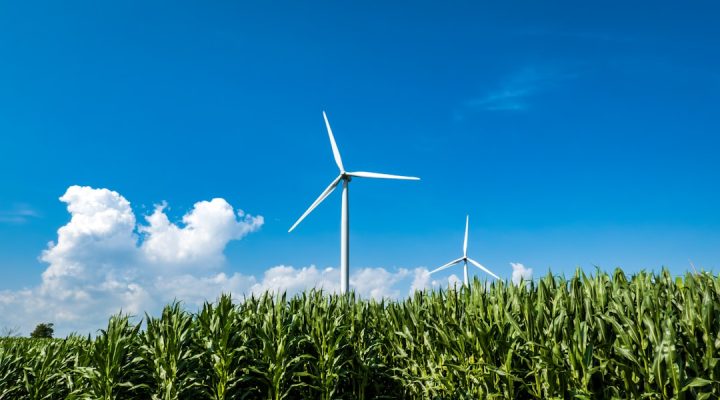
Potash Market Signals Are Reshaping Canada’s Clean Energy Infrastructure Development

Canada’s clean energy sector is experiencing a remarkable transformation, driven by an unexpected catalyst: the evolving dynamics of the global potash market. As one of the world’s largest potash producers, Canada is leveraging potash market signal patterns to accelerate its transition toward sustainable energy infrastructure, creating a unique synergy between agricultural commodities and renewable energy development.

The connection between potash markets and clean energy might not be immediately obvious, but the relationship has become increasingly strategic for Canadian energy planning. Potash mining operations require enormous amounts of electricity, traditionally sourced from fossil fuels. However, recent potash market signal indicators showing sustained high demand and pricing stability have enabled mining companies to invest heavily in renewable energy infrastructure. Saskatchewan’s potash producers alone have committed over $8 billion to clean energy projects, fundamentally altering the province’s energy landscape.

This shift represents more than environmental responsibility—it’s economic necessity driven by market intelligence. The potash market signal data reveals that energy costs now represent up to 30% of production expenses for major mining operations. By investing in wind, solar, and hydroelectric projects, potash companies are not only reducing their carbon footprint but also hedging against volatile traditional energy prices. The Mosaic Company’s recent announcement of a 500-megawatt solar installation demonstrates how potash market signal analysis directly influences clean energy investment decisions.

Economic Multiplier Effects Accelerating Energy Transition

The ripple effects of potash market signal-driven investments extend far beyond individual mining operations. Canadian provinces are experiencing a clean energy boom as infrastructure originally built for potash operations becomes available for broader grid integration. Manitoba Hydro’s partnership with potash producers has resulted in three new transmission lines that now serve both mining operations and rural communities, effectively subsidizing clean energy access through commodity market revenues.

Financial institutions have taken notice of this trend, with major Canadian banks now offering preferential lending rates for clean energy projects that demonstrate clear connections to stable commodity market signals. The Royal Bank of Canada’s specialized potash-to-clean-energy lending program has already financed 47 renewable projects across Saskatchewan, Alberta, and New Brunswick, totaling $12.3 billion in clean energy infrastructure investment.

The timing couldn’t be more advantageous for Canada’s climate goals. As global food security concerns maintain strong potash demand, the sustained positive potash market signal provides a reliable funding mechanism for clean energy development. Unlike traditional green financing that depends on government subsidies or carbon credit markets, this commodity-backed approach offers more predictable returns for investors.

Strategic Integration Creating Competitive Advantages

Canadian energy companies are now actively monitoring potash market signal trends to optimize their renewable energy deployment strategies. When potash prices indicate strong future demand, energy developers can confidently invest in grid infrastructure knowing that anchor customers—the potash mines—will provide stable, long-term revenue streams. This approach has proven particularly effective in remote areas where traditional clean energy projects might struggle with economic viability.

The provincial governments of Saskatchewan and New Brunswick have formalized this relationship through their Commodity-Linked Clean Energy Initiative, which automatically allocates a percentage of potash royalty revenues to renewable energy projects. This policy framework ensures that positive potash market signal periods translate directly into accelerated clean energy development.

Advanced analytics platforms now integrate potash market signal data with renewable energy capacity planning, enabling Canadian utilities to make more informed infrastructure investments. When commodity signals indicate sustained high demand, utilities can justify larger-scale renewable projects, knowing industrial customers will have the financial capacity to support long-term power purchase agreements.

The convergence of potash market signals and clean energy development represents a uniquely Canadian approach to sustainability financing. By aligning commodity market strength with renewable energy investment, Canada has created a self-reinforcing cycle where agricultural market success directly accelerates the nation’s clean energy transition. This innovative model positions Canada as a global leader in commodity-backed sustainable development, proving that economic prosperity and environmental responsibility can be mutually reinforcing when market signals are strategically leveraged.

Inside Canada’s Clean Energy Revolution That’s Transforming Investment Markets

Canada’s transformation into a global clean energy powerhouse represents one of the most compelling investment narratives of this decade. The nation’s ambitious commitment to net-zero emissions by 2050 has unleashed a wave of capital deployment, technological innovation, and policy frameworks that position the clean energy transition play as a cornerstone of the country’s economic future.

The numbers tell a remarkable story of momentum. Government investments in clean technology have reached unprecedented levels, with federal and provincial programs channeling billions toward renewable energy infrastructure, energy storage solutions, and grid modernization projects. This financial commitment has created a multiplier effect, attracting private capital at ratios exceeding 3:1 in many sectors, demonstrating the market’s confidence in Canada’s clean energy transition play.

Wind and solar capacity additions have accelerated dramatically across provinces, with Ontario, Alberta, and British Columbia leading deployment efforts. The country’s renewable electricity generation capacity has grown substantially, supported by improved economics and streamlined regulatory processes. Offshore wind development along the Atlantic coast represents a particularly exciting frontier, with Nova Scotia and Newfoundland positioning themselves as future energy exporters to both domestic and international markets.

Critical minerals extraction has emerged as a strategic advantage within Canada’s clean energy transition play. The country’s vast reserves of lithium, cobalt, nickel, and rare earth elements are essential for battery production, electric vehicle manufacturing, and renewable energy systems. Mining companies are scaling operations while implementing sustainable extraction practices, creating a vertically integrated supply chain that reduces dependence on foreign sources.

Energy storage technology deployment has reached inflection points in multiple regions. Large-scale battery installations are enabling grid stability as renewable penetration increases, while distributed storage systems support residential and commercial energy independence. Canadian companies are developing innovative storage solutions, from advanced lithium-ion systems to emerging technologies like compressed air and hydrogen storage.

Electric vehicle adoption continues accelerating, supported by expanded charging infrastructure and consumer incentive programs. Manufacturing capacity for EVs and components is growing, with major automakers establishing Canadian production facilities to serve North American markets. This industrial development reinforces the clean energy transition play by creating jobs, developing expertise, and building domestic supply chains.

Hydrogen economy development represents a transformative opportunity for Canada’s energy future. The country’s abundant renewable resources and existing natural gas infrastructure create ideal conditions for both blue and green hydrogen production. Export agreements with international partners are positioning Canada as a reliable supplier of clean hydrogen, opening new revenue streams and strengthening energy security relationships globally.

Policy stability remains a crucial driver of investor confidence in the clean energy transition play. Federal programs like the Investment Tax Credit for Clean Technology and provincial renewable energy standards provide long-term visibility for project developers and financial institutions. Regulatory frameworks continue evolving to accommodate emerging technologies while maintaining safety and environmental standards.

The economic benefits extend beyond energy production into job creation, technological innovation, and regional development. Clean energy projects are revitalizing rural communities, providing stable employment, and generating tax revenue for local governments. Skills training programs are preparing workers for careers in renewable energy, creating pathways for traditional energy sector employees to transition into growing industries.

Canada’s clean energy transition play represents more than environmental stewardship—it embodies a strategic economic repositioning that leverages natural advantages, technological capabilities, and policy leadership to capture value in the global energy transformation. The convergence of favorable economics, supportive policies, and market demand has created conditions for sustained growth and innovation that will define the country’s energy landscape for generations to come.

Smart Investors Unlock Hidden Growth Through Strategic RRSP Optimization

Canadian investors sitting on underperforming Registered Retirement Savings Plans are leaving significant wealth on the table. While most Canadians contribute to their RRSP, few take the strategic approach needed to truly maximize these powerful tax-sheltered accounts. The difference between a basic RRSP and an optimized one can mean hundreds of thousands of dollars over a typical investment timeline.

The foundation of effective RRSP optimization begins with understanding the unique tax advantages these accounts offer. Unlike taxable investment accounts, every dollar contributed to an RRSP generates an immediate tax deduction while allowing investments to grow tax-free until withdrawal. This dual benefit creates a compounding effect that becomes increasingly powerful over time, particularly for investors in higher tax brackets who benefit most from the upfront deduction.

Asset allocation represents one of the most impactful aspects of RRSP optimization. Since RRSP withdrawals are taxed as ordinary income, the strategic placement of different investment types becomes crucial. Fixed-income securities, REITs, and other investments that generate regular income belong in RRSPs where their tax-inefficient distributions won’t trigger annual tax bills. Meanwhile, growth stocks and Canadian dividend-paying securities often perform better in taxable accounts where they benefit from preferential tax treatment.

Contribution timing plays a equally important role in maximizing RRSP benefits. Rather than making lump-sum contributions at year-end, dollar-cost averaging throughout the year can reduce market timing risk while ensuring investments have maximum time to compound. Additionally, borrowing to make RRSP contributions can make sense for high-income earners who can use the immediate tax refund to pay down the loan while benefiting from decades of tax-free growth.

The integration of RRSP optimization with other registered accounts amplifies overall portfolio performance. Coordinating RRSP contributions with Tax-Free Savings Account (TFSA) investments creates a powerful one-two punch. While TFSA contributions don’t generate tax deductions, withdrawals are completely tax-free, making them ideal for emergency funds and investments you might need to access before retirement. This coordination allows for more aggressive long-term positioning within the RRSP.

Geographic diversification within RRSPs requires careful consideration due to foreign withholding taxes. While Canadian and U.S. securities face no withholding taxes when held in RRSPs thanks to tax treaty provisions, international developed and emerging market investments may be subject to withholding taxes that cannot be recovered. This makes RRSPs particularly well-suited for Canadian bonds, U.S. stocks, and certain global funds structured to minimize foreign tax drag.

Regular rebalancing within RRSPs provides tax-free portfolio maintenance that would be costly in taxable accounts. This allows investors to maintain their target asset allocation without triggering capital gains taxes, enabling more frequent rebalancing and potentially improved risk-adjusted returns. The ability to make these adjustments without tax consequences gives RRSP holders a significant advantage in maintaining optimal portfolio positioning.

Conversion strategies become crucial as retirement approaches. The mandatory conversion to a Registered Retirement Income Fund (RRIF) at age 71 requires careful planning to minimize the tax impact of required minimum withdrawals. Strategies such as income splitting with a lower-income spouse, partial conversions during lower-income years, and careful withdrawal sequencing can significantly reduce lifetime tax obligations.

The mathematics of RRSP optimization become more compelling with each passing year of tax-free compound growth. A properly optimized RRSP that maximizes contributions, strategically allocates assets, and coordinates with other accounts can outperform a basic approach by substantial margins. For Canadian investors serious about building long-term wealth, treating RRSP optimization as a cornerstone of their investment strategy rather than an afterthought represents one of the most impactful decisions they can make for their financial future.