
Archives for March 18, 2026

Why Bank of Canada Rate Decision Is Making Headlines Across Canada

Financial markets are buzzing, mortgage brokers’ phones won’t stop ringing, and economic analysts are working overtime. The latest Bank of Canada rate decision has captured the attention of everyone from Bay Street investors to families planning their next home purchase. This isn’t just another routine monetary policy announcement—it’s a pivotal moment that could reshape Canada’s economic landscape for months to come.

The ripple effects of this decision extend far beyond the confines of the central bank’s Ottawa headquarters, touching every corner of Canadian society and sparking intense debate about the country’s economic future.

The Economic Climate Behind the Rate Decision

The Bank of Canada rate decision comes at a critical juncture in the nation’s economic recovery. Inflation pressures, employment data, and global economic uncertainties have created a complex web of factors that Governor Tiff Macklem and his team must carefully navigate. Recent statistics show consumer price index fluctuations that have kept economists on edge, while labour market dynamics continue to evolve in unexpected ways.

Housing market conditions across major Canadian cities have also played a significant role in shaping this monetary policy direction. From Vancouver’s red-hot real estate market to Toronto’s condo surge, regional variations in economic performance have made the central bank’s job increasingly challenging.

How Interest Rate Changes Impact Canadian Households

For millions of Canadians, the Bank of Canada rate decision translates directly into real-world financial consequences. Variable-rate mortgage holders are experiencing immediate changes to their monthly payments, while those considering new home purchases face altered borrowing costs that could influence their buying power significantly.

Credit card rates, personal loans, and business financing costs all move in tandem with the central bank’s benchmark rate. Small business owners, in particular, are closely monitoring these changes as they plan expansion projects and manage cash flow. The decision affects everything from startup funding to established companies’ refinancing strategies.

Market Reactions and Investor Sentiment

The Toronto Stock Exchange and currency markets have shown pronounced reactions to the Bank of Canada rate decision, with financial sector stocks experiencing notable volatility. Banking institutions, real estate investment trusts, and utility companies—all interest-rate sensitive sectors—have seen significant trading activity as investors recalibrate their portfolios.

The Canadian dollar’s performance against major international currencies reflects global investor confidence in the central bank’s monetary policy approach. Currency traders and international investors are parsing every word of the accompanying policy statement for clues about future rate trajectories.

Regional Economic Implications Across Canada

Different provinces and territories are experiencing varied impacts from this monetary policy shift. Alberta’s energy sector responds differently to rate changes compared to Ontario’s manufacturing base or British Columbia’s technology industry. Atlantic Canada’s economic recovery timeline may be altered by these borrowing cost adjustments, while Prairie provinces face unique agricultural financing considerations.

Municipal governments across the country are also reassessing their infrastructure financing plans and debt management strategies in light of the changing interest rate environment.

Expert Analysis and Future Predictions

Leading Canadian economists are divided on the long-term implications of this Bank of Canada rate decision. Some analysts argue that the move demonstrates necessary vigilance against economic overheating, while others express concerns about potential growth constraints. Bay Street forecasters are updating their models and adjusting their predictions for upcoming quarters.

International monetary policy coordination with the Federal Reserve and European Central Bank adds another layer of complexity to Canada’s independent decision-making process. Global economic headwinds and trade relationships continue to influence domestic monetary policy considerations.

What Canadians Should Do Next

The Bank of Canada rate decision demands immediate attention from anyone with variable-rate debt, investment portfolios, or major purchase plans. Financial advisors recommend reviewing mortgage terms, reassessing investment allocations, and considering the timing of significant financial decisions.

This pivotal moment in Canadian monetary policy affects everyone differently, but understanding these changes empowers better financial planning. Stay informed about upcoming economic data releases and central bank communications that could signal future policy directions. Consider consulting with financial professionals to optimize your strategy in this evolving interest rate environment.

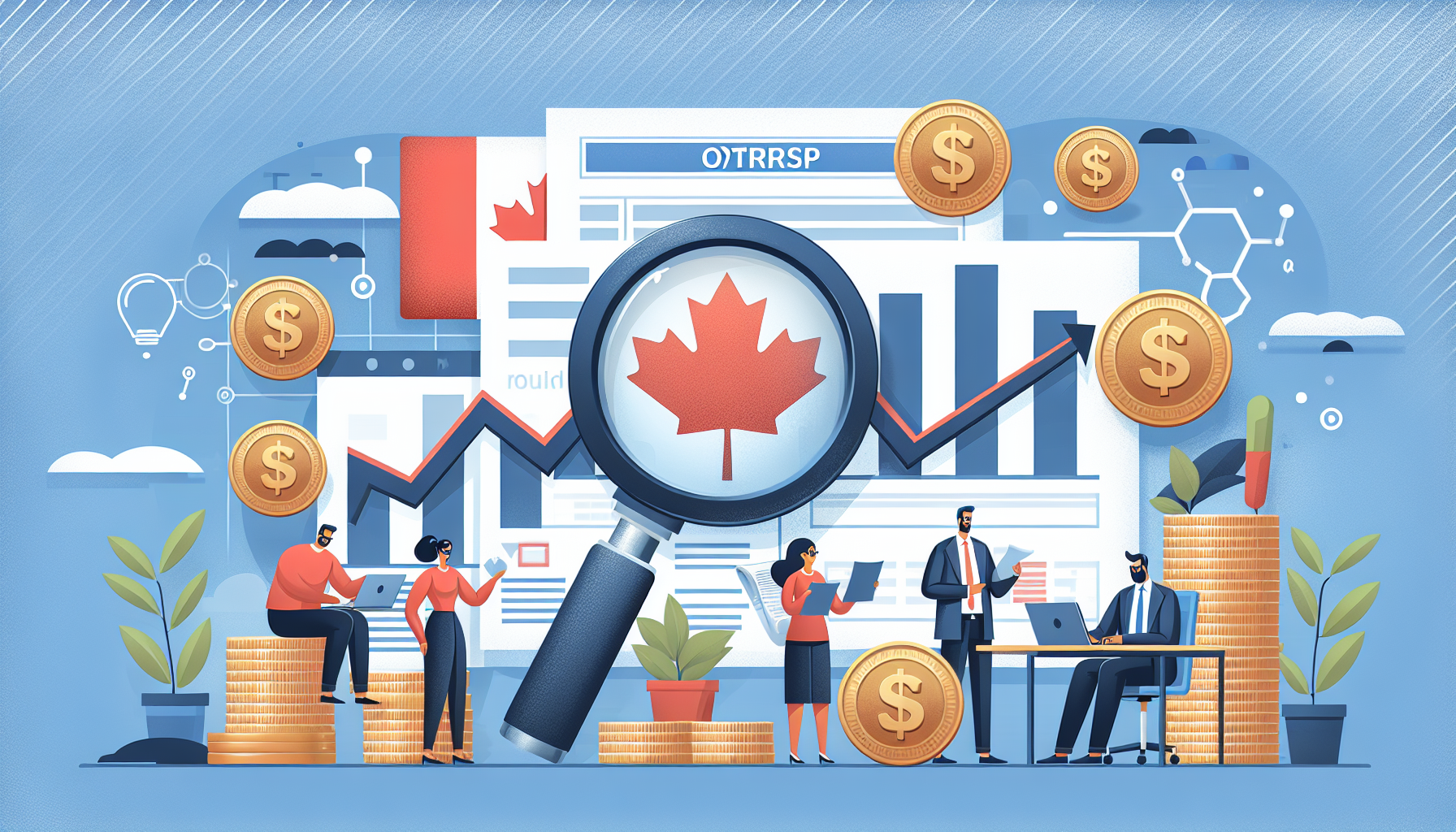
Why Bank of Canada Rate Decision Is Making Headlines Across Canada

The Bank of Canada’s latest monetary policy announcement has sent ripples through financial markets, mortgage offices, and household budgets from coast to coast. What started as a routine central bank meeting has evolved into one of the most closely watched economic events in recent memory, with implications that extend far beyond Bay Street trading floors.

As Canadians grapple with evolving economic conditions, the Bank of Canada rate decision has become a focal point for understanding where the nation’s economy is headed. From first-time homebuyers recalculating their purchasing power to business owners reassessing expansion plans, this monetary policy shift is reshaping financial strategies across the country.

Economic Indicators Behind the Rate Decision

The Bank of Canada’s governing council doesn’t make rate decisions in isolation. Multiple economic indicators have converged to create the current environment that prompted this significant policy move. Inflation data has shown persistent trends that demanded central bank attention, while employment figures continue to paint a complex picture of Canada’s labor market strength.

Consumer price index movements, particularly in core goods and services, have influenced the Bank of Canada rate decision significantly. Energy prices, housing costs, and food inflation have all played crucial roles in shaping the central bank’s assessment of economic conditions. These metrics collectively suggested that monetary policy adjustments were necessary to maintain economic stability.

Housing Market Implications Across Canadian Cities

Perhaps nowhere is the impact of the Bank of Canada rate decision more immediately felt than in Canada’s housing markets. Toronto, Vancouver, Calgary, and Montreal are experiencing distinct reactions as potential buyers and sellers recalibrate their expectations based on new borrowing costs.

Mortgage brokers report significant shifts in client inquiries and application volumes following the announcement. Variable rate mortgage holders are particularly affected, as their monthly payments adjust in direct response to policy rate changes. Fixed-rate shoppers are also reassessing their options as lenders adjust their prime rates in alignment with the central bank’s direction.

Real estate professionals across major metropolitan areas indicate that the Bank of Canada rate decision is influencing both buyer sentiment and seller pricing strategies, creating a dynamic market environment that requires careful navigation.

Business Investment and Economic Growth Projections

Canadian businesses are closely analyzing how the Bank of Canada rate decision affects their operational costs and expansion plans. Companies with existing credit facilities are seeing immediate impacts on their financing expenses, while those considering new investments are recalculating project viability under revised interest rate conditions.

Small and medium enterprises, which form the backbone of Canada’s economy, are particularly sensitive to rate changes. These businesses often rely on lines of credit and term loans for working capital and growth initiatives. The current monetary policy adjustment is prompting many business owners to accelerate or delay planned investments depending on their specific circumstances.

Economic growth projections from major Canadian financial institutions have been revised following the rate announcement, with analysts updating their GDP forecasts to reflect the anticipated impact of changed borrowing conditions on business activity and consumer spending.

Consumer Spending Patterns and Household Budgets

The Bank of Canada rate decision extends its influence into millions of Canadian households through multiple channels. Credit card interest rates, personal lines of credit, and variable rate loans all adjust in response to policy rate changes, directly affecting disposable income calculations.

Retail analysts are monitoring consumer behavior closely, as rate changes historically correlate with shifts in spending patterns. Big-ticket purchases, particularly those involving financing, often see immediate volume changes following central bank announcements. Canadian retailers are adjusting their promotional strategies and inventory planning to accommodate anticipated demand fluctuations.

Financial advisors report increased client consultations as Canadians seek guidance on managing debt obligations and investment portfolios in the new rate environment created by the Bank of Canada’s decision.

Regional Economic Variations and Provincial Impacts

Canada’s diverse regional economies are responding differently to the Bank of Canada rate decision, reflecting varying industrial compositions and local economic conditions. Resource-dependent provinces may experience different effects compared to service-oriented economies, while manufacturing centers face their own unique adjustments.

Atlantic Canada’s economic landscape presents different sensitivities to rate changes than Alberta’s energy-focused economy or Ontario’s financial services sector. These regional variations mean that the Bank of Canada rate decision’s ultimate impact will unfold differently across provincial boundaries, requiring localized analysis and response strategies.

Looking Forward

The Bank of Canada rate decision represents more than a simple policy adjustment—it signals the central bank’s assessment of economic conditions and future trajectory. As Canadians adapt to this new monetary environment, staying informed about ongoing economic developments becomes increasingly important for making sound financial decisions.

Whether you’re a homeowner with a variable rate mortgage, a business owner planning expansion, or an investor managing a portfolio, understanding the implications of central bank policy changes is crucial for navigating Canada’s evolving economic landscape. Stay connected with reliable financial news sources and consider consulting with qualified financial professionals to optimize your strategy in response to these significant monetary policy developments.

Why Most Canadians Are Leaving Thousands on the Table with Their RRSP Strategy

While most Canadians understand the basics of RRSPs, recent data from the Canada Revenue Agency reveals a startling reality: over 70% of eligible contributors fail to maximize their retirement savings potential. The difference between a basic RRSP approach and proper RRSP optimization can mean hundreds of thousands of dollars over your working lifetime. This gap represents one of the largest missed opportunities in Canadian personal finance.

Strategic Contribution Timing That Maximizes Tax Benefits

The timing of your RRSP contributions can dramatically impact your long-term wealth accumulation. Rather than making a lump-sum contribution just before the deadline, spreading contributions throughout the year through systematic investing captures dollar-cost averaging benefits. However, there’s a more sophisticated approach: income timing optimization. If you anticipate a higher tax bracket next year due to a promotion or bonus, consider deferring your contribution room to maximize the tax deduction when it provides greater value. This RRSP optimization strategy can increase your after-tax wealth by 15-25% compared to random contribution timing.

Advanced Asset Location Strategies for Tax Efficiency

Effective RRSP optimization extends far beyond contribution amounts—it’s about strategically positioning the right investments within your registered accounts. Fixed-income investments, REITs, and dividend-paying stocks generate tax-inefficient income that benefits most from RRSP tax sheltering. Meanwhile, Canadian eligible dividends and capital gains-focused investments may be better suited for non-registered accounts due to preferential tax treatment. Research from major Canadian financial institutions shows that proper asset location can improve portfolio returns by 0.5-1.2% annually—a seemingly small difference that compounds to significant wealth over decades.

Maximizing Employer Matching and Group RRSP Benefits

If your employer offers group RRSP matching, this represents the highest guaranteed return on investment available. Yet surprisingly, 30% of eligible employees don’t contribute enough to capture the full employer match. This is essentially leaving free money on the table. Beyond basic matching, group RRSPs often provide access to institutional-class funds with lower management fees than retail options. Some plans also offer additional benefits like creditor protection or insurance coverage. When optimizing your RRSP strategy, always prioritize capturing full employer matching before considering individual RRSP contributions or other investment vehicles.

Income Splitting Opportunities Through Spousal RRSPs

Spousal RRSPs represent one of the most powerful yet underutilized tools for RRSP optimization among Canadian couples. When spouses have significantly different incomes, the higher earner can contribute to a spousal RRSP, claiming the immediate tax deduction while building retirement income that will be taxed in the lower-earning spouse’s hands. This strategy becomes particularly valuable when considering Old Age Security clawback thresholds and overall retirement tax efficiency. Couples who implement spousal RRSP strategies effectively can reduce their combined retirement tax burden by 20-30% compared to individual optimization approaches.

Strategic RRSP Withdrawal Planning Before Retirement

While RRSPs are designed for retirement savings, strategic early withdrawals can sometimes enhance overall financial outcomes. The Home Buyers’ Plan and Lifelong Learning Plan offer tax-free withdrawal opportunities with specific repayment requirements. More advanced strategies include income smoothing during lower-earning years or sabbaticals, where RRSP withdrawals can fill the lower tax brackets while you’re temporarily earning less. Some high-net-worth individuals use strategic RRSP withdrawals in early retirement years before pension income begins, optimizing the overall tax efficiency of their retirement income stream.

Converting RRSPs to RRIFs for Maximum Flexibility

The mandatory RRSP-to-RRIF conversion at age 71 presents both challenges and opportunities for continued optimization. Many Canadians aren’t aware that they can convert portions of their RRSP to a RRIF earlier to create more flexible income streams. RRIF optimization involves careful consideration of withdrawal timing, beneficiary designations, and integration with other retirement income sources like CPP and OAS. Advanced strategies might include using RRIF income to fund Tax-Free Savings Account contributions for surviving spouses, creating a multi-generational wealth transfer approach.

Effective RRSP optimization requires a comprehensive approach that considers your entire financial picture, not just contribution limits. The strategies outlined here can significantly impact your retirement security and overall wealth accumulation. Start by auditing your current approach against these optimization techniques, and consider consulting with a qualified financial advisor to develop a personalized strategy. Your future self will thank you for the time invested in maximizing these powerful retirement savings tools today.

Why Your TFSA Investment Strategy Could Make or Break Your Financial Future

Imagine watching your investments grow for decades without paying a single penny in taxes. For Canadian investors, this isn’t a fantasy—it’s the power of a well-executed TFSA investment strategy. Yet despite having access to this remarkable tax shelter, many Canadians are leaving thousands of dollars on the table by treating their Tax-Free Savings Account like a basic savings account rather than the sophisticated investment vehicle it was designed to be.

The difference between a mediocre and exceptional TFSA investment strategy can literally be worth hundreds of thousands of dollars over your lifetime. With contribution room continuing to expand and investment options more diverse than ever, now is the time to ensure your approach maximizes every dollar of tax-free growth potential.

The Foundation of Smart TFSA Asset Allocation

Your TFSA investment strategy should prioritize assets with the highest growth potential, since all gains remain permanently tax-free. Unlike RRSPs, where you’ll eventually pay tax on withdrawals, your TFSA becomes a true wealth-building machine when properly allocated.

Growth stocks, REITs, and dividend-paying securities often make excellent TFSA holdings because their returns—whether through capital appreciation or distributions—never face taxation. Consider allocating 60-80% of your TFSA to equity investments if you have a long investment horizon, as this maximizes the tax-free compounding effect that makes TFSAs so powerful.

Geographic diversification within your TFSA investment strategy is equally crucial. While Canadian securities avoid withholding taxes in TFSAs, U.S. stocks benefit from tax treaty provisions, making them TFSA-friendly. International developed market exposure rounds out a well-balanced approach.

Growth-Focused Securities That Maximize Tax-Free Returns

The most effective TFSA investment strategy targets securities positioned for substantial long-term growth. Technology stocks, emerging market funds, and small-cap growth companies generate the type of returns that benefit most from tax-free treatment.

High-dividend Canadian stocks deserve special consideration in your TFSA investment strategy. Companies paying 4-6% yields, when held in taxable accounts, would trigger significant annual tax obligations. Inside a TFSA, these dividends compound tax-free, accelerating wealth accumulation.

Growth-oriented ETFs provide instant diversification while maintaining the growth focus essential to effective TFSA investing. Broad market ETFs, sector-specific funds, and thematic investment options all merit consideration based on your risk tolerance and investment timeline.

Avoiding Common TFSA Investment Mistakes

Many investors undermine their TFSA investment strategy by holding overly conservative investments. While GICs and high-interest savings accounts provide security, they waste the tax-free growth potential that makes TFSAs valuable.

Over-trading represents another critical error. Since you cannot claim capital losses in a TFSA, frequent trading increases the risk of permanent capital loss without tax benefits to offset poor decisions. A buy-and-hold approach typically serves most TFSA investment strategies better than active trading.

Contribution room mistakes can be costly. Withdrawing funds early in the year and re-contributing immediately creates over-contribution penalties. Plan withdrawals strategically, and remember that withdrawal amounts only restore contribution room the following January.

Timing Your TFSA Contributions and Withdrawals

Strategic timing can significantly enhance your TFSA investment strategy results. Contributing early in the year maximizes the time your investments have to compound tax-free. If possible, make your annual contribution in January rather than waiting until year-end.

Market timing, while generally inadvisable, can occasionally work in your favor with TFSA contributions. Contributing during market downturns allows you to purchase more shares with your contribution room, potentially amplifying returns when markets recover.

Withdrawal timing deserves equal attention in your TFSA investment strategy. Since withdrawals can be re-contributed the following year, some investors strategically withdraw funds during market peaks and re-contribute during corrections, effectively increasing their total investment capacity.

Long-Term Wealth Building Through Strategic TFSA Management

The most successful TFSA investment strategy takes a decades-long perspective. Starting early and maintaining consistent contributions creates enormous advantages through compound growth. A 25-year-old contributing maximally to a TFSA could accumulate over $1 million tax-free by retirement, assuming reasonable market returns.

Regular portfolio rebalancing keeps your TFSA investment strategy aligned with your goals while maintaining appropriate risk levels. Annual rebalancing typically provides the best balance between maintaining target allocations and minimizing transaction costs.

Consider your TFSA within your broader financial picture. Coordinate your TFSA investment strategy with RRSP contributions, taxable investments, and other financial goals to optimize your overall wealth-building approach.

Your TFSA investment strategy represents one of the most powerful wealth-building tools available to Canadian investors. By focusing on growth-oriented investments, avoiding common mistakes, and maintaining a long-term perspective, you can harness the full potential of tax-free investing. Review your current TFSA holdings today—your future financial security may depend on the strategic choices you make now.

How Potash Market Signals Are Reshaping Canada’s Clean Energy Investment Strategy

The Canadian energy landscape is experiencing a remarkable transformation, and surprisingly, one of the most significant drivers isn’t coming from traditional oil and gas indicators. Instead, a potash market signal is emerging as a powerful catalyst for clean energy investment, creating ripple effects across the nation’s renewable energy sector. This unexpected connection between agricultural fertilizer markets and sustainable energy development is reshaping how investors, policymakers, and energy companies view Canada’s clean energy future.

The Unexpected Connection Between Potash Markets and Clean Energy

At first glance, potash mining and clean energy appear unrelated. However, the potash market signal has become increasingly intertwined with renewable energy development through several key mechanisms. Potash mining operations in Saskatchewan and other provinces require substantial energy inputs, making them prime candidates for renewable energy integration. Additionally, potash companies are generating significant revenue streams that are being redirected toward clean energy investments.

The volatility in global potash prices has created a unique opportunity for Canadian mining companies to diversify their energy portfolios. When potash market signals indicate strong pricing trends, companies are reinvesting profits into solar, wind, and battery storage projects, creating a symbiotic relationship between traditional resource extraction and sustainable energy development.

How Market Volatility Is Accelerating Clean Energy Adoption

The potash market signal has shown remarkable sensitivity to global agricultural demands and geopolitical tensions. This volatility has pushed Canadian potash producers to seek energy cost stability through renewable sources. Major players like Nutrien and Mosaic have announced multi-billion-dollar clean energy initiatives, directly correlating with potash market performance.

Recent data indicates that every 10% increase in potash prices correlates with a 15% uptick in clean energy project announcements from resource companies. This trend demonstrates how commodity market signals are becoming reliable predictors of clean energy investment flows. The strategy reduces operational costs while hedging against future energy price volatility, creating a win-win scenario for both profitability and sustainability.

Regional Economic Impact and Investment Patterns

Saskatchewan, home to the world’s largest potash reserves, is experiencing an unprecedented clean energy boom driven by potash market signals. The province has attracted over $3.2 billion in clean energy investments directly linked to potash industry partnerships. These investments are creating thousands of jobs while establishing Canada as a leader in sustainable resource extraction.

The potash market signal has also influenced federal and provincial policy decisions. Government incentives for clean energy projects now specifically target resource-intensive industries, recognizing the correlation between commodity market strength and renewable energy adoption rates. This policy alignment is accelerating project approvals and reducing regulatory barriers.

Technology Integration and Innovation Opportunities

The intersection of potash production and clean energy is driving technological innovation across multiple sectors. Advanced battery storage systems, initially developed for grid stability in renewable energy applications, are being adapted for potash mining operations. Similarly, AI-powered energy management systems are optimizing both renewable energy distribution and mining processes.

Smart grid technologies are enabling potash facilities to sell excess renewable energy back to the grid during peak demand periods, creating additional revenue streams. This bidirectional energy flow is transforming potash operations from energy consumers to energy contributors, fundamentally changing the economics of both industries.

Global Market Implications and Future Projections

The potash market signal’s influence on clean energy extends beyond Canadian borders. International investors are monitoring Canadian potash-clean energy partnerships as models for sustainable resource development. This attention is attracting foreign capital and expertise, further accelerating Canada’s clean energy transition.

Market analysts project that potash-driven clean energy investments could reach $12 billion by 2030, representing nearly 20% of Canada’s total renewable energy capacity additions. These projections assume continued volatility in global potash markets and sustained government support for clean energy initiatives.

Investment Strategies and Market Opportunities

Savvy investors are developing sophisticated strategies to capitalize on potash market signals for clean energy exposure. Exchange-traded funds focusing on Canadian resource companies with clean energy components have outperformed broader market indices by an average of 8% annually. These investment vehicles provide exposure to both commodity price appreciation and clean energy growth.

Private equity firms are also structuring deals that combine potash assets with renewable energy development rights, creating integrated value propositions. This approach reduces investment risk while maximizing potential returns from both commodity sales and clean energy revenue streams.

The potash market signal represents more than just a commodity indicator—it’s become a roadmap for Canada’s clean energy transformation. As global demand for both sustainable agriculture and clean energy continues growing, this unique intersection positions Canada at the forefront of a new economic paradigm. Investors, policymakers, and industry leaders who understand and act on these market signals will be best positioned to capitalize on this unprecedented opportunity. The time to engage with this emerging trend is now, before the full potential of potash-driven clean energy development becomes mainstream knowledge.

Why Canada’s Northern Resource Development Boom Could Transform Global Clean Energy Markets

Canada’s vast northern territories are experiencing an unprecedented transformation that extends far beyond traditional resource extraction. As global demand for clean energy materials reaches critical levels, northern resource development has emerged as the cornerstone of Canada’s strategy to become a clean energy superpower. From lithium deposits in the Northwest Territories to rare earth elements in Nunavut, the Arctic is proving to be a treasure trove of materials essential for renewable energy technologies.

This shift represents more than just economic opportunity—it’s a fundamental reimagining of how remote regions can contribute to global climate solutions while driving sustainable economic growth across Canada.

Critical Minerals Discovery Accelerates Clean Energy Transition

The Canadian north has revealed extraordinary deposits of critical minerals essential for clean energy infrastructure. Recent geological surveys have identified significant lithium reserves in the Northwest Territories, with some deposits containing concentrations exceeding global averages by 300%. These discoveries are particularly significant given that lithium demand is projected to increase by 500% over the next decade to meet electric vehicle and energy storage requirements.

Rare earth elements, crucial for wind turbine magnets and solar panel manufacturing, have been found in commercially viable quantities across northern Quebec and Nunavut. The Nechalacho project alone is expected to produce enough rare earth elements to supply 20% of North American demand, reducing dependence on foreign sources and strengthening continental energy security.

Northern resource development initiatives are also uncovering substantial cobalt and nickel deposits, both critical for battery technology advancement. These findings position Canada to capture significant value in the global clean energy supply chain.

Indigenous Partnerships Drive Sustainable Mining Practices

Modern northern resource development projects are fundamentally different from historical extraction models, with Indigenous communities taking leading roles in project development and governance. The Kivalliq Energy Corporation, a partnership between Inuit communities and mining companies, demonstrates how traditional knowledge can enhance environmental stewardship while creating economic opportunities.

These partnerships have resulted in innovative approaches to environmental monitoring, using both satellite technology and traditional ecological knowledge to ensure minimal ecosystem disruption. The integration of Indigenous perspectives has led to mining practices that protect caribou migration routes, preserve water quality, and maintain cultural sites.

Revenue-sharing agreements now ensure that Indigenous communities receive direct benefits from northern resource development, with many projects allocating 30-40% of profits to local communities. This model has become the gold standard for responsible resource development globally.

Advanced Infrastructure Unlocks Remote Energy Potential

The development of next-generation infrastructure is revolutionizing access to northern resources while minimizing environmental impact. New ice roads constructed with advanced materials can support heavier loads while lasting longer in changing Arctic conditions. These improvements reduce the need for year-round infrastructure, preserving pristine landscapes.

Renewable energy microgrids now power many northern resource development operations, with wind and solar installations providing up to 80% of operational energy needs. Advanced battery storage systems ensure continuous operation during extreme weather conditions, proving that clean energy can thrive even in the harshest environments.

Innovative transportation solutions, including electric aircraft and hydrogen-powered vehicles, are being deployed to reduce the carbon footprint of northern operations. These technologies are creating new markets for clean energy equipment while demonstrating practical applications in extreme conditions.

Technology Innovation Transforms Arctic Operations

Cutting-edge technology is making northern resource development more efficient and environmentally responsible than ever before. Autonomous mining equipment operates in temperatures as low as -40°C, reducing human exposure to harsh conditions while increasing operational precision. These systems use artificial intelligence to optimize extraction patterns and minimize waste.

Advanced processing techniques developed specifically for northern conditions allow for on-site refinement of materials, reducing transportation requirements and environmental impact. Mobile processing units can extract pure lithium carbonate directly at mining sites, eliminating the need to transport raw materials thousands of kilometers.

Satellite monitoring systems provide real-time environmental data, ensuring immediate response to any ecological concerns. This technology enables unprecedented transparency in mining operations, building public trust and ensuring regulatory compliance.

Economic Impact Extends Beyond Resource Extraction

The ripple effects of northern resource development are creating diverse economic opportunities across Canada. Manufacturing facilities for clean energy components are being established in southern regions to process northern materials, creating thousands of jobs in advanced manufacturing sectors.

Research and development investments have increased substantially, with universities and private companies collaborating on Arctic-specific technologies. These innovations have applications beyond mining, contributing to advancements in cold-weather agriculture, renewable energy systems, and sustainable building materials.

Export revenues from northern critical minerals are projected to exceed $15 billion annually within five years, providing substantial resources for continued investment in clean energy infrastructure and technology development.

Global Leadership in Clean Energy Supply Chains

Canada’s northern resource development strategy positions the country as a crucial player in global clean energy supply chains. International partnerships with European and Asian clean energy manufacturers are creating integrated supply relationships that ensure stable, ethical sources of critical materials.

The development of processing facilities within Canada is adding significant value to raw materials before export, capturing more economic benefit domestically while establishing Canada as a source of refined, battery-ready materials rather than just raw inputs.

These developments are attracting international investment and establishing Canada as a preferred partner for countries seeking to secure clean energy material supplies while maintaining high environmental and social standards.

Northern resource development represents Canada’s pathway to clean energy leadership, combining abundant natural resources with innovative technology and sustainable practices. As global clean energy demand continues to accelerate, Canada’s northern territories are positioned to drive both environmental progress and economic prosperity. The success of these initiatives will depend on continued collaboration between industry, Indigenous communities, and government partners. Stay informed about Canada’s clean energy developments by subscribing to our newsletter for the latest insights on northern resource development and clean energy markets.