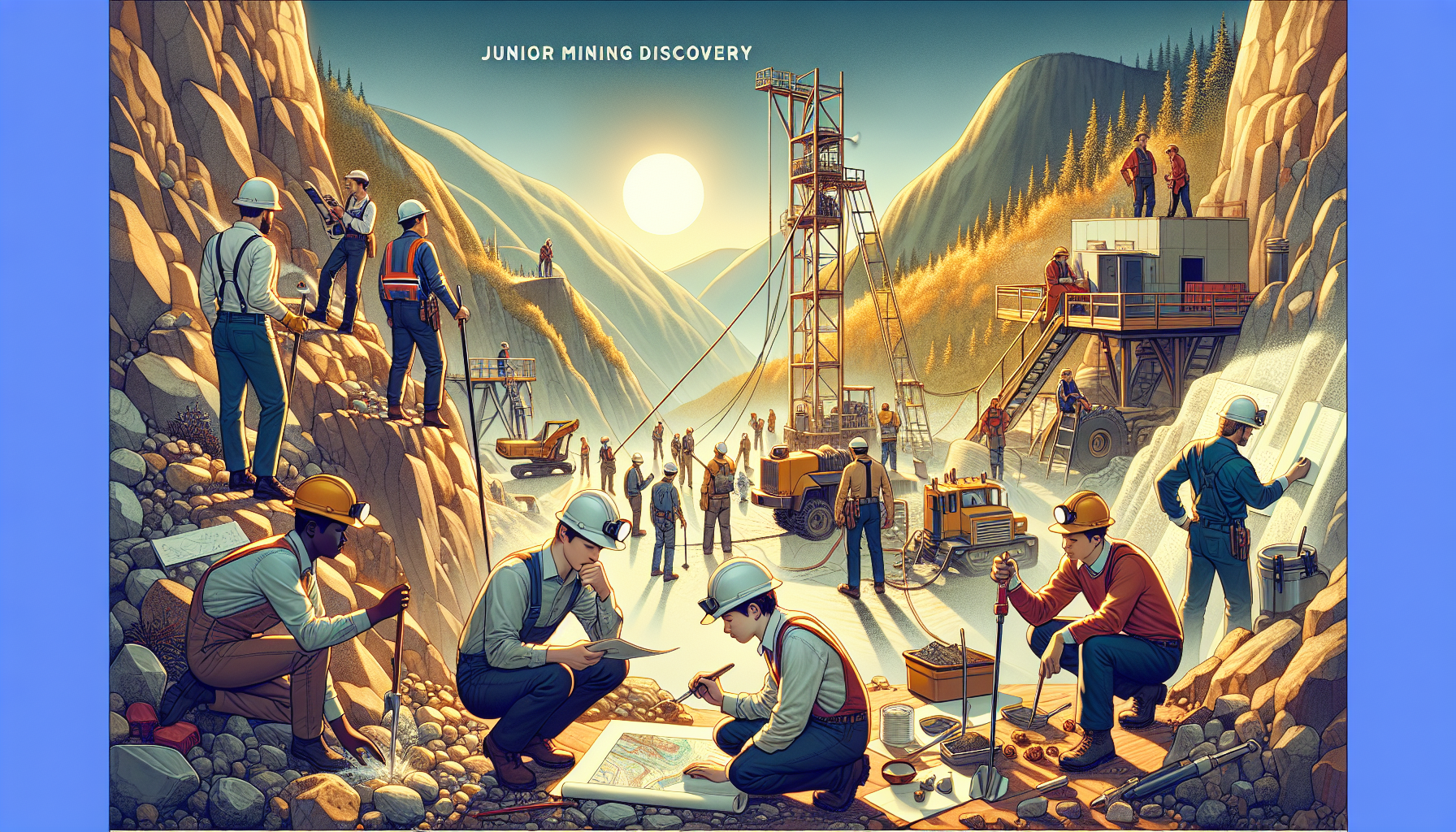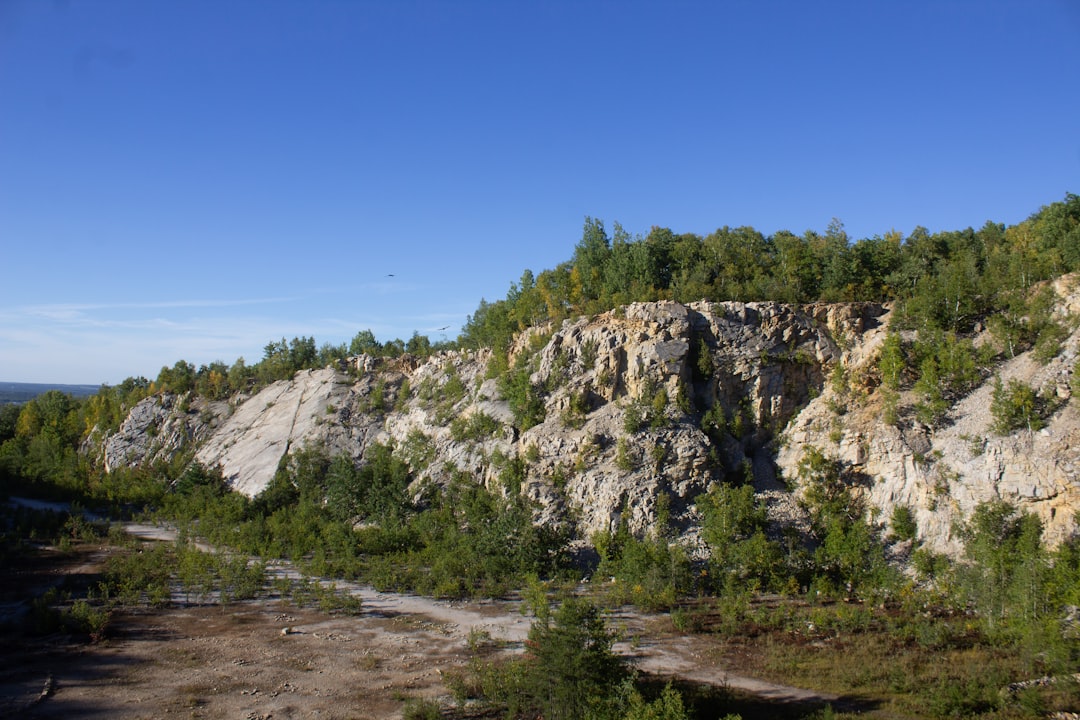
Canada’s vast northern territories are experiencing an unprecedented transformation that extends far beyond traditional resource extraction. As global demand for clean energy materials reaches critical levels, northern resource development has emerged as the cornerstone of Canada’s strategy to become a clean energy superpower. From lithium deposits in the Northwest Territories to rare earth elements in Nunavut, the Arctic is proving to be a treasure trove of materials essential for renewable energy technologies.
This shift represents more than just economic opportunity—it’s a fundamental reimagining of how remote regions can contribute to global climate solutions while driving sustainable economic growth across Canada.
Critical Minerals Discovery Accelerates Clean Energy Transition
The Canadian north has revealed extraordinary deposits of critical minerals essential for clean energy infrastructure. Recent geological surveys have identified significant lithium reserves in the Northwest Territories, with some deposits containing concentrations exceeding global averages by 300%. These discoveries are particularly significant given that lithium demand is projected to increase by 500% over the next decade to meet electric vehicle and energy storage requirements.
Rare earth elements, crucial for wind turbine magnets and solar panel manufacturing, have been found in commercially viable quantities across northern Quebec and Nunavut. The Nechalacho project alone is expected to produce enough rare earth elements to supply 20% of North American demand, reducing dependence on foreign sources and strengthening continental energy security.
Northern resource development initiatives are also uncovering substantial cobalt and nickel deposits, both critical for battery technology advancement. These findings position Canada to capture significant value in the global clean energy supply chain.
Indigenous Partnerships Drive Sustainable Mining Practices
Modern northern resource development projects are fundamentally different from historical extraction models, with Indigenous communities taking leading roles in project development and governance. The Kivalliq Energy Corporation, a partnership between Inuit communities and mining companies, demonstrates how traditional knowledge can enhance environmental stewardship while creating economic opportunities.
These partnerships have resulted in innovative approaches to environmental monitoring, using both satellite technology and traditional ecological knowledge to ensure minimal ecosystem disruption. The integration of Indigenous perspectives has led to mining practices that protect caribou migration routes, preserve water quality, and maintain cultural sites.
Revenue-sharing agreements now ensure that Indigenous communities receive direct benefits from northern resource development, with many projects allocating 30-40% of profits to local communities. This model has become the gold standard for responsible resource development globally.
Advanced Infrastructure Unlocks Remote Energy Potential
The development of next-generation infrastructure is revolutionizing access to northern resources while minimizing environmental impact. New ice roads constructed with advanced materials can support heavier loads while lasting longer in changing Arctic conditions. These improvements reduce the need for year-round infrastructure, preserving pristine landscapes.
Renewable energy microgrids now power many northern resource development operations, with wind and solar installations providing up to 80% of operational energy needs. Advanced battery storage systems ensure continuous operation during extreme weather conditions, proving that clean energy can thrive even in the harshest environments.
Innovative transportation solutions, including electric aircraft and hydrogen-powered vehicles, are being deployed to reduce the carbon footprint of northern operations. These technologies are creating new markets for clean energy equipment while demonstrating practical applications in extreme conditions.
Technology Innovation Transforms Arctic Operations
Cutting-edge technology is making northern resource development more efficient and environmentally responsible than ever before. Autonomous mining equipment operates in temperatures as low as -40°C, reducing human exposure to harsh conditions while increasing operational precision. These systems use artificial intelligence to optimize extraction patterns and minimize waste.
Advanced processing techniques developed specifically for northern conditions allow for on-site refinement of materials, reducing transportation requirements and environmental impact. Mobile processing units can extract pure lithium carbonate directly at mining sites, eliminating the need to transport raw materials thousands of kilometers.
Satellite monitoring systems provide real-time environmental data, ensuring immediate response to any ecological concerns. This technology enables unprecedented transparency in mining operations, building public trust and ensuring regulatory compliance.
Economic Impact Extends Beyond Resource Extraction
The ripple effects of northern resource development are creating diverse economic opportunities across Canada. Manufacturing facilities for clean energy components are being established in southern regions to process northern materials, creating thousands of jobs in advanced manufacturing sectors.
Research and development investments have increased substantially, with universities and private companies collaborating on Arctic-specific technologies. These innovations have applications beyond mining, contributing to advancements in cold-weather agriculture, renewable energy systems, and sustainable building materials.
Export revenues from northern critical minerals are projected to exceed $15 billion annually within five years, providing substantial resources for continued investment in clean energy infrastructure and technology development.
Global Leadership in Clean Energy Supply Chains
Canada’s northern resource development strategy positions the country as a crucial player in global clean energy supply chains. International partnerships with European and Asian clean energy manufacturers are creating integrated supply relationships that ensure stable, ethical sources of critical materials.
The development of processing facilities within Canada is adding significant value to raw materials before export, capturing more economic benefit domestically while establishing Canada as a source of refined, battery-ready materials rather than just raw inputs.
These developments are attracting international investment and establishing Canada as a preferred partner for countries seeking to secure clean energy material supplies while maintaining high environmental and social standards.
Northern resource development represents Canada’s pathway to clean energy leadership, combining abundant natural resources with innovative technology and sustainable practices. As global clean energy demand continues to accelerate, Canada’s northern territories are positioned to drive both environmental progress and economic prosperity. The success of these initiatives will depend on continued collaboration between industry, Indigenous communities, and government partners. Stay informed about Canada’s clean energy developments by subscribing to our newsletter for the latest insights on northern resource development and clean energy markets.