commodity outlook

Smart Canadians Leverage Agricultural Commodity Outlook Data to Build Wealth

Canadian investors are discovering a powerful yet often overlooked tool for enhancing their personal financial strategies: agricultural commodity outlook data. While many focus solely on traditional stocks and bonds, those who understand commodity trends are positioning themselves to benefit from one of the world’s most fundamental economic sectors.

The agricultural commodity outlook provides crucial insights into price movements for essential goods like wheat, canola, soybeans, and livestock. For Canadian investors, this information represents more than market data—it’s a roadmap to understanding inflation trends, currency movements, and economic cycles that directly impact personal wealth. Canada’s position as a major agricultural exporter means domestic commodity trends often mirror global patterns, creating unique opportunities for informed investors.

Understanding commodity cycles helps Canadians make smarter investment decisions across their entire portfolio. When agricultural commodity outlook reports indicate rising grain prices, for example, this often signals broader inflationary pressures that could erode the purchasing power of cash savings. Smart investors respond by adjusting their asset allocation toward inflation-protected securities, real estate investment trusts, or commodity-linked exchange-traded funds.

The connection between commodity trends and the Canadian dollar creates additional opportunities for strategic financial planning. A positive agricultural commodity outlook typically strengthens the loonie, affecting everything from international vacation budgets to cross-border investment returns. Canadians who monitor these patterns can time major purchases, refinance decisions, and currency exchanges more effectively.

Direct commodity investing through futures contracts remains complex for most individual investors, but modern financial products make commodity exposure more accessible. Agricultural ETFs, resource sector stocks, and farmland investment trusts allow Canadians to benefit from favorable commodity trends without specialized knowledge of futures markets. The key lies in understanding how agricultural commodity outlook data translates into these investment vehicles’ performance.

Geographic diversification within Canada also benefits from commodity awareness. Provinces with strong agricultural sectors often see economic growth during favorable commodity cycles, creating opportunities in regional real estate markets, provincial bonds, and local business investments. The agricultural commodity outlook helps identify which regions might outperform during specific economic cycles.

Food inflation represents another critical personal finance consideration tied to commodity trends. When agricultural commodity outlook reports suggest rising input costs or supply constraints, Canadian households can anticipate higher grocery bills months in advance. This foresight enables better budgeting decisions, strategic bulk purchasing, and adjustments to discretionary spending categories.

Tax planning strategies also benefit from commodity market awareness. Capital gains from commodity-related investments may qualify for favorable tax treatment, while understanding agricultural cycles helps time the realization of gains and losses for optimal tax efficiency. Canadian tax rules around commodity investments offer specific advantages that savvy investors can leverage.

Risk management becomes more sophisticated when incorporating agricultural commodity outlook data into personal financial planning. Commodities often move independently of traditional financial assets, providing natural portfolio diversification. During periods of stock market volatility, agricultural commodities may offer stability or even profits, helping preserve wealth when conventional investments struggle.

The most successful Canadian investors view agricultural commodity outlook information as part of a comprehensive financial intelligence system. Rather than making dramatic portfolio shifts based on short-term commodity movements, they use this data to make incremental adjustments that compound over time. This approach transforms commodity awareness from speculation into strategic wealth building, positioning portfolios to benefit from Canada’s agricultural strengths while maintaining prudent risk management across all economic cycles.
Smart Investors Track Agricultural Commodity Outlook to Navigate Market Volatility

Canadian investors who overlook the agricultural commodity outlook do so at their own peril. From pension funds to individual portfolios, agricultural commodities represent a critical component that can either bolster returns or create unexpected headwinds. The interconnected nature of global food systems, climate patterns, and economic cycles means that understanding commodity trends has become essential for portfolio management success.

Agricultural markets influence far more than just farming stocks. Food processing giants, transportation companies, fertilizer manufacturers, and even technology firms serving the agricultural sector all respond to commodity price movements. When wheat prices surge due to drought conditions or geopolitical tensions, the ripple effects extend through supply chains, affecting everything from restaurant margins to consumer spending patterns. This cascading impact makes the agricultural commodity outlook a valuable predictor of broader economic trends.

The Canadian economy maintains particularly strong ties to agricultural production, with prairie provinces contributing significantly to global grain exports. Canola, wheat, and barley prices directly impact regional economic health, which in turn affects real estate values, employment rates, and local business performance. Investors holding Canadian bank stocks, for instance, benefit from understanding how commodity cycles affect lending portfolios in agricultural regions.

Currency movements add another layer of complexity to agricultural commodity outlook analysis. Since most commodities trade in US dollars, Canadian investors face dual exposure through both commodity price changes and exchange rate fluctuations. A weakening Canadian dollar can boost returns for commodity-focused investments, while simultaneously creating challenges for companies reliant on imported agricultural inputs.

Weather Patterns Drive Long-Term Investment Cycles

Climate variability continues reshaping agricultural commodity outlook projections, creating both opportunities and risks for portfolio managers. Extended drought periods can devastate crop yields while creating price spikes that benefit well-positioned investors. Conversely, ideal growing conditions might depress prices but signal strong fundamental demand satisfaction.

Successful investors recognize that weather-driven commodity volatility follows patterns that extend beyond single growing seasons. Multi-year climate cycles, such as La Niña and El Niño phenomena, create predictable trends in regional precipitation and temperature patterns. These cycles influence planting decisions, crop rotation strategies, and ultimately, supply availability across multiple commodity categories.

Technology adoption in agriculture also affects long-term agricultural commodity outlook considerations. Precision farming techniques, improved seed varieties, and enhanced storage capabilities continue increasing yields while reducing production costs. Investors who understand these technological trends can better anticipate which commodity sectors face structural oversupply versus those maintaining tight supply-demand balances.

Strategic Portfolio Positioning for Commodity Exposure

Direct commodity investment through futures contracts requires specialized knowledge and risk tolerance, but Canadian investors can gain agricultural commodity outlook exposure through multiple channels. Resource-focused mutual funds and exchange-traded funds provide diversified exposure without requiring individual commodity selection expertise. These vehicles often include agricultural producers, food processors, and input suppliers, creating comprehensive sector representation.

Real estate investment trusts focused on farmland offer another approach to agricultural commodity outlook positioning. These investments provide exposure to land value appreciation while generating income through lease payments tied to crop revenues. Farmland values historically correlate with long-term commodity price trends, offering inflation protection and portfolio diversification benefits.

Timing considerations remain crucial for agricultural commodity outlook implementation. Seasonal planting and harvesting cycles create predictable price patterns, while longer-term supply and demand fundamentals drive multi-year trends. Investors who understand both short-term seasonal effects and longer-term structural changes can optimize entry and exit timing for commodity-related positions.

The agricultural commodity outlook serves as both a portfolio diversification tool and an economic indicator that savvy Canadian investors cannot afford to ignore. From direct commodity exposure to indirect benefits through related sectors, understanding agricultural market dynamics enhances investment decision-making across multiple asset classes. As global food demand continues growing while climate challenges intensify, agricultural commodity outlook analysis becomes increasingly valuable for building resilient, profitable portfolios that capitalize on one of humanity’s most fundamental needs.

Smart Investors Know Agricultural Commodity Outlook Drives Canadian Portfolio Performance

Canadian investors who ignore the agricultural commodity outlook do so at their own peril. With agriculture representing a cornerstone of Canada’s economy and commodity markets increasingly volatile, understanding crop forecasts, weather patterns, and global supply chains has become essential for portfolio success. The interconnected nature of modern markets means that a drought in Saskatchewan or changing trade policies can ripple through multiple sectors, affecting everything from fertilizer companies to transportation stocks.

The agricultural commodity outlook serves as a crystal ball for numerous investment opportunities across the Canadian market. When canola prices surge due to strong Asian demand, companies like Nutrien benefit not only from increased fertilizer sales but also from higher margins on their crop nutrition products. Similarly, railway giants CN Rail and CP Kansas City see their grain transportation revenues fluctuate based on harvest projections and export demand. These connections make agricultural forecasting an invaluable tool for identifying both opportunities and risks within a diversified Canadian portfolio.

Weather remains the most unpredictable variable in any agricultural commodity outlook, yet it’s also the most impactful. Prairie drought conditions can decimate wheat and canola yields, sending prices soaring while crushing farming equipment manufacturers like Rocky Mountain Dealerships. Conversely, ideal growing conditions across the Prairies can flood markets with supply, benefiting food processors and exporters while pressuring commodity prices. Canadian investors who track meteorological patterns alongside economic indicators gain a significant advantage in timing their agricultural sector investments.

Global demand patterns significantly influence the agricultural commodity outlook for Canadian exports. China’s appetite for Canadian canola and soybeans creates substantial revenue streams for agricultural producers, while shifts in dietary preferences toward plant-based proteins boost pulse crop values. The ongoing expansion of middle-class populations in emerging markets continues driving protein demand higher, creating long-term tailwinds for Canadian agricultural commodities. Portfolio managers who understand these demographic trends can position themselves in companies poised to benefit from sustained global food demand growth.

Currency fluctuations add another layer of complexity to the agricultural commodity outlook that Canadian investors must navigate carefully. A weakening Canadian dollar makes exports more competitive internationally, boosting revenues for agricultural producers and related businesses. However, this same currency weakness increases costs for imported machinery and inputs, creating margin pressure for farming operations. Savvy investors monitor these currency dynamics alongside commodity prices to identify the companies best positioned to benefit from favorable exchange rate movements.

Technology disruption continues reshaping the agricultural commodity outlook through precision farming, genetic modifications, and supply chain innovations. Canadian companies leading these technological advances often outperform during commodity downturns by maintaining operational efficiency and cost advantages. Investment opportunities emerge in agricultural technology firms, equipment manufacturers embracing automation, and biotechnology companies developing climate-resistant crop varieties. These technology-driven investments provide portfolio diversification while maintaining exposure to agricultural market fundamentals.

Supply chain considerations have gained prominence in agricultural commodity outlook analysis following recent global disruptions. Canadian agricultural products must navigate complex logistics networks to reach international markets, making transportation and storage capacity crucial factors in commodity pricing. Port congestion, railway capacity constraints, and shipping costs all influence the final profitability of agricultural commodities. Investors who understand these supply chain dynamics can better evaluate companies throughout the agricultural value chain.

Seasonal patterns embedded within the agricultural commodity outlook create predictable investment cycles that astute Canadian investors can exploit. Spring planting intentions surveys, summer growing condition reports, and fall harvest estimates provide regular data points for adjusting portfolio allocations. Energy companies often see increased demand during planting and harvesting seasons, while storage and transportation companies benefit during post-harvest periods. Understanding these seasonal patterns helps investors time their entries and exits more effectively.

The agricultural commodity outlook remains an indispensable component of successful Canadian portfolio management, offering insights that extend far beyond farming operations. From energy and transportation to technology and manufacturing, agricultural forecasting provides valuable intelligence for investment decisions across multiple sectors. Canadian investors who integrate commodity outlook analysis into their investment process gain access to a powerful predictive tool that helps navigate market volatility while identifying emerging opportunities in an increasingly complex global economy.

Smart Investors Navigate Agricultural Commodity Markets Using Tax-Advantaged Strategies

Canadian investors seeking exposure to agricultural commodities face a landscape of unprecedented opportunities and challenges. As global food security concerns intensify and climate patterns shift, the agricultural commodity outlook has become increasingly compelling for portfolio diversification. The key lies in strategically positioning these investments within tax-advantaged accounts like Tax-Free Savings Accounts (TFSA) and Registered Retirement Savings Plans (RRSP) to maximize both returns and tax efficiency.

Agricultural commodities represent a distinct asset class that often moves independently of traditional stocks and bonds, making them valuable for risk management. The current agricultural commodity outlook suggests several factors driving long-term growth potential. Population expansion continues to fuel demand for food products, while arable land remains finite. Additionally, emerging markets are experiencing rising protein consumption as middle-class populations grow, creating sustained demand for livestock feed grains and oilseeds.

Weather volatility has emerged as a critical factor influencing commodity prices. Recent extreme weather events across major growing regions have highlighted the vulnerability of global food production systems. This volatility creates both risks and opportunities for investors who understand how to navigate agricultural markets effectively. The agricultural commodity outlook indicates that climate resilience will become an increasingly important factor in determining which regions and crops will deliver superior returns.

For Canadian investors, accessing agricultural commodities through tax-advantaged accounts requires careful consideration of available investment vehicles. Exchange-traded funds (ETFs) that track agricultural indices or baskets of commodity futures provide liquid exposure without the complexities of direct commodity ownership. These funds can be held in both TFSA and RRSP accounts, allowing investors to benefit from tax-free growth or tax-deferred accumulation depending on their financial goals and time horizon.

The TFSA strategy works particularly well for investors who anticipate significant commodity appreciation over shorter to medium-term periods. Since withdrawals from TFSA accounts are tax-free, any gains from agricultural commodity investments can be realized without triggering additional tax liability. This makes TFSAs ideal for tactical commodity plays or when the agricultural commodity outlook suggests near-term upside potential due to supply disruptions or demand surges.

RRSP strategies, conversely, benefit investors with longer investment horizons who can tolerate the tax-deferred nature of these accounts. Agricultural commodities held in RRSPs can compound growth over decades, which is particularly relevant given the structural trends supporting the agricultural commodity outlook. As global population growth and climate challenges persist, agricultural investments held in RRSPs can serve as inflation hedges while building retirement wealth.

Diversification within agricultural commodity exposure deserves careful attention. The agricultural commodity outlook varies significantly across different crop types and livestock categories. Grains like wheat and corn face different supply and demand dynamics compared to soft commodities such as coffee or sugar. Protein sources including cattle and hogs respond to distinct market forces. A well-constructed agricultural commodity strategy should balance exposure across these categories to minimize concentration risk while capturing broad-based agricultural trends.

Technology adoption in agriculture is reshaping the agricultural commodity outlook in profound ways. Precision farming techniques, genetic crop improvements, and automated farming equipment are increasing yields while reducing input costs. However, these technological advances require significant capital investment, creating opportunities for investors who can identify companies and regions best positioned to benefit from agricultural innovation. Including agricultural technology stocks alongside direct commodity exposure can enhance overall portfolio performance.

Timing considerations play a crucial role in agricultural commodity investing. Seasonal patterns affect most agricultural products, creating predictable price cycles that savvy investors can exploit. The agricultural commodity outlook often shows distinct patterns related to planting seasons, harvest timing, and storage cycles. Understanding these rhythms allows investors to optimize entry and exit points for their TFSA and RRSP positions.

Risk management remains paramount when incorporating agricultural commodities into tax-advantaged accounts. Commodity markets can experience extreme volatility, and position sizing should reflect this reality. Most financial advisors recommend limiting commodity exposure to 5-10% of total portfolio value, though this allocation can vary based on individual risk tolerance and investment objectives. The agricultural commodity outlook supports this measured approach, as commodities provide valuable diversification benefits without dominating portfolio risk profiles.

The intersection of agricultural investing and tax-advantaged accounts creates compelling opportunities for forward-thinking Canadian investors. As the agricultural commodity outlook continues to reflect strong fundamental demand drivers coupled with supply-side challenges, positioning these investments within TFSA and RRSP structures can significantly enhance after-tax returns. Success requires understanding both agricultural market dynamics and the nuances of tax-advantaged account management, but the potential rewards justify the educational investment for serious long-term investors.

Smart Investors Are Betting Big on Canada’s Copper Mining Renaissance

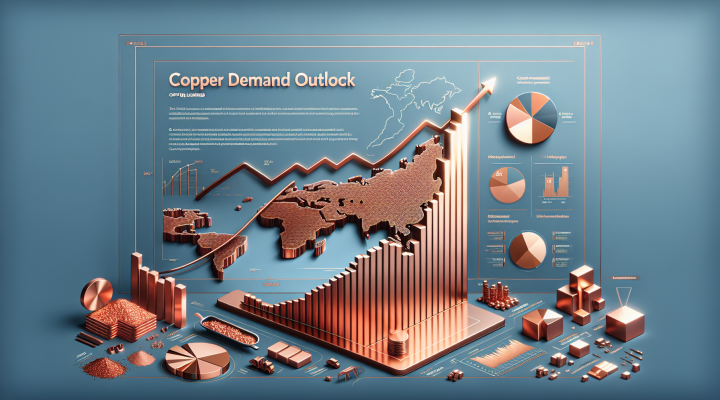
The global shift toward electrification is creating unprecedented opportunities for copper investors, and Canada is positioned to become the epicenter of this transformative trend. As electric vehicles, renewable energy infrastructure, and data centers consume exponentially more copper than their traditional counterparts, the copper demand outlook has never been more compelling for Canadian mining investments.

Canada’s copper resources are vast and strategically located, with proven reserves spanning from British Columbia’s Highland Valley to Quebec’s Abitibi region. The country produces approximately 540,000 tonnes of copper annually, representing roughly 2.5% of global production. However, this figure dramatically understates Canada’s potential as mining companies accelerate exploration and development projects in response to surging demand forecasts.

The International Energy Agency projects that copper demand will double by 2040, driven primarily by the clean energy transition. Electric vehicles require four times more copper than conventional vehicles, while offshore wind installations demand up to five times more copper per megawatt than traditional power plants. This structural shift in demand fundamentally alters the copper demand outlook, creating sustained pricing power for producers and exceptional returns for investors who position themselves early.

Canadian mining companies are capitalizing on this opportunity through strategic expansion and technological innovation. Teck Resources has committed billions to expanding its Highland Valley operations, while Capstone Copper continues developing its Mantoverde project. These investments reflect management confidence in long-term copper prices and recognition that supply constraints will likely persist for decades.

Infrastructure Advantages Position Canada for Success

Canada’s competitive advantages extend far beyond raw mineral deposits. The country’s established mining infrastructure, including rail networks, processing facilities, and deep-water ports, provides cost-effective pathways to global markets. Canadian mines benefit from stable political institutions, transparent regulatory frameworks, and proximity to major North American consumption centers.

Environmental, social, and governance considerations increasingly influence copper sourcing decisions among major industrial buyers. Canadian operations typically exceed international environmental standards while maintaining strong labor practices and community relationships. These factors create premium valuations for Canadian copper in global markets, as buyers prioritize supply chain sustainability alongside cost considerations.

The copper demand outlook also benefits from favorable currency dynamics. A relatively weaker Canadian dollar reduces production costs for domestic miners while maintaining competitive pricing in international markets. This currency advantage, combined with Canada’s low-cost energy resources, particularly hydroelectric power, creates substantial operating leverage for Canadian copper producers.

Investment Implications and Market Timing

Current market conditions present an attractive entry point for copper investments. Despite strong demand fundamentals, many Canadian mining stocks trade at discounts to their historical valuations, reflecting broader market uncertainty rather than company-specific issues. Sophisticated investors recognize this disconnect and are accumulating positions ahead of expected supply-demand imbalances.

The copper market faces significant supply constraints that will likely persist throughout this decade. Major mining projects require 7-15 years from discovery to production, while existing mines face declining ore grades and increased extraction costs. Meanwhile, the copper demand outlook continues strengthening as governments worldwide accelerate clean energy mandates and infrastructure investments.

Canadian pension funds and institutional investors have already begun increasing their commodity allocations, recognizing copper’s role as both an inflation hedge and a structural growth story. Individual investors can access this theme through diversified mining ETFs, individual company stocks, or copper futures, depending on their risk tolerance and investment timeframe.

The convergence of accelerating electrification, constrained global supply, and Canada’s unmatched mining advantages creates a compelling investment thesis that extends well beyond typical commodity cycles. As the world builds the infrastructure for a clean energy future, Canada’s copper resources will play an increasingly vital role, delivering substantial returns for investors who recognize this transformation early. The copper demand outlook represents not just a cyclical opportunity, but a fundamental shift that will define the next decade of Canadian resource investment returns.

Smart Investors Track Agricultural Commodity Outlook to Maximize Canadian Portfolio Returns

Canadian investors who ignore the agricultural commodity outlook do so at their own peril. With agriculture representing one of Canada’s most significant economic sectors, commodity price movements can create ripple effects throughout the entire market, influencing everything from currency valuations to industrial stock performance. The interconnected nature of modern markets means that a drought in Saskatchewan or flooding in Manitoba can impact portfolio returns far beyond traditional agricultural investments.

The agricultural commodity outlook encompasses far more than simple supply and demand fundamentals. Weather patterns, global trade policies, currency fluctuations, and technological advances all converge to create a complex web of factors that savvy investors must navigate. Canadian portfolios are particularly sensitive to these dynamics given the country’s position as a major agricultural exporter, with canola, wheat, and pulse crops forming substantial portions of international trade.

Understanding how commodity cycles influence broader market sectors provides Canadian investors with a significant edge. When the agricultural commodity outlook suggests rising grain prices, transportation companies like Canadian National Railway often experience increased demand for freight services. Similarly, fertilizer manufacturers and agricultural equipment producers tend to benefit from positive crop outlooks, while food processing companies may face margin pressure from higher input costs.

Currency and Interest Rate Implications

The agricultural commodity outlook directly influences the Canadian dollar’s strength, creating opportunities and risks across various asset classes. Strong commodity prices typically support the loonie, making Canadian exports more expensive but benefiting resource-heavy portfolios. Conversely, weak agricultural commodity outlook can pressure the currency, potentially boosting tourism and manufacturing sectors while challenging resource-dependent investments.

Interest rate policies often correlate with commodity cycles, as the Bank of Canada considers inflationary pressures from rising food costs. A positive agricultural commodity outlook that suggests higher food prices may contribute to more hawkish monetary policy, affecting bond portfolios and interest-sensitive sectors like real estate investment trusts and utilities. Portfolio managers who anticipate these connections can position their holdings to benefit from policy shifts.

Regional economic disparities within Canada become more pronounced based on agricultural commodity outlook variations. Prairie provinces experience different economic cycles than central Canada, creating opportunities for geographically diversified portfolios. When the agricultural commodity outlook favors grain producers, prairie-based companies and real estate markets often outperform, while processing regions may face different dynamics.

Technology and Climate Change Factors

Modern agricultural commodity outlook analysis increasingly relies on sophisticated forecasting tools, including satellite imagery, weather modeling, and artificial intelligence. These technological advances allow investors to access more accurate predictions about crop yields and market conditions, enabling better portfolio positioning. Companies developing agricultural technology often become attractive investments when the agricultural commodity outlook suggests increased adoption of innovative farming methods.

Climate change adds another layer of complexity to agricultural commodity outlook assessments. Canadian investors must consider how shifting weather patterns, extreme events, and changing growing seasons might affect long-term agricultural productivity. This creates investment opportunities in climate adaptation technologies, drought-resistant crop development, and sustainable farming practices.

The global nature of agricultural markets means that Canadian portfolio decisions must account for international factors affecting commodity outlook. Trade relationships with major importers, competing export nations’ production levels, and geopolitical tensions all influence how agricultural commodities perform. Portfolio managers who maintain awareness of these global dynamics can better anticipate market movements and adjust their holdings accordingly.

Successful Canadian investors recognize that agricultural commodity outlook analysis isn’t just about predicting crop prices—it’s about understanding the fundamental economic forces that drive multiple market sectors. By incorporating commodity outlook insights into broader investment strategies, portfolio managers can identify emerging opportunities, manage risk more effectively, and position their holdings to benefit from the cyclical nature of agricultural markets. The key lies in viewing agricultural commodities not as isolated investments, but as integral components of Canada’s economic ecosystem that influence virtually every aspect of market performance.