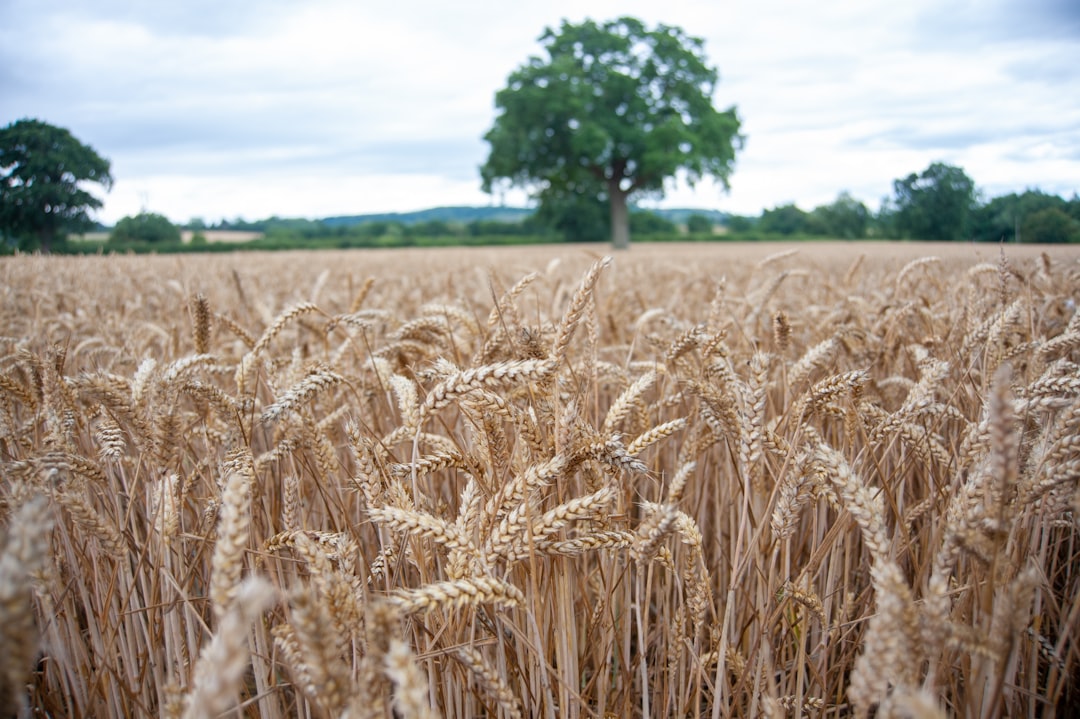
The agricultural commodity outlook has shifted dramatically as global food security concerns, climate volatility, and changing consumption patterns create compelling investment opportunities. Forward-thinking investors are increasingly turning to Tax-Free Savings Accounts (TFSAs) and Registered Retirement Savings Plans (RRSPs) to capitalize on these trends while maximizing their tax advantages.
Agricultural commodities represent one of the most fundamental asset classes, driven by the unwavering human need for food and the growing complexity of global supply chains. The current agricultural commodity outlook suggests a period of sustained opportunity, influenced by factors ranging from population growth in emerging markets to technological disruption in farming practices. Weather patterns continue to create volatility in crop yields, while geopolitical tensions affect trade routes and export capabilities.
Recent data indicates that agricultural commodity prices have shown remarkable resilience compared to other sectors. Wheat futures have demonstrated consistent strength due to supply chain disruptions, while corn and soybean markets reflect the dual pressures of biofuel demand and traditional food consumption. The livestock sector presents its own dynamics, with protein demand surging in developing economies even as environmental concerns reshape production methods in developed nations.
Leveraging TFSA Strategy for Agricultural Exposure
The TFSA presents unique advantages for agricultural commodity investing, particularly for Canadian investors seeking tax-free growth potential. Since agricultural commodities can experience significant price swings, the ability to shelter gains from taxation becomes particularly valuable during bull market cycles. Consider the mathematics: a $6,500 annual TFSA contribution growing at 8% annually compounds to substantial wealth over time, and when that growth stems from agricultural commodity appreciation, every dollar of gain remains tax-free.
Smart TFSA investors are utilizing agricultural exchange-traded funds (ETFs) and commodity-focused mutual funds to gain diversified exposure without the complexities of direct commodity ownership. These vehicles provide access to broad agricultural baskets or specific subsectors like grains, livestock, or agricultural technology companies. The key advantage lies in the flexibility to rebalance positions and capture profits without triggering taxable events.
The agricultural commodity outlook suggests that inflation hedging characteristics make these investments particularly suitable for TFSAs, where the full protective benefit against currency debasement flows directly to the investor. Agricultural commodities historically demonstrate strong correlation with inflation, meaning TFSA holders can preserve and grow purchasing power without sharing gains with the tax authorities.
RRSP Positioning for Long-Term Agricultural Trends
RRSPs offer a different but complementary approach to agricultural commodity investing, particularly suited to investors with longer time horizons and higher current marginal tax rates. The immediate tax deduction provides additional capital to deploy, effectively allowing the government to partially fund your agricultural commodity positions through tax savings.
The agricultural commodity outlook supports a long-term thesis that aligns perfectly with RRSP investment timelines. Demographic trends show global population growth concentrated in regions with rising protein consumption, while arable land remains relatively fixed. Climate change introduces both challenges and opportunities, potentially increasing the value of productive agricultural assets and the companies that support modern farming.
Within RRSPs, investors can consider more sophisticated strategies like agricultural commodity futures funds or actively managed funds focusing on agricultural innovation companies. These approaches may generate regular income through options strategies or dividend distributions, which benefit from the tax-deferred nature of RRSPs. The ability to deduct losses within the RRSP structure also provides flexibility during inevitable commodity downturns.
For maximum effectiveness, consider dollar-cost averaging into agricultural positions within your RRSP, taking advantage of commodity volatility to build positions at various price points. This approach smooths out the inherent lumpiness of agricultural markets while ensuring consistent exposure to long-term trends.
The convergence of demographic pressure, environmental challenges, and technological innovation creates a compelling agricultural commodity outlook that extends well beyond typical market cycles. By strategically utilizing both TFSA and RRSP accounts, investors can position themselves to benefit from these fundamental shifts while optimizing their tax efficiency. The key lies in understanding how each account type amplifies the natural advantages of agricultural commodity exposure, creating a foundation for long-term wealth building that serves both portfolio diversification and tax planning objectives.