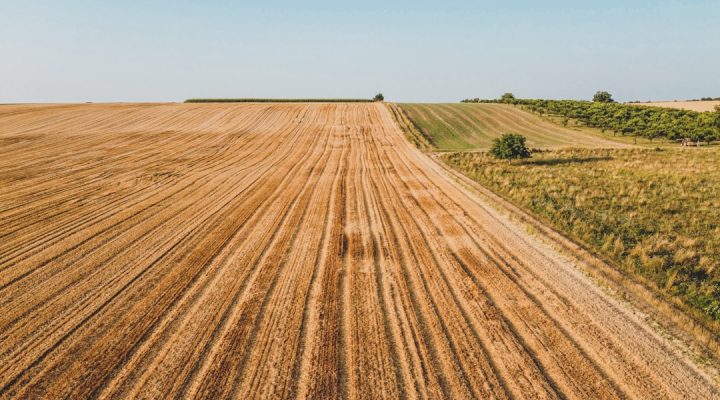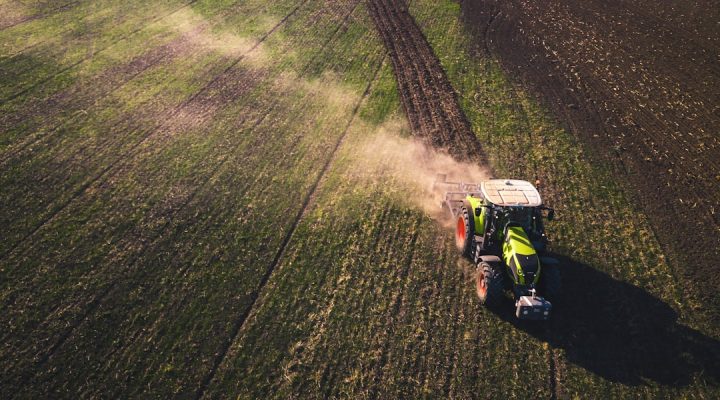
Canadian investors are increasingly turning their attention to agricultural commodities as a strategic component of their TFSA and RRSP portfolios. With global food security concerns mounting and climate patterns shifting worldwide, the agricultural commodity outlook presents both compelling opportunities and notable risks for tax-advantaged investment accounts.
Understanding how to position agricultural investments within registered accounts requires careful consideration of market fundamentals, tax implications, and long-term growth potential. The intersection of demographic trends, technological advancement, and environmental pressures creates a complex but potentially rewarding landscape for informed investors.
Current Agricultural Commodity Market Dynamics
The agricultural commodity outlook continues to be shaped by several powerful forces converging simultaneously. Global population growth drives consistent demand for food products, while arable land remains finite and increasingly stressed by climate variability. Supply chain disruptions have highlighted the critical importance of food security, leading governments worldwide to prioritize domestic agricultural production.
Wheat, corn, soybeans, and canola represent core opportunities within the Canadian agricultural landscape. Recent data indicates that crop yields are becoming more volatile due to extreme weather events, creating price volatility that savvy investors can potentially capitalize on through strategic positioning in their registered accounts. Energy costs, fertilizer availability, and labor shortages further complicate the supply equation, often resulting in sustained periods of elevated commodity prices.
TFSA Strategies for Agricultural Commodity Exposure
Tax-Free Savings Accounts offer unique advantages for agricultural commodity investments, particularly given the sector’s inherent volatility. Since all gains within a TFSA grow tax-free, investors can benefit from commodity price swings without worrying about capital gains implications. This makes TFSAs particularly suitable for more aggressive agricultural commodity strategies.
Exchange-traded funds focused on agricultural commodities provide diversified exposure while maintaining liquidity. Direct investment in agricultural companies, including equipment manufacturers, seed producers, and food processors, offers another avenue for TFSA holders to benefit from the positive agricultural commodity outlook. The key consideration is contribution room management, as agricultural investments can experience significant short-term fluctuations that might temporarily reduce account values.
RRSP Agricultural Investment Approaches
Registered Retirement Savings Plans present different strategic considerations for agricultural commodity exposure. The tax-deferred nature of RRSPs makes them well-suited for dividend-paying agricultural stocks and income-generating commodity investments. Agricultural real estate investment trusts and utility companies serving farming communities can provide steady income streams that compound tax-free within the RRSP structure.
The longer investment horizon typical of RRSP investing aligns well with agricultural commodity cycles, which often span multiple years. This extended timeframe allows investors to ride out short-term volatility while positioning for long-term trends such as increasing global protein consumption and the shift toward sustainable farming practices. Systematic investment approaches work particularly well in RRSPs, allowing investors to dollar-cost average into agricultural positions over time.
Risk Management and Portfolio Integration
While the agricultural commodity outlook appears favorable for long-term investors, proper risk management remains essential. Agricultural investments should typically represent a modest portion of overall TFSA and RRSP allocations, given their cyclical nature and sensitivity to factors beyond investor control. Weather patterns, government policies, and global trade relationships can all significantly impact agricultural commodity prices.
Diversification within the agricultural sector proves crucial for managing risk. Combining crop commodities with livestock exposure, geographic diversification across different farming regions, and including companies at various points in the agricultural value chain helps smooth returns over time. Currency hedging considerations also matter for Canadian investors, as many agricultural commodities are priced in US dollars, adding another layer of complexity to investment decisions.
The agricultural commodity outlook presents compelling long-term opportunities for Canadian investors willing to embrace volatility and think strategically about their TFSA and RRSP allocations. By understanding the unique characteristics of agricultural investments and matching them appropriately to registered account structures, investors can potentially benefit from one of humanity’s most fundamental economic sectors while building wealth in a tax-efficient manner. Success requires patience, diversification, and a clear understanding of the cycles that drive agricultural markets over time.