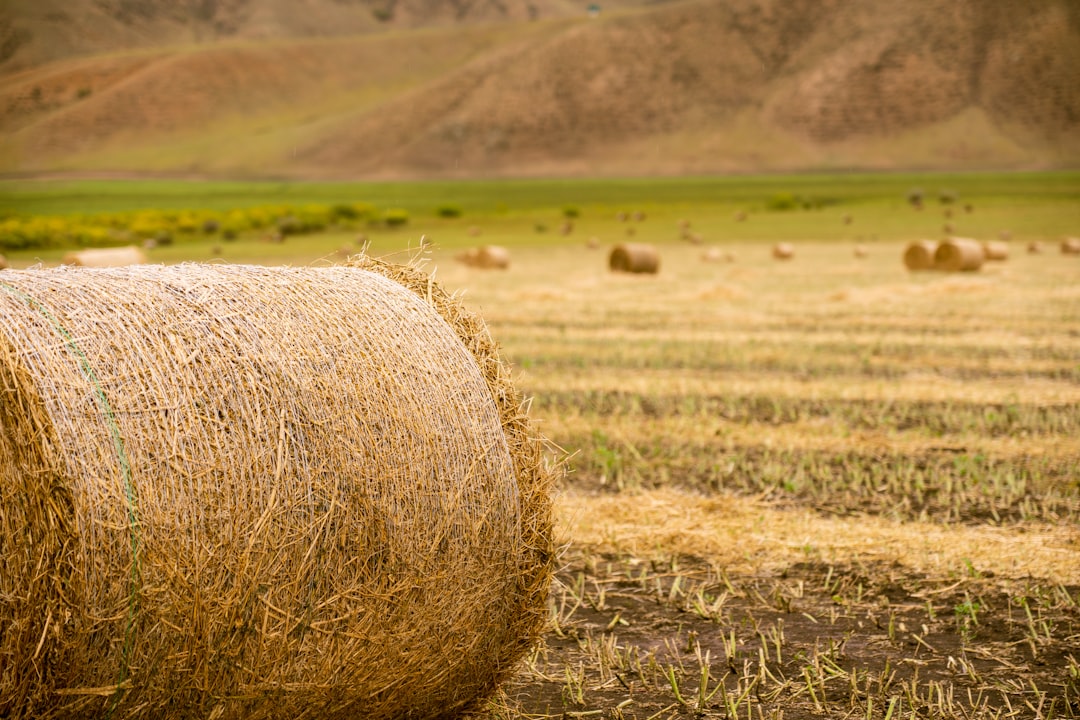
While most Canadians focus on traditional investment vehicles like stocks and bonds, a growing number of savvy investors are discovering how the agricultural commodity outlook can serve as a powerful tool for building personal wealth. From prairie wheat to Maritime potatoes, commodity trends offer unique opportunities for Canadian households to diversify their financial portfolios and hedge against economic uncertainty.
Understanding agricultural markets isn’t just for farmers and traders anymore. As global food security concerns intensify and climate patterns shift, commodity price movements create ripple effects throughout the Canadian economy, influencing everything from grocery bills to investment returns. By grasping these connections, everyday Canadians can make more informed financial decisions that protect and grow their wealth.
Understanding How Commodity Cycles Impact Your Investment Portfolio
The agricultural commodity outlook directly influences several investment sectors available to Canadian investors. When canola prices surge due to drought conditions in Saskatchewan, related ETFs and mutual funds often experience corresponding gains. Similarly, fertilizer company stocks typically rise when crop prices increase, as farmers invest more heavily in soil enhancement.
Canadian investors can capitalize on these trends through commodity-focused ETFs, agricultural REITs, and shares in companies like Nutrien or Canadian National Railway, which transport grain across the country. The key lies in understanding seasonal patterns: spring planting seasons often drive up seed and fertilizer demand, while harvest periods can create price volatility based on yield expectations.
Diversification remains crucial when incorporating commodity exposure into personal portfolios. Financial advisors recommend allocating no more than 5-10% of investment capital to direct commodity plays, using them as portfolio hedges rather than primary growth vehicles.
Inflation Protection Through Strategic Commodity Exposure
One of the most compelling reasons Canadians should monitor the agricultural commodity outlook involves inflation protection. Food represents approximately 16% of the average Canadian household budget, making grocery price fluctuations a significant personal finance factor. When commodity prices rise, food costs typically follow, eroding purchasing power.
However, investors who hold positions in agricultural assets often see their investment values increase alongside rising food costs, providing a natural hedge. This strategy proved particularly effective during recent inflationary periods when grain prices surged while traditional bond investments struggled with rising interest rates.
Tax-Free Savings Accounts (TFSAs) and Registered Retirement Savings Plans (RRSPs) can house commodity-focused investments, allowing Canadians to grow inflation-protected wealth while maintaining tax advantages. Consider broad-based agricultural ETFs that track multiple commodity types rather than betting on single crops, as this approach reduces concentration risk while maintaining inflation hedge benefits.
Seasonal Budgeting Strategies Based on Agricultural Trends
Smart Canadian households can use agricultural commodity outlook data to optimize their personal budgeting and spending patterns. Understanding that beef prices typically peak before summer barbecue season allows families to stock freezers during winter months when prices often dip. Similarly, knowing that grain harvests occur in fall can help predict when bread and cereal prices might stabilize or decline.
This seasonal approach extends beyond food purchases. Energy costs often correlate with agricultural patterns, as farming operations compete for fuel during planting and harvest seasons. Home heating oil and gasoline prices may fluctuate based on agricultural demand, creating opportunities for strategic purchasing of energy-related expenses.
Creating a seasonal budget calendar that incorporates expected commodity price movements can help Canadian families save hundreds of dollars annually while maintaining their preferred consumption patterns. This proactive approach transforms market knowledge into practical household savings.
Building Long-Term Wealth Through Agricultural Real Estate
The agricultural commodity outlook significantly influences farmland values, creating opportunities for Canadian investors to build generational wealth through agricultural real estate investment. As global food demand continues growing and arable land remains finite, productive farmland has historically provided both steady income through lease arrangements and long-term appreciation.
Several Canadian investment firms now offer farmland investment opportunities to non-farming investors, allowing participation in agricultural real estate without direct farming operations. These investments typically provide annual returns through crop lease payments while building equity as land values appreciate alongside commodity price trends.
Provincial programs in Alberta, Saskatchewan, and Manitoba sometimes offer tax incentives for agricultural land investments, particularly when investors lease to beginning farmers. This approach supports rural communities while providing investors with tax-efficient wealth building opportunities tied to long-term agricultural commodity outlook trends.
The intersection of agricultural markets and personal finance offers Canadian investors unprecedented opportunities to build resilient, diversified wealth. By understanding how commodity cycles influence everything from grocery bills to investment returns, informed Canadians can make strategic financial decisions that protect against inflation while capturing growth opportunities. Whether through direct commodity investments, seasonal budgeting strategies, or agricultural real estate, the agricultural commodity outlook provides valuable insights for anyone seeking to strengthen their financial future in an increasingly uncertain economic environment.