Staff Editor

Just One Driverless Car Could Ease Traffic Jams

Article by: Laurie Winkless

New data suggests that the days of using variable speed limits to manage traffic could be over

I think you probably know by now that I’m not a fan of the hype the floats around driverless cars. Don’t get me wrong, I love the tech behind them, and I am genuinely excited about the impact they could have on tomorrow’s cities. That’s why I wrote about research from MIT that showed that driverless cars might not need traffic lights. And why I highlighted work from Duke University that explored how driverless cars could best communicate with pedestrians.

Breaking: Bullfrog Gold Raises $816,000 Of Equity To Advance Its Nevada Gold Project

But I am a natural-born skeptic. And as I pointed out in this article, many of the remaining questions this young industry faces have nothing to do with the tech at all. And in my book, I expressed concern that the benefits of driverless vehicles wouldn’t be felt until every car on the road is autonomous.

Well, on that point, I may just have been proven wrong!

Before we can understand why, we need to talk about why traffic jams form (and this bit features an excerpt from Science and the City)
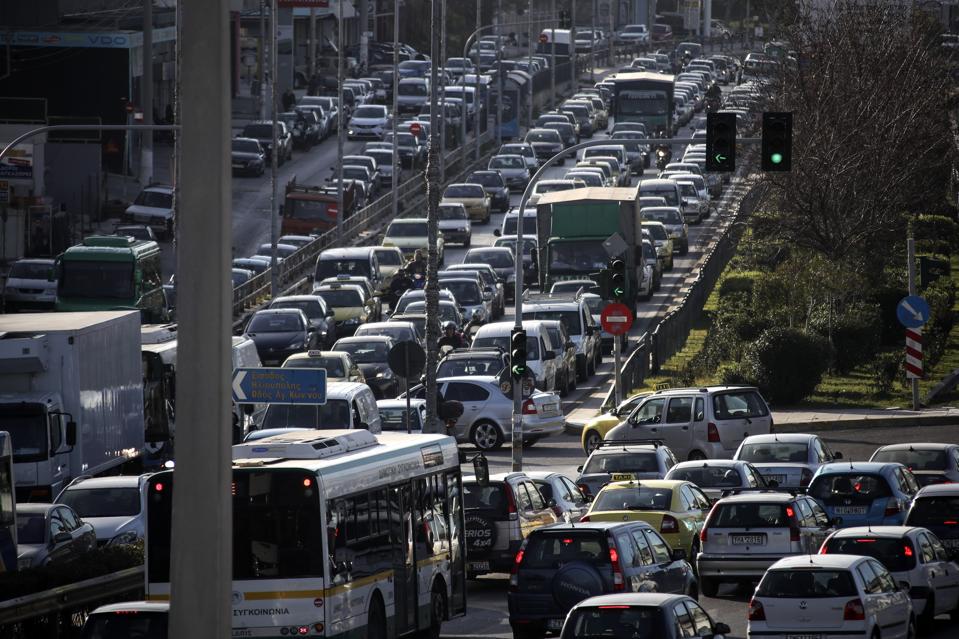
Could the addition of just a few autonomous vehicles make us all better drivers? (AP Photo/Yorgos Karahalis)

We’ve all been stuck in a horrible city-center traffic jam, and found ourselves wondering how hard it can actually be to manage traffic. Well, it turns out, it’s very difficult indeed, and it requires a lot of mathematics.

Most of the time, traffic congestion occurs when vehicular density exceeds a critical threshold – in other words, when there are too many cars on not enough road. Or occasionally, there might be an accident or roadworks are to blame. But you’ve probably also witnessed a so-called ‘phantom traffic jam’ too, where for no discernible reason, traffic builds up and then eases. A number of years ago, a group of Japanese physicists rented a closed circular track to investigate what would happen to traffic flow in the absence of a bottleneck. In the now famous experiment, twenty-two volunteers in different cars were instructed to get up to 30kph (just under 20mph) and maintain that speed at a safe distance from the car in front. Very quickly, the system broke down, with some cars at a standstill while others sped up.
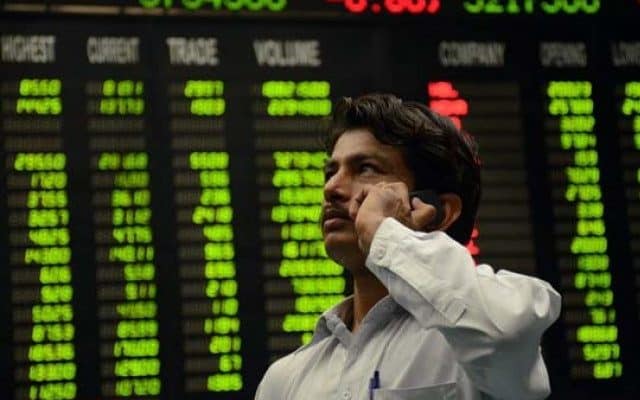
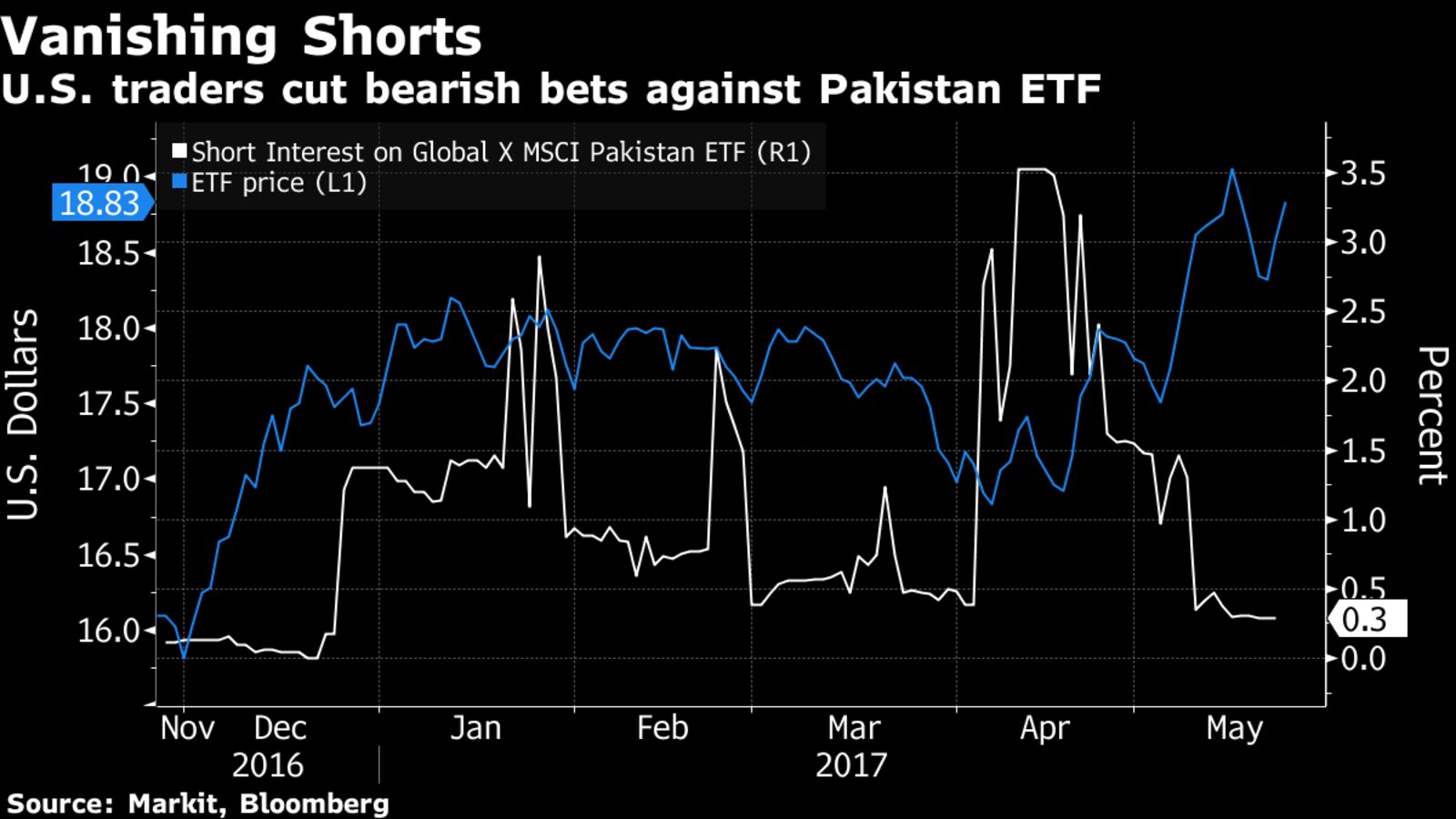
MSCI Boost May Give Pakistan Market $500 Million ‘Headache’

  • Brokers have limited capital for high-value trades: EFG-Hermes
  • Pakistan to be added to MSCI’s emerging market index on June 1

EFG-Hermes Holdings SAE expects Pakistani equities to be so popular with overseas funds this week that the country’s stock market could attract more money than it can handle the day before MSCI Inc. restores the nation to emerging-market status.

Don’t miss: Cannabis is saving lives and changing the medical world – This company is a sure bet

As much as $500 million may gush into the nation’s equities on May 31, said Ali Khalpey, chief executive officer frontier markets at the Cairo-based investment bank. The single-day inflow, if it comes to pass, would compare with the $532 million Pakistan received in all of 2010. The benchmark KSE100 Index has risen 6.8 percent this month to a record.

“It’s a big number and there isn’t enough capacity in the system to handle the volume and value we expect,” Khalpey said. “We have worked with similar investors when Qatar and the United Arab Emirates were upgraded by MSCI. The flows won’t be staggered. Tracker funds have to execute on the day.”

Khalpey was in Karachi to open the EFG-Hermes’ office. Here are the highlights from his interview with Bloomberg News.

Also see: Is this the end to banking as we know it?

What do you expect to happen on the day before the upgrade?

“It is a big event for Pakistan but I don’t think it is ready for it. Brokers are limited by the capital they have. They need to put up an average 20 percent margin on foreign trades. How many of them on aggregate can put $100 million cash?. Everyone is looking forward to it, but I’m not. It is going to be a massive headache.”

Will frontier investors abandon Pakistan?

“Pakistan has been a phenomenal market for years. Most frontier managers are aware of the index upgrade and won’t be fixated. My expectation is people will halve their weighting. Pakistan still has a good long-term story. Some people may sell down in this re-balance but I don’t think we will see them going to zero.”

Top News: Bullfrog Gold Raises $816,000 Of Equity To Advance Its Nevada Gold Project

Which other markets will those funds head to?

“Argentina, Vietnam and Nigeria could be among the beneficiaries. A lot of people haven’t owned Nigeria, though there have been some reforms in the forex side. If you believe there are going to be structural reforms, Nigeria is a good place to have a look. Argentina and Vietnam have seen massive outperformance.”

What are EFG Hermes’ plans for Pakistan?

“The biggest change we’re going to bring is that we will be an institutional stock broker, which I think is the first in Pakistan without a sponsor. We tend to start with stockbroking, provide execution capacity and research. Once we have established that we do investment banking with partners. That’s our goal.”

Which other markets do you plan to enter?

“Kenya, Nigeria, Bangladesh and Vietnam are potential markets. It will be a combination of greenfield startups or acquisition of smaller businesses that we grow. We will be in Africa shortly, and in the next 18 months have our footprint in two countries.”

Evergrande’s Boss Got $10 Billion Richer on Meteoric Share Surge

  • Hui Ka Yan’s wealth jumps more than 132 percent this year
  • Evergrande has soared on buybacks, speculation of rising sales

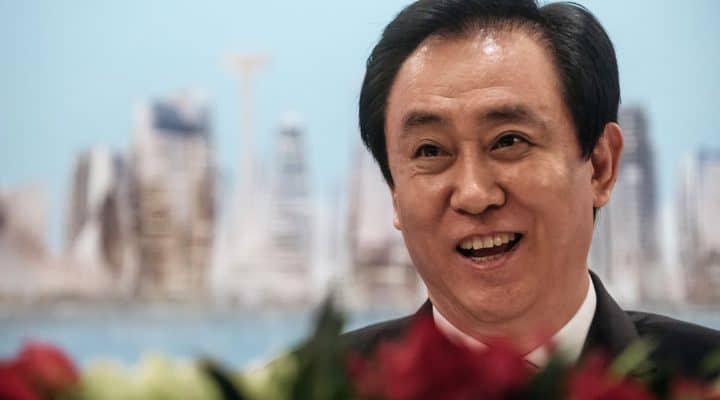
Hui Ka Yan

Hui Ka Yan. Photographer: Anthony Kwan/Bloomberg

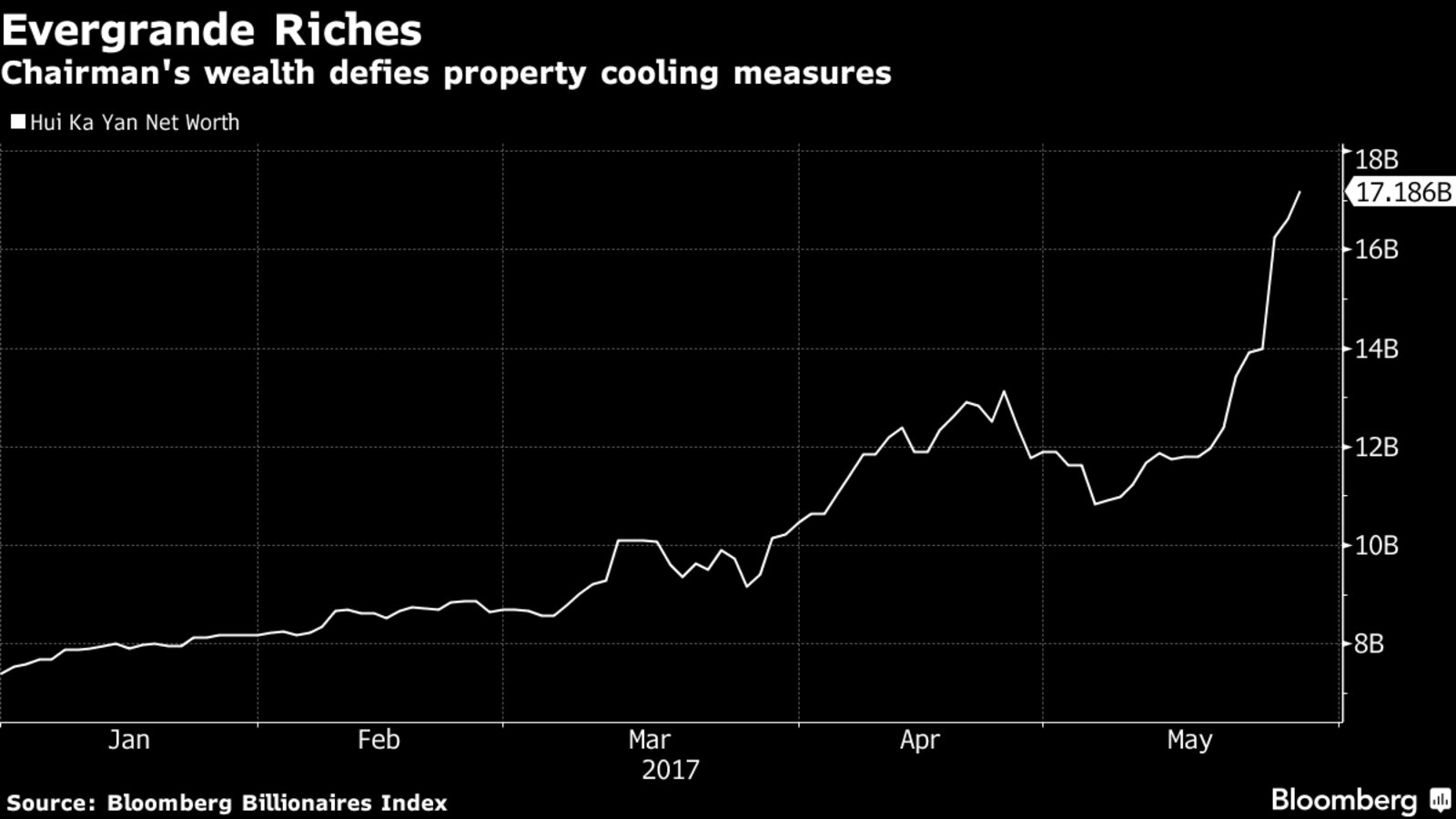
Hui Ka Yan, chairman of China Evergrande Group, has seen his fortune surge by at least $10 billion this year as shares of his property company have almost tripled.

Hui’s net worth jumped 132 percent to reach 17.2 billion, making him the sixth-richest person in China, according to the Bloomberg Billionaires Index, which doesn’t reflect a jump in shares in Hong Kong on Monday. The shares rose 17 percent to HK$14.52 at 11:07 a.m.

Don’t miss: Cannabis is saving lives and changing the medical world – This company is a sure bet

Evergrande’s shares have been on an unstoppable rally this year, fueled by a string of buybacks and speculation that some developers will benefit from rising home sales in smaller cities amid restrictions in larger metropolises. Evergrande’s increase, though, has exceeded the forecasts of even the most bullish stock analysts tracked by Bloomberg after ranking as the top performer in the MSCI Asia Pacific Index this year.

Hui’s relative wealth gain is the second-largest in Asia this year, behind only Wang Wei whose net worth jumped 373 percent after his S.F. Holding went public in Shenzhen through a backdoor listing, according to data compiled by Bloomberg. Hui’s riches rose faster this year than those of billionaires such as Larry Page and Sergey Brin, the co-founders of Alphabet Inc., and Microsoft Inc.’s Bill Gates.

In April, Chinese authorities stepped up restrictions in a string of large cities to rein in home prices. New-home prices, excluding government-subsidized housing, gained last month in 58 of the 70 cities tracked by the government. Property prices in third-tier Chinese cities accelerated gains in April, while those in first-tier cities slowed.

Also see: Is this the end to banking as we know it?

Stocks Climb in Korea, Japan; Dollar Reverses Loss: Markets Wrap

  • U.K., U.S., China markets closed for holidays on Monday
  • Dollar reverses losses amid Fed official’s rates comments

Stocks in Japan and South Korea climbed amid low trading volume and the dollar erased losses as Federal Reserve Bank of San Francisco President John Williams said the economy is strong enough to withstand three or four interest rate increases this year.

The Kospi index headed for a fresh record and Tokyo shares were buoyed as the yen gave up early gains. The rand pared its advance after South African President Jacob Zuma survived a bid by some members of the African National Congress’s top leadership to order his removal from office. Markets are closed in the U.S., the U.K. and China. North Korea fired another missile, which appears to be a Scud variant.

Also read: Bullfrog Gold Raises $816,000 Of Equity To Advance Its Nevada Gold Project

A six-week surge in global equities pushed stocks to a record high as investors bet global economic growth can withstand higher U.S. interest rates as soon as next month. While stocks have recovered from worries surrounding the prospects for President Donald Trump’s reform policies, 10-year Treasuries are on course for a fourth monthly advance amid concern inflation is lagging expectations.

Disagreement on the strength of the U.S. comes as the first hints of China’s economic performance in May suggest that a slowdown in growth is taking hold as policy makers beef up efforts to clamp down on financial risks.

Don’t miss: Cannabis is saving lives and changing the medical world – This company is a sure bet

“The U.S. economy is about as close to the Fed’s dual mandate goals as we’ve ever been,” Williams said in remarks prepared for delivery in Singapore on Monday. “With the attainment of our dual mandate goals close at hand, it’s more important than ever for monetary policy to work toward what I like to call a ‘Goldilocks economy’ -– an economy that doesn’t run too hot or too cold.”

Williams doesn’t vote on monetary policy this year, but he worked closely with Fed Chair Janet Yellen when she led the San Francisco Fed and he was its director of research, and is seen as an influential voice at the central bank.

Why one hedge-fund titan is bracing for ‘all hell to break loose’ in the stock market

Paul Singer of Elliott Management isn’t sure exactly what hell on Earth, or Wall Street, will look like, but he’s got billions stockpiled for when it does

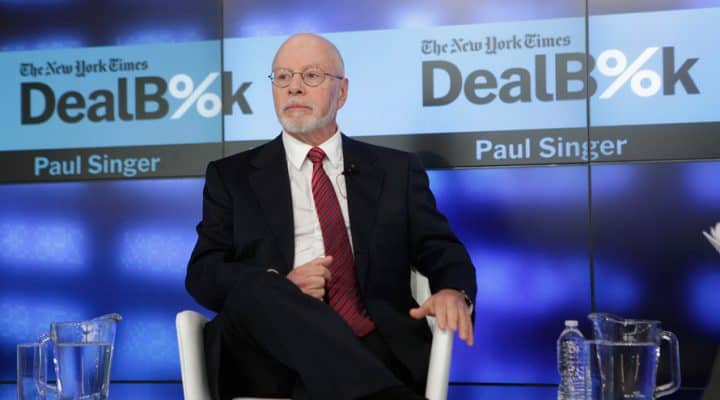
Paul Singer

Some say the world will end in fire, but hedge-fund honcho Paul Singer wants to be ready to pick up the pieces.

Billionaire investor Paul Singer has a bleak outlook for Wall Street, and he has built a $5 billion rainy-day fund in preparation for what he describes as “all hell” to break out.

Singer, who runs $33 billion hedge fund Elliot Management, wrote in a recent letter to investors that a bout of protracted low volatility and a tendency of stocks to levitate higher is likely to lead to near-term carnage in financial markets:

Here’s how Singer puts it:

Given groupthink and the determination of policy makers to do ‘whatever it takes’ to prevent the next market ‘crash,’ we think that the low-volatility levitation magic act of stocks and bonds will exist until the disenchanting moment when it does not. And then all hell will break loose (don’t ask us what hell looks like …), a lamentable scenario that will nevertheless present opportunities that are likely to be both extraordinary and ephemeral. The only way to take advantage of those opportunities is to have ready access to capital.

The hedge-fund manager has raised some $5 billion in recent weeks, according to Reuters, that he says will be put to work when investor confidence finally gets brought to its knees. He raised the sum in about 24 hours, the report indicated.

Don’t miss: Cannabis is saving lives and changing the medical world – This company is a sure bet

Lately, the stock market has been stubbornly buoyant.

After buckling under mounting worries about President Donald Trump’s White House and alarming allegations about Russia’s connection to members of the president’s administration, resulting in the worst single-session drop in 2017, equity-index gauges have rebounded higher.

On Friday, the S&P 500 index SPX, and the Nasdaq Composite Index COMP, registered records on the same day for the second consecutive session, while the Dow Jones Industrial Average DJIA, closed out the week just 35 points short of its own all-time high. This equity action came as the CBOE Volatility Index VIX, otherwise known as Wall Street’s “fear gauge,” finished in single-digit territory for only the 13th time in its history, booking its fifth lowest close ever. That is way below the VIX’s long-term average of 20 and comes after the index—used to bet on market swings a month in the future—closed at 15.59 on May 17, the same day appetite for risk went on hiatus.

Also see: Is this the end to banking as we know it?

Skeptics of Wall Street’s recent rally, which has been borne on the hope of pro-growth promises from Trump coming to into full view sooner than later, predict that an inevitable failure of the president to make good on his policy promises could jolt markets violently lower.

Singer is among those fearing that very scenario. He is betting that an economic recession may be on the horizon and believes that, with interest rates already near ultralow levels, the Federal Reserve won’t be able to provide a sufficient quantitative-easing cushion, as it did during the 2008-’09 financial crisis.

How to make sure you never run out of money

Business Insider first reported on Singer’s letter on May 24 followed by CNBC late Friday.

It is worth noting that Singer, who had been a prominent Trump critic, has met face-to-face with the president in the White House and, according to reports, donated money to his Jan. 20 inauguration.

Also read: Bullfrog Gold Raises $816,000 Of Equity To Advance Its Nevada Gold Project

To be sure, Singer’s doomsday radar hasn’t always been accurate, nor it has been very early. The hedge-fund investor in 2008 said Fed monetary policies and QE programs would supercharge inflation, or rising prices, and damage the U.S. economy.

So far, inflation has been relatively benign and the economy seems to be on a steady footing, albeit muted, growth footing.

But understanding how so-called smart-money investors, like Singer, may be positioning themselves during a period in which investors are incessantly on edge about ever-rising stock valuations and less-than stellar economic reports can be useful.

Bottled water is now more popular than soda — why you should avoid both

U.S. consumers spent $21 billion on bottled water last year

bottled water

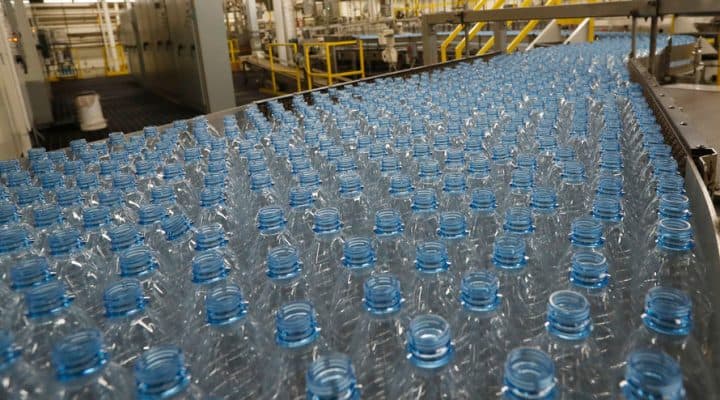
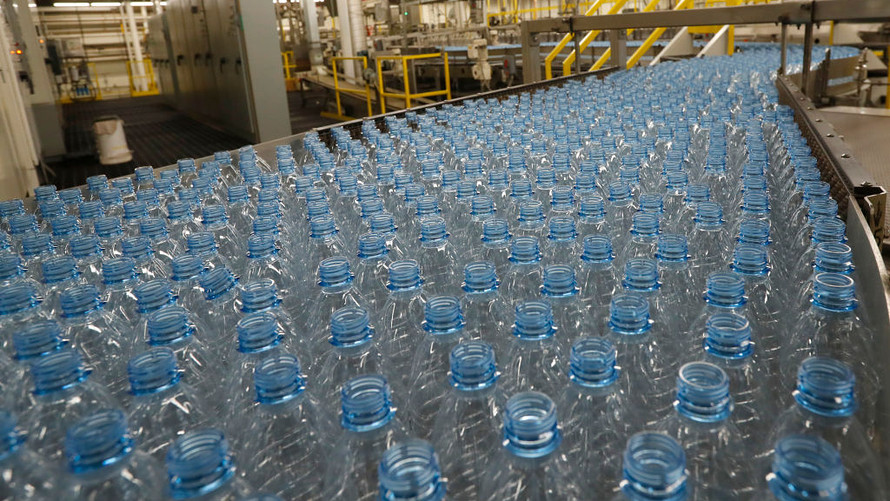
Bottled-water consumption in the U.S. hit 39.3 gallons per capita last year, while carbonated soft drinks fell to 38.5 gallons.

Americans now drink more bottled water than soda, but some environmentalists say it’s worth highlighting there’s a hidden cost to buying all those plastic bottles.

Bottled-water consumption in the U.S. hit 39.3 gallons per capita last year, while carbonated soft drinks fell to 38.5 gallons, marking the first time that soda was knocked off the top spot, according to recent data from industry tracker Beverage Marketing Corp. But soda is still more expensive, racking up $39.5 billion in retail sales versus $21.3 billion for water, industry research group Euromonitor found. “In 2016, bottled water overtook carbonates to become the leading soft drinks category in off-trade volume terms, an astonishing milestone a decade in the making,” it said.


While the fizzy soda category has experienced an annual volume sales decline since 2003, bottled water grew every year over the last two decades, except 2009 during the depths of the Great Recession, driven by consumer concerns about the effects of artificial sweeteners and sugar.


While the fizzy soda category has experienced an annual volume sales decline since 2003, bottled water grew every year over the last two decades, except 2009 during the depths of the Great Recession, driven by consumer concerns about the effects of artificial sweeteners and sugar. Bottled water also had another unexpected boost aside from skittishness over sodas. Scares over possible water contamination have helped boost demand for bottled water over the last few decades, experts say.

More than one-quarter of bottled water revenue last year was shared by the soda giants Coca-Cola Co. KO, and PepsiCo PEP, which sell Dasani and Aquafina respectively. In the four decades since the launch of Perrier water in the U.S., consumption of bottled water surged 2,700%, from 354 million gallons in 1976 to 11.7 billion gallons in 2015, according to the International Bottled Water Association.

Don’t miss: Cannabis is saving lives and changing the medical world – This company is a sure bet

And not all European bottled water is always free of chemicals, according to studies of European bottled waters carried out in Germany, Switzerland, Italy and France — one published in 2011 and the other in 2013 — by the Goethe University Frankfurt’s Department of Aquatic Ecotoxicology. Among the main compounds Wagner found: Endocrine disrupting chemicals, or EDCs, which can act like hormones in the body and have been linked to diabetes, breast cancer and cardiovascular disease. (Representatives from the bottled water industry contend that the origin of these EDCs were likely environmental rather than from a packaging material.)

Plastic soda and water bottles are also clogging up landfills and floating as vast vortices on the world’s oceans. What’s more, consumers can purify their own tap water for a fraction of the cost of a $2 bottle of water or soda.

Plastic soda and water bottles are also clogging up landfills and floating as vast vortices on the world’s oceans, studies suggest. Americans discard around 33.6 million tons of plastic each year, but only 6.5% of that recycled and 7.7% is combusted in waste-to-energy facilities, according to Columbia University’s Earth Center. The U.S. was recently ranked 20th among 192 countries that could have contributed to plastic waste in the oceans, according to a 2015 study led by Jenna Jambeck, an environmental engineer at the University of Georgia and published in the academic journal Science.

The industry disagrees. Bottled water containers are 100% recyclable, an International Bottled Water Association spokeswoman said. “The most recent recycling rate for bottled water containers is 35.4% and, of all the drink packaging that is mismanaged, bottled water containers make up just 3.3%,” she said. (Glass containers make up over 66%, soda containers make up more than 13%, and aluminum cans make up nearly 8%, she said. Read more here.)

What’s more, polyethylene terephthalate or PET, plastic bottled water bottles already use less plastic than any other packaged beverage, the International Bottled Water Association spokeswoman added. Between 2000 and 2014, the average weight of a 16.9-ounce (half-liter) PET plastic bottled water container declined 51%, according to the Beverage Marketing Corporation. Another 2015 study estimated that the accumulated number of “microplastic” particles in 2014 weighed between 93,000 and 236,000 metric tons, which is only 1% of global plastic waste estimated to enter the ocean in one year. (Consumers can also purify their own tap water for a fraction of the cost of a $2 bottle of water or soda. Prices start at $5.)

Amid this environmental debate, bottled water has come into its own precisely because of environmental problems elsewhere. Some 700,000 Californians may have been exposed to contaminated water, the California’s Water Resources Control Board recently said. And in Toledo, Ohio in 2014, the Ohio National Guard distributed bottled water to residents due to contaminated water there. A federal state of emergency was declared in Flint, Mich. in January 2016 and residents were told to use bottled water for both drinking and bathing due to faulty and old lead pipes.

Also see: Is this the end to banking as we know it?

But there is some irony for people who believe bottled water is spring water, sourced from some Alpine mountain peak or green meadow: Some 45% of bottled water brands are sourced from the municipal water supply — the same source as what comes out of the tap, according to Peter Gleick, a scientist and author of “Bottled and Sold: The Story Behind Our Obsession with Bottled Water.”

Those within the industry, however, say that does not mean it’s the same as tap water. The spokeswoman for the International Bottled Water Association says purified and spring water must meet Food & Drug Administration quality standards. “When a public water system is used as a source for making purified bottled water, several processes are employed to ensure that it meets comprehensive U.S. Food and Drug Administration regulations,” she says. “These treatments can include ozonation, filtration, reverse osmosis, distillation or de-ionization. The finished water product is then placed in a bottle under sanitary conditions and sold to the consumer.”

(Dasani and Aquafina use a public water source, but both companies say the water is filtered for purity using a “state-of-the-art” process.) And, as the industry expands, more bottled waters are available with different flavors, carbonation and vitamins.

Also read: Bullfrog Gold Raises $816,000 Of Equity To Advance Its Nevada Gold Project

And the alternative seems far worse. Soda and sugary drinks may lead to an estimated 184,000 deaths each year among adults from diabetes, heart disease and other obesity-related illnesses, according to a landmark 2015 study by researchers at Tufts University published in the American Heart Association journal Circulation. The study analyzed consumption patterns from 611,971 individuals between 1980 and 2010 across 51 countries, along with data on national availability of sugar in 187 countries. (The American Beverage Association published a lengthy rebuttal: “The authors themselves acknowledge that they are at best estimating effects of sugar-sweetened beverage consumption.”)

But sugar-shy consumers are shying away from diet soda too. Several recent studies have linked diet soda and cardiovascular disease and showed a correlation (if not a causation) between cancer and aspartame and, on last week, another study argued that diet soda is correlated to dementia and strokes in older people. The American Beverage Association also rejects those studies, highlighting the difference between “correlation” and “causation,” and says people who are overweight and already at risk for heart disease may consume more diet drinks in an attempt to control their weight and the Food and Drug Administration has ruled that artificial sweeteners are safe.

Last year, Pepsi announced that it will sell Diet Pepsi with both aspartame, the diet sweetener typically used in sweeteners like Equal, and sucralose, used in Splenda. Unlike bottled water, however, they’re both artificial.