Archives for April 10, 2026

Smart Investors Eye Bank of Canada Rate Decision as Markets Await Critical Policy Shift

Canadian financial markets are holding their breath as the most anticipated Bank of Canada rate decision in months approaches, with economists and investors alike scrutinizing every economic indicator for clues about the central bank’s next move. This week’s monetary policy announcement carries unprecedented weight as inflation pressures, employment data, and global economic uncertainties converge to create one of the most complex decision-making environments the Bank has faced in recent memory.

The current economic landscape presents Governor Tiff Macklem and his team with a delicate balancing act. Recent inflation readings have shown mixed signals, with core measures remaining stubbornly elevated while headline inflation has demonstrated more volatility. Housing market dynamics continue to play a crucial role in the Bank’s calculus, as mortgage renewals and affordability concerns weigh heavily on Canadian households. These factors make the upcoming Bank of Canada rate decision particularly significant for both institutional investors and everyday Canadians.

Market participants have been positioning themselves based on competing narratives about the Bank’s likely direction. Bond traders have been particularly active, with yield curves shifting dramatically in recent weeks as expectations swing between potential rate cuts and extended holds. The Canadian dollar has experienced increased volatility against major currencies, reflecting the uncertainty surrounding monetary policy direction. Equity markets, meanwhile, have shown sector-specific reactions, with interest-sensitive industries like real estate investment trusts and utilities experiencing heightened trading volumes.

Economic data releases leading up to this Bank of Canada rate decision have painted a picture of an economy in transition. Employment figures have shown resilience, with job creation exceeding expectations in several recent months, yet productivity concerns remain at the forefront of policy discussions. Consumer spending patterns have evolved, with Canadians demonstrating increased price sensitivity while maintaining relatively robust demand in essential sectors. Business investment intentions surveys reveal cautious optimism tempered by uncertainty about future borrowing costs.

Global Context Shapes Domestic Policy Considerations

The international monetary policy landscape adds another layer of complexity to the Bank of Canada’s decision-making process. Central banks worldwide are navigating similar challenges, but Canada’s unique position as both a commodity-exporting nation and a trade-dependent economy creates specific considerations. Recent developments in U.S. Federal Reserve policy have created both opportunities and constraints for Canadian monetary policy independence.

Currency stability concerns have become increasingly prominent in policy discussions, as significant divergence from U.S. interest rates could trigger capital flows that might destabilize financial markets. The Bank’s communication strategy has evolved to address these cross-border considerations while maintaining focus on domestic price stability and employment objectives. Trade relationships and supply chain dynamics continue to influence inflation transmission mechanisms, making traditional policy tools more complex to calibrate effectively.

Investment Implications Across Asset Classes

The ripple effects of the Bank of Canada rate decision extend far beyond immediate market reactions, influencing long-term investment strategies across multiple asset classes. Fixed-income investors are particularly focused on duration risk and credit spreads, as rate changes can dramatically alter the relative attractiveness of government versus corporate bonds. Real estate markets, both residential and commercial, face significant sensitivity to borrowing cost changes, with capitalization rates and property valuations directly tied to monetary policy shifts.

Equity market implications vary considerably by sector, with financial services companies potentially benefiting from rising rates through improved net interest margins, while utilities and infrastructure companies might face headwinds from higher discount rates applied to their cash flows. Currency-hedged international investments have gained attention as investors seek to manage exchange rate risks associated with divergent monetary policies between Canada and other major economies.

As markets prepare for this pivotal moment, the Bank of Canada rate decision represents more than just a routine policy announcement—it signals the direction of Canada’s economic future and the investment opportunities that will define the coming quarters. Investors who understand the nuanced implications of this decision, from its impact on borrowing costs to its influence on currency stability, position themselves to navigate the evolving landscape with greater confidence and strategic clarity.

Record Resource Demand Signals Canada’s Golden Era as Commodity Super Cycle Takes Hold

Canadian investors are witnessing something extraordinary unfold in real-time—a commodity super cycle that’s positioning the nation at the epicenter of global resource demand. Unlike typical commodity booms that last months or quarters, this structural shift represents a multi-year phenomenon driven by technological transformation, infrastructure rebuilding, and emerging market growth that could redefine Canada’s economic landscape for decades.

The current commodity super cycle differs fundamentally from previous iterations. While past cycles were primarily driven by industrialization in single regions, today’s surge stems from multiple converging forces. The global transition to clean energy has created insatiable appetite for lithium, cobalt, nickel, and rare earth elements—resources where Canada holds substantial reserves. Simultaneously, artificial intelligence infrastructure demands have skyrocketed copper and silver consumption, while geopolitical tensions have governments prioritizing domestic supply chain security.

Canadian mining companies are experiencing unprecedented investor interest as this commodity super cycle gains momentum. Major producers have reported order backlogs extending well into the next decade, with contract prices reaching levels not seen since the early 2000s China-driven boom. The difference now lies in diversification—demand isn’t concentrated in one region but spans North America, Europe, and Asia, creating more stable and sustainable pricing dynamics.

Energy commodities represent another pillar of Canada’s advantage in this cycle. Despite global climate initiatives, transitional energy demand remains robust, particularly for cleaner-burning natural gas and responsibly-sourced oil. Canada’s regulatory framework and environmental standards have positioned its energy exports as premium products in markets increasingly concerned with ESG compliance. This quality premium has translated into superior margins and more predictable cash flows for Canadian energy producers.

Agricultural commodities complete Canada’s trifecta of commodity super cycle exposure. Climate change has disrupted traditional growing regions worldwide, while population growth and rising living standards continue driving food demand higher. Canada’s vast arable land, abundant freshwater resources, and advanced agricultural technology create significant competitive advantages. Potash, canola, wheat, and other Canadian agricultural exports are commanding premium prices in global markets experiencing persistent supply constraints.

The investment implications extend far beyond resource extraction companies. Canadian infrastructure, transportation, and financial services firms are benefiting from increased capital investment across commodity sectors. Port authorities are expanding facilities, railway companies are upgrading capacity, and banks are reporting record lending to resource projects. This multiplier effect amplifies the economic impact of the commodity super cycle throughout Canada’s economy.

Smart money is already repositioning portfolios to capitalize on these trends. Institutional investors have increased Canadian commodity exposure significantly, recognizing that this cycle’s structural nature provides more predictable returns than traditional cyclical plays. The combination of strong fundamentals, supportive government policies, and geographical advantages creates compelling long-term investment thesis.

What makes this commodity super cycle particularly attractive for Canadian investors is its alignment with global megatrends rather than speculative bubbles. The electrification of transportation, renewable energy expansion, and technological advancement require massive commodity inputs over extended timeframes. Canada’s resource endowment, political stability, and established mining expertise position it as a primary beneficiary of these irreversible trends.

The momentum behind this commodity super cycle shows no signs of abating, with demand projections suggesting sustained elevated pricing for years ahead. Canadian companies across the resource spectrum are investing heavily in production capacity, exploring new deposits, and securing long-term supply agreements. For investors seeking exposure to one of the most significant economic shifts of our time, Canada’s commodity sector represents an unprecedented opportunity to participate in a genuine super cycle that could deliver exceptional returns while supporting the global transition to a more sustainable future.

Inside the TSX Venture Explorer Revolution Transforming Canadian Capital Markets

A quiet revolution is unfolding in Canadian capital markets, and it’s centered around a sophisticated platform that’s fundamentally changing how investors, analysts, and market participants interact with venture-stage companies. The TSX Venture Explorer has emerged as more than just another financial data tool—it’s becoming the cornerstone of a new era in Canadian venture capital discovery and analysis.

The platform’s meteoric rise to prominence stems from its ability to democratize access to comprehensive market intelligence that was previously available only to institutional investors and industry insiders. By aggregating real-time trading data, company fundamentals, regulatory filings, and market sentiment indicators into a single, intuitive interface, TSX Venture Explorer has effectively leveled the playing field for retail investors seeking exposure to Canada’s most promising emerging companies.

What sets this platform apart is its sophisticated analytical capabilities that go far beyond traditional market data feeds. Users can now track everything from insider trading patterns and institutional ownership changes to sector rotation trends and volatility metrics across the entire TSX Venture Exchange ecosystem. This comprehensive approach has attracted attention from pension funds, family offices, and sophisticated individual investors who recognize the value of having granular insights into one of North America’s most dynamic small-cap markets.

The timing of TSX Venture Explorer’s emergence couldn’t be more strategic. Canada’s venture capital landscape has been experiencing unprecedented growth, with sectors ranging from clean technology and artificial intelligence to biotechnology and mining exploration attracting significant investor interest. The platform’s advanced screening tools allow users to identify emerging trends and investment opportunities across these diverse sectors with remarkable precision.

Advanced Analytics Drive Investment Decision-Making

The sophisticated algorithms powering TSX Venture Explorer represent a significant leap forward in financial technology application within Canadian markets. The platform’s machine learning capabilities analyze vast datasets to identify correlation patterns, momentum shifts, and risk factors that human analysts might overlook. This technological edge has proven particularly valuable for quantitative investment strategies and systematic trading approaches that require high-quality, consistent data feeds.

Professional money managers are increasingly incorporating TSX Venture Explorer into their research workflows, citing the platform’s ability to quickly identify companies meeting specific investment criteria. Whether screening for revenue growth rates, debt-to-equity ratios, or management team experience, the platform’s filters can process thousands of data points in seconds, dramatically reducing the time required for initial due diligence processes.

The platform’s real-time alert system has become particularly popular among active traders and portfolio managers who need to stay informed about material developments affecting their holdings or watch lists. These customizable notifications cover everything from earnings announcements and regulatory filings to unusual trading volume spikes and analyst rating changes, ensuring users never miss critical market-moving events.

Regulatory Transparency Meets Market Efficiency

One of the most significant contributions of TSX Venture Explorer to Canadian capital markets has been its role in enhancing regulatory transparency and market efficiency. The platform aggregates and standardizes disclosure documents from hundreds of listed companies, making it easier for investors to conduct comprehensive fundamental analysis and regulatory compliance reviews.

This enhanced transparency has had measurable effects on market dynamics, with several academic studies noting improved price discovery mechanisms and reduced information asymmetries in stocks covered by the platform’s comprehensive data feeds. The democratization of market intelligence has led to more efficient capital allocation and better-informed investment decisions across the venture capital spectrum.

Investment professionals are also leveraging the platform’s historical data capabilities to conduct sophisticated backtesting and risk assessment analyses. The ability to access years of standardized financial data, trading patterns, and market sentiment indicators has proven invaluable for developing robust investment strategies and risk management protocols tailored specifically to the unique characteristics of venture-stage companies.

As Canadian capital markets continue evolving in response to global economic shifts and technological disruption, TSX Venture Explorer stands as a testament to how innovative financial technology can enhance market participation and transparency. The platform’s growing influence extends far beyond individual investment decisions, contributing to a more efficient, accessible, and sophisticated venture capital ecosystem that benefits entrepreneurs, investors, and the broader Canadian economy. This transformation represents just the beginning of what promises to be a fundamental shift in how capital markets operate in the digital age.

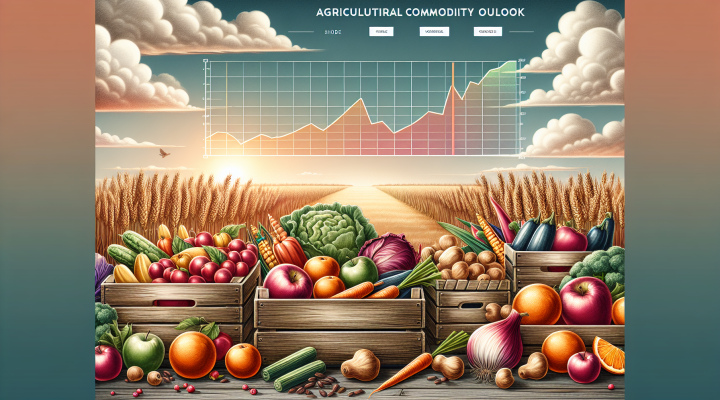
Smart Investors Unlock Agricultural Commodity Profits Through Strategic Market Analysis

Agricultural commodities represent one of the most dynamic and essential sectors in global markets, offering sophisticated investors opportunities for substantial returns when approached strategically. The key to success lies not just in understanding individual crops or livestock, but in developing a comprehensive agricultural commodity outlook that considers multiple market factors, seasonal patterns, and economic indicators.

Unlike traditional equities or bonds, agricultural commodities respond to unique drivers including weather patterns, geopolitical tensions, currency fluctuations, and fundamental supply-demand dynamics. Investors who master the art of agricultural commodity outlook analysis can capitalize on these variables to generate consistent profits while diversifying their portfolios against inflation and market volatility.

Understanding Market Cycles and Seasonal Patterns

Successful agricultural commodity investing begins with recognizing that these markets operate on predictable seasonal cycles influenced by planting, growing, and harvest periods. A thorough agricultural commodity outlook must account for these natural rhythms while identifying deviations that create profit opportunities.

Corn, soybeans, and wheat typically experience price volatility during critical growing months when weather concerns can dramatically impact yields. Smart investors monitor soil moisture reports, temperature forecasts, and crop condition assessments from major producing regions. Historical data shows that corn prices often peak during July and August when drought risks are highest in the Midwest, while soybean prices frequently rally during the pod-filling stage in late summer.

Livestock commodities follow different patterns, with cattle prices influenced by feed costs, processing capacity, and consumer demand cycles. Lean hogs often experience seasonal strength during summer grilling season, while live cattle prices can benefit from holiday demand periods. Understanding these patterns allows investors to time entries and exits more effectively.

Leveraging Supply Chain Intelligence for Market Advantage

Modern agricultural commodity outlook analysis requires deep understanding of global supply chains and their vulnerabilities. Weather events, transportation disruptions, and processing bottlenecks can create sudden price spikes that prepared investors can capitalize on.

Monitor key shipping routes, storage facility reports, and export inspection data to gauge real-time supply flows. The Black Sea grain corridor, Brazilian soybean exports, and U.S. Gulf Coast grain terminals serve as critical chokepoints where disruptions can send prices soaring. Investors who track vessel lineups, port congestion, and freight rates often spot opportunities before they become obvious to broader markets.

Technology has revolutionized supply chain monitoring, with satellite imagery revealing crop conditions, storage levels, and harvesting progress in real-time. Combining this data with traditional fundamental analysis creates a more complete agricultural commodity outlook that can identify emerging trends weeks before official government reports.

Risk Management Strategies for Volatile Markets

Agricultural commodities are inherently volatile, making risk management essential for long-term success. Professional traders never risk more than 2-3% of their capital on any single position and use stop-losses to limit downside exposure.

Diversification across different crop categories, geographical regions, and contract months helps smooth returns while maintaining upside potential. Spreading risk between grains, soft commodities, and livestock reduces correlation while capturing different market dynamics. Currency hedging becomes crucial when trading internationally-priced commodities, as dollar strength can offset commodity gains.

Options strategies offer additional risk management tools, allowing investors to limit losses while maintaining unlimited upside potential. Buying call options on agricultural commodities provides exposure to price rallies while capping maximum losses to the premium paid. More sophisticated investors use collar strategies or ratio spreads to finance positions while defining risk parameters.

Technology and Data Analytics in Commodity Trading

Modern agricultural commodity outlook development increasingly relies on advanced analytics, machine learning, and alternative data sources. Weather modeling systems now provide hyperlocal forecasts that can predict yield impacts with remarkable accuracy.

Algorithmic trading platforms process vast amounts of data including weather forecasts, crop reports, economic indicators, and technical patterns to identify high-probability trades. However, successful investors combine technological insights with fundamental understanding of agricultural markets and human psychology.

Social media sentiment analysis and search trend data provide early indicators of changing consumer preferences or emerging supply concerns. Smart money tracks Google search volumes for terms like ‘drought’, ‘crop failure’, or specific commodity names to gauge public awareness and potential demand shifts.

Maximizing returns in agricultural commodities requires patience, discipline, and comprehensive market analysis. Investors who develop sophisticated agricultural commodity outlook capabilities while maintaining strict risk management protocols can generate substantial profits from these essential global markets. Success comes from understanding that agricultural commodities offer unique opportunities for those willing to study weather patterns, supply chains, and seasonal dynamics that traditional asset classes simply cannot replicate.

Markets Brace as Bank of Canada Rate Decision Reshapes Investment Landscape

Canadian investors are holding their breath as the latest Bank of Canada rate decision reverberates through financial markets, marking what analysts are calling the most significant monetary policy shift in over two years. The central bank’s move has already triggered a cascade of reactions across bond markets, currency trading, and equity valuations, fundamentally altering the investment calculus for both institutional and retail investors.

The immediate aftermath of the Bank of Canada rate decision has been nothing short of dramatic. Government of Canada bonds experienced their largest single-day move in months, with the 10-year yield swinging by more than 15 basis points in the hours following the announcement. Currency traders responded equally forcefully, pushing the Canadian dollar through key technical levels against the U.S. dollar as market participants recalibrated their expectations for future monetary policy.

What makes this particular rate decision so consequential is its timing within the broader economic context. Inflation data released earlier this month showed persistent pressures in core services, while employment figures revealed surprising strength in job creation across multiple sectors. These conflicting signals had left economists divided on the central bank’s likely course of action, making the actual decision all the more impactful for market positioning.

Banking sector stocks have emerged as immediate beneficiaries of the policy shift, with major Canadian lenders posting gains as investors anticipate improved net interest margins. The Big Six banks saw their shares rally in afternoon trading, led by institutions with the largest domestic lending portfolios. Mortgage originators and credit unions are also experiencing renewed investor interest as the rate environment creates more favorable conditions for traditional banking operations.

Real estate investment trusts face a more complex picture following the Bank of Canada rate decision. While some REITs with strong cash flows and low debt levels have maintained their appeal, others are seeing investors flee to alternatives with better risk-adjusted returns. The residential REIT sector, in particular, is grappling with questions about future rental growth prospects and refinancing risks in the new rate environment.

Technology and growth stocks are experiencing the flipside of this monetary policy equation. Companies that thrived in the previous rate environment now face headwinds as their discounted cash flow valuations come under pressure. Several high-flying Canadian tech names have seen their shares retreat as investors rotate toward value plays and dividend-paying stocks that benefit from the shifting rate landscape.

Bond fund managers are scrambling to reposition portfolios in response to the Bank of Canada rate decision, with many extending duration exposure to capture what they view as attractive yields. Corporate credit spreads have tightened meaningfully, particularly in the investment-grade space, as investors hunt for yield pickup over government bonds. High-yield issuers are finding renewed demand for their paper as risk appetite returns to fixed income markets.

Currency implications extend far beyond simple exchange rate movements. Canadian resource companies with significant U.S. dollar revenues are seeing their hedging strategies called into question, while importers face new pressures on their cost structures. Export-oriented manufacturers, conversely, are celebrating improved competitiveness as the currency adjustment unfolds.

Looking ahead, investment strategists are emphasizing the importance of positioning for what many expect to be continued policy evolution. The Bank of Canada rate decision appears to signal a broader shift in the central bank’s approach to balancing growth and inflation concerns, suggesting that investors should prepare for a more dynamic policy environment than the relatively stable period that preceded this move.

As markets continue to digest the full implications of this monetary policy shift, one thing remains clear: the Bank of Canada rate decision has fundamentally altered the investment landscape for Canadian portfolios. Investors who adapt quickly to these new realities while maintaining disciplined risk management are likely to emerge as the biggest winners in this evolving environment. The coming weeks will reveal whether this policy pivot marks the beginning of a new investment cycle or simply a temporary recalibration of market expectations.

Canadian Mining Stocks Surge as Uranium Bull Cycle Reaches New Heights

The Canadian equity market is experiencing a remarkable transformation as the uranium bull cycle continues to gain momentum, creating substantial opportunities for investors focused on the country’s abundant mining resources. This surge in uranium prices and demand has positioned Canadian mining companies at the forefront of a global energy transition that shows no signs of slowing down.

Canada’s uranium sector has become increasingly attractive to both institutional and retail investors as nuclear energy regains its status as a critical component of clean energy strategies worldwide. The current uranium bull cycle has been fueled by a perfect storm of supply constraints, growing nuclear capacity additions globally, and renewed government support for nuclear power as a carbon-free baseload energy source. Canadian companies, which control some of the world’s highest-grade uranium deposits, are uniquely positioned to capitalize on these favorable market dynamics.

Major Canadian uranium producers have seen their stock prices multiply several times over as the uranium bull cycle has intensified. Cameco Corporation, the world’s second-largest uranium producer, has experienced remarkable gains as institutional investors recognize the long-term value proposition of uranium assets. The company’s flagship McArthur River mine in Saskatchewan, which contains some of the richest uranium ore globally, represents a strategic asset in an increasingly supply-constrained market.

The exploration and development segment of Canadian uranium equities has proven even more volatile and rewarding for risk-tolerant investors. Junior mining companies with promising uranium projects across Saskatchewan’s Athabasca Basin have attracted significant capital inflows as investors seek exposure to the uranium bull cycle’s upside potential. These smaller companies often experience amplified price movements compared to their larger counterparts, reflecting both the speculative nature of early-stage mining investments and the substantial leverage they provide to underlying uranium price movements.

Financial markets have responded enthusiastically to the fundamental drivers supporting the uranium bull cycle. Global uranium inventories have declined significantly over the past decade, while nuclear reactor construction has accelerated in key markets including China, India, and several Eastern European countries. This supply-demand imbalance has created a structural foundation for sustained higher uranium prices, directly benefiting Canadian equity holders in the sector.

The geopolitical landscape has further strengthened the investment thesis for Canadian uranium companies. Western governments increasingly view Canadian uranium as a reliable alternative to supplies from geopolitically sensitive regions. This strategic consideration has translated into policy support and long-term contracting opportunities that provide revenue visibility for Canadian producers, enhancing their equity valuations during the current uranium bull cycle.

Investment fund flows into Canadian uranium equities have reached unprecedented levels as portfolio managers seek to capture the sector’s momentum. Exchange-traded funds focused on uranium and nuclear energy have accumulated significant positions in Canadian mining stocks, creating additional buying pressure that has amplified the equity price appreciation associated with the uranium bull cycle. This institutional adoption has also improved liquidity and reduced volatility for many Canadian uranium stocks.

The ripple effects of the uranium bull cycle extend beyond pure-play uranium companies to benefit related Canadian equities in the mining services, equipment, and logistics sectors. Companies providing specialized services to uranium miners have experienced increased demand for their offerings, creating a broader ecosystem of beneficiaries within the Canadian equity market. This multiplier effect demonstrates how commodity bull cycles can generate widespread economic benefits across interconnected industries.

As the uranium bull cycle continues to evolve, Canadian equities in the sector appear well-positioned to maintain their outperformance relative to broader market indices. The combination of world-class geological assets, stable regulatory environments, and growing global demand for clean energy solutions creates a compelling long-term investment narrative. For investors seeking exposure to the ongoing energy transition and the uranium bull cycle’s potential, Canadian mining equities offer both established producers and emerging development opportunities that could deliver substantial returns as nuclear energy reclaims its position in the global energy mix.