
commodity super cycle

Surging Commodity Prices Transform Canada’s Economic Landscape Through Extended Super Cycle

Canada finds itself at the epicenter of a transformative economic phenomenon as the current commodity super cycle reshapes the nation’s fiscal landscape, regional development patterns, and long-term growth trajectory. This extended period of elevated commodity prices has emerged as one of the most significant economic drivers affecting everything from government revenues to employment patterns across the country’s resource-rich provinces.

The commodity super cycle represents more than just a temporary price spike in natural resources. It reflects a fundamental shift in global demand dynamics, driven by emerging market industrialization, green energy transitions requiring critical minerals, and supply chain restructuring following recent global disruptions. For Canada, blessed with abundant natural resources including oil, gas, minerals, and agricultural products, this cycle has created unprecedented opportunities while also highlighting the nation’s continued dependence on commodity exports.

Energy sector revenues have surged dramatically during this commodity super cycle, with oil sands operations becoming increasingly profitable as crude prices maintain elevated levels. Alberta’s provincial government has recorded substantial budget surpluses, allowing for debt reduction and infrastructure investments that seemed impossible just years ago. The ripple effects extend beyond government coffers, as energy companies have ramped up capital expenditure programs, creating thousands of jobs and spurring economic activity throughout Western Canada.

Mining operations across the country have similarly benefited from the sustained strength in commodity markets. Base metals like copper, nickel, and zinc have seen remarkable price appreciation, while precious metals continue attracting global investment flows. British Columbia’s mining sector has experienced a renaissance, with new projects advancing through development stages and existing operations expanding capacity. The surge in lithium and rare earth element prices, crucial for electric vehicle batteries and renewable energy infrastructure, has positioned Canada as a critical supplier in the global energy transition.

Agricultural commodities have played an equally important role in this commodity super cycle. Canadian wheat, canola, and other crops have commanded premium prices in international markets, boosting farm incomes and rural economic activity. The Prairie provinces have witnessed remarkable prosperity as agricultural producers capitalize on strong global demand and favorable pricing conditions. This agricultural boom has supported equipment manufacturers, transportation companies, and rural communities that depend on farming activities.

Regional economic disparities have become more pronounced as the commodity super cycle unfolds. Resource-rich provinces like Alberta, Saskatchewan, and British Columbia have experienced robust growth, while manufacturing-dependent regions face different challenges. The strong Canadian dollar, partially driven by commodity price strength, has created headwinds for export-oriented manufacturers competing in global markets. This Dutch disease phenomenon illustrates how resource booms can create mixed economic outcomes across different sectors and regions.

Financial markets have responded enthusiastically to Canada’s commodity exposure during this cycle. The Toronto Stock Exchange has outperformed many international indices, driven largely by energy and mining stock appreciation. Resource companies have strengthened balance sheets, reduced debt levels, and increased dividend payments to shareholders. This financial strength provides resilience against future commodity price volatility while supporting continued investment in resource development projects.

Government policy responses to the commodity super cycle have focused on maximizing long-term benefits while preparing for eventual price normalization. Federal and provincial governments have implemented measures to capture resource revenues through taxation and royalty systems, while investing in infrastructure and economic diversification initiatives. The establishment of sovereign wealth funds and debt reduction programs aims to transform temporary commodity windfalls into lasting economic advantages.

Looking ahead, the sustainability of this commodity super cycle depends on various global factors including economic growth patterns, geopolitical developments, and technological changes affecting resource demand. Canada’s challenge lies in leveraging current prosperity to build more diversified and resilient economic foundations while maintaining its competitive position in global commodity markets. The nation’s resource endowment positions it well for continued participation in this transformative economic cycle, provided policymakers and businesses make strategic decisions that capitalize on current opportunities while preparing for future market evolution.

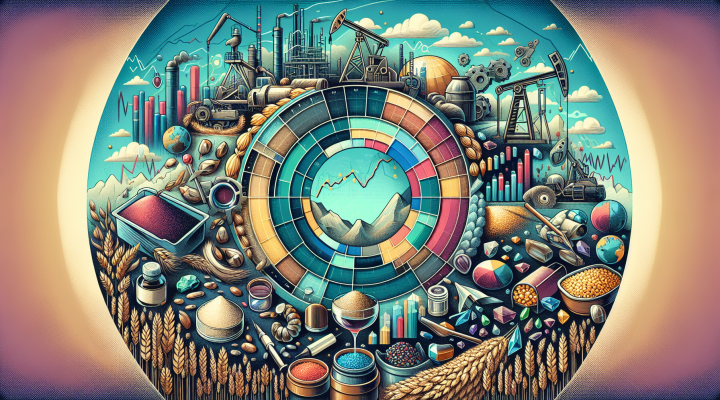
Inside Canada’s Commodity Super Cycle Transformation and Its Economic Revolution

Canada stands at the epicenter of a transformative economic phenomenon that’s reshaping its entire financial landscape. The current commodity super cycle has emerged as the dominant force driving unprecedented growth across the nation’s resource-dependent economy, creating ripple effects that extend far beyond traditional mining towns and energy hubs into urban centers and financial markets.

This extraordinary period of sustained commodity price elevation represents more than just a temporary market upturn. The commodity super cycle Canada is experiencing reflects fundamental shifts in global demand patterns, supply chain restructuring, and the worldwide transition toward renewable energy infrastructure. From lithium deposits in Quebec to potash reserves in Saskatchewan, Canadian resources have become essential components of the global economy’s infrastructure transformation.

The scale of this transformation becomes evident when examining recent economic indicators. Canada’s trade surplus has reached levels not seen since the early 2000s, with commodity exports driving a significant portion of GDP growth. The energy sector, long dominated by oil and gas, now encompasses critical minerals essential for battery production, solar panels, and wind turbines. This diversification within the commodity space has created resilience against traditional boom-bust cycles that historically plagued resource-dependent regions.

Mining operations across provinces have expanded dramatically to meet surging global demand for copper, nickel, and rare earth elements. The commodity super cycle has particularly benefited Canadian mining companies, which possess some of the world’s most extensive untapped reserves of minerals crucial for technological advancement and clean energy infrastructure. Investment in exploration and development has increased by over 200% compared to pre-cycle levels, with foreign direct investment flowing into previously overlooked deposits.

Regional Economic Transformation

The commodity super cycle’s impact varies significantly across Canadian provinces, creating distinct patterns of economic growth and development. Alberta’s economy, while still heavily reliant on oil production, has begun diversifying into critical mineral extraction and processing. British Columbia has emerged as a lithium production powerhouse, with new mines coming online to serve the burgeoning electric vehicle market.

Saskatchewan’s agricultural commodity exports have surged alongside its potash production, benefiting from global food security concerns and increased fertilizer demand. The province’s economy has experienced sustained growth as the commodity super cycle drives both crop prices and industrial mineral values to multi-year highs. This dual benefit has created economic stability rarely seen in commodity-dependent regions.

Ontario’s manufacturing sector has adapted to serve the commodity boom, with steel production and processing facilities expanding to handle increased raw material flows. The province’s strategic location and established infrastructure have positioned it as a crucial link between resource extraction and global markets, generating substantial employment and tax revenue.

Quebec’s unique position in the North American aluminum market has been amplified by the current cycle, as demand for lightweight metals in automotive and aerospace applications continues growing. The province’s abundant hydroelectric power provides a competitive advantage in energy-intensive aluminum production, attracting international investment and expansion projects.

Long-term Economic Implications

The current commodity super cycle differs from previous cycles in its underlying drivers and sustainability factors. Unlike past commodity booms driven primarily by emerging market industrialization, today’s cycle reflects structural changes in global energy systems and technological requirements. This foundation suggests greater longevity than historical patterns might indicate.

Canadian policymakers have recognized the strategic importance of this moment, implementing frameworks to maximize long-term benefits while avoiding the resource curse that has affected other commodity-rich nations. Investment in processing facilities, research and development, and sustainable extraction technologies aims to create lasting value beyond raw material exports.

The financial sector has responded with increased lending to commodity-related projects and infrastructure development. Canadian banks, traditionally conservative in their approach to resource financing, have expanded their commodity trading and project finance capabilities to capitalize on the sustained demand growth.

As global economies continue their transition toward renewable energy and advanced manufacturing, Canada’s role as a reliable supplier of essential commodities becomes increasingly valuable. The current commodity super cycle represents not just an economic opportunity, but a fundamental repositioning of Canada within the global economy. The nation’s ability to sustain and build upon these gains will determine whether this cycle marks a temporary windfall or the beginning of a new era of resource-driven prosperity that extends well beyond traditional commodity markets.

Surging Commodity Super Cycle Transforms Canada’s Economic Landscape

Canada finds itself at the epicenter of a remarkable economic phenomenon that’s capturing the attention of investors, policymakers, and industry leaders from coast to coast. The current commodity super cycle is fundamentally reshaping the nation’s economic trajectory, delivering unprecedented opportunities while simultaneously presenting complex challenges that demand strategic navigation.

The evidence of this transformative period is unmistakable across multiple sectors. Oil prices have surged beyond $120 per barrel, while copper futures trade at near-record levels, and agricultural commodities experience sustained demand from emerging markets. This commodity super cycle represents more than temporary price spikes—it reflects a structural shift in global demand patterns driven by technological advancement, energy transition initiatives, and robust infrastructure development across developing nations.

Mining provinces like Alberta, Saskatchewan, and British Columbia are experiencing economic revitalization as international investors pour billions into Canadian resource projects. The oil sands sector, once under pressure from environmental concerns and price volatility, now benefits from renewed capital investment as global energy security takes precedence. Meanwhile, copper and lithium mines essential for electric vehicle production are attracting unprecedented foreign investment, positioning Canada as a critical supplier for the green energy revolution.

Agricultural regions are equally transformed by this commodity super cycle, with wheat, canola, and other staple crops commanding premium prices in international markets. Prairie farmers report record revenues as food security concerns drive sustained demand from Asia and developing markets. The ripple effects extend beyond rural communities, boosting transportation networks, processing facilities, and export infrastructure across the country.

Canadian equity markets reflect this commodity-driven optimism, with the TSX Composite Index heavily influenced by resource sector performance. Major mining companies and energy producers have delivered exceptional returns to shareholders, while smaller exploration companies experience renewed investor interest. This market dynamic creates a feedback loop that further amplifies the commodity super cycle impact on Canadian economic sentiment and business investment decisions.

Currency implications add another layer to this complex economic narrative. The Canadian dollar strengthens against major trading partners as commodity exports surge, creating mixed effects for different sectors of the economy. While resource exporters benefit from favorable exchange rates, manufacturing companies face headwinds from reduced competitiveness in international markets.

Government revenues at both federal and provincial levels experience significant boosts from resource royalties and corporate tax contributions. These windfall revenues enable increased infrastructure spending, debt reduction initiatives, and enhanced social programs. However, policymakers remain cautious about over-reliance on commodity revenues, remembering previous cycles that ended abruptly and left structural budget challenges.

Environmental considerations intersect with economic opportunities as Canada navigates the tension between resource extraction and climate commitments. The current commodity super cycle includes strong demand for materials essential to clean energy technology, creating alignment between economic interests and environmental objectives in specific sectors like lithium and rare earth mining.

Regional economic disparities become more pronounced during commodity booms, as resource-rich provinces experience rapid growth while manufacturing-dependent regions face relative challenges. This dynamic influences federal-provincial relations and shapes political discourse around equalization payments and regional development strategies.

Looking ahead, the sustainability of this commodity super cycle depends on multiple factors including geopolitical stability, technological innovation, and global economic growth patterns. Canadian businesses and investors are positioning themselves to capitalize on current opportunities while preparing for eventual market corrections that characterize all commodity cycles. The key lies in leveraging present advantages to build long-term competitive positioning that extends beyond the current boom period, ensuring Canada’s resource sector remains resilient and globally competitive regardless of future market conditions.

Rising Commodity Prices Signal Canada’s Most Lucrative Investment Opportunity in Decades

Canada stands at the epicenter of what analysts are calling the most significant commodity super cycle since the early 2000s, positioning the nation as one of the world’s most compelling investment destinations. With critical materials shortages intensifying globally and energy transition demands accelerating, Canadian resource companies are experiencing unprecedented demand for their products.

A commodity super cycle represents an extended period where commodity prices rise substantially above their long-term trends, typically lasting 10-20 years. The current cycle is being driven by multiple converging forces: massive global infrastructure spending, the urgent transition to clean energy technologies, and supply chain disruptions that have exposed the vulnerability of international commodity networks.

Canada’s unique positioning in this commodity super cycle stems from its vast reserves of precisely the materials the world needs most. The country holds the world’s third-largest proven oil reserves, substantial lithium deposits crucial for battery production, significant copper mines essential for electrical infrastructure, and extensive nickel resources vital for electric vehicle batteries. Additionally, Canada produces approximately 85% of the world’s potash, making it indispensable for global food security as agricultural demand surges.

The numbers tell a compelling story. Canadian mining companies have seen their market capitalizations surge as commodity prices continue their upward trajectory. Copper prices have maintained elevated levels well above historical averages, while lithium prices have experienced explosive growth due to electric vehicle adoption. Oil prices, supported by constrained global supply and recovering demand, have provided sustained profitability for Canadian energy producers.

Critical Materials Drive Investment Surge

The transition to renewable energy technologies has created unprecedented demand for what experts call “critical materials.” Solar panels, wind turbines, and electric vehicles require substantial quantities of copper, lithium, nickel, and rare earth elements. Canada’s mining sector is responding aggressively, with exploration spending reaching multi-year highs as companies race to develop new deposits.

Provincial governments across Canada have recognized this opportunity, implementing policies to streamline permitting processes while maintaining environmental standards. British Columbia has emerged as a lithium powerhouse, while Ontario’s nickel belt is experiencing renewed investment interest. Saskatchewan’s potash industry continues to benefit from global food security concerns, as population growth and changing dietary patterns drive agricultural commodity demand.

The investment implications extend far beyond traditional resource companies. Canadian infrastructure firms are benefiting from increased mining activity, while technology companies specializing in resource extraction and processing are experiencing robust growth. The ripple effects are creating opportunities across multiple sectors of the Canadian economy.

Strategic Advantages Position Canada for Long-Term Success

What sets Canada apart in this commodity super cycle is not just resource abundance but strategic advantages that enhance long-term competitiveness. The country’s stable political environment, established rule of law, and sophisticated financial markets provide the certainty international investors demand. Additionally, Canada’s commitment to environmental, social, and governance (ESG) standards aligns with growing investor preferences for sustainable resource development.

Geographic proximity to the United States market provides Canadian producers with significant logistical advantages, particularly as supply chain resilience becomes increasingly important. The recent focus on “friend-shoring” critical material supply chains has elevated Canada’s strategic importance for American manufacturers and policymakers.

Currency dynamics have also played a favorable role, with the Canadian dollar’s relative stability providing predictable returns for international investors while remaining competitive enough to maintain export advantages. This balance has attracted substantial foreign investment into Canadian resource projects.

The current commodity super cycle represents more than a temporary price spike; it reflects fundamental shifts in global demand patterns that position Canada for sustained prosperity. As the world transitions to cleaner energy systems while maintaining economic growth, Canada’s resource wealth becomes increasingly valuable. For investors seeking exposure to long-term structural trends, Canadian commodity investments offer compelling opportunities to participate in one of the most significant economic transformations of our time. The convergence of supply constraints, demand growth, and Canada’s natural advantages creates an investment narrative that extends well beyond typical market cycles.

Record Commodity Prices Signal Canada’s Next Economic Transformation

Canadian investors are witnessing something extraordinary unfold in real time. After years of modest performance, the nation’s resource-heavy economy is experiencing the early stages of what many analysts believe could be the most significant commodity super cycle in decades. Mining stocks are breaking multi-year highs, energy companies are reporting record profits, and institutional investors are rapidly repositioning their portfolios to capture what could be a generational wealth-building opportunity.

The current commodity super cycle represents far more than typical market fluctuations. Unlike regular commodity price movements that last months or quarters, super cycles extend across multiple years and are driven by fundamental shifts in global supply and demand dynamics. What makes this cycle particularly compelling for Canadian investors is the nation’s unique position as a global resource powerhouse, holding substantial reserves of critical minerals, energy resources, and agricultural commodities that are becoming increasingly valuable in today’s economic landscape.

Several powerful forces are converging to create this perfect storm for commodity prices. The global transition to renewable energy has created unprecedented demand for lithium, copper, nickel, and rare earth elements—materials that Canada possesses in abundance. Simultaneously, ongoing geopolitical tensions have disrupted traditional supply chains, forcing countries to secure reliable sources of essential resources. This has placed Canadian producers in an enviable position, as international buyers seek stable, politically secure suppliers for their long-term commodity needs.

The numbers tell a compelling story. Canadian mining companies have seen their market capitalizations increase by an average of 45% over the past eighteen months, with some lithium and copper producers experiencing gains exceeding 200%. Energy sector performance has been equally impressive, driven not only by traditional oil and gas demand but also by Canada’s emerging leadership in uranium production—a critical component of the nuclear energy renaissance occurring worldwide.

What distinguishes this commodity super cycle from previous ones is its technological foundation. The artificial intelligence boom has created insatiable demand for specialized metals used in semiconductor manufacturing and data center construction. Electric vehicle adoption continues accelerating globally, requiring massive quantities of battery materials that Canadian mines are uniquely positioned to supply. Infrastructure modernization projects across North America and Europe are consuming unprecedented amounts of steel, aluminum, and construction materials, much of which originates from Canadian sources.

Savvy institutional investors have already begun rotating significant capital into Canadian resource stocks, recognizing the structural nature of current demand trends. Pension funds and sovereign wealth funds are making substantial commitments to Canadian mining projects, viewing them as essential hedges against inflation and currency devaluation. This institutional interest is providing Canadian resource companies with the capital needed to expand operations and develop new projects, creating a virtuous cycle of growth and investment returns.

The agricultural component of this commodity super cycle deserves particular attention. Climate change and population growth are creating persistent food security concerns globally, while agricultural land availability continues shrinking. Canada’s vast agricultural capacity and advanced farming technologies position the nation to benefit significantly from rising food commodity prices. Potash, canola, wheat, and other Canadian agricultural exports are commanding premium prices in international markets, with long-term supply contracts being signed at historically attractive rates.

Geographic diversification within Canada’s resource sector adds another layer of investment opportunity. While Western provinces dominate oil and gas production, mining operations span from British Columbia’s copper deposits to Quebec’s lithium reserves and Ontario’s nickel mines. This geographic spread reduces concentration risk while providing investors multiple avenues to participate in the commodity super cycle through different regional markets and commodity exposures.

Currency dynamics are amplifying the attractiveness of Canadian commodity investments. As global demand for Canadian resources intensifies, the Canadian dollar has strengthened against major trading currencies, providing additional returns for domestic investors. International investors are also finding Canadian assets increasingly attractive as currency hedges, further supporting demand for Canadian resource stocks and driving valuations higher.

The infrastructure supporting Canada’s resource extraction and export capabilities continues expanding rapidly. New pipeline projects, expanded port facilities, and improved transportation networks are reducing production costs while increasing export capacity. These infrastructure investments, often supported by government initiatives, are improving the long-term competitiveness of Canadian resource producers and enhancing their ability to capitalize on global demand trends.

For Canadian investors, this commodity super cycle represents more than just another market opportunity—it’s a chance to participate in a fundamental reshaping of the global economy. As the world transitions toward cleaner energy, advanced technologies, and more resilient supply chains, Canada’s natural resource endowment positions the nation at the center of these transformative trends. The combination of strong domestic companies, supportive government policies, and unprecedented global demand creates an investment environment that may not be seen again for decades to come.

Smart Investors Positioned for the Next Commodity Super Cycle Wave

The winds of global economic transformation are once again stirring the commodity markets, and Canadian investors find themselves uniquely positioned at the epicenter of what many analysts believe could be the most significant commodity super cycle in decades. As geopolitical tensions reshape supply chains and the green energy transition accelerates demand for critical minerals, understanding this phenomenon has never been more crucial for building resilient investment portfolios.

A commodity super cycle represents extended periods—typically lasting 10 to 35 years—where commodity prices remain elevated above their long-term trends. Unlike regular market cycles driven by short-term supply and demand imbalances, these super cycles emerge from fundamental structural shifts in the global economy. The current environment presents compelling evidence that we’re entering such a phase, driven by unprecedented factors including the massive infrastructure investments required for energy transition, deglobalization trends, and emerging market industrialization.

Canada’s natural resource abundance positions the nation as a primary beneficiary of this commodity super cycle. The country possesses substantial reserves of lithium, cobalt, nickel, and rare earth elements—materials essential for battery production and renewable energy infrastructure. Additionally, Canada’s oil sands, while controversial, continue to attract investment as energy security concerns override environmental considerations in many jurisdictions. The agricultural sector also stands to benefit, as climate change and population growth create sustained demand for Canadian wheat, canola, and other crops.

Recent market data reveals telling patterns across multiple commodity sectors. Copper prices have demonstrated remarkable resilience, supported by electrification trends that require significantly more copper per unit of infrastructure compared to traditional systems. A single electric vehicle contains approximately four times more copper than a conventional car, while offshore wind farms require five times more copper than gas-fired power plants. This structural demand shift suggests copper’s role in the current commodity super cycle extends far beyond typical cyclical patterns.

The critical minerals sector presents particularly compelling opportunities for Canadian investors. Government initiatives, including the Critical Minerals Strategy, have positioned Canada as a reliable supplier to allied nations seeking to reduce dependence on geopolitically unstable regions. Mining companies focused on lithium extraction, rare earth processing, and battery metal production have attracted significant capital, though investors must carefully evaluate operational capabilities and regulatory approval timelines.

Strategic Investment Considerations

Successfully navigating a commodity super cycle requires understanding both the macro trends and specific company fundamentals. Canadian investors should consider diversified exposure across multiple commodity sectors rather than concentrating on single resources. Exchange-traded funds focusing on broad commodity baskets, Canadian mining indices, or specific sub-sectors like clean energy metals offer accessible diversification for retail investors.

Direct equity investments in resource companies demand careful analysis of operational efficiency, reserve quality, and management track records. Companies with low-cost operations, long mine lives, and strong environmental, social, and governance practices are likely to outperform during sustained price cycles. Additionally, firms with exposure to multiple commodities can provide natural hedging against sector-specific volatility.

The agricultural sector merits particular attention given Canada’s competitive advantages in sustainable farming practices and water resources. Climate change is reshaping global agricultural productivity, potentially benefiting Canadian producers as growing seasons extend and precipitation patterns shift. Agricultural REITs and farmland investment opportunities offer exposure to this theme while providing inflation hedging characteristics.

Risk Management and Timing Considerations

While the structural factors supporting the current commodity super cycle appear robust, investors must acknowledge the inherent volatility in commodity markets. Technological breakthroughs, policy changes, or economic slowdowns can significantly impact pricing dynamics. Successful commodity investing requires patience, as super cycles unfold over decades rather than quarters.

Currency considerations add another layer of complexity for Canadian investors. A strengthening Canadian dollar, often associated with rising commodity prices, can impact the competitiveness of Canadian exports and the relative attractiveness of foreign investments. Hedging strategies may be appropriate for larger portfolios, though the natural correlation between commodity exposure and currency strength often provides some inherent protection.

The intersection of environmental policies and commodity demand creates both opportunities and risks. While the energy transition drives demand for certain minerals, regulatory changes could impact traditional resource sectors. Carbon pricing, environmental assessments, and indigenous rights considerations all influence project viability and timelines in Canada’s resource sector.

As global economies grapple with energy security, supply chain resilience, and climate commitments, the commodity super cycle represents more than an investment opportunity—it’s a fundamental reordering of economic priorities. Canadian investors who understand these dynamics and position their portfolios accordingly stand to benefit not just from price appreciation, but from Canada’s strategic role in supplying the materials essential for the next phase of global development. The cycle’s longevity and Canada’s resource endowment suggest this opportunity may define investment returns for the coming decade and beyond.