
Archives for March 29, 2019

2 Stocks to Watch Today: Foot Locker, Inc. (FL), The Boeing Company (BA)

Foot Locker, Inc. (NYSE: FL) experienced a high price of $59.0138 with a low value of $57.73 at the end of the last trading session, which followed after a gain of 1.22% and settled at $58.94 during the course of the last 24 hours for the day. Respectfully, the company now has 118.66M shares after the latest changes, so the present market capitalization sits at $6.99B. The trading volume of Foot Locker, Inc. shares went over 2,794,348 in a single day during the last trading session in comparison to the average volume of FL, usually circulating around 2.66M.

During the course of the last year, the stock has touched a high of $68.00 and a low of $40.02, which as a result has the increased attention of top market experts who are tracking the progress of the asset as it is getting closer to a notable historic high price or low value.

Looking at the latest analyst forecasts, the current earnings-per-share (EPS) consensus estimate is sitting at $5.63 per share. In the preceding year, the company reportedly generated EPS of $4.42 per share of its common stock. The profitability indicators are showing that this organization has an operating margin of 7.10%, a profit margin of 3.90%, and a gross margin of 31.80%.

If we were to do a comparison between the current price and its previous movement in the market, we can easily conclude that the price went to a negative change, going down by -0.55 in the past five trading days, which resulted in a percentage change of -0.92% and a moving average of 58.43. In the past 20 days, its price changed by -0.43, which means that the stock’s moving average was 60.21. Looking back at a cycle of the last 50 days, shares of FL changed by $+2.13 (which is +3.75%) and demonstrated a moving average of 58.65. Meanwhile, this stock’s MACD Oscillator was -0.52 over the past 9 days, and -0.81 over the past two weeks, also marking -1.73 in the period of the last 20 days.

The Boeing Company (NYSE:BA)’s shares demonstrated a change of 1.03% during the most recent trading session, ending the trading day at the price of $374.21 with a 24-hour trading volume that reached 9,488,807 – compared to its average trading volume of as 6.78M, as recorded over the past three months. With that closing price, the market capitalization of this company is now sitting at $217.37B. The moving average for last 20 days of The Boeing Company is at -5.87%, while the average went down by -4.88% during the last 50 days with 4.21% recorded during the last 200 days. Additionally, this stock’s distance from its 52-week high price is currently down by -16.10%, while it’s sitting 27.95% away from its 52-week low price.

When you are considering investing in stocks, it is wise to consider counting in Wall Street analysts’ target prices, which should help you place a more profitable investment. The price targets can provide you with an idea of the predicted movement of stocks you are interested in. At the moment, the price target set for The Boeing Company is $436.95. It’s also helpful to look at the average analyst recommendation score – which is provided on a scale of 1 to 5 where 1 is “strong buy”, 2 is “buy”, 3 is “hold”, 4 is “sell” and 5 is a “strong sell”. Right now, the average analyst recommendation for BA stands at 2.20, which indicates that analysts recommend investors to Buy their shares of BA until the stock approaches its target price.

Traders use the ATR to analyze potential exit and entry points, as it represents a useful tool in almost any trading strategy. ATR for this stock is sitting at 11.26. Beta tells us about a stock’s volatility, also known as its systematic risk, compared to the market overall. The current beta value for BA is 1.30, while for the past seven days, this stock’s volatility was 2.22%, also recording 2.96% for the past 30-day period.

Professionals on Wall Street also frequently check the Relative Strength Index (RSI) of a potential investment, which tells us the speed and change of a stock’s price movement in the market. RSI is expressed on a scale of 0 to 100. If the indicators are set higher above 70, then the RSI factors are indicating that the stocks are overbought. The factors will indicate that a stock is oversold if the result is set below 30. Right now, The Boeing Company (BA) has an RSI of 41.66 – indicating that the asset is being neither overbought nor oversold.
Two stocks To Watch For Long-Term Investors: Tandem Diabetes Care, Inc. (TNDM), Chegg, Inc. (CHGG)

Tandem Diabetes Care, Inc. (NASDAQ: TNDM) experienced a high price of $69.47 with a low value of $61.39 at the end of the last trading session, which followed after a loss of -8.51% and settled at $63.00 during the course of the last 24 hours for the day. Respectfully, the company now has 61.75M shares after the latest changes, so the present market capitalization sits at $3.89B. The trading volume of Tandem Diabetes Care, Inc. shares went over 3,469,969 in a single day during the last trading session in comparison to the average volume of TNDM, usually circulating around 2.01M.

During the course of the last year, the stock has touched a high of $74.81 and a low of $4.00, which as a result has the increased attention of top market experts who are tracking the progress of the asset as it is getting closer to a notable historic high price or low value.

Looking at the latest analyst forecasts, the current earnings-per-share (EPS) consensus estimate is sitting at -$0.39 per share. In the preceding year, the company reportedly generated EPS of -$3.53 per share of its common stock. The profitability indicators are showing that this organization has an operating margin of -27.10%, a profit margin of -66.70%, and a gross margin of 48.90%.

If we were to do a comparison between the current price and its previous movement in the market, we can easily conclude that the price went to a negative change, going down by -8.68 in the past five trading days, which resulted in a percentage change of -12.11% and a moving average of 68.66. In the past 20 days, its price changed by +1.14, which means that the stock’s moving average was 68.27. Looking back at a cycle of the last 50 days, shares of TNDM changed by $+21.78 (which is +52.84%) and demonstrated a moving average of 54.65. Meanwhile, this stock’s MACD Oscillator was -3.16 over the past 9 days, and -2.56 over the past two weeks, also marking -1.27 in the period of the last 20 days.

Chegg, Inc. (NYSE:CHGG)’s shares demonstrated a change of -3.32% during the most recent trading session, ending the trading day at the price of $37.04 with a 24-hour trading volume that reached 5,271,925 – compared to its average trading volume of as 1.85M, as recorded over the past three months. With that closing price, the market capitalization of this company is now sitting at $4.63B. The moving average for last 20 days of Chegg, Inc. is at -6.90%, while the average went down by -0.62% during the last 50 days with 20.72% recorded during the last 200 days. Additionally, this stock’s distance from its 52-week high price is currently down by -11.15%, while it’s sitting 89.95% away from its 52-week low price.

When you are considering investing in stocks, it is wise to consider counting in Wall Street analysts’ target prices, which should help you place a more profitable investment. The price targets can provide you with an idea of the predicted movement of stocks you are interested in. At the moment, the price target set for Chegg, Inc. is $40.80. It’s also helpful to look at the average analyst recommendation score – which is provided on a scale of 1 to 5 where 1 is “strong buy”, 2 is “buy”, 3 is “hold”, 4 is “sell” and 5 is a “strong sell”. Right now, the average analyst recommendation for CHGG stands at 2.30, which indicates that analysts recommend investors to Buy their shares of CHGG until the stock approaches its target price.

Traders use the ATR to analyze potential exit and entry points, as it represents a useful tool in almost any trading strategy. ATR for this stock is sitting at 1.20. Beta tells us about a stock’s volatility, also known as its systematic risk, compared to the market overall. The current beta value for CHGG is 1.29, while for the past seven days, this stock’s volatility was 4.77%, also recording 2.95% for the past 30-day period.

Professionals on Wall Street also frequently check the Relative Strength Index (RSI) of a potential investment, which tells us the speed and change of a stock’s price movement in the market. RSI is expressed on a scale of 0 to 100. If the indicators are set higher above 70, then the RSI factors are indicating that the stocks are overbought. The factors will indicate that a stock is oversold if the result is set below 30. Right now, Chegg, Inc. (CHGG) has an RSI of 41.06 – indicating that the asset is being neither overbought nor oversold.
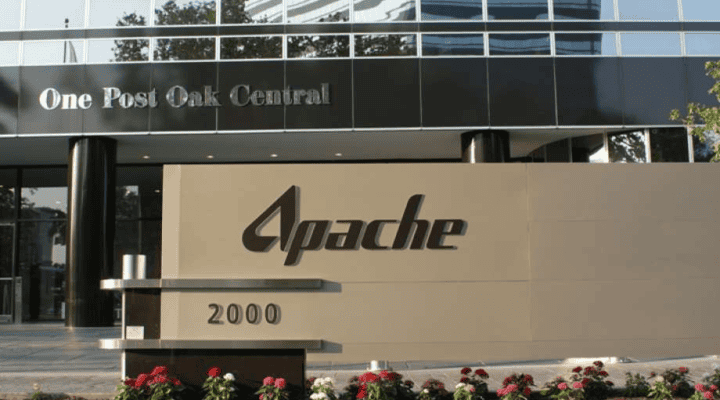
2 Stocks to Watch Today: Apache Corporation (APA), Kohl’s Corporation (KSS)

Apache Corporation (NYSE: APA) experienced a high price of $35.81 with a low value of $34.86 at the end of the last trading session, which followed after a loss of -1.79% and settled at $35.02 during the course of the last 24 hours for the day. Respectfully, the company now has 388.99M shares after the latest changes, so the present market capitalization sits at $13.62B. The trading volume of Apache Corporation shares went over 2,622,177 in a single day during the last trading session in comparison to the average volume of APA, usually circulating around 4.49M.

During the course of the last year, the stock has touched a high of $50.03 and a low of $24.56, which as a result has the increased attention of top market experts who are tracking the progress of the asset as it is getting closer to a notable historic high price or low value.

Looking at the latest analyst forecasts, the current earnings-per-share (EPS) consensus estimate is sitting at $1.63 per share. In the preceding year, the company reportedly generated EPS of $0.79 per share of its common stock. The profitability indicators are showing that this organization has an operating margin of 13.00%, a profit margin of 0.50%, and a gross margin of 80.50%.

If we were to do a comparison between the current price and its previous movement in the market, we can easily conclude that the price went to a negative change, going down by -0.27 in the past five trading days, which resulted in a percentage change of -0.77% and a moving average of 35.30. In the past 20 days, its price changed by +1.46, which means that the stock’s moving average was 34.16. Looking back at a cycle of the last 50 days, shares of APA changed by $+3.45 (which is +10.93%) and demonstrated a moving average of 33.05. Meanwhile, this stock’s MACD Oscillator was 0.12 over the past 9 days, and 0.72 over the past two weeks, also marking 1.04 in the period of the last 20 days.

Kohl’s Corporation (NYSE:KSS)’s shares demonstrated a change of 1.51% during the most recent trading session, ending the trading day at the price of $69.94 with a 24-hour trading volume that reached 2,894,775 – compared to its average trading volume of as 3.46M, as recorded over the past three months. With that closing price, the market capitalization of this company is now sitting at $11.79B. The moving average for last 20 days of Kohl’s Corporation is at 1.98%, while the average went up by 3.19% during the last 50 days with -2.32% recorded during the last 200 days. Additionally, this stock’s distance from its 52-week high price is currently down by -16.02%, while it’s sitting 20.82% away from its 52-week low price.

When you are considering investing in stocks, it is wise to consider counting in Wall Street analysts’ target prices, which should help you place a more profitable investment. The price targets can provide you with an idea of the predicted movement of stocks you are interested in. At the moment, the price target set for Kohl’s Corporation is $76.56. It’s also helpful to look at the average analyst recommendation score – which is provided on a scale of 1 to 5 where 1 is “strong buy”, 2 is “buy”, 3 is “hold”, 4 is “sell” and 5 is a “strong sell”. Right now, the average analyst recommendation for KSS stands at 2.40, which indicates that analysts recommend investors to Buy their shares of KSS until the stock approaches its target price.

Traders use the ATR to analyze potential exit and entry points, as it represents a useful tool in almost any trading strategy. ATR for this stock is sitting at 1.80. Beta tells us about a stock’s volatility, also known as its systematic risk, compared to the market overall. The current beta value for KSS is 0.80, while for the past seven days, this stock’s volatility was 2.79%, also recording 2.75% for the past 30-day period.

Professionals on Wall Street also frequently check the Relative Strength Index (RSI) of a potential investment, which tells us the speed and change of a stock’s price movement in the market. RSI is expressed on a scale of 0 to 100. If the indicators are set higher above 70, then the RSI factors are indicating that the stocks are overbought. The factors will indicate that a stock is oversold if the result is set below 30. Right now, Kohl’s Corporation (KSS) has an RSI of 55.83 – indicating that the asset is being neither overbought nor oversold.
Debt levels never higher

Loonies are pictured in Vancouver, Sept. 22, 2011. If you’ve found yourself with an overwhelming amount of debt, you can at least take comfort in knowing you’re not alone.

If you’ve found yourself with an overwhelming amount of debt, you can at least take comfort in knowing you’re not alone.

Canadian debt levels have been rising for decades, with the average family now owing $1.78 for each dollar of disposable income, compared with 66 cents for each dollar of income in 1980. Overall household debt has climbed 54 per cent in the last decade to reach $2.2 trillion.

The rising levels of indebtedness have left many households vulnerable, said Laurie Campbell, CEO of Credit Canada Debt Solutions Inc.

“Debt levels have never been higher than they are now…there’s no wiggle room.”

For those feeling overwhelmed and unable to pay their debts, there are two regulated, last-resort options: bankruptcy, and the less drastic consumer proposal.

Both put a freeze on creditors and allow you to eventually get out of debt while only paying part of what you owe.

Under a consumer proposal the amount paid back is negotiated with creditors, while bankruptcy payments are set by laws that also require you to sell assets.

But people shouldn’t rush into either option despite the stress, said Campbell.

“It’s not something to be taken lightly.”

Campbell recommends first getting free advice from non-profit credit counsellors to look at your full financial picture, and explore gentler options like an interest freeze to help pay off debt.

She said there is a risk of falling back into debt if other budgeting issues haven’t been sorted out yet, while bankruptcy and consumer proposals have long-term implications that need to be understood.

“Everyone should look at all their options very carefully before making that decision, because it’s a very final decision.”

The bankruptcy process generally lasts either nine or 21 months depending on income, and then the bankruptcy stays on public record for six years. A consumer proposal generally lasts five years and then stays on your record for three more. A second and third bankruptcy have much longer terms.

During the bankruptcy process, a trustee will take stock of your assets and income to determine what needs to be sold and what you’re required to pay.

The law allows keeping essentials like clothes as well as a low-valued car and other assets, with rules varying by province. Bankruptcy also requires minimum payments of $200 a month through the process to cover administration costs, and significantly more if your income is above a threshold. For those unable to pay, the fee can be waived in certain circumstances.

If you have a house with a mortgage, you may be able to keep it if your equity in it is small and you can manage the mortgage payments. If your equity is above a threshold, which varies by province, you’d have to find a way to pay that back as well or the trustee would have the power to sell it.

Throughout the process you will also have to report your income and expenses on a monthly basis to the trustee. Any changes in circumstance, such as a raise or inheritance, could increase your payments.

Despite the requirements, the process is simpler than many fear, said Shelley Koehli, a licensed insolvency trustee in New Westminster, B.C.

“For most people that go through the bankruptcy, it doesn’t impact their way of life, other than they don’t have access to credit until they’re discharged.”

For those who don’t want to go through the bankruptcy process, or want to keep more of their assets, the consumer proposal is less invasive.

While a longer process, it provides more control on keeping assets while still only paying back part of your debts.

“It’s kind of that in-between option,” said Koehli.

Both a bankruptcy and a consumer proposal can cover unsecured credit and debt like credit card debt, unsecured bank loans, back taxes, lines of credit, payday loans and unpaid bills.

However, they will not deal with secured debt like your mortgage, secured car loan or lease. They will also not include debts like spousal or child support, court imposed fines and student loans that are less than seven years old.

Koehli said the biggest mistake is waiting to talk to someone. Some clients sell off assets they could have kept before approaching her, while others fear they wouldn’t be able to cross the border or that they may go to jail.

“No, we don’t have debtors’ prison anymore.”

Campbell also said it’s important to reach out for help as early as possible, even before the situation becomes desperate.

“Get help quickly. Don’t wait until it impacts every part of your life.”

Clouds hang over free trade

Finance Minister Bill Morneau is acknowledging “clouds” hovering over various trade talks, as Canada struggles to get U.S. tariffs removed and the trade war between the United States and China drags on.

The revised free trade pact between the U.S., Mexico and Canada, known as the USMCA, has yet to be ratified, with Foreign Affairs Minister Chrystia Freeland warning earlier this week that Canada’s support for the agreement may hinge on the removal of U.S. tariffs on Canadian steel and aluminum.

Mexico, also straining under hefty metal duties, has said that unless the tariffs are lifted it will be content with the status quo of the North American Free Trade Agreement.

“They are clouds. These are challenges,” Montreal said in Montreal Thursday.

“We see the newspaper reports and it looks messy. I’ve learned that politics can be messy. I have some personal experience with that,” he said. “The sausage is being made, they just don’t have the casing on the sausage yet.”

Morneau said the Trudeau government is pushing weekly for an end to tariffs of 25 per cent on steel imports to the U.S. and 10 per on aluminum imports — first imposed by the Trump administration in June, and met by Ottawa with billions of dollars worth of tariffs on American goods.

Morneau said he is “cautiously optimistic” the updated deal will be ratified in the “not-too-distant future,” and that the China-U.S. trade row will wind down.

He suggested a growing suspicion of globalization around the world has led politicians to wax protectionist, complicating the USMCA and Sino-American negotiations.

Morneau also confirmed he has no plans to review the tax code, pointing in part to the federal election looming a half-year off.

Windsor-Essex company steps into the hemp block business

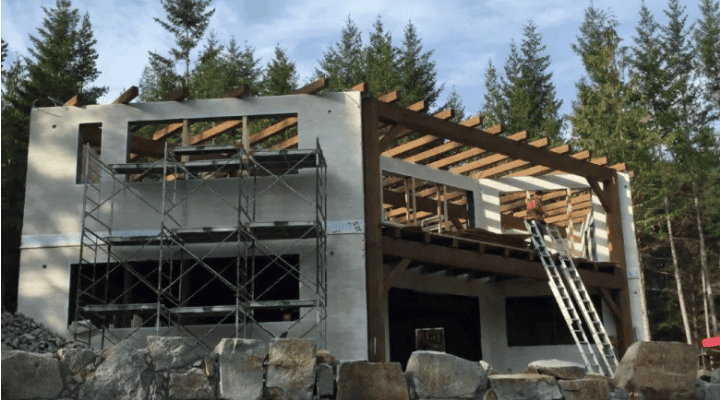
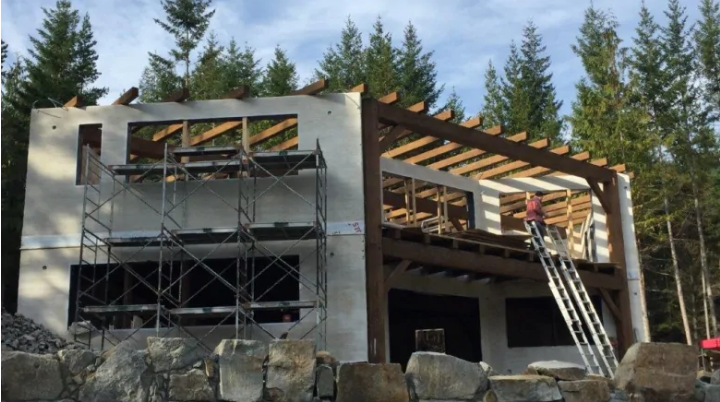
Hemp blocks are used to construct buildings like this one

‘Windsor-Essex can do so much more than just automotive … there are opportunities out there’

Two companies in Windsor, Ont., and Airdrie, Alb. are collaborating as they work on a new product: Lego-like building blocks out of hemp and lime for use in residential and commercial buildings.

They’re both sending the message that Windsor-Essex is about more than just auto — and Alberta is capable of more than just oil.

The process begins at Laval International, which is known for making moulds for auto parts. But now, the company is using its skills to mould structures that eventually help form hemp blocks.

We don’t necessarily have to live and die by the automotive.

– Jonathon Azzopardi , President and CEO of Laval International

The structures are shipped to Alberta to Just BioFiber Structural Solutions, where hemp, lime and calcium are added inside and out to finish them off. The hemp blocks are then used to construct buildings and homes.

“They’re like Lego pieces. It’s like building a Lego house,” said Jonathon Azzopardi, the president and CEO of Laval International.

‘It’s brand new’

According to Just BioFiber, their hemp blocks are a sustainable, carbon-negative building product.

Jonathon Azzopardi says this project has been a great opportunity to expand beyond the automotive industry.

Azzopardi said Laval has been working with Just BioFiber for two-and-a-half years now, and at this point, they have entered into a long-term contract with them to help them produce hemp blocks for the North American market.

“It’s brand new. I can guarantee you, you haven’t seen too many hemp homes,” he said.

Azzopardi hopes to see the product become mainstream by the savings that it results in. Though the raw material itself isn’t cheaper, he explained, savings come from the assembly part of the production, which results in time and cost savings on the rest of the project.

New to the market

The hemp company is just entering the market now. The company has built three homes in British Columbia so far and is hoping to expand that soon. 

Jonathon Azzopardi says the current partnership will keep about 10 employees busy for approximately the next year.

Halmo himself was born and raised in Windsor, so he had a strong pulse for which companies specialized in the kind of tooling they were looking for. That’s how Just BioFiber ended up partnering with Laval. 

“The project just went off very seamlessly,” he said. 

Paul Halmo, plant manager of Just BioFiber says the partnership with Laval has been going ‘seamlessly.’

With this partnership, Laval International has a year’s worth of production, which will keep 10 employees busy, like production and quality manager Sean Harwood, who says the project has been an exciting new challenge.

“It’s always fun to have a new product come in, a new type of process, ” Harwood said.

“This one is very intricate. It’s a lot of labour, very specific requirements as far as charge patterns, weights and quality standards. So it makes it fun to develop this.”

Economic diversification

The partnership has been great for the company’s bottom line, Azzopardi explained.

Laval moulds these structures. They get shipped to Alberta, where Just BioFiber fills them and surrounds them with a mixture made of hemp and lime to eventually create Lego-like building hemp blocks.

“But what’s more important, is it shows that Windsor-Essex can do so much more than just automotive,” he said.

“There are opportunities out there, and they’re not necessarily on the surface, but you got to search, and you got to find, and you’ve got to grow. That’s what this shows. It shows that we don’t necessarily have to live and die by the automotive. That we can use our expertise and our skills to help all kinds of industries, including the construction and the hemp industry.”

And Halmo echoes the same thought, being located in a place that’s locked into oil and gas production. 

The final product looks like this: rectangular blocks ready to go to a building site.

“We really need to have new products like the one that Just BioFiber has developed in order to get that diversification of products and let people know that, you know what? Windsor isn’t all about automotive, there are building products being made there, or they’re contributing to building products,” he said.

“Along with the Calgary area. I mean, there’s a lot to be said with the amount of innovation and technology that’s available. And we need ot diversify and find new markets for our skills.”