

Archives for March 29, 2018

3 Top Retiree Tax-Planning Mistakes

You’ve submitted tax forms for many years. How difficult can it be to submit them in retirement? It isn’t difficult – as long as you take into account basic changes that occur in retirement and the corresponding tax challenges.

Fortunately, you can learn from those who have retired before you. We are happy to pass along three of the top mistakes that retirees tend to make, so that you can plan now to avoid them.

1. Incorrectly Rolling Over a Retirement Account – Upon retirement, you have the option of rolling over your 401(k) into an IRA to maintain the balance – but you must be careful about how you do so.

Make sure that the funds are assigned directly from the 401(k) to the IRA. If the funds pass through you, it’s as if you cashed out the 401(k) to start a new IRA. Your former employer will withhold taxes and the remaining 401(k) distribution will be considered taxable income. By depositing the funds into a different retirement account within 60 days, you can still avoid a tax hit – but you will have to also deposit the same amount of money that was withheld for taxes via another source. Regardless of where you plan to retire, the number one factor in ensuring that you can retire on your terms is your 401(k). Make sure that your 401(k) is maximizing its potential with this free analysis that checks your fees, fund mix, and other factors to help you hit your retirement goals.

2. Mismanaging Distributions – Generally, you can start taking distributions that are free from penalty from your 401(k) or traditional IRA once you reach age 59-1/2. Once you reach age 70-1/2, you must start taking out required minimum distributions (RMD) from your account to avoid paying a stiff penalty (50% of the required amount that you didn’t withdraw).

Alternately, Roth IRAs are different since they are established using post-tax dollars. You may take out Roth IRA distributions at any time without penalty once the account has been established for at least five years.

By sketching out a rough long-term plan of your retirement income and when each source kicks in (for example, when you plan to claim Social Security benefits), you can keep your distribution proportionate to your needs and not suddenly thrust yourself into a higher tax bracket with an unexpected distribution. You can get your estimated Social Security benefit amounts anytime online by establishing a My Social Security account.

3. Misunderstanding Taxable Income and Withholding – As your income sources and amounts change, so do your tax liabilities and options. It’s important to know which sources of income are taxable so you know how much money to withhold. Otherwise, you may face an unpleasant tax bill and potential penalties for underpayment.

While most Roth IRA distributions are non-taxable, regular IRA and 401(k) distributions are taxed at your normal income rate, as is all income from your non-retirement sources, including capital gains, interest, and dividends. Any work you perform in retirement as an independent contractor will require extra withholding from some source to balance out the tax burden.

At higher total income levels, up to 85% of your Social Security benefits may be taxed as well. To find out, you’ll need to calculate a “combined income” to see if you meet income thresholds. IRS Publication 915 can guide you through the process.

While these three tax-planning mistakes can put a dent in your retirement plans, they are by no means the only ones. It’s important to do a comprehensive review of your finances heading into retirement and try to minimize your tax burden as much as possible.

If you need help assessing how your tax situation will change in retirement, seek the help of a qualified financial professional with experience in the field. Don’t let your dreams of a pleasant retirement derail you from the preparation that it takes to get there.

7 Smart Ways to Spend a $1,000 Tax Refund

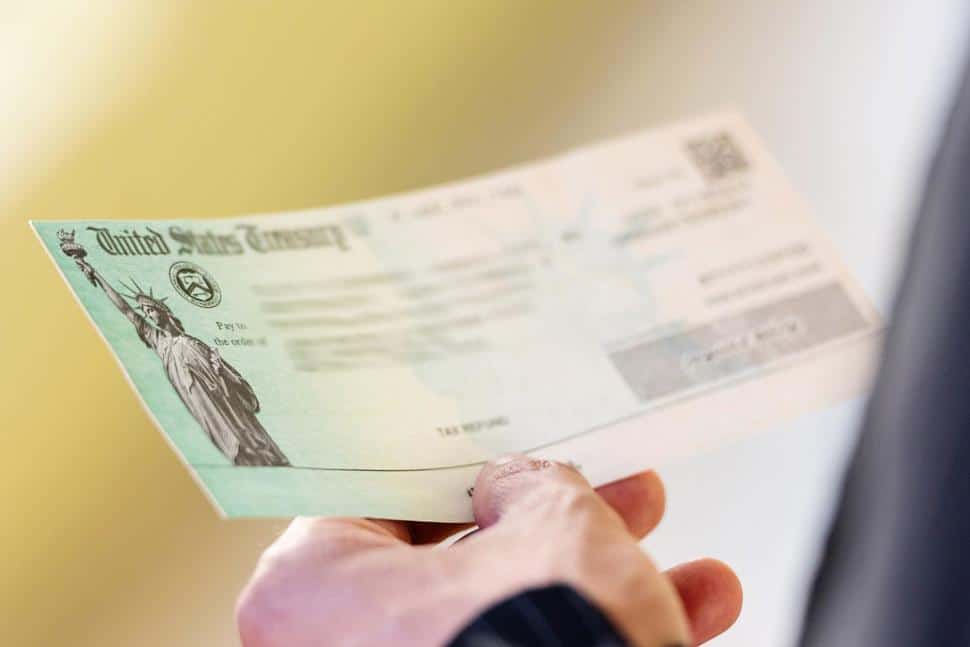
You could be coming into some money soon. According to the Internal Revenue Service, in 2017, 111 million Americans received tax refunds, with the average amount being $2,895.

Of course, you may not be due anything. The IRS anticipates approximately 41 million Americans won’t receive refunds this year. But let’s say you get a refund. What should you do with it? Save the money? Invest it?

If you’re looking for ideas to manage your influx of cash, we have them. But with that said, the higher your refund, the easier it is to decide what to do with it. So, say you receive a significant amount of money, such as $1,000 – still well below the national average – here are some money-smart ways to put your refund to good use.

1. Put the refund into a savings account. The national interest rate for a savings account is relatively low but getting higher – 0.07 percent APY (annual percentage yield), according the Federal Deposit Insurance Corp. That means over a year’s time, your bank account will have an extra 70 cents in it. But rates are expected to continue to rise, and the point of putting money away isn’t only to grow it, but to have access to it if you need it.

2. Use the refund to pay off credit card debt. Paying off debt is a strategic way to spend your windfall.

“The average credit card balance amongst Americans is at an all-time high, and the savings rate per American is at the second-lowest rate in recorded financial history,” says Mark Kohler, a certified public account and senior tax advisor for TaxSlayer, an e-filing service based in Georgia. “The economy is doing great and we have the opportunity to use any extra money to get out of debt and save for the future.”

And according to a 2018 study from Experian that analyzed the state of credit and debt in America, the average American has a credit card balance of $6,375. Paying off $1,000 wouldn’t eliminate all of that debt, but it would help.

3. Put the refund toward your retirement. A thousand dollars would pad your retirement fund nicely, and it’s just enough to get you started if you haven’t begun saving for retirement. Though some financial firms require a minimum of $5,000 or more to get a retirement account started, there are funds offered by companies, like Vanguard Group, the Charles Schwab Corporation and T. Rowe Price, just to name a few, that have retirement accounts that require a minimum of $1,000 to get started.

And if you need some motivation to start a retirement account, or to put more money into it, consider how much you can grow your money over time. As Judith Ward, a Baltimore-based senior financial planner with T. Rowe Price, puts it: “Our analysis shows that if you’re in your twenties and saving $250 a month in a tax-deferred account, you could amass almost $900,000 by your retirement age.”

Another thing to keep in mind: If you have a 401(k) and an employer that matches funds, you may be able to park the $1,000 there and double your money.

4. Use the refund for car or home maintenance. There are certain tasks every homeowner and car owner should do, and if you ignore them, you may pay dearly. For instance, never cleaning your gutters can lead to water pooling around your home’s foundation, and you might wind up with a flooded basement.

Alternatively, you could use the money for your car, or keep it in an account and plan to use it when your car needs it. “AAA reports that one in three people can’t pay a $500 to $600 car repair bill without taking on debt,” Ward says. She advises putting money toward home expenses as well. “Home maintenance or repairs could set you back several thousand dollars. Setting aside funds to cover these kinds of unanticipated situations allows you to be prepared without having to raid your retirement savings or pay with a high-interest credit card.”

5. Start an emergency fund. Sure, you’ve probably heard of setting up an account to cover large unanticipated expenses, but do you have one? And if you do have one, would the money pay for something big, like replacing your car or keeping your family financially solvent in the event you lose your job?

“Your emergency fund should be large enough to cover at least six months of living expenses to help you afford daily expenses if you suddenly become unemployed, get a surprise bill or have to deal with another unanticipated expense,” says Matt Gellene, a Boston-based executive at Merrill Edge, an online discount brokerage service.

6. Invest the refund – in you. “One of the most valuable investments anyone can make is in themselves,” says Jeremy Straub, CEO of Coastal Wealth, a financial planning firm in Fort Lauderdale, Florida. “This can include starting a gym membership, visiting the doctor or enrolling in a class. Studies have shown an active and healthy lifestyle and furthering an education benefits nearly all aspects of life.”

Or invest in your kids. “You could start or add to your child’s 529 plan,” says John Petosa, a certified public accountant and professor of practice at Syracuse University’s Whitman School of Management.

7. Don’t forget that “fun” is in the word refund. No, don’t use your entire refund to throw a party. But some personal finance experts do suggest that if you took 10 percent and did something fun with it, that can be smart.

And there’s nothing wrong with spending more than 10 percent if you’re in reasonable financial shape. Ronald Reinstein, a senior wealth advisor with The Financial Guys LLC in Williamsville, New York, says that he often tells clients who are on the right financial track to go “have fun with it with their family. Maybe it’s a weekend trip with the kids to a destination that’s special to them.”

While he would like to see his clients save the money, there’s value to using your money to spend time with loved ones, he says. “It is their hard earned money,” he adds. Still, if you have savings leftover, he recommends adding it to an emergency fund.

Here’s how you can eat healthy on a budget

Healthy eating doesn’t mean you also need to put your spending on a diet. It’s possible to eat well while on a budget. Here are some tips for keeping that grocery bill low:

Plan

Come up with a game plan for your grocery trip by looking through coupons and store circulars. Base your meals on the deals — and keep your schedule in mind as you identify dishes for the week.

Plan to use leftovers. Wasted food means wasted money.

Store extra food or bulk purchases in your freezer. Label clearly.

Most important: Know what’s in your pantry, refrigerator and freezer — and keep them organized.

You can rework dinner leftovers for easy school lunches. Turn that roast chicken into a quick stir-fry, pasta into pasta salad, or mashed potatoes into shepherd’s pie.

The same transformation can be done with breakfast. Just about anything can be tossed into oatmeal, while tomato sauce can be a starting point for a quick shakshuka (eggs poached in tomatoes).

Utilize your freezer

Bag up any ingredient or leftover meal and — here’s the key — label it. Keep a roll of painters tape and a permanent marker to stamp the date and food name to the bag.

This makes it easy to freeze bulk amounts of in-season fruit, healthy meals to defrost and enjoy throughout the week, or a portion of the vegetable chili you made way too much of.

Do the work

Convenience can cost more. Consider eschewing packaged goods or broken down ingredients and instead work with whole foods. Whole poultry can be cheaper than already cut up birds, and just as tasty with recipes such as this Harissa Roasted Chicken.

A package of rolled oats can produce a variety of dishes (granola cereal, oatmeal, granola bars, smoothie filler, etc). You have more control over the contents of your food as well, which leads to tasty recipes such as this one for chewy granola bars.

If you happen to have a green thumb, a vegetable or an herb garden may be a good investment.

Opt for different sources of protein

Meat can be costly, especially when compared to alternative sources of protein such as beans, lentils, tofu and eggs.

If you don’t want to give up meat entirely, incorporating other protein sources can bulk up a dish.

Or, opt for cheaper cuts of meat. A slow cooker can render the toughest cuts into tender bites.

The amount of protein an adult needs in a day varies on age, gender and physical activity — ask your doctor or nutritionist for an amount. ChooseMyPlate.gov offers a look at the protein intake for adults and children who take part in less than an 30 minutes of moderate physical activity per day.

The following amounts equal to one ounce of protein: 1 ounce of meat, poultry or fish; ¼ cup cooked beans; 1 egg; 1 tablespoon of peanut butter; or ½ ounce of nuts or seeds.

Vegetarian meatballs

1 ½ cups cooked lentils

1/3 cup grated Parmesan

3 cloves garlic, minced

¼ cup bread crumbs

1 teaspoon dried basil

1 teaspoon dried oregano

½ teaspoon red pepper flakes

1 teaspoon salt

1 teaspoon black pepper

2 large eggs, beaten

1. Preheat oven to 350 F.

2. Mash lentils (a food processor works) and put in a bowl.

3. Mix in the rest of ingredients and form into balls.

4. Place on a greased baking sheet and bake 13-15 minutes.

5. Remove from baking sheet and serve.

Here’s how much money you should save at every age so you aren’t working forever

You’re not the only one who struggles to save money. In fact, most Americans are pretty bad at it. A 2017 survey from GOBankingRates found that 57 percent of Americans have less than $1,000 in their savings accounts.

Pamela Capalad, a certified financial planner and founder of Brunch & Budget, told INSIDER that saving for retirement can seem like a daunting task for many people.

“I think most Americans (or at least my clients) hear they have to have X number by retirement and they throw up their hands and say, well that’s never going to happen, so let me just give up now,” Capalad said. “Saving starts as a habit, a muscle you build so it becomes a natural part of your financial life. It’s more important, if you’re not used to saving, to learn how to internalize that habit than feel bad about a magic number that you feel like you can never reach.”

But it is essential to start saving money as early as possible in life, financial experts say.

“The earlier you can begin to save money — no matter how small or large the amounts, the more likely you will be to set up healthy habits for the future,” Jim Marrocco, a certified financial planner at Thinking Big Financial, Inc., told INSIDER.

Here’s how your savings should look at every stage of your life.

If you’re in your 20s, focus on becoming debt free and growing your career.

Millennials, you can breathe a sigh of relief. (Kind of.)

Financial experts generally don’t expect people in their 20s to have much saved for retirement because so many Americans in their 20s are struggling with repaying student loans. Instead, 20-somethings should focus on tackling that debt and growing their career and income.

“I try to encourage clients to use 10 to 20 percent of their income to increase their net worth, rather than focus explicitly on how much they’re trying to save,” Matt Cosgriff, a certified financial planner at BerganKDV, told INSIDER. “For someone with $200,000 in debt, focusing on saving 20 percent is likely to be impossible. However, if they can funnel a good chunk of their paycheck to paying off debt, while also balancing saving 5 percent of their income, that can be an effective strategy.”

Kaya Ladejobi, a certified financial planner and founder of Earn Into Wealth Strategies, LLC, said it’s difficult to pinpoint a specific dollar amount that 20-somethings should have saved because everyone’s journey is different.

“For example, I have 27-year old doctor clients who are just about to get their first job ‘residency,’” Ladejobi told INSIDER. “They are past mid-20s and just now getting the opportunity to work in their career. And then you have student loans which makes it really challenging for a lot of young people to set money aside.”

Ladejobi also said that young people should be more concerned with their net worth than their retirement savings.

She tells her young clients to measure how much they have earned during their working years and see if they have been able to improve their net worth by 10 to 20 percent of what they’ve been making per year.

If you have a lower income, a larger portion of your earnings will have gone to living expenses, so 10 percent might be a more appropriate goal, Ladejobi said. But if you can afford it, you want to try to hit the higher benchmark of at least 20 percent.

“Some people will have more set aside,” she said. “Let’s assume you are 25, have worked for four years and your taxable income has been $60,000 each year, so you have earned $240,000 in total. Multiply that by 10 to 30 percent and check to see if you have grown your net worth by at least $24,000 to $72,000 over the course of the four years that you have earned.”

Growing your net worth can take the form of multiple types of assets, she said, from cash to a retirement plan to real estate or reducing debt.

“Just make sure that your net worth is getting better with each year of work,” Ladejobi advised.

Taking the time to invest in your career in your 20s will help you be save down the road.

Investing time and money in your career in your 20s will help you make salary jumps, Ladejobi said.

“Go to that career conference, network, subscribe to the trade magazines of your profession and grow your earning power until you can afford to set some money aside for the future,” she said.

Capalad added that a 20-something living in a big city may not save as much money as someone living in a smaller city.

“But that decision to live in a big city in your 20s maybe helped your career take off in your 30s,” she said. “So maybe you didn’t have as much saved as you could have in your 20s making different lifestyle decisions, but you ended up in a very different and perhaps more satisfying situation — financially and otherwise — in your 30s.”

In your 30s and 40s, you should be more financially stable and make saving a priority.

Once you’re into your 30s, ideally you will be more financially stable and able to dedicate more of your income to savings.

A 30-year-old with a household income close to $50,000, for example, should have about $20,000 saved toward retirement, according to one estimation from a J.P. Morgan Asset Management chart.

Cosgriff said that he uses this chart with his clients as a rough check-in point for how much they should have saved at their stage of life.

The chart starts at age 30 — which is perhaps comforting for the 20-somethings wondering how in the world they’re supposed to be developing their careers, paying off student loans, buying groceries and saving for retirement — and lists ages in five-year increments.

To see how much you should have saved up, find the intersection of your current age and your closest household income. You then multiply your income by the “checkpoint” number shown to determine how much you should have put toward retirement.

For example, a 45-year-old with a household income of around $75,000 should have about $225,000 saved up.

image002

Cosgriff said that, although he uses the chart as a guide, how much to save largely depends on how much you want to spend in retirement.

“As a general rule we try to encourage people, once they’ve tackled student loan and other debts (except mortgage), to save 15 to 20 percent of their income towards retirement or financial independence,” he said.

Watch out for lifestyle creep.

Cosgriff warned against your spending keeping up with your income as you make more money in your 30s and 40s.

“As careers grow and subsequently income, it’s critical to combat lifestyle creep, which is the gradual rise of expenses as income increase,” he said, “If you can do that successfully over time, it can easily combat (as income rises) not being able to save 10 to 20 percent early in your career given the crippling student most of us find ourselves battling.”

In your 50s and 60s, focus on setting aside money for retirement.

As you get closer to retirement age, your savings should be becoming more significant.

A 55-year-old with a household income of $50,000, for example, should have about $165,000 saved up, and someone with a salary of closer to $75,000 should have around $382,500.

By the age of 65 you should aim to have about $117,000 saved — even if your household income is on the lower end of the spectrum — according to the J.P. Morgan estimates.

“The biggest mistake I see is that people save for retirement, but without really knowing how much they need to save or assuming that putting some money into a 401K or retirement plan will be enough,” Marrocco said.

Having a clear intention in mind for how much you want and need to save is key.

Here’s how to get started when saving seems impossible.

If you’re feeling discouraged, remember that most Americans don’t meet these goals.

“Generally speaking, most Americans are way behind when it comes to saving for retirement,” Cosgriff said. “Our industry has largely for years focused entirely on investing and saving, which fundamentally misses the point. You can’t save if you don’t earn the right to save, which means you can’t save if you don’t actually have money left at the end of the month to save!”

It all starts with budgeting and effectively managing your finances so you put yourself in a position to save and invest long-term, he said.

“Spending less than you earn — earning the right to invest — is simple advice, but that doesn’t mean it’s easy when it comes to balancing student loans, saving for college, and bills.”

Mary Ellen Hancock, a certified financial planner and senior wealth strategist at PNC Wealth Management, told INSIDER that many factors including “competing interests for your dollars — raising a family, education, taking care of parents and/or siblings, unexpected large expenses, and not being properly insured” can make it difficult for people to save.

Taking the first step to saving money can be the hardest part.

Capalad recommends trying what she calls “microsaving” smartphone apps.

“Apps like Qapital and Digit are a great way to get started,” she said.

Qapital is a free app that tracks your spending habits and automatically puts aside money to go toward your goals. Digit is another app you can use to almost trick yourself into saving money.

Setting up automatic transfers into a savings account that is not linked to your checking account can also be helpful, Capalad said.

“I just had a client open a separate savings account for the first time and she said she loves it — it feels like money she can forget about,” she said.

It’s all about building the habit to save, Capalad added.

“Part of the habit is learning to NOT touch savings, even if it feels like a small amount,” she said. “It’s going to look stupid to you to have $25 in your savings account. What’s that going to do, right? But the practice of leaving that $25 in there, then $50, then $100 is what’s going to build the habit and the bank account.”