
Archives for March 4, 2018

Paying down debt vs. building savings? How to choose

Simple math suggests it’s likely better to get rid of debt before saving for retirement or adding to your emergency fund.

In general, if the interest you pay is higher than the interest you earn, you’re losing money.

But personal finance decisions are rarely so simple, and ditching debt first isn’t the right choice for everybody. For example, it can mean not having emergency savings to fall back on — setting you up to take on more debt when an unexpected expense hits.

Here are scenarios for when each choice – paying down debt or saving – makes more sense.

When to pay debt before saving

When you have high-interest consumer debt, paying it down first can help you solve ongoing problems with managing your money.

You’ll get a guaranteed “return” by cutting your interest payments. It’s typically more than you’d earn in the stock market and definitely more than you’d earn in a savings account.

Identify your expendable income, create a budget based on that number and include paying down debt as a significant part of the equation. Consider opening a balance transfer credit card, which can allow you to consolidate all of your credit card debt onto one low-rate card and save you money on finance charges.

Kevin Smith, executive vice president of wealth management for Smith, Mayer & Liddle, says it generally makes sense to emphasize debt reduction, though there can be exceptions.

“Paying down a traditional loan like a mortgage or student loan only reduces the outstanding principal and related interest costs,” Smith says.

Making extra payments will save you money in the long run, but in the short term, it doesn’t cause your lender to recalculate and lower your monthly payments.

When deciding whether to pay off tax-deductible debt versus saving, don’t worry about losing a tax deduction if you pay off the debt. The deduction is probably worth less than the annual interest you would have paid on the loan.

When to save before paying debt

There are a number of good reasons to save first and pay later, but the top reason is to build your emergency fund.

If your debt has a very low interest rate, it may make sense to save first, said certified financial planner Melissa Joy, who’s a professional, partner and director of wealth management at the Center for Financial Planning in Southfield, Michigan.

“If you don’t have any savings, focusing solely on paying debt can backfire when unexpected needs or costs come up. You might need to borrow again, and debt can become a revolving door,” she says.

Experts recommend building an emergency fund of three to six months’ worth of expenses and stashing it in a savings account. Compare savings accounts to find one that pays a decent return.

Another situation where it makes sense to save before paying debt is if you have access to a retirement savings plan through your job, especially if there’s an employer match available. Try to contribute at least enough to get the maximum employer match.

Putting off saving for retirement until you are debt-free could cost you your most valuable asset: time. With compounding interest, even small contributions to your retirement plan can grow significantly.

Best of both worlds?

The best solution could be to strike a balance between saving and paying off debt.

You might be paying more interest than you need to, but having savings to cover sudden expenses like car repairs will keep you out of the debt cycle.

Additionally, having sufficient savings provides peace of mind. Some people are unlikely to feel at ease with any strategy, no matter how financially logical, that causes their savings to fall below a level that feels right to them. For them, saving and paying down debt at the same time might be the best approach.


Super-Couponing Tips: Tips to use coupon savings for vacations

It’s difficult to put a vacation-saving strategy together without knowing exactly where you want to go and what kinds of experiences you’d like to enjoy when you get there. For example, a week at the beach is going to be less expensive than a week at a popular theme park. As you think about that, let’s talk coupon savings for a bit.

There are several ways to look at earmarking your coupon savings for a family trip. I’ve spoken with many couponers over the years who like to take the perspective that their coupon savings is “found money.” They point out that they would be buying these groceries anyway, so if they save $30 this week with coupons, that $30 goes straight into their “fun money” fund, where it grows each week with additional coupon savings added after each shopping trip.

Other shoppers look at the full, non-sale prices of everything they’re buying, then put that savings toward their vacation savings, too. For example, if a box of cereal is on sale for $1.49, but the regular price is $2.99, these shoppers take that extra $1.50 they’ve saved due to the store’s sale and add that money toward what they’re saving for, as well. Depending on where you shop, your store may even show a “Total Savings” dollar amount that aggregates both your total coupon savings and your loyalty card and non-sale-price savings, too. If you can afford to save this way, you’ll add money to your account goal more quickly.

When I’m planning a trip, whether it’s a weeklong vacation trek or a meaningful weekend away, I try to set my budget goals accordingly. Here are the questions I ask myself each time I enter trip-planning mode:

• Where do we want to go?

Many people choose the destination first, and then plan the trip around it. However, if you’re flexible on where you want to go and when, you may want to sign up with one or more travel websites for alerts on airfare and base your trip around a great deal. We have gone to New Orleans from Chicago, round trip, for less than $75 per ticket this way. When a family of four can fly somewhere, round trip, for $300, it frees up much more of the budget for lodging, meals and fun.

• How will we get there?

Will we fly or drive? There are advantages to both. Flying saves time and maximizes the time spent at your destination, but driving may be less expensive. Again, I say “may” because we’ve taken trips where we’ve found ridiculously low airfares, and driving to the same destination undoubtedly would have cost more.

•Where will we stay and when will we go?

We love the outdoors and are seasoned campers, but we also love staying in hotels and at resorts. Lodging is one of those areas that can vary wildly in price based on season and promotions. We once took a trip to Hilton Head Island in December — the off-season — and rented a two-bedroom villa for $120 per night. The same villa costs more than $400 per night in the summer.

I’m also a fan of hotel loyalty points. During my business trips, I try to stay at hotel properties under the same parent company, as I’m able to accrue rewards points that I then like to redeem for free nights at hotels at our vacation destinations. If you travel for work, this is a great way to drop your housing budget even more.

What do we want to do? If there are specific attractions at your destination that you wish to enjoy, reach out to the city’s tourism bureau and request information by mail. We’ve often gotten coupons and discounts for local restaurants, rides, and attractions through this simple step.

Jill Cataldo, a coupon workshop instructor, writer and mother of three, never passes up a good deal.

Saving money at home – whatever the weather

Insulating your home can slash your energy bills – but it’s about more than rolling out some fibreglass in your attic

A bout of bad weather can be quite a shock to the system – but so too is the inflated energy bill that comes a few weeks later.

But no matter how the weather is now, it’s never a bad time to make your home more energy efficient. Done right it will save you money while keeping you cosy – with an extra bit of warmth coming from the knowledge that you’re doing your bit for the environment too.

The easy wins

While the real benefits of energy efficiency take investment, there are some simple things that can give immediate savings.

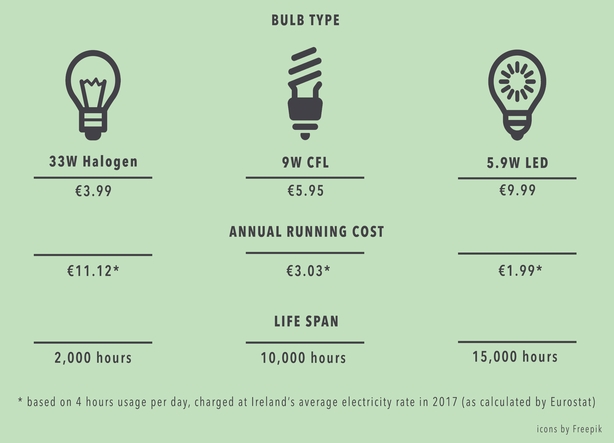
Switching to more energy efficient bulbs is a good example of that – and while the returns may not be breathtaking, they’re not to be sniffed at either.

An LED bulb is more expensive than a halogen equivalent but that difference should be recouped within a year and, as they have a considerably longer lifespan, you won’t have to replace them as often.

With each bulb saving you a few euro each year, that adds up to a decent sum of money once multiplied across all the lights in your home.

Another easy change is to block draughts in the house. This can be done by adding draught-excluding seals to doors or by using a chimney flue balloon when your fire is not lit.

The savings from this are hard to quantify – but you should immediately feel the effects by way of a cosier home.

Insulate yourself against big bills

If you want to make real gains you may need to consider making a real investment.

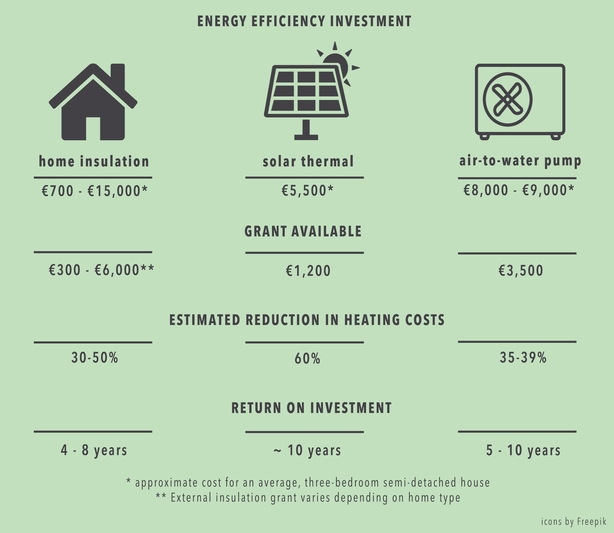
The Sustainable Energy Authority of Ireland recommends that insulation should be the first port of call for any efficiency-focused home improvements – as even the best heating system in the world would be wasteful in heat-leaking home.

But doing that right involves more than a few rolls of fibreglass in your attic – proper insulation  includes your walls as much as your roof.

The SEAI estimates that an average home loses 20-30% of its heat through walls and up to 30% through the attic – so good insulation could cut heating bills in half.

The cheapest option for wall insulation involves pumping small polystyrene pellets into the external wall.

This can cost around €700-€1,000 for a semi-detached home, with the SEAI offering a €300 grant against the cost. However that is only suitable for homes built with proper cavity walls, meaning many buildings will be incompatible.

An alternative that is suitable for all home types – and perhaps one of the most straight-forward available – is internal ‘dry-lined’ insulation, often referred to as Warm Boards.

They are essentially plasterboards with a layer of insulated material on the back that can be put on any wall (or ceiling) that’s exposed to the outside.

They are then skimmed like normal plasterboard, leaving a normal-looking but well-insulated wall.

Warm boards are relatively cheap to buy – around €25-35 per 3 meter squared depending on the thickness of the insulation – and one added up-side is that you can install them on a room-by-room basis.

Again, the SEAI offers a grant for their installation – ranging from €1,200 to €2,400 depending on your home type (though that is based on the entire house being dry-lined at once).

The final and most expensive option is external wall insulation, which sees slabs of polystyrene attached to the outside of a house before it’s covered in a solid render to make it weather-proof.

Costs will vary depending on the number and size of your external walls but a standard semi-detached house may cost anywhere between €10,000 and €15,000 to insulate using this method.

In that instance an SEAI grant of €4,500 would help to soften the blow, though that amount is lower (€2,750) for apartments or mid-terrace houses and higher (€6,000) for detached homes.

Turning up the heat

Once your home is better equipped to hold the heat, you can turn your attention to the heat itself.

If your boiler is getting on in years it may be worth replacing it with a more efficient model – for example a condenser boiler, which gets more heat from the fuel it burns.

Should your boiler still has some years left in it, make sure you are at least keeping it serviced – as that will ensure it is running as efficiently as it can.

You can also look at the way in which your heating system makes use of your boiler’s output – as proper controls can make a significant difference to your costs.

A 24/7 timer will allow you to keep tighter control of your heating schedule, while a thermostat will ensure the temperature stays steady – stopping the house from overheating in the process.

If you can add in zones this will allow you to heat separate areas of the house – or the water – independently, meaning you are not turning on every radiator just to make your living room cosy in the evening.

The SEAI no longer offers grants for boiler upgrades but can give €700 towards improved heating controls.

More heat than from light

With all that in place you should see huge savings on your energy bills, however there is the potential to shave even more off your annual outgoings by reducing the amount of heat you’re paying for.

This can be done by a few methods – including the installation of solar thermal panels, which uses daylight to heat your water.

Jokes about Ireland’s lack of sunshine aside, these panels will – at the very least – boost the base temperature of your water, meaning your boiler has less work to do when you do want to warm your home.

An average installation could cost around €5,000 but the SEAI estimates that they could cover 60% of a household’s heating needs each year, with a grant of €1,200 on offer for their installation.

Another option is the installation of a heat pump – which pulls in warm air from the outside to help heat your water and, in turn, your home.

It works in a similar way to your fridge, transferring warm air from one place to another, and while running one will elevate your electricity usage it should cut your heating costs dramatically.

This can be a more expensive option than solar – costing around €9,000 to install – but there will be a €3,500 SEAI grant available from April on.

Efficient use of resources

Some energy efficient changes can be done with ease and minimal expense; some can be done as part of bigger home improvements, while others require major investment and plenty of consideration.

If you expect to be in the same home for many years to come the right investment could save you big time in the long-run. Just make sure you consult reputable companies – and get plenty of quotes – before you make a final decision on what the right move is for you.

The single woman’s guide to budgeting

No one wants to sit down once every week and track their spending. However, this is an essential practice to live a good quality, stress-free life. People who build and track their budget spend just right and save more for the future. Most single women, unfortunately, do not consider budgeting seriously and save less than single men of the same age. Here is some financial advice for all the single women out there. Follow these tips and you might be able to make that Europe trip you always dream of.

Build your budget

Take a pencil to paper and start noting down your income and expenses. While you can also use Excel or a budget app like Money Manager, it is best to start off on paper so that you can pay more close attention to what you are doing. Note down your:

Monthly net income

This is your gross income in the UAE. If you lived in a country that charged taxes on your income, you would subtract the tax from your gross income to get your monthly net income.

Fixed expenses

This includes all your expenses that don’t change from month to month. For example, you have to pay a fixed premium for your UAE car insurance each month. Other expenses in this budget category include rent, utilities, monthly phone bill, WiFi charges, etc.

Savings expenses

Yes, you read it right. We are considering savings as an expense. Once you think of your savings this way, you can’t avoid allocating a budget for it. The most important allocation of budget in this category is for an emergency fund. You should have enough in your emergency fund to cover expenses for 6 to 9 months. Don’t panic if you haven’t started doing this. Planning a budget is the first step. Other expenses in this category include money you put in your retirement fund, investments such as stock and mutual funds, any debts that you have to pay off and the amount you want to place in your savings account.

Variable expenses

These are expenses that can vary from month to month but are still necessary. These include the cost of groceries, car fuel, clothing, gym membership, prescription medication, etc. It is quite possible, for example, that you spend a lot on clothes at the beginning of a season and not so much mid-season. So, the expense of purchasing new clothes will be different each month.

Fun expenses

Here, you should include expenses for items and activities you can do without but would like to spend on. You can use the money in this category for those expensive new designer shoes you saw in the Mall of the Emirates a week ago. You can also think of it as another savings category, especially if you like to travel. Your fun expense could be savings for a weekend getaway trip.

Subtract and evaluate

Now that you have all the numbers down, subtract all your expenses from your monthly net income. The end number will weigh heavily on your next decision. If you have a surplus, hooray! You can choose to save up more or spend some more. You are doing better than most of us. If you are breaking even, phew! We are happy for you and hope you can maintain this streak. If you end up with a deficit, however, you need to go over your budget and cut down expenses in the variables and fun expenses categories. You can even cut down your fixed expenses if the deficit is really bad.

Good habits to develop

Everyone needs to develop good spending habits to be able to achieve a surplus in their budget. Even if you are breaking even, there is always room to save more. The following tips are essential for people who are facing a deficit:

  • Try to stay in more. This way, you will spend less on entertainment and gas for unnecessary trips.
  • Consider sharing a place with other people to cut down on your rent expense.
  • Prepare your meals at home and dine out less.
  • Learn to say no to people. If someone wants you to have a night out on the town, for example, and you can’t afford it, say no and stick to it.
  • Be transparent about your budget to colleagues, friends and family. This makes saying no easier because people will understand where you are coming from.
  • Be aware of the pitfalls of instant gratification. If you are an impulsive buyer, put off buying something you suddenly want for a week (or better yet, a month) before buying it.
  • Consider taking the public transport or car pooling. This will also be good for the environment.
  • Take input on your budget from a friend or family member who is really good with their finances.
  • Take your budget seriously. That means that once you have made it, you need to stick to it. You also need to go back to it frequently to reevaluate it and see where you can do better.
  • Engage in comparison shopping whenever you are about to make a big purchase. For instance, if you need to renew your car insurance policy, get quotes from various car insurance companies before signing the papers with one to make sure you are getting the best rate.