
uranium mining

Breaking Down the Uranium Bull Cycle Through Technical Analysis and Market Signals

The uranium bull cycle has entered a decisive phase, with institutional investors flooding into uranium equities and spot prices reaching levels not seen since the post-Fukushima recovery. After years of underinvestment and supply constraints, the nuclear fuel sector is experiencing a fundamental shift that’s creating compelling opportunities for investors who understand the underlying dynamics driving this market transformation.

Current uranium spot prices have surged beyond $85 per pound, representing a more than 300% increase from the cycle lows recorded in 2020. This price appreciation reflects a perfect storm of supply deficits, growing nuclear energy demand, and strategic stockpiling by utilities seeking long-term fuel security. The uranium bull cycle isn’t just about higher commodity prices—it’s reshaping the entire nuclear fuel supply chain and creating substantial value for companies positioned at critical points in this ecosystem.

Leading uranium producers are generating cash flows that seemed impossible just three years ago. Cameco Corporation, the world’s second-largest uranium producer, has seen its stock price triple during this uranium bull cycle, driven by renewed production at previously shuttered mines and long-term contract negotiations at significantly higher prices. The company’s McArthur River mine, idled in 2018 due to depressed uranium prices, resumed operations as spot prices climbed above economically viable thresholds.

Technical analysis reveals multiple buy signals across the uranium sector that suggest the bull cycle is far from over. The Uranium Miners ETF has broken through key resistance levels, establishing new support zones that indicate sustained institutional interest. Volume patterns show consistent accumulation phases, with major fund managers increasing their positions in both physical uranium funds and mining equities. The Global X Uranium ETF has experienced net inflows exceeding $2 billion over the past 18 months, demonstrating how institutional capital is driving this uranium bull cycle to new heights.

Supply Constraints Fuel Long-Term Price Momentum

The structural foundation of this uranium bull cycle rests on a severe supply-demand imbalance that took years to develop and will require significant time and capital to resolve. Global uranium production fell to multi-decade lows as producers curtailed operations during the extended bear market that followed the Fukushima disaster. Kazakhstan, which supplies approximately 40% of global uranium, has struggled to increase output due to technical challenges and reduced capital investment during the downturn.

Meanwhile, nuclear reactor construction has accelerated worldwide, with over 60 reactors currently under construction and hundreds more in planning phases. China alone has committed to building 150 new nuclear reactors over the next 15 years, creating uranium demand that far exceeds current production capacity. This demand growth is occurring simultaneously with reactor life extensions in established nuclear markets, as governments recognize nuclear power’s role in meeting carbon emission reduction targets.

The uranium bull cycle is being further amplified by strategic uranium reserves being established by major economies. The United States recently allocated $4.3 billion for domestic uranium production and strategic stockpiles, while European nations are diversifying their nuclear fuel sources away from Russian suppliers. These government-level purchasing programs are removing substantial quantities of uranium from commercial markets, creating additional upward pressure on prices that benefits uranium mining companies across the globe.

Investment Strategies for Capturing Bull Cycle Gains

Successful navigation of the uranium bull cycle requires understanding the different segments within the nuclear fuel supply chain and their respective risk-reward profiles. Large-cap uranium producers offer exposure to rising uranium prices with relatively lower volatility, as their established operations and long-term contracts provide stable cash flow generation. Companies like Cameco and Kazatomprom have demonstrated their ability to scale production in response to higher prices while maintaining operational discipline.

Junior uranium miners and development companies present higher-risk, higher-reward opportunities within this uranium bull cycle. These companies often own significant uranium resources that become economically viable as prices rise, leading to dramatic revaluations. However, investors must carefully evaluate management teams, resource quality, and jurisdictional risks when considering these investments. The most successful uranium development companies have secured strategic partnerships with established producers or end-users, reducing execution risks while maintaining upside exposure.

Physical uranium investment vehicles have emerged as pure-play options for investors seeking direct exposure to uranium price appreciation without operational risks. Sprott Physical Uranium Trust has accumulated over 60 million pounds of physical uranium, removing this material from the spot market and contributing to the supply tightness driving the current bull cycle. These investment vehicles offer liquidity and transparency while providing direct participation in uranium price movements that traditional mining stocks may not fully capture.

The uranium bull cycle represents a once-in-a-decade opportunity driven by fundamental supply-demand imbalances and accelerating adoption of nuclear energy worldwide. Technical indicators suggest this bull market has substantial room to run, with institutional capital continuing to flow into uranium investments at unprecedented levels. Investors who position themselves strategically within this sector stand to benefit from a commodity cycle that could extend for several more years as nuclear power reclaims its position as a critical component of global energy infrastructure.
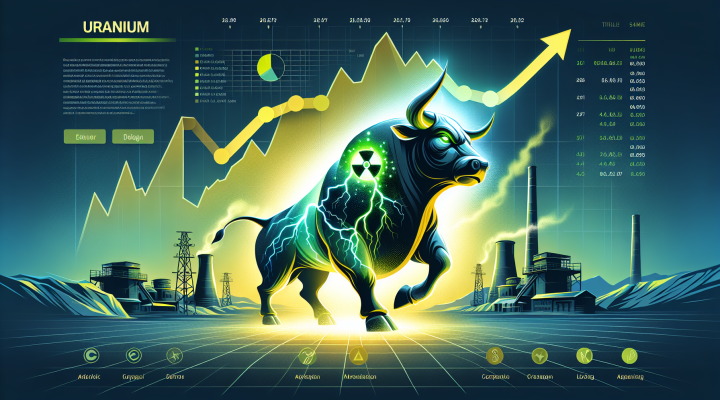
Smart Investors Are Recognizing the Uranium Bull Cycle Stock Opportunity

The energy sector is experiencing a profound transformation, and at the center of this shift lies one of the most compelling investment opportunities in decades. As global demand for clean energy intensifies and nuclear power gains renewed acceptance, the uranium bull cycle has emerged as a defining trend that sophisticated investors cannot afford to ignore. This fundamental shift represents more than just commodity price appreciation—it signals a structural change in how the world approaches energy security and carbon reduction.

Understanding the dynamics driving this uranium bull cycle requires examining multiple converging factors, from supply constraints to evolving energy policies. For investors seeking exposure to this trend, identifying the right entry points and analyzing uranium-focused stocks has become increasingly critical as market momentum builds.

Supply Constraints Fueling the Uranium Bull Cycle

The foundation of the current uranium bull cycle rests on a dramatic supply-demand imbalance that has been years in the making. Following the 2011 Fukushima incident, uranium prices collapsed, forcing many mining operations to suspend production or delay new projects. This extended period of underinvestment created a supply deficit that is now becoming apparent as nuclear demand recovers.

Primary uranium production currently falls short of global reactor requirements by approximately 20-25 million pounds annually. This gap has been filled by secondary supplies, including stockpiled inventories and decommissioned weapons material. However, these sources are finite and diminishing rapidly. The Megatons to Megawatts program, which converted weapons-grade uranium to reactor fuel, concluded in 2013, removing a significant supply source from the market.

Kazakhstan, which produces roughly 40% of global uranium, has faced production challenges due to in-situ recovery difficulties and regulatory changes. Meanwhile, geopolitical tensions have further complicated supply chains, with several Western nations reconsidering their reliance on uranium from certain regions. These factors collectively create a bullish backdrop that supports higher uranium prices and, by extension, uranium mining company valuations.

Nuclear Renaissance Driving Long-Term Demand

The uranium bull cycle gains additional momentum from a fundamental shift in global energy policy. Climate change concerns have rehabilitated nuclear power’s reputation as governments recognize its role in achieving carbon neutrality goals. This nuclear renaissance is evidenced by concrete policy changes and construction commitments worldwide.

China leads this expansion with over 20 reactors under construction and plans for 150 additional units by 2030. The European Union has included nuclear power in its green taxonomy, recognizing it as a sustainable energy source. In the United States, both existing reactor life extensions and new small modular reactor (SMR) development programs signal growing nuclear commitment.

Japan’s gradual reactor restarts, initially delayed post-Fukushima, add incremental demand to global uranium requirements. South Korea has reversed its nuclear phase-out plans, instead committing to nuclear capacity expansion. These policy reversals and expansion plans create a multi-decade demand trajectory that underpins the uranium bull cycle thesis.

Key Stock Analysis Metrics for Uranium Investments

Evaluating uranium stocks within this bull cycle requires understanding industry-specific metrics beyond traditional financial analysis. Resource quality, measured by grade and extraction costs, determines long-term profitability potential. Companies with high-grade deposits and low-cost production capabilities typically outperform during uranium price rallies.

Production capacity and timeline represent critical factors, as uranium spot prices can move faster than companies can bring new production online. Investors should prioritize companies with near-term production potential or existing operational capacity that can capitalize on price improvements. Permitted projects with established infrastructure offer advantages over early-stage exploration plays.

Geopolitical considerations have gained importance as supply chain security concerns influence purchasing decisions. Uranium companies operating in stable jurisdictions command premium valuations, while those in politically risky regions face discounted valuations despite potentially superior resource quality. Contract portfolios also matter significantly, as companies with long-term delivery contracts provide revenue stability during volatile periods.

Identifying Buy Signals in Uranium Equities

Technical and fundamental buy signals in uranium stocks often diverge from broader market patterns due to sector-specific dynamics. Volume expansion typically precedes significant price movements, as uranium stocks maintain relatively thin trading volumes during quiet periods. Institutional accumulation, evidenced by increased holdings from specialized resource funds, often signals informed capital positioning ahead of price movements.

Uranium spot price trends provide leading indicators for equity performance, though stock prices can exhibit leverage to underlying commodity movements. A sustained uranium price above $50 per pound historically triggers renewed mining project economics and increased investor interest. Current pricing dynamics suggest this threshold has been surpassed with conviction.

Corporate developments such as production guidance increases, new contract announcements, or acquisition activity often catalyze individual stock outperformance. Companies announcing restart plans for previously mothballed operations typically experience immediate rerating as investors recognize the operational leverage inherent in existing infrastructure.

The uranium bull cycle represents a convergence of supply constraints, demand growth, and policy support that creates compelling investment opportunities for informed investors. As nuclear power regains its position as a cornerstone of clean energy strategies worldwide, uranium stocks offer leveraged exposure to this fundamental energy transition. Success in this sector requires patience, careful stock selection, and recognition that this bull cycle’s duration may extend well beyond typical commodity cycles due to the long-term nature of nuclear fuel planning and the structural supply deficit that has developed over the past decade.