
Archives for April 25, 2026

Record Copper Demand Transforms Technology and Infrastructure Investment Landscapes

The global economy stands at the precipice of an unprecedented copper consumption surge, driven by technological revolution and infrastructure transformation that promises to reshape investment strategies across multiple sectors. As artificial intelligence, electric vehicles, and renewable energy systems rapidly scale worldwide, the copper demand outlook has become increasingly bullish, presenting both opportunities and challenges for investors and industry stakeholders.

Data centers powering artificial intelligence applications alone are projected to consume 8.9 million metric tons of copper annually within the next three years, representing a 340% increase from current levels. This dramatic escalation stems from AI’s voracious appetite for high-performance computing infrastructure, which requires extensive copper wiring, cooling systems, and power distribution networks. Major technology companies have already begun securing long-term copper supply contracts, recognizing that metal availability could become a bottleneck for AI expansion.

Electric vehicle adoption continues accelerating globally, with each EV requiring approximately 83 kilograms of copper compared to just 23 kilograms in traditional internal combustion vehicles. Government mandates across Europe, North America, and Asia are pushing automakers toward electrification targets that will require an additional 6.4 million metric tons of copper annually. The copper demand outlook from transportation electrification alone represents one of the largest commodity demand shifts in modern industrial history.

Renewable energy infrastructure development compounds this demand pressure significantly. Wind turbines, solar installations, and grid modernization projects consume enormous quantities of copper for generators, inverters, transformers, and transmission lines. A single offshore wind turbine can contain up to 8 tons of copper, while utility-scale solar farms require approximately 4.5 tons per megawatt of installed capacity. As nations pursue ambitious carbon neutrality goals, renewable energy copper consumption is expected to triple over the next decade.

Investment flows into copper mining and exploration projects have intensified dramatically in response to these demand projections. Major mining companies are committing unprecedented capital to expand existing operations and develop new deposits, with over $180 billion in announced copper-related investments scheduled through the end of the decade. However, the geological reality of copper deposits means that even with massive investment, new production capacity typically requires 10-15 years to come online, creating a structural supply-demand imbalance.

Technology companies are increasingly integrating backwards into the copper supply chain to secure strategic metal access. Several major tech firms have established direct partnerships with mining companies, while others are investing in copper recycling technologies and urban mining initiatives. This vertical integration represents a fundamental shift in how technology companies approach resource security, treating copper access as a competitive advantage rather than merely a procurement challenge.

Geopolitical considerations further complicate the copper demand outlook, as approximately 60% of global copper reserves are concentrated in just five countries. Trade policy uncertainties, environmental regulations, and resource nationalism in key producing regions are driving consuming nations to diversify supply sources and invest in domestic processing capabilities. These dynamics are reshaping global trade flows and creating new investment opportunities in previously overlooked regions.

Price volatility remains a constant concern for industrial consumers and investors alike, with copper futures experiencing significant swings as market participants attempt to price in future supply-demand dynamics. Forward curves indicate sustained price elevation, with industrial consumers increasingly adopting hedging strategies and long-term procurement agreements to manage cost exposure. This price environment is simultaneously attracting speculative investment while creating operational challenges for copper-intensive industries.

The convergence of technological advancement, infrastructure modernization, and resource constraints is creating a perfect storm that positions copper as perhaps the most critical industrial metal of our generation. For investors, the copper demand outlook presents compelling opportunities across mining, technology, and infrastructure sectors, while requiring careful navigation of supply chain complexities and geopolitical risks that will define market dynamics for years to come.
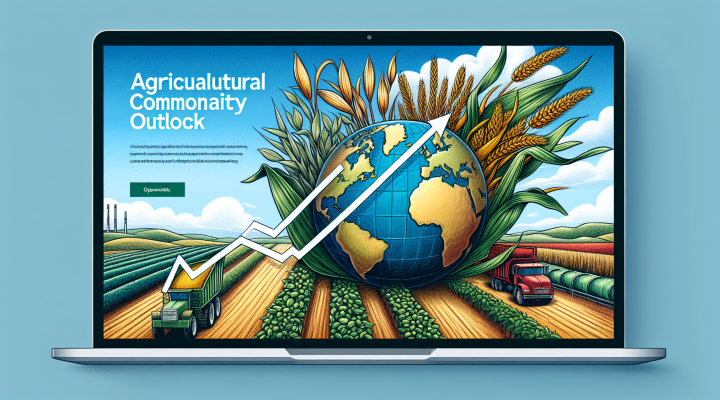
Smart Canadians Navigate Agricultural Commodity Outlook to Build Wealth

Canadian investors looking to diversify their portfolios and hedge against inflation are increasingly turning their attention to agricultural commodities. With global food demand rising and climate challenges reshaping farming patterns, understanding the agricultural commodity outlook has become essential for building a robust personal finance strategy.

The agricultural commodity outlook for Canada presents unique opportunities that savvy investors can leverage. As one of the world’s largest agricultural exporters, Canada benefits from strong global demand for wheat, canola, and pulses. Recent trade agreements and shifting global supply chains have positioned Canadian agricultural products favorably in international markets, creating potential wealth-building opportunities for individual investors.

For Canadians seeking exposure to agricultural commodities, exchange-traded funds (ETFs) offer an accessible entry point. These funds track agricultural commodity indices and provide diversification across multiple crops and livestock sectors. Popular options include broad-based agricultural ETFs and more focused funds targeting specific commodities like grains or soft commodities. This approach allows investors to benefit from the agricultural commodity outlook without the complexities of direct commodity trading.

Direct investment in agricultural land has gained traction among affluent Canadians, particularly in provinces like Saskatchewan and Alberta where farmland values have shown consistent appreciation. This strategy requires significant capital and expertise but offers tangible asset ownership and potential rental income from farming operations. Investors should carefully research local regulations, as some provinces restrict foreign ownership of agricultural land.

Agricultural commodity stocks represent another avenue for capitalizing on positive agricultural commodity outlook trends. Canadian companies like Nutrien, a leading fertilizer producer, and Maple Leaf Foods offer exposure to different segments of the agricultural value chain. These stocks can benefit from rising commodity prices while providing dividend income and potential capital appreciation.

Risk management remains crucial when incorporating agricultural investments into personal finance strategies. Agricultural commodity outlook can shift dramatically due to weather events, disease outbreaks, or geopolitical tensions. Diversification across multiple commodities, geographic regions, and investment vehicles helps mitigate these risks. Canadian investors should limit agricultural commodity exposure to 5-10% of their total portfolio unless they possess specialized knowledge in this sector.

Tax considerations play an important role in agricultural commodity investing for Canadians. Commodity ETFs may generate taxable distributions, while direct land ownership offers potential tax advantages through capital gains treatment. Consulting with a tax professional ensures optimal structuring of agricultural investments within registered accounts like RRSPs or TFSAs where appropriate.

Timing agricultural commodity investments requires understanding seasonal patterns and long-term trends. The agricultural commodity outlook often reflects planting and harvest cycles, with prices typically exhibiting seasonal volatility. Patient investors who can withstand short-term fluctuations while benefiting from long-term demographic and climate-driven demand trends tend to achieve better results.

Technology is reshaping the agricultural commodity outlook through precision farming, genetically modified crops, and sustainable agriculture practices. Canadian investors can position themselves to benefit from these innovations by investing in agricultural technology companies or funds focused on sustainable farming practices. These investments align with growing environmental consciousness while potentially delivering strong returns.

For Canadians building long-term wealth, agricultural commodities offer compelling diversification benefits and inflation protection that complement traditional stock and bond portfolios. By understanding the agricultural commodity outlook and implementing appropriate investment strategies, investors can harness the growth potential of this essential sector while managing associated risks. The key lies in starting with modest allocations, conducting thorough research, and maintaining a long-term perspective that recognizes agriculture’s fundamental role in the global economy.

Smart Investors Track Oil Sands Production Updates as Canada’s Energy Sector Transforms

The Alberta oil patch has undergone a remarkable transformation, and Canadian investors have learned to watch one critical metric above all others: oil sands production data. Every monthly oil sands production update now carries the weight to move markets, shift portfolio allocations, and signal broader economic trends across the nation.

This intense focus stems from oil sands representing roughly 97% of Canada’s proven oil reserves, making production levels a barometer for the country’s economic health. When major operators like Suncor Energy, Canadian Natural Resources, or Imperial Oil release their quarterly figures, institutional investors pore over every barrel of daily output, capacity utilization rates, and forward guidance. The ripple effects extend far beyond energy stocks, influencing the Canadian dollar, employment figures, and government revenues.

Recent technological advances have fundamentally altered the oil sands landscape, making each oil sands production update more significant than in previous decades. Steam-assisted gravity drainage (SAGD) improvements have reduced extraction costs by nearly 40% since 2014, while artificial intelligence and automation have boosted recovery rates. These efficiency gains mean that production increases now translate more directly to profitability, amplifying investor interest in monthly output figures.

Market Dynamics Driving Investment Interest

The investment community’s obsession with oil sands production updates reflects several converging market forces. First, global energy security concerns have elevated the strategic importance of North American oil production. Unlike conventional oil plays that can ramp up or down relatively quickly, oil sands operations require long-term capital commitments, making production consistency a key indicator of operational excellence.

Environmental, social, and governance (ESG) considerations add another layer of complexity to oil sands production analysis. Investors now scrutinize not just production volumes but also carbon intensity metrics, water usage efficiency, and land reclamation progress. Companies that demonstrate improving environmental performance alongside stable production growth often command premium valuations.

The financial markets have also become more sophisticated in interpreting oil sands data. Analysts now track maintenance schedules, turnaround timing, and seasonal production patterns with unprecedented precision. A single oil sands production update can trigger algorithm-driven trading if actual figures deviate significantly from consensus forecasts, creating volatility that savvy investors have learned to anticipate and capitalize on.

Strategic Implications for Portfolio Management

Portfolio managers across Canada have integrated oil sands production monitoring into their core research processes, recognizing these updates as leading indicators for multiple investment themes. Energy infrastructure companies, transportation firms, and even technology providers serving the oil sands benefit from production growth trends. Conversely, production disappointments can signal broader challenges in capital allocation or operational efficiency.

The timing of oil sands production updates has become increasingly strategic. Companies that report strong production figures during periods of high oil prices often see outsized stock performance, while those missing targets during market downturns face amplified selling pressure. This dynamic has created opportunities for active managers who can quickly interpret production data within the broader commodity cycle context.

Currency traders also monitor oil sands production updates closely, as sustained production growth typically strengthens the Canadian dollar through improved trade balances. The correlation between oil sands output and CAD performance has become more pronounced as other commodity sectors have faced production challenges.

The modern Canadian investment landscape revolves around energy sector performance, and oil sands production remains the sector’s primary growth engine. Each monthly oil sands production update serves as a pulse check on technological progress, operational efficiency, and long-term competitiveness. For investors seeking to navigate Canada’s resource-driven economy, these production metrics have evolved from simple operational data points into essential strategic intelligence that shapes portfolio decisions and risk management across multiple asset classes.