Archives for January 4, 2020

Segway’s latest EV prototype looks like Professor X’s wheelchair

The company will show off the concept vehicle at CES.

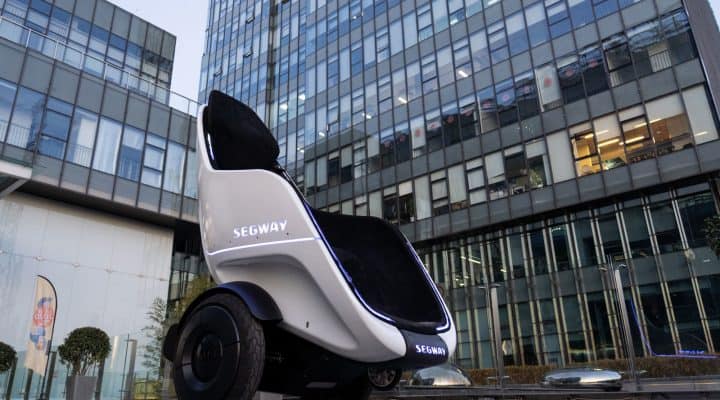
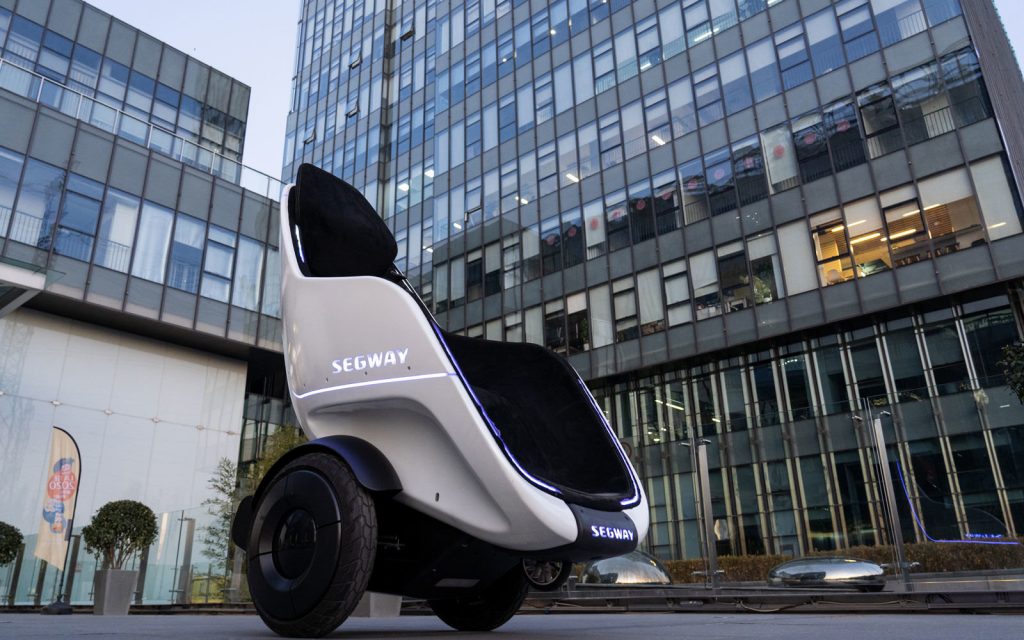
Once you get past oddities like bread-making machines, CES is really wouldn’t be what it is without some forward-looking mobility concepts. Case and point: next week Segway and owner Ninebot will show off a prototype electric vehicle called the S-Pod that looks like a horseless chariot.

According to the two companies, the 330.7 pound S-Pod can cruise at a top speed of 24.8 miles per hour. They claim it’s also easy to drive thanks to a feature that automatically balances the vehicle while it’s moving. The current prototype can travel about 43.5 miles before its battery needs to be charged.
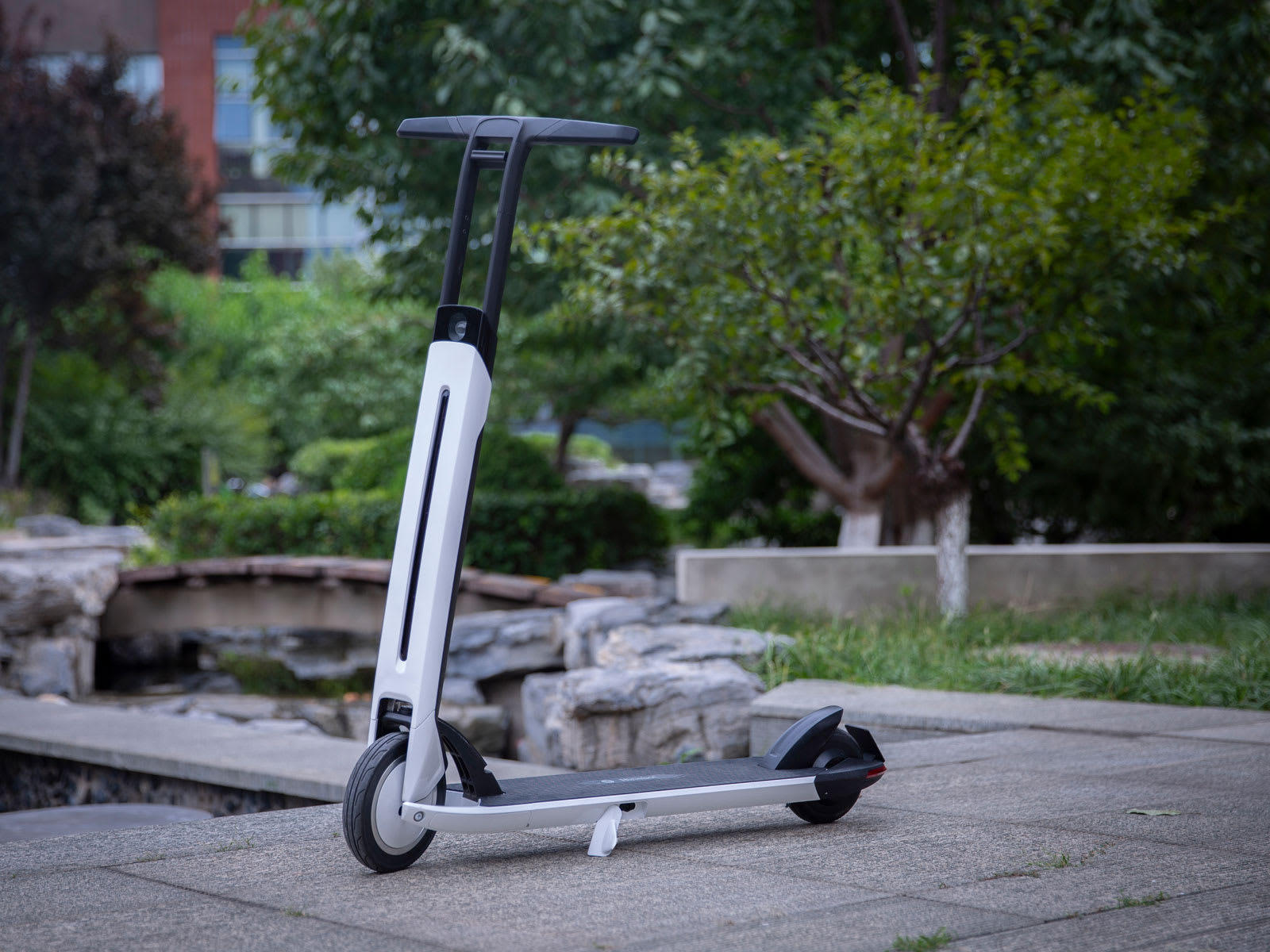
Ninebot KickScooter Air T15

Looking to the more immediate future, the companies will also show off a new electric scooter called the NineBot KickScooter Air T15. At 22.09 pounds, Segway and Ninebot say the T15 is the most lightweight and compact kick scooter they’ve made to date. The vehicle uses a new braking system that charges the battery whenever you slow down or stop.

When you’re not riding it, the T15 can fold up to make it easier to store. Ninebot says it should take at most about seven seconds to fold and unfold the scooter. The frame is also IPX5-certified water resistant, which means occasional showers won’t damage its internals. The 300 watt motor can propel the scooter at 12.4 miles per hour and get it up a 15 percent incline without slowing down. Meanwhile, the 144 watt-hour battery takes approximately two-hand-a-half hours to charge, and features a 9.32 mile max range.

Ninebot plans to sell the KickScooter Air T15 for $699.99. Next week, we’ll likely also see the eMoped and eScooter EVs Ninebot showed off last month — though it’s safe to say the S-Pod will probably dominate the conversation.

Update: This story originally had the price of the KickScooter Air T15 listed as $799; Segway has since updated to say it is $699.
NEC’s new PC lineup for the US includes a 4K OLED laptop

There’s also an ultrabook and a clever all-in-one.

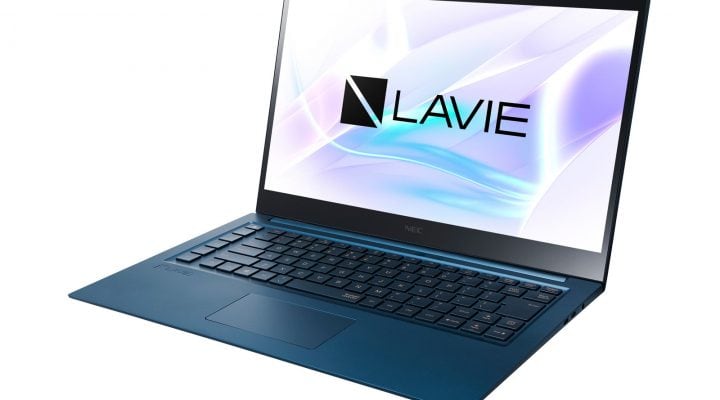
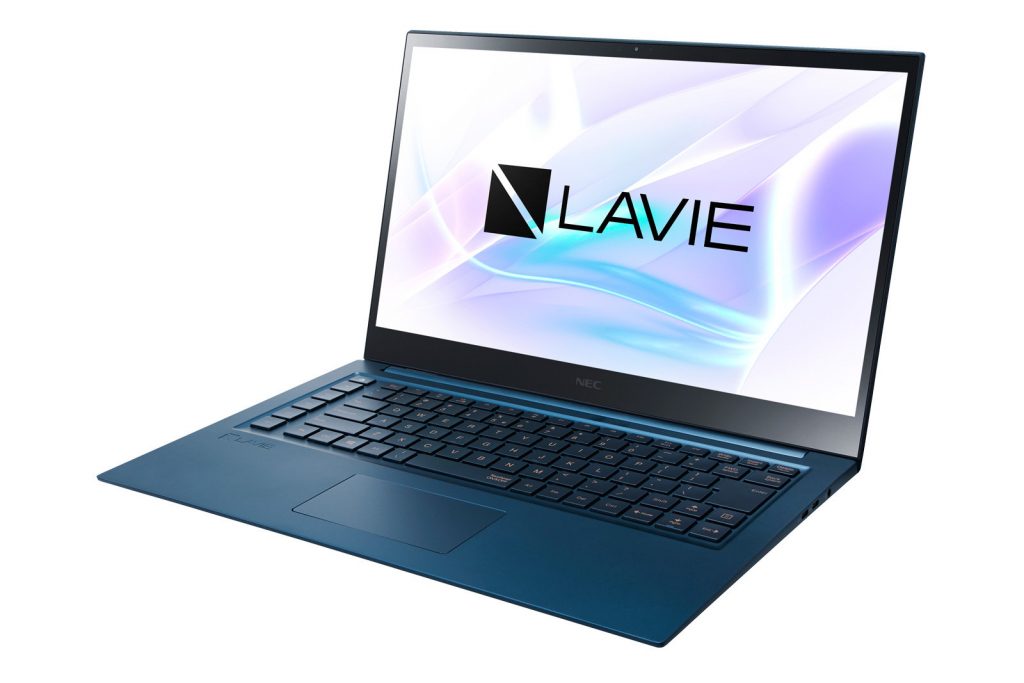
NEC’s LaVie PCs have come to the US before, but with Lenovo badging — and they’ve usually played second fiddle to Lenovo’s own IdeaPads and ThinkPads. Now, however, they’re getting more of a chance to shine. Lenovo is releasing three higher-end LaVie PCs in the US under the NEC name, each of which has at least one stand-out feature. The highlight for many may be the LaVie Vega (above), a 15.6-inch macine that touts a 4K OLED display, a six-core 2.6GHz Intel Core i7 and a 512GB Optane-assisted SSD despite a body that weighs just 4.06 pounds. The base system is stuck with 8GB of RAM and Intel’s integrated graphics, but the LaVie logo on the back doubles as a Cortana smart speaker that works even when the portable is asleep.

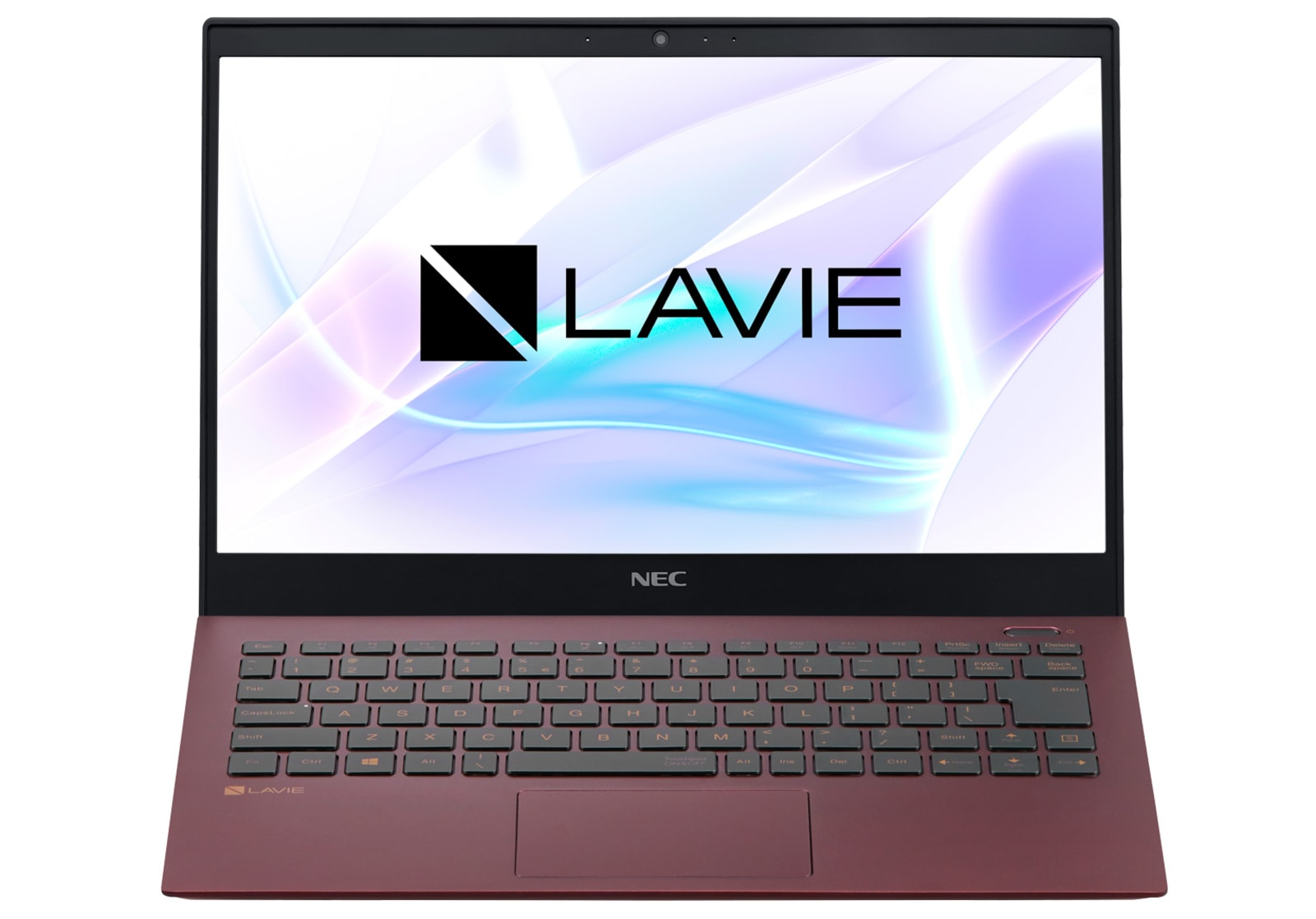
Those who value portability over all else might prefer the LaVie Pro Mobile (pictured at center). It’s using a low-voltage 1.8GHz Core i7 and a 13.3-inch 1080p display, but it delivers a claimed 15 hours of battery life and sports a carbon lid that keeps the weight down to a featherweight 1.85 pounds. The 512GB SSD helps, too, although it still starts with 8GB of RAM.

NEC LaVie Pro Mobile

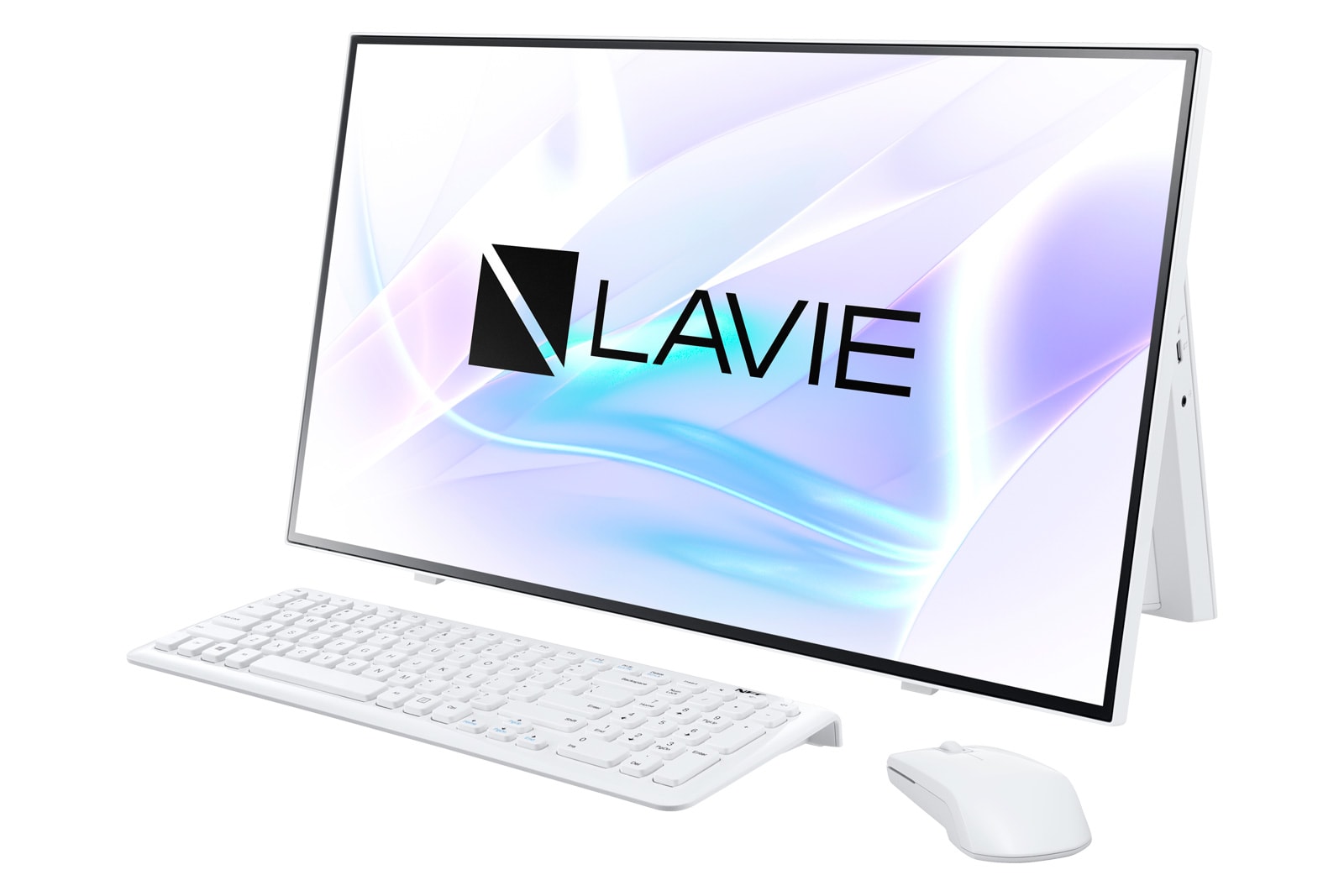
There’s just one desktop in the mix, although it’s a clever one. The LaVie Home All-in-One (below) centers around a 27-inch display that uses LG’s Crystal Sound to produce 5.4W of stereo sound directly from the display. It won’t shake the room, but it also eliminates any dedicated speakers that would clutter the painting-like design. Just don’t expect brisk performance. There’s a low-voltage 1.8GHz Core i7 under the hood along with 8GB of RAM, a 256GB SSD, a 3TB 5,400RPM hard drive (really, Lenovo?) and even a DVD burner.

All three PCs arrive in March. The LaVie Vega is unsurprisingly the most expensive model with a $2,100 starting price, while the Pro Mobile and Home All-in-One begin at $1,600 and $1,800 respectively. That’s a lot to pay for the performance you get — Lenovo and NEC are clearly banking on rare tricks like 4K OLED and Crystal Sound to justify the cost.

NEC LaVie Home All-in-One

Y2K-type glitch is causing NYC parking meters to reject credit cards

The payment software expired on January 1st.

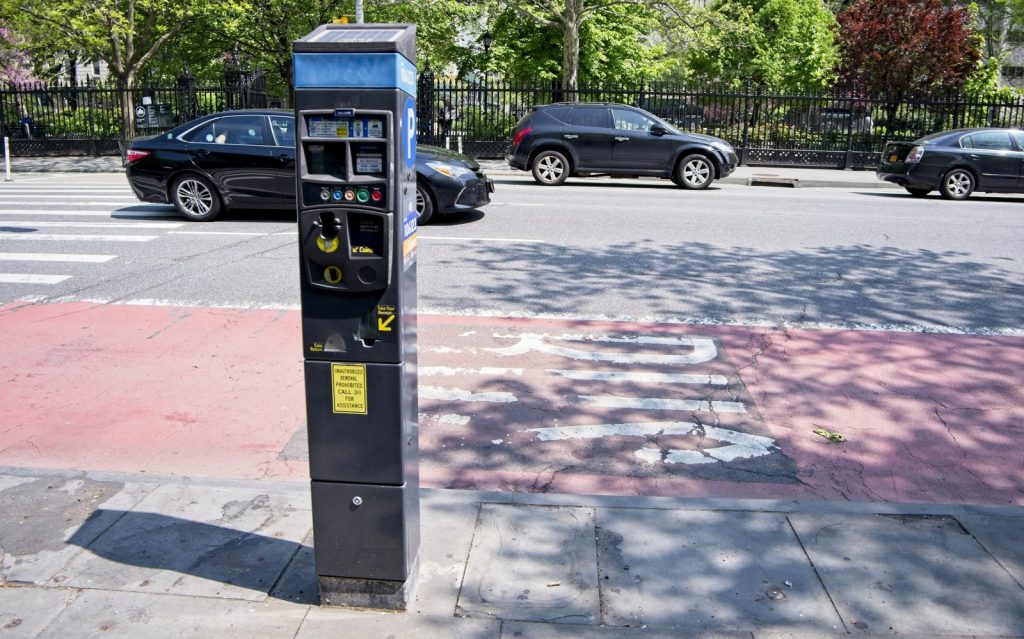
A software glitch is causing parking meters throughout New York City to reject credit and prepaid parking cards, The New York Times reports. The payment software was set to expire on January 1st, and the vendor reportedly failed to update the software before the new year. So, at the stroke of midnight Wednesday, the city rang in a bug reminiscent of those feared around Y2K, which predicted computer systems would crash.

According to the NYC Department of Transportation, crews are out reconfiguring the software meter by meter. It’s unclear how long that will take, as the city has 14,000 meters covering about 85,000 parking spaces.

The meters are still accepting coins and the free ParkNYC.org app. The city hasn’t said how it will handle all of the tickets issued while the payment software is down.

Lenovo’s updated ThinkPad X1 laptops include optional privacy screens

You no longer have to upgrade to the more expensive ThinkPad T480s to get the tech.

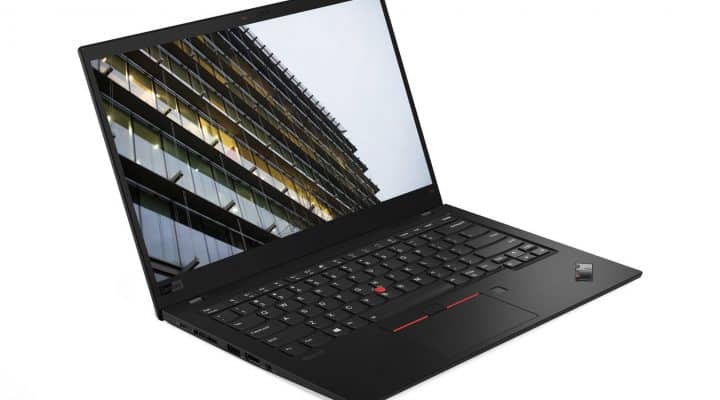
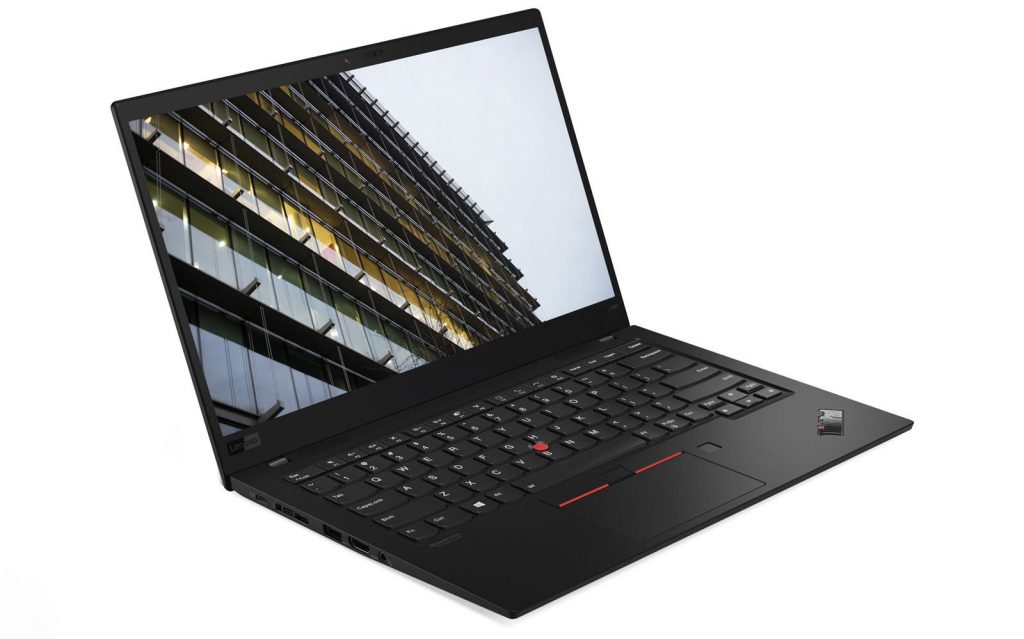
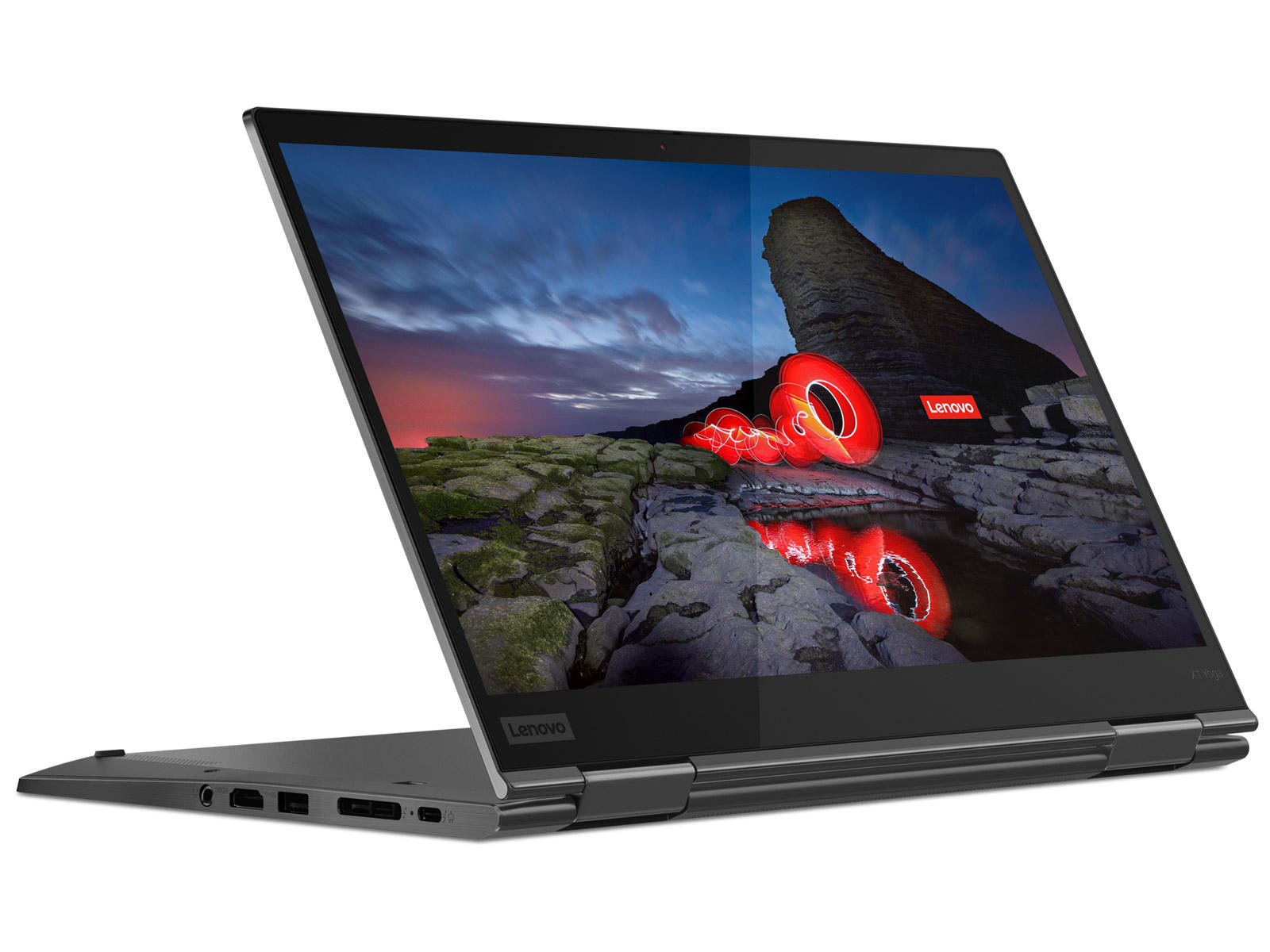
Ahead of CES, Lenovo is refreshing its flagship X1 laptop lineup. The company last updated the ThinkPad X1 Carbon and X1 Yoga this past August, so there aren’t any drastic redesigns this time around. Like the previous generation models, the updated laptops feature Intel’s latest 10th-generation “Ice Lake” processors and up to 16GB of RAM. One new addition is that you can now configure both laptops with as much as 2TB of internal storage, up from the 1TB max in last year’s models. Lenovo has also tweaked their keyboards to add function keys that allow you to quickly start and end a voice-over-IP call.

However, the biggest addition is that you can customize both models to include a new 500-nit, 1080p display that features the company’s PrivacyGuard technology. Like the Sure View displays HP has offered for a couple of years, these screens will prevent people from looking over your shoulder to see what you’re working on. Lenovo previously offered a PrivacyGuard display option on some of its more expensive ThinkPads like the T480s, but this is the first time you can get it on the consumer-friendly X1 Carbon and X1 Yoga. At 500 nits, the display is also twice as bright as the company’s previous-generation PrivacyGuard screen, addressing one of the major downsides of the tech previously.

Lenovo ThinkPad X1 Yoga


Otherwise, the two computers are identical to their predecessors. Lenovo is once again claiming approximately 18.5 hours of battery life on the X1 Carbon and 15 hours on the X1 Yoga. Both new models weigh as much as they did before, with the X1 Carbon coming in at 2.4 pounds and the X1 Yoga at 2.9 pounds. The new computers will be available sometime this year, but Lenovo gave no specific details on when. The X1 Carbon will start at $1,499, while the X1 Yoga will cost $1,599 and up.

Taiwan Semiconductor Mfg. (NYSE:TSM) Shares Gap Up to $60.04

Shares of Taiwan Semiconductor Mfg. Co. Ltd. (NYSE:TSM) gapped up before the market opened on Friday . The stock had previously closed at $60.48, but opened at $60.04. Taiwan Semiconductor Mfg. shares last traded at $58.31, with a volume of 4,906,878 shares traded.

A number of analysts have recently weighed in on TSM shares. Goldman Sachs Group reissued a “buy” rating and set a $55.00 price target on shares of Taiwan Semiconductor Mfg. in a research report on Monday, September 30th. China Renaissance Securities raised shares of Taiwan Semiconductor Mfg. from a “hold” rating to a “buy” rating in a research report on Tuesday, December 17th. Zacks Investment Research downgraded shares of Taiwan Semiconductor Mfg. from a “strong-buy” rating to a “hold” rating in a research report on Wednesday, December 18th. Finally, ValuEngine downgraded shares of Taiwan Semiconductor Mfg. from a “buy” rating to a “hold” rating in a research report on Wednesday, October 2nd. Two investment analysts have rated the stock with a hold rating and four have assigned a buy rating to the company’s stock. The company presently has an average rating of “Buy” and a consensus price target of $51.00.

The company has a debt-to-equity ratio of 0.03, a current ratio of 1.72 and a quick ratio of 1.52. The firm has a market cap of $311.37 billion, a price-to-earnings ratio of 25.98, a P/E/G ratio of 2.14 and a beta of 1.01. The business’s 50-day moving average price is $55.71 and its two-hundred day moving average price is $47.30.

Taiwan Semiconductor Mfg. (NYSE:TSM) last released its quarterly earnings data on Thursday, October 17th. The semiconductor company reported $0.62 EPS for the quarter. The firm had revenue of $9.40 billion during the quarter. Taiwan Semiconductor Mfg. had a net margin of 31.58% and a return on equity of 20.05%. Equities analysts predict that Taiwan Semiconductor Mfg. Co. Ltd. will post 2.14 earnings per share for the current fiscal year.

Institutional investors have recently added to or reduced their stakes in the business. Northwest Investment Counselors LLC acquired a new position in Taiwan Semiconductor Mfg. in the third quarter worth $25,000. Quest Capital Management Inc. ADV acquired a new position in Taiwan Semiconductor Mfg. in the third quarter worth $32,000. Horan Capital Advisors LLC. acquired a new position in Taiwan Semiconductor Mfg. in the third quarter worth $33,000. Prime Capital Investment Advisors LLC acquired a new position in Taiwan Semiconductor Mfg. in the third quarter worth $44,000. Finally, Optimum Investment Advisors boosted its holdings in Taiwan Semiconductor Mfg. by 140.0% in the third quarter. Optimum Investment Advisors now owns 1,200 shares of the semiconductor company’s stock worth $56,000 after purchasing an additional 700 shares during the period. 19.21% of the stock is owned by hedge funds and other institutional investors.

About Taiwan Semiconductor Mfg. (NYSE:TSM)

Taiwan Semiconductor Manufacturing Company Limited, together with its subsidiaries, engages in manufacturing, selling, packaging, testing, and computer-aided design of integrated circuits and other semiconductor devices. The company manufactures masks and electronic spare parts; researches, develops, designs, manufactures, sells, packages, and tests color filters; and offers customer and engineering support services.

PJX Resources (CVE:PJX) Shares Down 1.2%

PJX Resources Inc (CVE:PJX) shares traded down 1.2% during mid-day trading on Friday . The stock traded as low as C$0.16 and last traded at C$0.16, 28,612 shares changed hands during mid-day trading. An increase of 73% from the average session volume of 16,556 shares. The stock had previously closed at C$0.17.

The stock has a market cap of $17.29 million and a price-to-earnings ratio of -5.82. The company has a 50 day simple moving average of C$0.13 and a 200-day simple moving average of C$0.16. The company has a current ratio of 2.32, a quick ratio of 2.01 and a debt-to-equity ratio of 8.96.

PJX Resources Company Profile (CVE:PJX)

PJX Resources Inc, an exploration stage company, engages in the acquisition and exploration of mineral projects in Canada. It primarily explores for gold, silver, lead, zinc, and copper deposits. The company’s principal mineral property is the Dewdney Trail property located in Cranbrook, British Columbia.