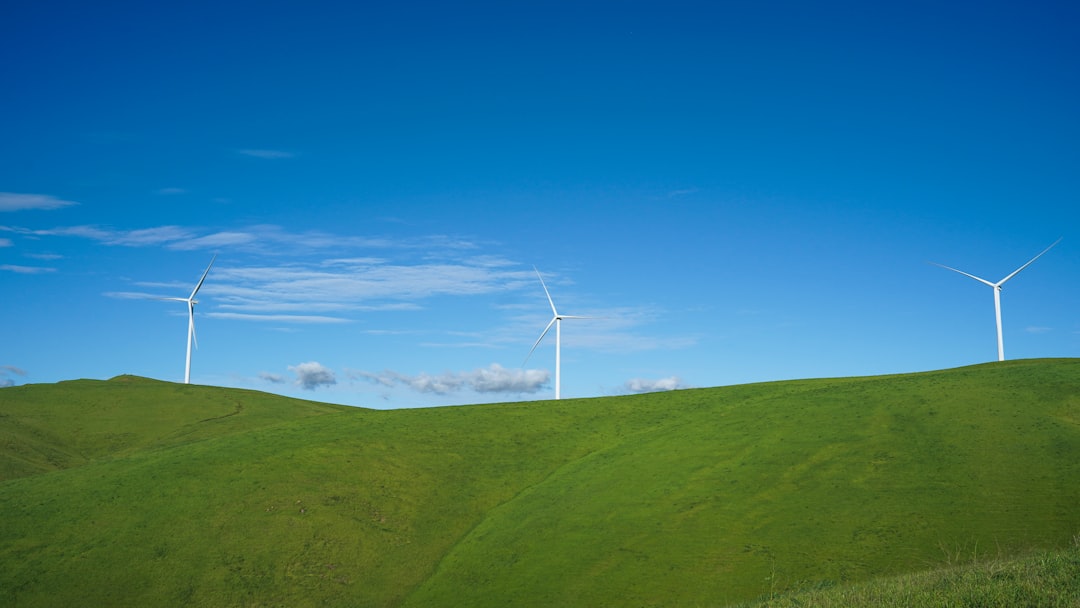
Canada stands at the forefront of a revolutionary energy transformation, where strategic investments and policy initiatives are redefining the nation’s power landscape. The country’s clean energy transition play has evolved into a comprehensive strategy that combines renewable infrastructure development, technological innovation, and regulatory frameworks designed to achieve net-zero emissions while maintaining economic competitiveness.
The momentum behind Canada’s clean energy transition play gained unprecedented acceleration following the federal government’s commitment to carbon neutrality and the subsequent provincial alignments with renewable energy targets. This coordinated approach has attracted billions in private investment, with wind and solar projects leading the charge across provinces from Alberta’s vast plains to Nova Scotia’s coastal regions. The Investment Canada Act has facilitated strategic partnerships between domestic companies and international clean energy leaders, creating a robust ecosystem for sustainable power generation.
Provincial governments have emerged as key drivers in this clean energy transition play, implementing feed-in tariffs, renewable energy standards, and streamlined permitting processes. Ontario’s Independent Electricity System Operator reports that renewable sources now constitute over 60% of the province’s electricity generation capacity, while British Columbia leverages its abundant hydroelectric resources to support grid stability during the integration of variable renewable sources. These provincial initiatives demonstrate how localized strategies contribute to the broader national clean energy transition play.
The economic implications of Canada’s clean energy transition play extend far beyond environmental benefits, creating substantial employment opportunities and industrial growth. Manufacturing facilities for wind turbine components, solar panels, and energy storage systems have established operations across the country, particularly in regions previously dependent on fossil fuel industries. The Clean Technology Manufacturing Initiative has provided over $2.3 billion in support for companies developing innovative solutions, from advanced battery technologies to smart grid infrastructure.
Grid modernization represents a critical component of the clean energy transition play, with utilities investing heavily in transmission infrastructure and energy storage capabilities. The Canadian Energy Regulator’s latest assessments indicate that interprovincial transmission capacity has increased by 40% over the past five years, enabling efficient distribution of renewable energy across regional markets. Advanced energy storage deployments, including utility-scale battery systems and pumped hydro facilities, provide the flexibility necessary to manage renewable energy variability while maintaining grid reliability.
International collaboration has amplified Canada’s clean energy transition play through technology transfer agreements and joint research initiatives. The Canada-European Union Strategic Partnership on Raw Materials has secured access to critical minerals essential for clean energy technologies, while bilateral agreements with Nordic countries have facilitated knowledge sharing in cold-climate renewable energy applications. These partnerships position Canada as a global leader in clean energy innovation while ensuring supply chain security for domestic projects.
Financial markets have responded enthusiastically to Canada’s clean energy transition play, with green bonds, sustainability-linked loans, and renewable energy investment trusts attracting significant capital flows. The Toronto Stock Exchange’s clean energy index has outperformed traditional energy sectors, reflecting investor confidence in the long-term viability of renewable energy investments. Major pension funds, including the Canada Pension Plan Investment Board, have allocated substantial portions of their portfolios to clean energy infrastructure, providing stable, long-term financing for large-scale projects.
Canada’s clean energy transition play continues to evolve through technological breakthroughs, policy refinements, and market innovations that strengthen the nation’s position as a clean energy superpower. The integration of artificial intelligence in grid management, development of green hydrogen production facilities, and advancement of carbon capture technologies represent the next frontier in this comprehensive transformation. As this transition accelerates, Canada demonstrates that environmental stewardship and economic prosperity can advance hand in hand, creating a sustainable energy future that serves as a model for nations worldwide.