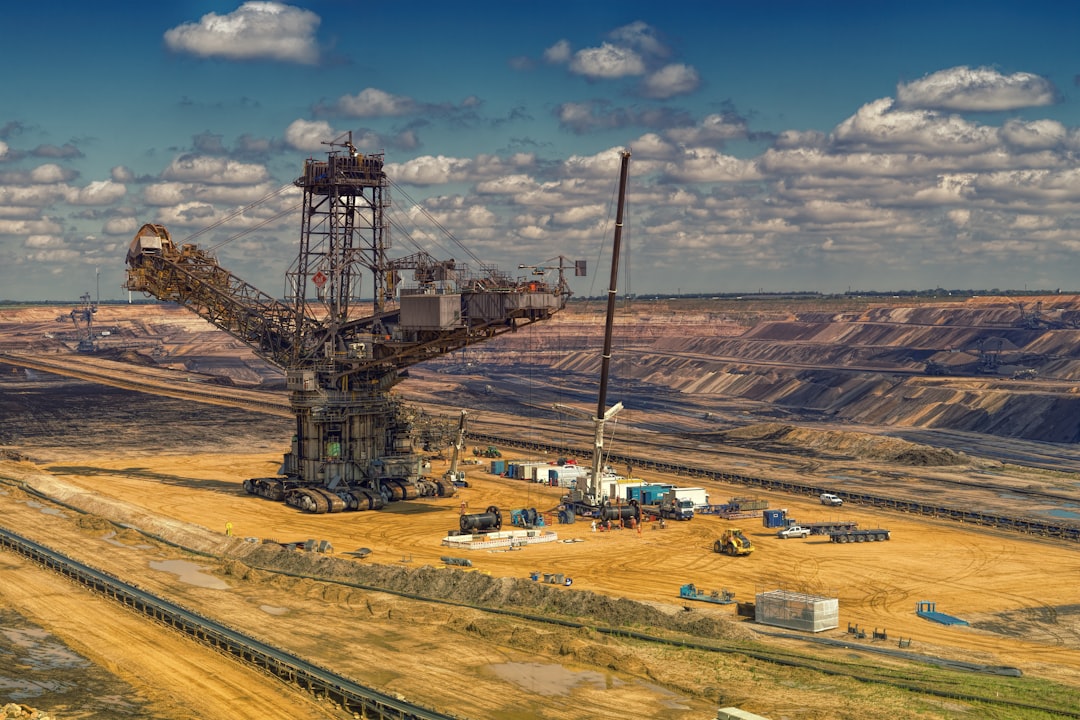
Canadian investors seeking exposure to the resource sector often find themselves captivated by the potential of a junior mining discovery. These opportunities can deliver exceptional returns, but they require careful analysis of multiple technical and financial indicators. Understanding the key features that distinguish promising discoveries from speculative ventures has become increasingly crucial as commodity markets evolve and institutional interest in resource projects intensifies.
The geological foundation represents the most fundamental aspect of any junior mining discovery evaluation. Successful projects typically demonstrate clear mineralization trends, consistent grade distribution, and favorable host rock characteristics. Investors should examine drill results for continuity patterns, paying particular attention to intercept lengths and metal concentrations. Companies that release systematic drilling programs with methodical step-out patterns often indicate more disciplined exploration approaches compared to those pursuing scattered, high-risk targets.
Management track records and technical expertise provide critical insights into execution capabilities. Leadership teams with previous discovery experience, successful mine development backgrounds, or strong relationships within the mining finance community typically navigate the complex path from exploration to production more effectively. The presence of qualified persons with recognized credentials in relevant geological settings adds significant credibility to technical assessments and resource estimates.
Financial positioning and capital structure analysis reveals sustainability potential during extended exploration phases. Junior mining discovery projects require substantial capital commitments over multiple years before generating revenue. Companies with diversified funding sources, strategic partnerships with major mining companies, or access to government incentive programs demonstrate enhanced financial resilience. Debt levels, share dilution history, and cash burn rates provide important metrics for assessing long-term viability.
Jurisdictional considerations significantly impact project development timelines and ultimate profitability. Canadian provinces offer varying regulatory frameworks, permitting efficiency, and community engagement requirements. Projects located in established mining districts benefit from existing infrastructure, skilled labor availability, and regulatory familiarity. Environmental baseline studies, First Nations consultation processes, and social license maintenance represent increasingly important factors that can influence project advancement schedules.
Market timing and commodity price dynamics affect valuation multiples and financing accessibility for junior mining discovery ventures. Resource investors must consider long-term demand fundamentals, supply chain constraints, and macroeconomic factors that influence metal prices. Projects aligned with energy transition metals, critical minerals, or strategic resources often receive premium valuations and enhanced institutional interest compared to traditional base metals or precious metals discoveries.
Technical infrastructure requirements and development economics determine the commercial viability threshold for any junior mining discovery. Metallurgical testing results, preliminary economic assessments, and infrastructure proximity analysis help establish realistic production scenarios. Projects requiring extensive processing technology, remote location development, or complex environmental mitigation measures face higher development costs and execution risks.
Risk assessment frameworks should incorporate exploration stage uncertainty, commodity price volatility, regulatory changes, and execution challenges. Diversification across multiple junior mining discovery opportunities, geographic regions, and commodity exposures helps mitigate concentrated risk exposure. Portfolio allocation strategies that balance high-potential early-stage discoveries with more advanced development projects can optimize risk-adjusted returns while maintaining exposure to breakthrough discovery potential that makes this sector particularly compelling for Canadian resource investors.